Choosing a college major can feel like choosing the first road in a very large maze. A biology degree is one of the most popular routes into health care, research, environmental science, biotechnology, and graduate school, but it isn't automatically the best choice for every student. You'll spend significant time in laboratory courses, chemistry, mathematics, and scientific writing. You may also need additional education after graduation to reach your preferred career.
This biology college major review examines what you'll study, how demanding the program can be, likely job opportunities, expected starting salary in the US for biology majors, total costs, and the degree's long-term flexibility. The goal isn't to sell you on biology. It's to help you decide whether the major fits your interests, finances, academic strengths, and career plan. As you compare programs, you can also use StudentScholarships.org to explore scholarships and career information that may reduce the cost of your education.
Biology Major At A Glance: Coursework, Skills, And Academic Requirements
A biology college major explores living systems, from molecules and cells to ecosystems and human populations. Most bachelor's programs require about 120 credit hours and take four years of full-time study, although prerequisites, retakes, internships, or part-time enrollment can extend that timeline.
| Area | What you can expect |
|---|---|
| Core coursework | General biology, genetics, cell biology, ecology, evolution, and physiology |
| Supporting courses | General and organic chemistry, physics, calculus or statistics, and sometimes computer science |
| Practical work | Laboratory experiments, fieldwork, research projects, and scientific presentations |
| Skills developed | Data analysis, critical thinking, microscopy, technical writing, and evidence-based reasoning |
| Common next steps | Health-professional school, graduate school, research, industry, education, or public-sector work |
You'll need comfort with both memorization and problem-solving. Biology includes terminology, anatomical structures, and biochemical pathways, but success also depends on interpreting graphs, designing experiments, and evaluating imperfect evidence. Chemistry and statistics are especially important: treating them as unrelated "support" classes is a mistake.
Admission requirements vary by college. Competitive programs may expect strong high school preparation in biology, chemistry, algebra, and sometimes physics. Once enrolled, you'll usually need a minimum grade in prerequisite courses before moving into advanced classes. Check each program's requirements carefully, particularly if you plan to apply to medical, dental, veterinary, physician assistant, or pharmacy school.
What You Study In A Biology Degree Program
Your first year will typically introduce general biology, chemistry, mathematics, and college writing. These courses establish the vocabulary and quantitative foundation you'll need later. Introductory biology may cover evolution, genetics, energy flow, cell structure, and the diversity of life.
By your second and third years, you may take courses such as:
- Cell and molecular biology: How cells communicate, divide, produce energy, and express genes.
- Genetics: Inheritance, mutations, population genetics, and modern genomic methods.
- Physiology: How organisms, and often human organ systems, function.
- Microbiology: Bacteria, viruses, fungi, immune responses, and laboratory culture techniques.
- Ecology and evolution: Relationships among organisms, environments, adaptation, and biodiversity.
- Biochemistry: The chemical reactions underlying metabolism and biological processes.
- Statistics or bioinformatics: How to analyze biological data using statistical or computational tools.
Upper-level electives let you shape the degree around your interests. You might focus on neuroscience, marine biology, wildlife conservation, biotechnology, public health, or pre-health preparation. Some colleges offer concentrations: others provide a broad major with flexible electives.
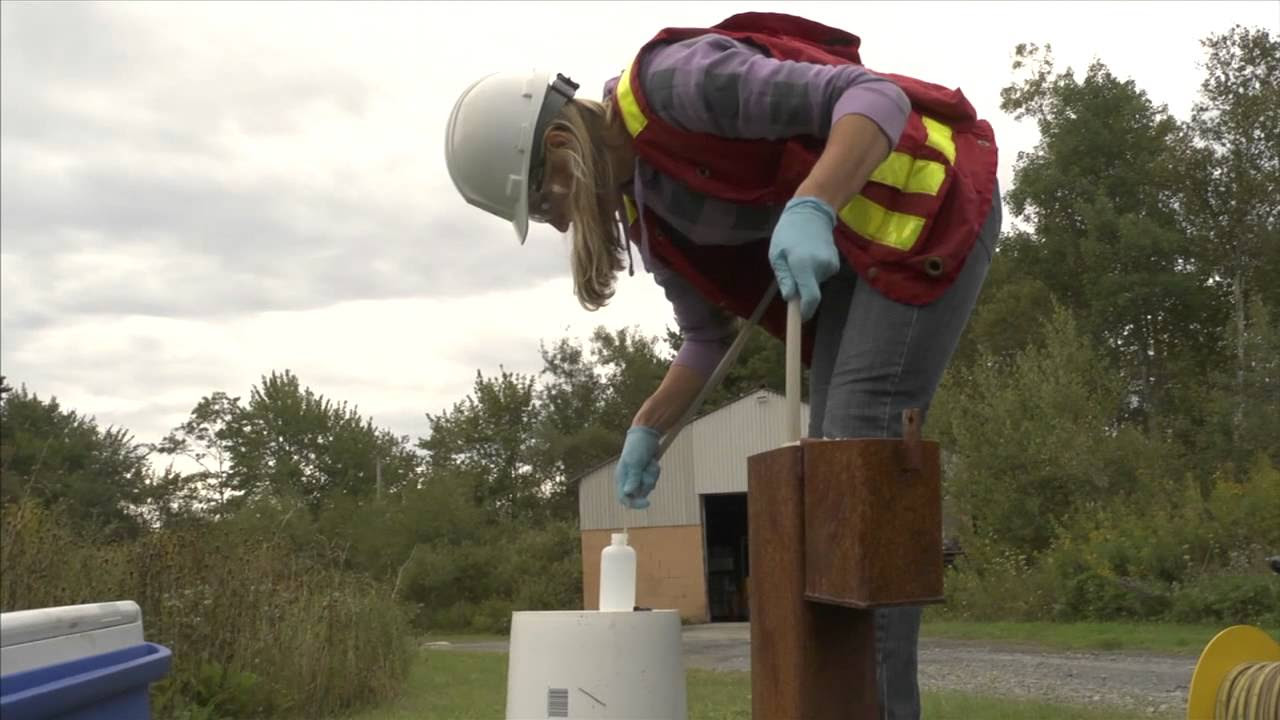
Labs are not simply demonstrations. You may prepare solutions, use microscopes or spectrophotometers, run electrophoresis, analyze DNA sequences, maintain organisms, or write formal reports. In a research-focused program, you can also complete an independent project or senior thesis. That experience can be valuable when applying for internships, laboratory jobs, or graduate programs because it gives you evidence that you can work through an unfamiliar problem.
How To Evaluate A Biology Major: Academics, Cost, Careers, And Flexibility
Don't judge a biology program by its course title or university reputation alone. Evaluate how well it supports the outcome you actually want.
Academic fit
Review the required courses, laboratory facilities, class sizes, faculty research areas, and graduation requirements. If you're considering medical school, compare the program's prerequisite planning and advising, not just its percentage of students who are accepted. If you prefer environmental work, look for field courses, geographic access to natural areas, and partnerships with conservation organizations.
Cost and time
Compare net price rather than published tuition. A lower-cost in-state program with strong laboratory access may be a better financial choice than a more prestigious, expensive option. Include fees, housing, transportation, lab materials, and the possibility of a fifth year. Ask whether scholarships renew automatically and what GPA you must maintain.
Career preparation
Look for internships, co-op placements, undergraduate research, career fairs, and alumni outcomes. A biology degree becomes more valuable when you graduate with experience, not just credits. Ask whether the career office can help you find positions beyond the most obvious health-care paths.
Flexibility
A broad biology degree can keep several doors open, but flexibility only helps if you use it intentionally. Compare minors and electives in statistics, computer science, business, communications, or public policy. Those additions can make your profile more distinctive in an increasingly competitive entry-level market.
Student Experience: Labs, Research, Advising, And Workload
The student experience in biology is usually more structured, and more time-intensive, than the course catalog suggests. A three-credit lecture may involve several hours of reading and problem sets each week, while a separate lab can require preparation, attendance, data analysis, and a report. During exam weeks, biology, chemistry, and physics deadlines can stack up quickly.
Labs are one of the major advantages of the major. You'll learn how to follow protocols, handle equipment, record observations, troubleshoot mistakes, and distinguish a surprising result from a bad result. Those habits transfer directly to research, clinical, manufacturing, and environmental roles.
Research access varies widely by college. At some schools, first-year students can volunteer in faculty laboratories: at others, opportunities are limited or competitive. Ask prospective colleges:
- How many biology students obtain research placements?
- Are positions paid, for credit, or volunteer-based?
- Can undergraduates use advanced instruments?
- Is a senior thesis available?
- What support exists for summer research?
Advising matters, too. You may need different schedules for a biology career, medical school, teaching, or graduate study. A good advisor helps you avoid taking unnecessary courses and identifies experiential opportunities early. Still, you should own your plan. Verify requirements with professional schools and employers rather than assuming your major automatically fulfills them.
Why Major In Biology? Benefits For Different Student Goals
The strongest reason to major in biology is that it gives you a scientific foundation while leaving room to specialize. It can be a good fit if you enjoy asking how living systems work and want several possible directions rather than one narrowly defined occupation.
If you're considering health care
Biology covers many prerequisites for medical, dental, veterinary, and other health-professional programs. It can also help you understand anatomy, physiology, genetics, and disease. But, you don't need a biology major for professional school. Your grades, entrance-exam preparation, clinical exposure, recommendations, and required coursework matter more than the label on your diploma.
If you want research or biotechnology
Laboratory training can lead to work in pharmaceutical development, diagnostics, food science, agriculture, or academic research. Adding biochemistry, molecular biology, statistics, or programming can strengthen your prospects.
If you care about the environment
Ecology, conservation, wildlife management, and environmental consulting may appeal to you. Field experience and geographic information systems can be especially useful additions.
If you value broad scientific training
Biology improves your ability to evaluate evidence, understand health claims, analyze data, and communicate technical ideas. Those skills are useful outside laboratories, including science communication, policy, sales, education, and nonprofit work.
The tradeoff is that the degree often opens categories of work rather than guaranteeing one job. Your internships, technical skills, networking, and further education will shape the result.
Job Opportunities For Biology Majors And Long-Term Career Paths
Job opportunities for biology majors exist across health care, laboratories, environmental organizations, education, government, and private industry. Common entry-level roles include laboratory technician, research assistant, quality-control technician, clinical research coordinator, environmental technician, and biological science technician.
| Career direction | Typical additional preparation |
|---|---|
| Laboratory or research technician | Hands-on lab experience: sometimes a specialized certificate or master's degree |
| Biotechnology or pharmaceutical work | Molecular biology, biochemistry, data skills, and industry internships |
| Environmental consulting | Ecology, field methods, environmental regulations, or GIS |
| Public health | Biology plus public-health coursework, internships, or a graduate degree |
| Health professions | Required prerequisites, clinical experience, entrance exams, and professional school |
| Teaching | Teacher certification or an education program, depending on your state |
| Conservation or government work | Field experience, internships, and sometimes a master's degree |
| Science communication or sales | Strong writing, presentation, and business or communication skills |
The bachelor's degree is often an entry point rather than the final credential. A master's degree can improve access to specialized research, counseling, public health, or environmental positions. A doctorate is generally necessary for independent academic research and many advanced scientific roles. Professional degrees lead to careers such as physician, dentist, veterinarian, pharmacist, or physical therapist, but each requires a separate admissions process.
Build employability before graduation. Complete an internship, learn spreadsheet and statistical tools, practice writing concise reports, and develop relationships with faculty or supervisors. A biology graduate who can analyze data and explain results clearly is more competitive than one whose resume contains only coursework.
Expected Starting Salary In The US For Biology Majors
The expected starting salary in the US for biology majors varies substantially by location, employer, experience, specialization, and degree level. A recent graduate entering a general laboratory or technician role may commonly see an offer in the high-$30,000s to mid-$50,000s annually. Specialized biotechnology, clinical research, quality assurance, or data-focused positions may offer more, especially in major life-science hubs.
These figures are broad planning ranges, not guarantees. Official wage data from the U.S. Bureau of Labor Statistics is generally organized by occupation rather than undergraduate major, so it may include workers with different degrees and experience levels. That's why you should compare the specific occupation, region, and employer instead of relying on one "biology salary."
Your first offer can also be affected by:
- Paid research or internship experience
- Laboratory techniques such as PCR, cell culture, or chromatography
- Statistical, coding, or bioinformatics ability
- Industry sector and local cost of living
- Certifications and regulatory experience
- Willingness to work shifts or relocate
Salary growth is often stronger after specialization or additional education. A biology bachelor's can lead to a modest starting wage, followed by larger increases after a graduate or professional degree. Before enrolling, calculate whether expected earnings justify your borrowing. A low-debt program plus targeted experience may produce a better financial outcome than an expensive program with no clear career plan.
Costs, Return On Investment, And Comparison With Related Majors
Biology's return on investment depends less on the major alone than on what you do with it. Tuition, living expenses, scholarships, debt, graduation time, and post-graduation education all matter. A student who graduates from an affordable college, gains paid research experience, and enters a technical role may have a very different outcome from one who borrows heavily and then needs several years of additional school.
| Major | Potential advantage | Important limitation |
|---|---|---|
| Biology | Broad foundation for health, research, and environmental fields | Bachelor's-level jobs can be competitive and moderately paid |
| Biochemistry | Strong molecular and chemical preparation | Often more mathematically and chemically demanding |
| Microbiology | Direct relevance to infectious disease, food, and laboratory work | May still require specialization for advancement |
| Environmental science | Focused preparation for conservation and sustainability | Some roles depend heavily on location and field experience |
| Public health | Population health, policy, and prevention perspective | Certain professional roles require a graduate degree |
| Neuroscience | Specialized study of the nervous system | Can be less flexible outside research or health pathways |
To improve ROI, choose a program where you can graduate on time, minimize unnecessary debt, and gain marketable skills. Consider combining biology with statistics, computer science, GIS, communication, or business. Apply broadly for scholarships: even smaller awards can reduce borrowing when renewed over multiple years. The StudentScholarships.org platform can help you search for funding while you compare college costs.
Be especially cautious about assuming that a biology degree guarantees medical school admission. If becoming a physician is your goal, model the complete financial path, including professional-school tuition and delayed full-time earnings, not just the undergraduate years.
Who Should And Shouldn’t Choose A Biology Major?
You may be well suited to biology if you:
- Enjoy science and want to understand living systems deeply
- Can manage a demanding sequence of laboratory and quantitative courses
- Like investigating questions rather than memorizing answers only
- Are willing to seek internships, research, or volunteer experience
- Can tolerate some uncertainty while exploring career options
- Are prepared for possible graduate or professional education
You may want to reconsider, or compare alternatives, if you strongly dislike chemistry, laboratory work, statistics, or detailed technical reading. Biology is not simply a "pre-med" holding area. If you want to become a nurse, a nursing program may prepare you more directly for licensure. If you want to work with wildlife, a natural-resources or environmental-science degree may offer more targeted field training. If you enjoy biology but prefer computation, bioinformatics or data science could be a stronger fit.
You also shouldn't choose biology solely because people say it is a safe major. Its breadth is useful, but it can become vague without a plan. Before declaring it, review upper-level course descriptions, talk with current students, and compare actual job postings. Identify three plausible careers and write down the education, experience, salary range, and location each requires. If the answers still interest you, that's meaningful evidence, not a guarantee, but a much better starting point.
Frequently Asked Questions About Biology College Major
What core subjects will I study in a biology college major?
A biology major covers courses like general biology, genetics, cell biology, ecology, evolution, and physiology, alongside supporting classes such as chemistry, physics, mathematics, and sometimes computer science.
What skills can I expect to develop while majoring in biology?
You will develop skills in data analysis, critical thinking, microscopy, technical writing, scientific presentations, and evidence-based reasoning through lab work and coursework.
How demanding is a biology college major academically?
The major is challenging; it requires memorization, problem-solving, and quantitative skills, especially in chemistry and statistics, with substantial time devoted to labs and research projects.
What career opportunities are available with a biology degree?
Biology graduates can work in healthcare, research labs, environmental science, biotechnology, education, public health, and may pursue graduate or professional degrees for specialized fields.
How can I improve my employability with a biology degree?
Gain internships, research experience, develop technical skills like PCR or bioinformatics, and build strong relationships with faculty to enhance job prospects after graduation.
Is a biology major a good choice for pre-med students?
Yes, biology covers many medical school prerequisites and offers foundational knowledge, but admission depends more on grades, test scores, clinical experience, and required coursework than the major alone.