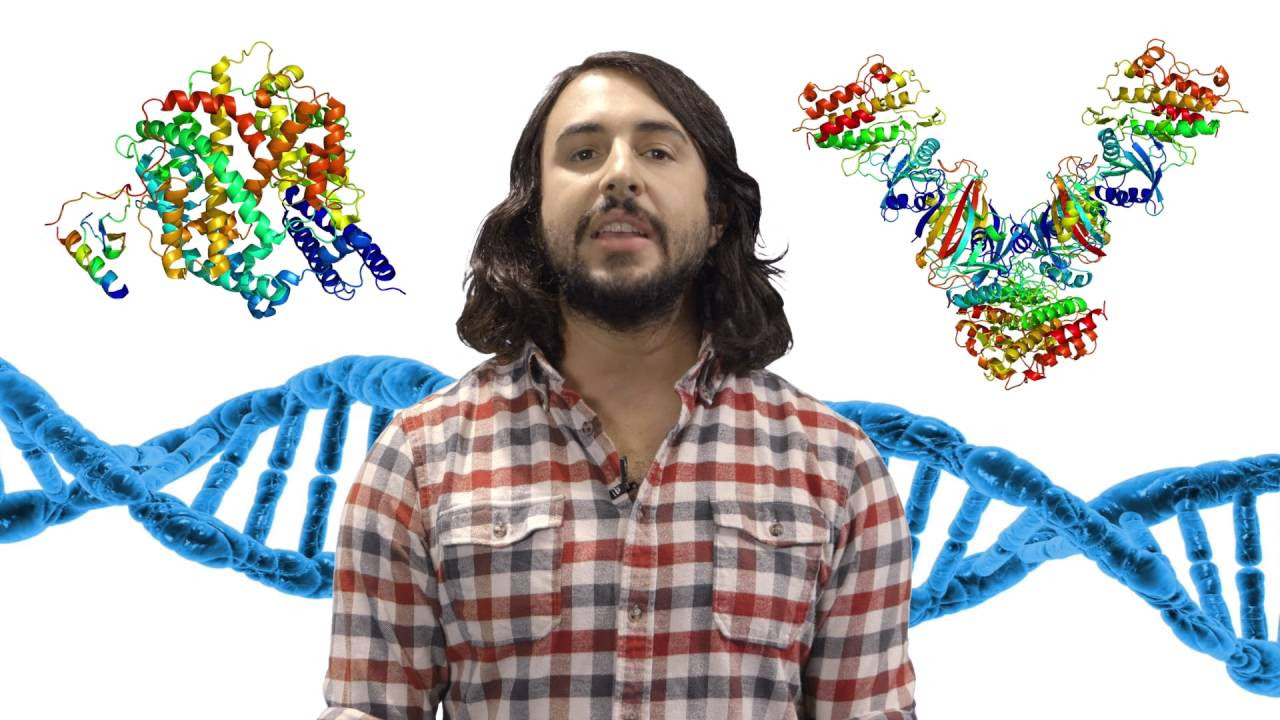
Biophysicists and biochemists specialize in studying the physical and chemical principles of biological processes and living things. They study disease, heredity cell development and growth.
Duties
Typically, biophysicists and biochemists do the following:
- Prepare research papers, recommendations and technical reports generated from research findings
- Conduct and plan a variety of complex projects in applied and basic research
- Analyze, isolate and synthesize DNA, fats, molecules and proteins
- Obtain funding and write a plethora of grant applications
- Monitor the work quality of laboratory teams and manage them
- Present research findings to colleagues, engineers and scientists
- attend conferences and review findings and literature of other researchers
- Research the effects of various substances including hormones, biological processes, drugs and nutrients within tissues
- Conduct and plan vital projects in applied and basic research
Biophysicists and biochemists rely on advanced technologies including fluorescent microscopes and lasers to conduct analyses and scientific experiences.
They rely on computer modeling and x-rays and various software to determine the 3D structures of molecules and proteins. Biophysicists and biochemists working in biotechnology research utilize chemical enzymes for synthesizing recombinant DNA.
These professionals work in applied and basic research fields. Applied research has the goal of solving a specific problem. Basic research revolves without relying on any immediately present application to expand human knowledge.
Molecular Biologists and Cellular Biologists aka Biochemists
Cellular biologists and molecular biologists are other terms for biochemists. They often study the molecular mechanisms that allow cells to divide, feed and grow. Some may choose to study the evolution of animals and plants to determine how genetic traits are passed down from one generation to the next.
Applied Research
Biophysicists and biochemists who conduct applied research work on developing processes and products to improve people’s lives. In medicine, for instance, biophysicists and biochemists create tests utilized to detect diseases, genetic disorders, and infections. They work on creating new medications and drugs including those utilized for Alzheimer's disease and cancer treatments.
Biophysics and biochemistry rely on applied research for many avenues that extend beyond medicine. In the agricultural realm, biophysicists and biochemists focus their research on ways to genetically engineer crops to be resilient against disease and afflictions including drought.
These professionals additionally investigate renewable energy potential from plants, biofuels, alternative fuels, and renewable energy. They continually brainstorm ways to cut down pollution and plans for planet protection.
It is common for those with a background in biochemistry to become teachers and professors.
Basic Research
Biophysicists often participate in basic research to learn how proteins work and how nerve cells communicate. Biophysicists and biochemists who work on basic research commonly need to submit written grant proposals to universities and colleges, the federal government, and private foundations to obtain the much-needed funds to conduct their research.
Ways to Become a Biophysicist or a Biochemist
A Ph.D. is required for biophysicists and biochemists to work in research-and-development careers and independent research. Most Ph.D. holders start their careers in postdoctoral research positions temporarily. Those who have master's degrees and bachelor’s degrees are qualified to obtain entry-level jobs in biophysics and biochemistry.
Education
Any students in high school who would like to become a biophysicist, or a biochemist should take classes in math, physical sciences and natural sciences.
Ph.D. holders in biophysics and biochemistry often have a bachelor's degree in a related field including engineering, physical science, biology, or a related field or in biochemistry itself.
Students participating in these programs can take courses in physics and math in addition to chemical sciences and biological sciences. Most of these programs will include a portion of laboratory work.
Students may work in university labs and gain experience via internships with potential employers. Some popular places to work include manufacturers of medicine and pharmaceuticals.
Ph.D. Programs
Typically, Ph.D. programs include topics such as genetics, toxicology, and the study of proteins or proteomics. Many graduate programs include classes in bioinformatics. These courses include utilizing computers to analyze and study large quantities of biological data.
Graduate students commonly spend a fair amount of time consumed with research in the laboratory. Studying at the master's level is often considered great preparation for those who prefer to conduct hands-on lab work. Studies at the Ph.D. level offer extra training in how to execute and plan research projects.
Essential Qualities
Critical-Thinking Skills: Biophysicists and biochemists need to conduct experiments and draw conclusions based on the results utilizing sound judgment and reasoning.
Communication Skills: Biophysicists and biochemists need to write and publish research papers and publish reports. They often deliver presentations regarding their findings and must constantly communicate with members of their team.
Time-Management Skills: Biophysicists and biochemists often conduct timely experiments that have a host of deadlines. Research often needs to be completed during a certain timeframe. Tasks must be prioritized while maintaining a high quality of work.
Problem-Solving Skills: Biophysicists and biochemists must be thorough in their approach to issues and their research tactics. There is substantial trial and error involved in scientific research.
Perseverance: Biophysicists and biochemists must be always thorough, from research to execution. It is essential that these professionals do not become discouraged during different times as they work.
Math Skills: Biophysicists and biochemists rely on complex formulas and equations to conduct their work on a regular basis. They need a broad understanding of statistics, calculus and math to succeed.
Interpersonal Skills: Biophysicists and biochemists generally work on interdisciplinary research teams and must work well with others to achieve a variety of common goals. Many individuals serve as team leaders and can direct and motivate other team members.
Analytical Skills: Biophysics and biochemists need to conduct analyses and scientific experiments with the utmost precision and accuracy.
Training
Most Ph.D. holders in biophysics and biochemistry start their careers in temporary postdoctoral positions dedicated to research. While engaged in these postdoctoral appointments, they commonly work with experienced scientists as they learn more about their specialty subjects and gain a wider understanding of research-related fields.
There are many opportunities to publish research information in postdoctoral positions. There is an accurate record of published research and how it relates to essentially acquiring a permanent university or college faculty position.
Advancement Opportunities
It is common for biophysicists and biochemists to work toward becoming natural sciences managers. People who seek management careers often spend a large quantity of time on administrative duties including preparing schedules and budgets.
Work Environment
Biochemists and biophysicists held about 34,800 jobs in 2020. The largest employers of biochemists and biophysicists were as follows:
- Scientific research and development services - 56%
- Pharmaceutical and medicine manufacturing - 11%
- Colleges, universities, and professional schools; state, local, and private - 7%
- Wholesale trade - 2%
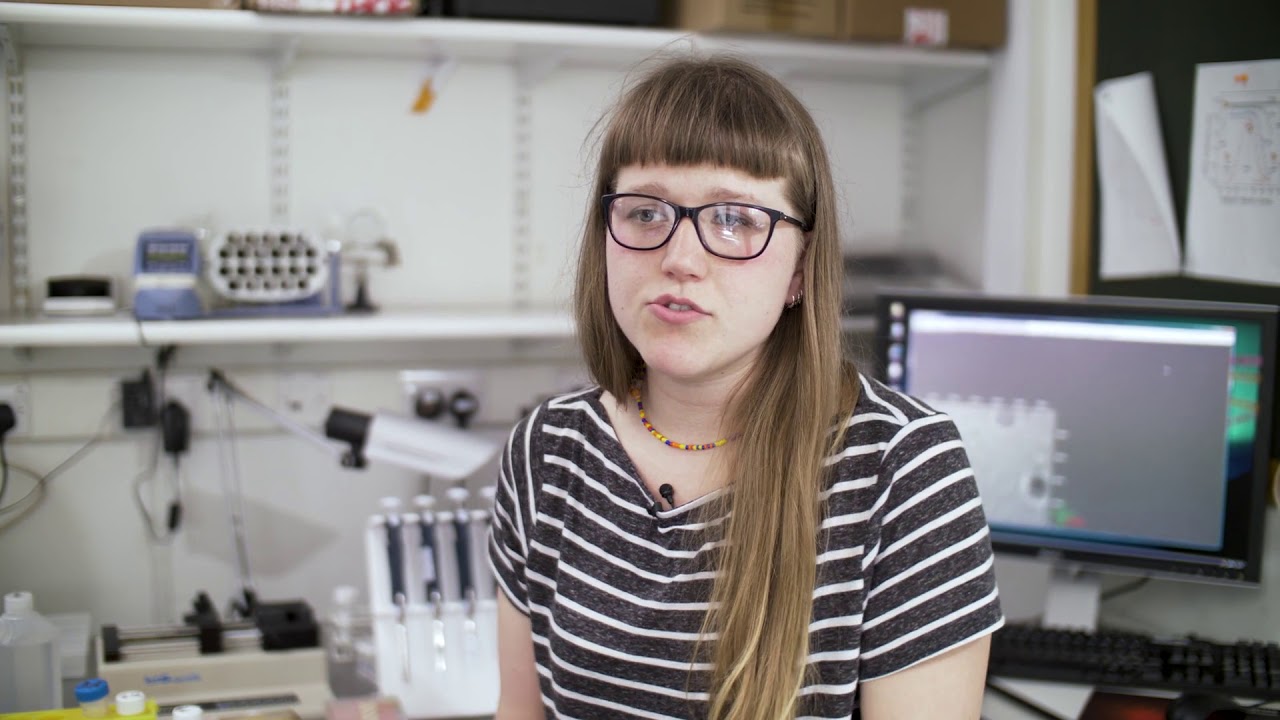
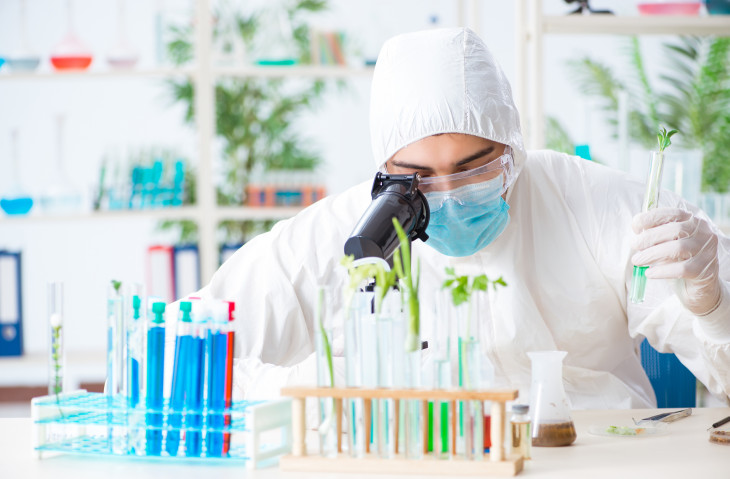
Biochemists and biophysicists typically work in laboratories and offices, to conduct experiments and analyze the results. Those who work with dangerous organisms or toxic substances in the laboratory must follow safety procedures to avoid contamination.
Most biochemists and biophysicists work on teams. Research projects are often interdisciplinary, and biochemists and biophysicists frequently work with experts in other fields, such as physics, chemistry, computer science, and engineering. Those working in biological research generate large amounts of data. They collaborate with specialists called bioinformaticians, who use their knowledge of statistics, math, engineering, and computer science to mine datasets for correlations that might explain biological phenomena.
Some biotech companies need researchers to help sell their products. These products often rely on very complex technologies, and having an expert explain them to potential customers might be necessary. This role for researchers may be more common in smaller companies, where workers often fulfill multiple roles, such as working in research and in sales. Working in sales may require a substantial amount of travel. For more information on sales representatives, see the profile on wholesale and manufacturing sales representatives.
Work Schedules
Most biochemists and biophysicists work full time and keep regular hours. They may have to work additional hours to meet project deadlines or to perform time-sensitive laboratory experiments.
Job Outlook
Employment of biochemists and biophysicists is projected to grow 5 percent from 2020 to 2030, slower than the average for all occupations.
Despite limited employment growth, about 3,200 openings for biochemists and biophysicists are projected each year, on average, over the decade. Most of those openings are expected to result from the need to replace workers who transfer to different occupations or exit the labor force, such as to retire.
Employment
Biochemists and biophysicists will continue to be needed to do basic research that increases scientific knowledge and to research and develop biological products and processes that improve people’s lives. Techniques, tools, and applications of biochemistry and biophysics are expanding as technology and knowledge progress. However, budgetary concerns may limit researchers’ access to funding for basic research.
The aging population will drive demand for new drugs and procedures to cure and to prevent disease. This increased demand is, in turn, likely to drive demand for biochemists and biophysicists involved in biomedical research. For example, biochemists and biophysicists will be needed to conduct genetic research and to develop new medicines and treatments that are used to fight genetic disorders and diseases such as cancer. They will also be needed to develop new tests used to detect diseases and other illnesses.
Areas of research and development in biotechnology other than health also are expected to provide employment growth for biochemists and biophysicists. These researchers will continue to study topics that advance our capabilities related to clean energy, efficient food production, and environmental protection.
Earnings
The median annual wage for biochemists and biophysicists was $102,270 in May 2021. The median wage is the wage at which half the workers in an occupation earned more than that amount and half earned less. The lowest 10 percent earned less than $61,090, and the highest 10 percent earned more than $167,210.
In May 2021, the median annual wages for biochemists and biophysicists in the top industries in which they worked were as follows:
- Wholesale trade - $126,470
- Scientific research and development services - $119,330
- Pharmaceutical and medicine manufacturing - $96,100
- Colleges, universities, and professional schools; state, local, and private - $62,350
Most biochemists and biophysicists work full time and keep regular hours. They may have to work additional hours to meet project deadlines or to perform time-sensitive laboratory experiments.