Choosing a college major is a little like choosing a trailhead: you want a direction that matches your interests, but you also need to know where the path leads. An environmental science major can take you from a chemistry lab to a wetlands survey, a government office, a sustainability team, or graduate school. It's one of the more interdisciplinary degrees available, but that flexibility can also make career planning feel less obvious than it is in fields with a single job title.
This review examines what you'll study, how to evaluate environmental science programs, what skills you'll build, and the job opportunities, salary expectations, costs, and trade-offs involved. The focus is on undergraduate programs and the U.S. college and employment market. Salary and employment outcomes vary by location, experience, employer, specialization, and degree level, so treat the figures below as planning benchmarks rather than promises. As you compare schools, you can also use resources such as Studentscholarships.org to look for scholarships and career guidance that may improve the financial side of your decision.
Environmental Science Major At A Glance
An environmental science major studies how natural systems work, how human activity changes them, and how those changes can be measured and managed. It usually combines biology, chemistry, geology, physics, statistics, policy, and field methods.
Unlike a narrowly focused biology or chemistry degree, environmental science asks you to connect disciplines. You might study groundwater contamination in one class, analyze ecosystem data in another, and examine environmental regulations in a third. That breadth is useful when problems do not fit neatly inside one department, which, in the real world, is most environmental problems.
| Category | What you can generally expect |
|---|---|
| Typical degree | Bachelor of Science, sometimes Bachelor of Arts |
| Common length | Four years full time |
| Core subjects | Biology, chemistry, geology, ecology, statistics, environmental policy |
| Learning formats | Lectures, laboratories, fieldwork, GIS, research, internships |
| Common employers | Government agencies, consulting firms, laboratories, nonprofits, utilities, corporations |
| Graduate school options | Environmental science, public health, urban planning, law, ecology, engineering, policy |
The major is a strong fit if you want scientific training with visible public impact. It's less ideal if you want to avoid quantitative work, outdoor conditions, regulations, or writing reports. Your eventual specialization matters greatly: an environmental analyst with GIS and data skills may have a different career path from a conservation scientist focused on field ecology.
What You Study In An Environmental Science Program
Your first year will often include general education plus introductory biology, chemistry, mathematics, and writing. These courses establish the vocabulary and technical foundation you'll need later. Don't underestimate chemistry: environmental programs frequently use it to explain pollutants, soil reactions, water quality, and atmospheric processes.
In the middle and upper years, your coursework may include:
- Ecology and ecosystem science: How organisms interact with one another and with their physical environment.
- Environmental chemistry: How contaminants move, transform, and persist in air, water, and soil.
- Geology and hydrology: Earth materials, groundwater, watersheds, erosion, and natural hazards.
- Climate and atmospheric science: Weather, climate systems, greenhouse gases, and air pollution.
- Statistics and research methods: How to design studies, evaluate evidence, and interpret uncertainty.
- Geographic information systems (GIS): How to map and analyze spatial information.
- Environmental policy and law: How regulations, permits, economics, and public decisions shape environmental outcomes.
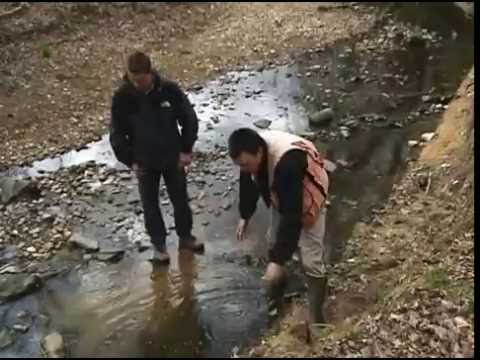
- Field methods: Sampling, species identification, water testing, surveying, and data recording.
Some programs offer concentrations in conservation, environmental health, sustainability, marine science, environmental policy, or natural resources. Others keep the degree broad and let you build a focus through electives.
Pay attention to the balance between science and policy. A program with rigorous laboratory and quantitative requirements may prepare you for technical consulting or graduate study. A policy-heavy program may better suit public administration, advocacy, or sustainability coordination. Neither is automatically superior: the best choice depends on the work you hope to do.
How To Evaluate An Environmental Science College Major
The degree title alone won't tell you whether a program is strong. Two colleges can both offer environmental science while providing very different laboratory access, field experience, advising, and career support.
Start by reviewing the required courses. Look for a sensible progression from introductory science to advanced analysis. Does the program include statistics, GIS, laboratory work, and research design? If every interesting class is an elective, you may graduate without the technical foundation employers expect.
Then investigate how students learn outside the classroom. Ask these questions:
- Are field courses available every year, or only occasionally?
- Do students work with actual instruments, samples, datasets, and mapping software?
- Are internships built into the program or simply mentioned on a webpage?
- Can undergraduates join faculty research?
- Does the college have partnerships with parks, laboratories, agencies, utilities, or consulting firms?
- Where do recent graduates work or attend graduate school?
Location can be a major advantage. A coastal campus may offer marine and watershed research: a college near a major city may provide environmental consulting and policy internships. But, a rural campus might offer easier access to forests, farms, rivers, and conservation projects.
Finally, compare total cost, not just tuition. Use each school's net price calculator, ask about scholarship renewal rules, and consider housing, transportation, equipment, and unpaid internship requirements. A slightly less famous college with strong fieldwork and low debt may produce a better outcome than an expensive institution with limited hands-on experience.
Why Major In Environmental Science?
The clearest answer to Why Major in Environmental Science is that environmental problems require people who can understand both evidence and consequences. You'll learn to examine a contaminated site, interpret data, explain risk, and consider how a proposed solution affects communities, ecosystems, and budgets.
The major also gives you several ways to make your work meaningful. You could help restore habitats, protect drinking water, reduce industrial waste, assess climate risk, or guide organizations toward more responsible operations. The work isn't always dramatic: much of it involves sampling plans, spreadsheets, permits, quality checks, and carefully written reports. Still, those practical tasks can have real effects.
Another advantage is adaptability. Environmental science graduates can move among government, private industry, nonprofit, education, and research settings. Climate resilience, renewable energy development, environmental compliance, and corporate sustainability continue to create demand for people who can translate scientific information into decisions.
There are caveats. The degree does not guarantee a job with "environmental" in the title, and entry-level roles can involve routine monitoring or compliance work. Some positions require a master's degree, professional certification, or several years of experience. If you want to become a licensed engineer, physician, or attorney, environmental science can be a useful foundation, but it does not replace the specialized degree required for those professions.
Academic Experience, Skills, And Fieldwork
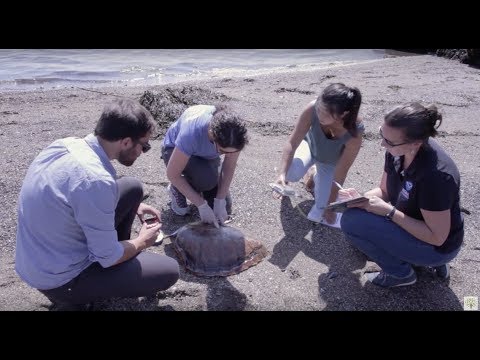
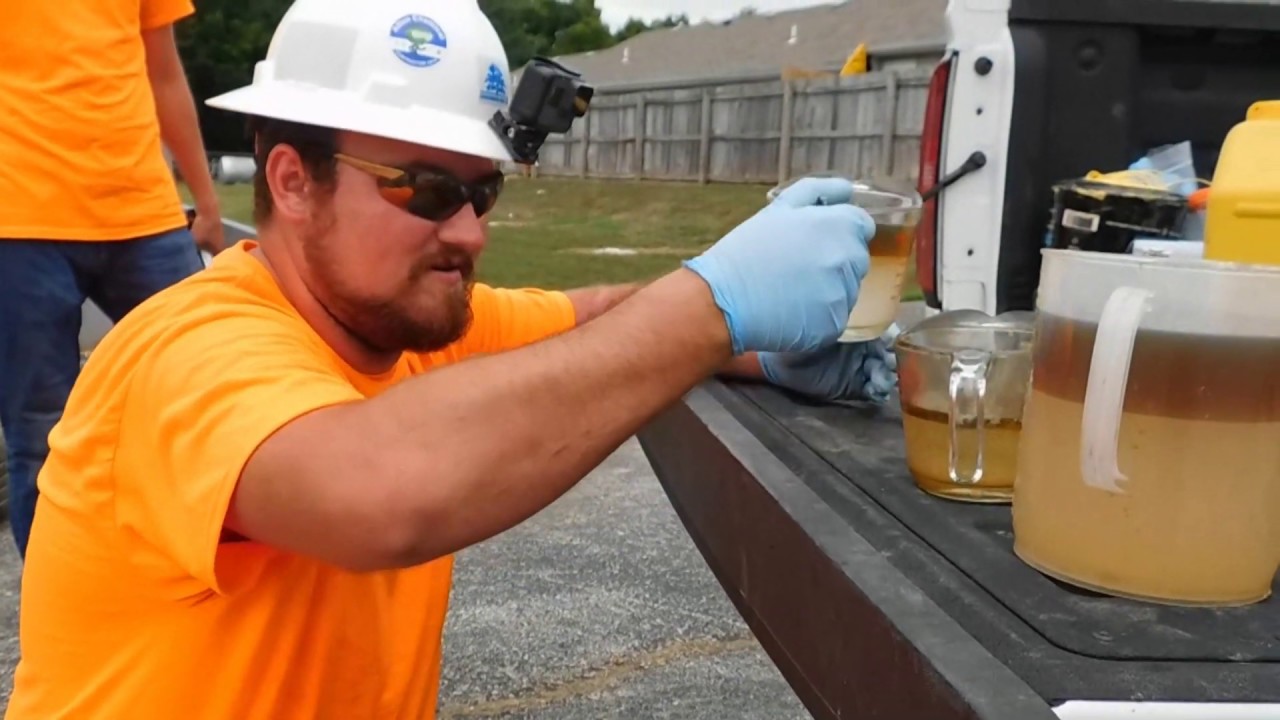
Expect a mix of classroom concentration and practical problem-solving. A typical week might include a lecture on ecological processes, a chemistry laboratory, a GIS assignment, and a field trip requiring you to collect samples in uncomfortable weather. That variety is part of the appeal, and occasionally part of the mud on your boots.
By graduation, you should aim to demonstrate more than course completion. Strong programs help you build a portfolio containing a research project, GIS maps, laboratory results, field notes, a technical report, or an internship deliverable. These examples make your abilities easier for employers to evaluate.
Important transferable and technical skills include:
- Collecting samples using consistent, defensible procedures
- Operating basic field and laboratory equipment
- Cleaning, analyzing, and visualizing data
- Using GIS and possibly remote-sensing tools
- Reading environmental regulations and permits
- Writing clear technical reports and public-facing summaries
- Presenting findings to non-scientists
- Managing projects, deadlines, and documentation
- Recognizing uncertainty rather than overstating conclusions
Fieldwork can be physically demanding. You may walk long distances, lift equipment, work near water, tolerate heat or insects, or follow strict safety protocols. Office and laboratory jobs have different demands, including sustained computer work, quality-control procedures, and detailed documentation.
Internships deserve special emphasis. A summer with a consulting firm, environmental agency, laboratory, park, or sustainability office can clarify what you actually enjoy before graduation. It can also provide references and the experience many employers prefer for entry-level hiring.
Job Opportunities For Environmental Science Majors
The Job Opportunities for Environmental Science Majors are broad, but your coursework and experience will determine which doors open first. Common entry-level and early-career roles include environmental technician, field sampling technician, laboratory analyst, environmental compliance assistant, GIS technician, sustainability coordinator, conservation technician, and environmental health specialist.
Potential employers include:
- Federal, state, county, and city agencies
- Environmental consulting and engineering firms
- Energy, manufacturing, construction, and waste-management companies
- Water and wastewater utilities
- Parks, land trusts, and conservation organizations
- Universities and research laboratories
- Schools, museums, and environmental education groups
- Corporate sustainability and risk-management departments
Environmental consultants may test soil and water, prepare regulatory documents, conduct site assessments, or support remediation projects. Government roles may focus on permitting, inspections, natural-resource management, or public health. Conservation positions can involve habitat restoration, invasive-species control, ecological monitoring, or environmental education.
Job titles can be misleading, so read descriptions carefully. "Sustainability" might mean emissions accounting, procurement, reporting, or community outreach. "Environmental specialist" might involve field science, or mostly regulatory paperwork. Search job boards using skills as well as major names: GIS, water quality, environmental compliance, laboratory, wetlands, remediation, and occupational health.
The U.S. Bureau of Labor Statistics environmental scientists and specialists profile is a useful starting point for occupational duties and projections. Your college's internship office and alumni network can add more specific, local information.
Expected Starting Salary In The US For Environmental Science Majors
The Expected Starting Salary in the US for Environmental Science Majors varies too widely for one number to be reliable. Location, employer type, technical skills, internship experience, and the difference between a technician role and a professional analyst role all matter.
As a broad planning range, many bachelor's-level environmental graduates entering technician, laboratory, conservation, compliance, or junior analyst positions may see offers roughly in the $40,000–$60,000 range. Higher-cost metropolitan areas, specialized consulting, energy, environmental health, or data-focused positions may offer more: small nonprofits, seasonal conservation jobs, and rural positions may offer less. These are approximate market ranges, not a guarantee.
For a more authoritative benchmark, compare your target occupation with the latest wage information from the Bureau of Labor Statistics Occupational Employment and Wage Statistics. Also check salary data for related titles such as environmental science and protection technicians, conservation scientists, hydrologists, occupational health and safety specialists, and urban planners. Those categories can produce noticeably different results.
Skills that can improve your early bargaining position include:
- GIS and spatial analysis
- Data analysis using Excel, R, or Python
- Water, soil, or air sampling
- Environmental compliance and permitting
- OSHA or laboratory safety knowledge
- Technical writing and client communication
- Internships with recognizable employers
When comparing offers, examine benefits, travel expectations, overtime eligibility, seasonal status, relocation costs, and advancement opportunities. A slightly lower first salary may be worthwhile if it provides certification support, strong mentorship, and experience that qualifies you for better roles within two or three years.
Costs, Career Growth, And Return On Investment
Environmental science can offer a solid return on investment, but the result depends heavily on how much you borrow and how deliberately you build specialized skills. Public colleges, in-state tuition, scholarships, work-study, and paid internships can make the degree far more manageable than a high-cost program with similar academic resources.
Before enrolling, estimate your total four-year cost and compare it with realistic entry-level earnings. Include tuition, housing, food, transportation, books, field equipment, and lost income from unpaid placements. Then investigate whether the program has paid research assistantships, cooperative education, or scholarships that continue beyond the first year. Scholarship searches should begin early because deadlines often arrive before your senior year feels real.
Career growth often follows one of three paths. You might become a technical specialist in GIS, water quality, remediation, ecological assessment, or environmental health. You might move into project management, compliance leadership, or sustainability strategy. Or you might pursue graduate school for research, advanced policy work, planning, public health, or a specialized scientific role.
Geography matters. A region with manufacturing, energy development, water scarcity, coastal risk, or active conservation work may provide more opportunities than another area. Remote and hybrid work are possible for data, policy, and reporting jobs, but field-heavy positions remain location-dependent.
The most reliable ROI strategy is to graduate with evidence of competence: an internship, a useful software skill, strong writing, professional contacts, and a clear specialization. A broad degree becomes more valuable when you can show exactly what you can do.
Pros, Cons, And Comparison With Related Majors
Environmental science offers breadth and purpose, but it isn't the only route into environmental work.
| Major | Strengths | Possible limitations |
|---|---|---|
| Environmental science | Broad science-policy foundation: flexible career options | May require specialization to stand out |
| Environmental engineering | Strong technical and infrastructure focus: often higher salary ceiling | More intensive math, physics, and engineering requirements |
| Biology or ecology | Deep study of organisms and ecosystems | Some careers require graduate school |
| Geology or hydrology | Strong foundation for earth, water, and resource work | Can be less focused on policy or living systems |
| Environmental policy or studies | Useful for communication, advocacy, and government | May provide less laboratory and quantitative training |
| Public health | Direct focus on health risks and communities | Environmental work may be one specialization among many |
Advantages
- Interdisciplinary preparation for complex problems
- Opportunities for fieldwork, laboratory work, and data analysis
- Several sectors to explore, including government and private industry
- Meaningful connection between coursework and public issues
- Good foundation for graduate study and professional transitions
Drawbacks
- The broad curriculum can feel unfocused without electives or internships
- Some entry-level jobs are seasonal, field-based, or modestly paid
- Certain advanced roles require a master's degree or certification
- Regulatory and technical work may involve substantial paperwork
- Employers may expect experience with specialized software or sampling methods
Choose environmental engineering if you want to design treatment systems or infrastructure and enjoy advanced math. Choose ecology or biology if organism and ecosystem research is your central interest. Choose policy or studies if communication, governance, and social systems matter more than laboratory science. Environmental science is the middle ground: practical scientific breadth with room to move.
Who Should Choose This Major?
You should consider an environmental science major if you're curious about how natural systems work and motivated by problems involving land, water, air, climate, health, or communities. You don't need to arrive as an expert. You do need willingness to learn science, interpret data, write carefully, and work through uncertainty.
The major may suit you particularly well if you:
- Want a career connected to environmental protection or sustainability
- Prefer a combination of outdoor, laboratory, and office work
- Enjoy connecting biology and chemistry with public decisions
- Can tolerate statistics and learn technical software
- Want several industries and graduate-school options
- Value practical experience and project-based learning
Before committing, test the reality. Take an introductory science course, volunteer with a conservation organization, speak with a professional, or search internships in your area. Ask whether the daily work, not merely the mission, sounds appealing. Environmental careers can be rewarding, but they also include regulations, repetitive sampling, spreadsheets, deadlines, and difficult trade-offs.
If you choose this major, make your plan specific by the end of your first year: identify two possible career directions, select relevant electives, learn one marketable tool such as GIS, and pursue an internship or research experience. Revisit that plan as you gain information.
Conclusion
An environmental science college major is a versatile choice for future students who want scientific training tied to real-world environmental challenges. Its value comes less from the title on your diploma than from the skills you add to it, field methods, data analysis, GIS, writing, and professional experience. Compare programs carefully, control your borrowing, and investigate local employers before enrolling. If you build a clear specialization while keeping the degree's flexibility, you can turn a broad interest in the environment into a practical, durable career.
Environmental Science College Major FAQs
What is an environmental science college major and what will I study?
An environmental science major studies natural systems, human impacts, and management techniques. Coursework combines biology, chemistry, geology, physics, statistics, policy, and field methods to analyze environmental problems from multiple perspectives.
How can I evaluate and choose the right environmental science program?
Look for programs with a strong science foundation including statistics, GIS, laboratories, and research. Consider fieldwork opportunities, internships, faculty research involvement, local partnerships, and total cost including scholarships to find a program matching your career goals.
What career opportunities are available for environmental science graduates?
Graduates can work as environmental technicians, analysts, compliance assistants, GIS technicians, sustainability coordinators, or conservation scientists in government, consulting firms, nonprofits, utilities, and corporate sustainability sectors.
What skills are important to develop during an environmental science major?
Key skills include sample collection, laboratory and field equipment use, data analysis and visualization, GIS mapping, environmental regulation interpretation, technical writing, and project management.
What is the expected starting salary for environmental science majors in the US?
Entry-level salaries generally range from $40,000 to $60,000 but vary widely by location, employer, technical skills, and internship experience. Related positions and majors may offer different salary levels.
Should I consider environmental science over related majors like environmental engineering or policy?
Environmental science offers broad interdisciplinary training suited for diverse careers, balancing science and policy. Choose environmental engineering for technical infrastructure roles, policy for governance, or biology/ecology for organism-focused work, depending on your interests.