Work Environment
Microbiologists held about 21,400 jobs in 2020. The largest employers of microbiologists were as follows:
- Research and development in the physical, engineering, and life sciences - 31%
- Pharmaceutical and medicine manufacturing - 13%
- Federal government, excluding postal service - 11%
- Colleges, universities, and professional schools; state, local, and private - 8%
- State government, excluding education and hospitals - 6%
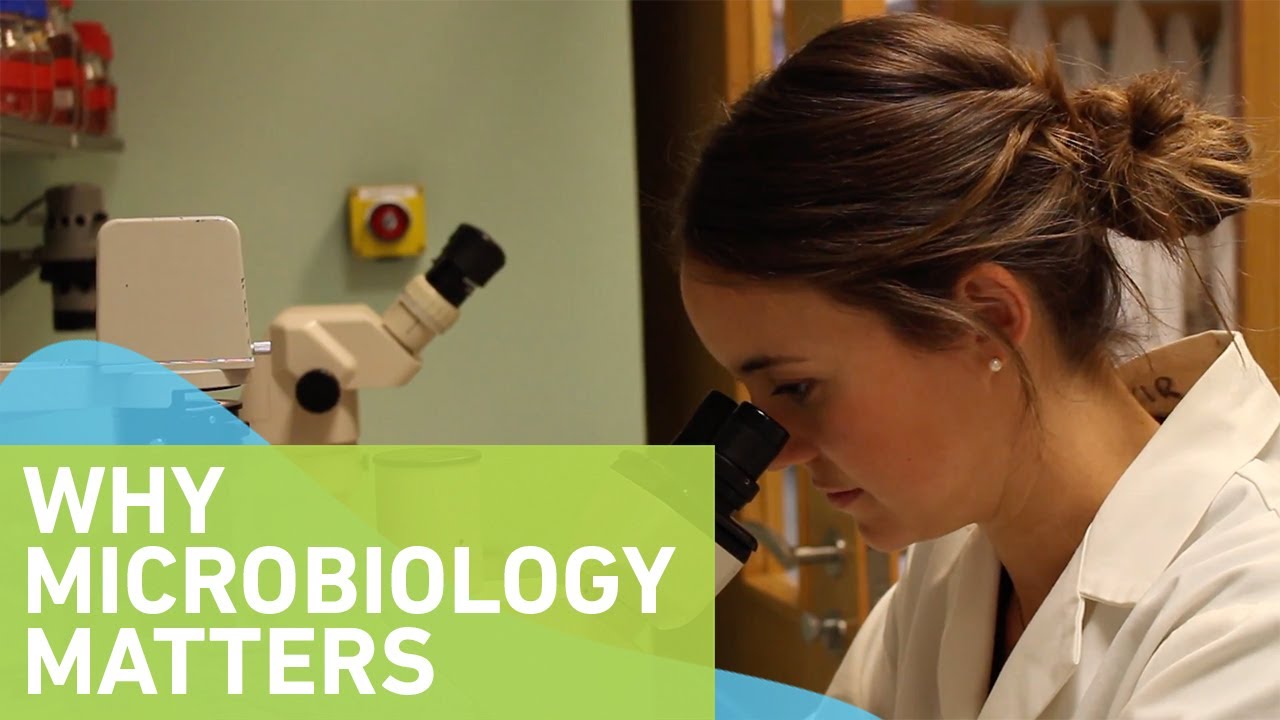
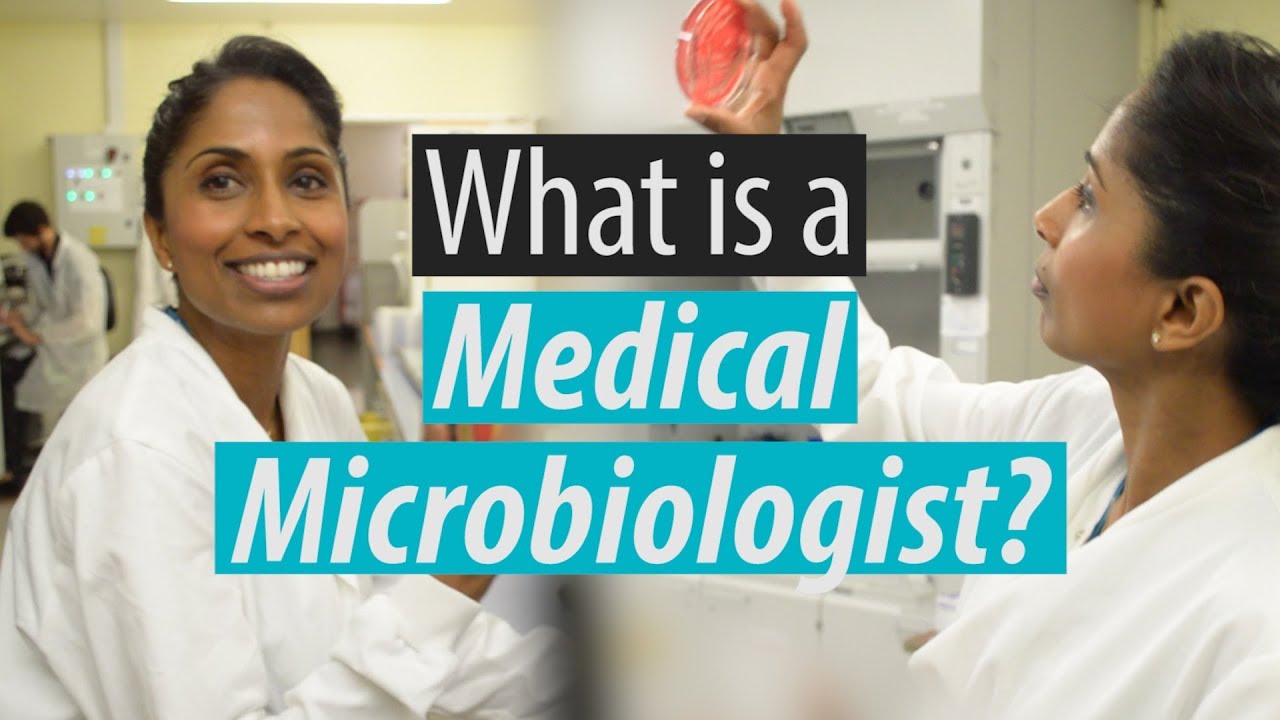
Microbiologists typically work in laboratories, offices, and industrial settings where they conduct experiments and analyze the results. Microbiologists who work with dangerous organisms must follow strict safety procedures to avoid contamination. Some microbiologists may conduct onsite visits or collect samples from the environment or worksites, and, as a result, may travel occasionally and spend some time outside.
Basic researchers who work in academia usually choose the focus of their research and run their own laboratories. Applied researchers who work for companies study the products that the company will sell or suggest modifications to the production process so that the company can become more efficient. Basic researchers often need to fund their research by winning grants. These grants often put pressure on researchers to meet deadlines and other specifications. Research grants are generally awarded through a competitive selection process.
Work Schedules
Most microbiologists work full time and keep regular hours.
Job Outlook
Employment of microbiologists is projected to grow 5 percent from 2020 to 2030, slower than the average for all occupations.
Despite limited employment growth, about 2,000 openings for microbiologists are projected each year, on average, over the decade. Most of those openings are expected to result from the need to replace workers who transfer to different occupations or exit the labor force, such as to retire.
Employment
Microbiologists will be needed to help pharmaceutical and biotechnology companies develop drugs that are produced with the aid of microorganisms. In addition, employers will need microbiologists to ensure quality and production efficiency in a range of companies, including food products and chemical plants.
In agriculture, microbiologists will be needed to help develop genetically engineered crops that provide greater yields or require less pesticide and fertilizer. Finally, efforts to discover new and improved ways to preserve the environment and safeguard public health also will make use of microbiologists.
However, since microbiologists can be heavily involved in research and development (R&D) work, growth in this occupation may be limited by R&D funding constraints.
Earnings
The median annual wage for microbiologists was $79,260 in May 2021. The median wage is the wage at which half the workers in an occupation earned more than that amount and half earned less. The lowest 10 percent earned less than $47,630, and the highest 10 percent earned more than $136,780.
In May 2021, the median annual wages for microbiologists in the top industries in which they worked were as follows:
- Federal government, excluding postal service - $114,050
- Research and development in the physical, engineering, and life sciences - $101,680
- Pharmaceutical and medicine manufacturing - $72,490
- State government, excluding education and hospitals - $63,940
- Colleges, universities, and professional schools; state, local, and private - $62,260
Most microbiologists work full time and keep regular hours.
Academic Programs of Interest
Anatomy
Choosing an anatomy college major means studying the structure of the human body in unusually close detail, and deciding how that knowledge will support your future career. You may spend hours in biology laboratories, learn medical terminology, analyze cadavers or anatomical models, and build a foundation for graduate or professional school. The major can be fascinating and practical, but it isn't automatically the best choice...
more
Aquatic Biology
If you're fascinated by oceans, rivers, lakes, wetlands, fish, or the tiny organisms that keep aquatic ecosystems alive, an aquatic biology college major could turn that interest into a practical career. You'll study living systems in water, but you'll also learn chemistry, statistics, conservation, research methods, and sometimes policy or environmental law.
This review explains what an aquatic biology program typically includes, how to judge...
more
Biology
Choosing a college major can feel like choosing the first road in a very large maze. A biology degree is one of the most popular routes into health care, research, environmental science, biotechnology, and graduate school, but it isn't automatically the best choice for every student. You'll spend significant time in laboratory courses, chemistry, mathematics, and scientific writing. You may also need additional education after...
more
Botany/Plant Biology
Plants may look stationary, but plant biology is anything but passive. A single major can take you from cell biology and genetics to conservation fieldwork, greenhouse production, agriculture, biotechnology, and environmental policy. That breadth is the biggest strength of a botany or plant biology degree, and also the reason you should examine the program carefully before enrolling.
This review explains what you study, how challenging...
more
Cell Biology
Cells are tiny, but a cell biology major can open doors to some of the biggest questions in science: How does cancer begin? Why do diseases spread? How can damaged tissues be repaired? If you're considering this major, you'll study the machinery of life at a level that connects biology, chemistry, genetics, medicine, and biotechnology.
This review explains what a cell biology degree involves, how...
more
Environmental Science
Choosing a college major is a little like choosing a trailhead: you want a direction that matches your interests, but you also need to know where the path leads. An environmental science major can take you from a chemistry lab to a wetlands survey, a government office, a sustainability team, or graduate school. It's one of the more interdisciplinary degrees available, but that flexibility can...
more
Genetics
Choosing a college major is a little like choosing the first trail on a much larger map. You don't need to know every destination yet, but you do need to understand the terrain. A genetics college major can lead into medicine, biotechnology, research, public health, agriculture, and graduate study, but it also demands strong preparation in biology, chemistry, statistics, and laboratory science.
This review examines...
more
Microbiology
A microbiology college major takes you into a hidden world that shapes nearly every part of daily life. Bacteria help produce food, cause infections, and support biotechnology. Viruses influence public health, while fungi and parasites affect ecosystems, agriculture, and medicine. If you enjoy biology but want to study organisms at a cellular and molecular level, microbiology can be an unusually flexible choice.
This guide explains...
more
Molecular Biology
Choosing a college major can feel like choosing the first room in a building you'll occupy for years. Molecular biology puts you in the room where life's smallest mechanisms become visible: DNA, RNA, proteins, cells, and the chemical reactions that connect them. It's an intellectually demanding major, but it can also prepare you for careers in biotechnology, medicine, pharmaceuticals, public health, research, and graduate study....
more
Molecular Genetics
A molecular genetics major takes you inside the machinery of life: DNA, RNA, proteins, cells, and the inherited or acquired changes that shape health and disease. It's an exciting path if you enjoy biology but want more than memorizing anatomy. You'll spend significant time asking how biological systems work, and then testing your ideas in a laboratory.
But this degree isn't automatically a direct route...
more
Neurobiology
Choosing a college major can feel like choosing the first road in a much larger career map. If you're fascinated by the brain, nervous system, behavior, medicine, or scientific discovery, a neurobiology major may look like an ideal starting point. It combines biology, chemistry, neuroscience, and laboratory research, but it also demands serious time, quantitative skills, and often additional education after graduation.
This neurobiology college...
more
Plant Pathology
A plant pathology college major sits at the intersection of biology, agriculture, environmental science, and problem-solving. You learn how diseases affect crops, trees, turf, and ornamental plants, and how to identify, prevent, and manage those diseases. Although the major is less familiar than biology or botany, it can lead to meaningful work in food security, agricultural research, environmental protection, and crop production.
This review explains...
more