A microbiology college major takes you into a hidden world that shapes nearly every part of daily life. Bacteria help produce food, cause infections, and support biotechnology. Viruses influence public health, while fungi and parasites affect ecosystems, agriculture, and medicine. If you enjoy biology but want to study organisms at a cellular and molecular level, microbiology can be an unusually flexible choice.
This guide explains what you'll study, how much laboratory work to expect, which careers are available, and the expected starting salary in the US for microbiology majors. It also compares microbiology with related degrees such as biology, biochemistry, and medical laboratory science. Salary figures and job outlooks vary by location, employer, experience, and education level, so treat them as planning estimates rather than guarantees. Eventually, the right question isn't simply whether microbiology is "worth it." It's whether the major fits your interests, academic strengths, budget, and preferred career path.
Microbiology Major At A Glance
A microbiology major focuses on microorganisms and microscopic biological processes. Depending on your college, you may study bacteria, viruses, fungi, algae, parasites, microbial genetics, immunology, and the interactions between microbes and their hosts or environments.
Most bachelor's degrees take four years of full-time study and combine general education with biology, chemistry, physics, mathematics, and upper-level microbiology courses. Some programs are housed in biology departments: others are part of agriculture, public health, environmental science, or medical laboratory science programs.
| Category | What to expect |
|---|---|
| Typical degree | Bachelor of Science in microbiology |
| Program length | About four years full time |
| Core emphasis | Microbial biology, genetics, physiology, and laboratory methods |
| Common settings | Universities, hospitals, pharmaceutical companies, food laboratories, public agencies |
| Graduate school options | Microbiology, public health, medicine, dentistry, veterinary medicine, or related sciences |
| Best fit | Students who enjoy biology, careful lab work, and evidence-based problem-solving |
You'll usually spend more time in laboratories than you would in a general biology program. The major also tends to require several chemistry courses, including organic chemistry and sometimes biochemistry. That foundation matters because microbes are studied through chemical reactions, molecular structures, metabolism, and genetic information, not just through observation.
A microbiology degree can prepare you for entry-level technical roles, but some research, clinical, teaching, and leadership positions require a master's degree, doctorate, professional license, or certification.
What You Study In A Microbiology Degree
Your first year or two will usually establish the scientific foundation for advanced coursework. Expect introductory biology, general chemistry, calculus or statistics, physics, and writing or communication classes. These courses may seem broad, but they support nearly every later topic in microbiology.
Upper-level coursework often includes:
- General microbiology: Cell structure, microbial classification, growth, metabolism, and laboratory safety.
- Microbial genetics: DNA replication, gene expression, mutation, horizontal gene transfer, and genetic engineering.
- Microbial physiology: How microorganisms obtain energy, respond to stress, and maintain cellular function.
- Immunology: How the immune system recognizes pathogens and how microbes evade host defenses.
- Virology: Viral structure, replication, disease, evolution, and methods of detection.
- Bacteriology: Bacterial diversity, pathogenic mechanisms, identification, and antibiotic resistance.
- Biochemistry: The chemical reactions and molecular pathways that make life possible.
- Ecology or environmental microbiology: Microbes in soil, water, oceans, agriculture, and climate-related systems.
- Biotechnology: Using microorganisms or microbial components to develop products, medicines, enzymes, and industrial processes.
Many programs offer electives in medical microbiology, food microbiology, fermentation, epidemiology, bioinformatics, genomics, or microbial ecology. Your electives can help you move toward a particular industry.
For example, a student interested in hospitals might prioritize immunology, pathogenic microbiology, and clinical laboratory methods. Someone considering environmental work might choose ecology, water quality, and biogeochemistry. A student targeting biotechnology may benefit from molecular biology, bioinformatics, and biostatistics.
Review each college's course catalog carefully. Two degrees with the same name can have very different emphases. Check whether the curriculum includes modern molecular techniques, statistics, research opportunities, and the prerequisites for your intended graduate or professional program.
Why Major In Microbiology?
Why major in microbiology? The strongest reason is that microorganisms are involved in problems that need scientists, from infectious disease and antibiotic resistance to clean energy, food production, and environmental restoration.
The field also gives you a useful balance: you can explore fundamental science while still connecting your work to practical outcomes. A project on bacterial genetics may contribute to drug discovery. Environmental sampling may reveal how polluted water changes microbial communities. Food microbiology can help improve safety and shelf life.
Other advantages include:
- Broad scientific relevance. Microbiology overlaps with medicine, agriculture, public health, environmental science, chemistry, and biotechnology.
- Hands-on learning. You'll typically practice culturing, microscopy, staining, DNA analysis, aseptic technique, and data interpretation.
- Multiple career directions. You aren't limited to one profession after graduation.
- A strong foundation for further education. The major can support applications to medical, dental, veterinary, pharmacy, physician assistant, public health, and graduate programs.
- Growing importance of microbial challenges. Pathogen surveillance, antimicrobial resistance, emerging infections, and biotechnology continue to require trained workers.
There are limits, too. A bachelor's degree alone may not qualify you for independent research or high-level scientific roles. Entry-level work can involve repetitive testing, strict documentation, shift schedules, or modest starting pay. You may also need to relocate to regions with major hospitals, universities, government laboratories, or pharmaceutical employers.
Microbiology is hence a particularly good choice if you value science itself and are comfortable building toward your career over time. If you want a guaranteed professional license immediately after college, another major may offer a clearer route.
Core Skills And Evaluation Criteria
A successful microbiology student develops more than factual knowledge. You'll be evaluated on how accurately you perform procedures, interpret evidence, and communicate conclusions.
Laboratory and technical skills
You may learn to use microscopes, pipettes, spectrophotometers, centrifuges, incubators, autoclaves, and molecular biology equipment. Depending on your program, you could practice polymerase chain reaction (PCR), gel electrophoresis, microbial culture, staining, biochemical tests, DNA sequencing analysis, or antibiotic susceptibility testing.
Precision matters. A contaminated sample, mislabeled tube, or incorrect dilution can invalidate an entire experiment. Laboratory grades often reflect preparation, technique, safety, record-keeping, and interpretation, not merely whether your final result matches an expected answer.
Analytical and quantitative skills
Microbiology involves more data than many students initially expect. You may calculate concentrations, growth rates, dilution series, colony-forming units, probabilities, and statistical comparisons. Courses in statistics or biostatistics can become especially valuable if you plan to conduct research.
Communication skills
You'll write laboratory reports, summarize research papers, present findings, and explain uncertainty. Scientific communication is a career skill: technicians must document procedures, quality professionals must report deviations, and researchers must defend their methods.
Professional judgment
You'll also be assessed on biosafety, ethical conduct, teamwork, and scientific skepticism. Good microbiologists don't force data to fit a hypothesis. They ask whether controls were appropriate, whether a method had limitations, and whether another explanation is possible.
Laboratory Experience, Research, And Academic Workload
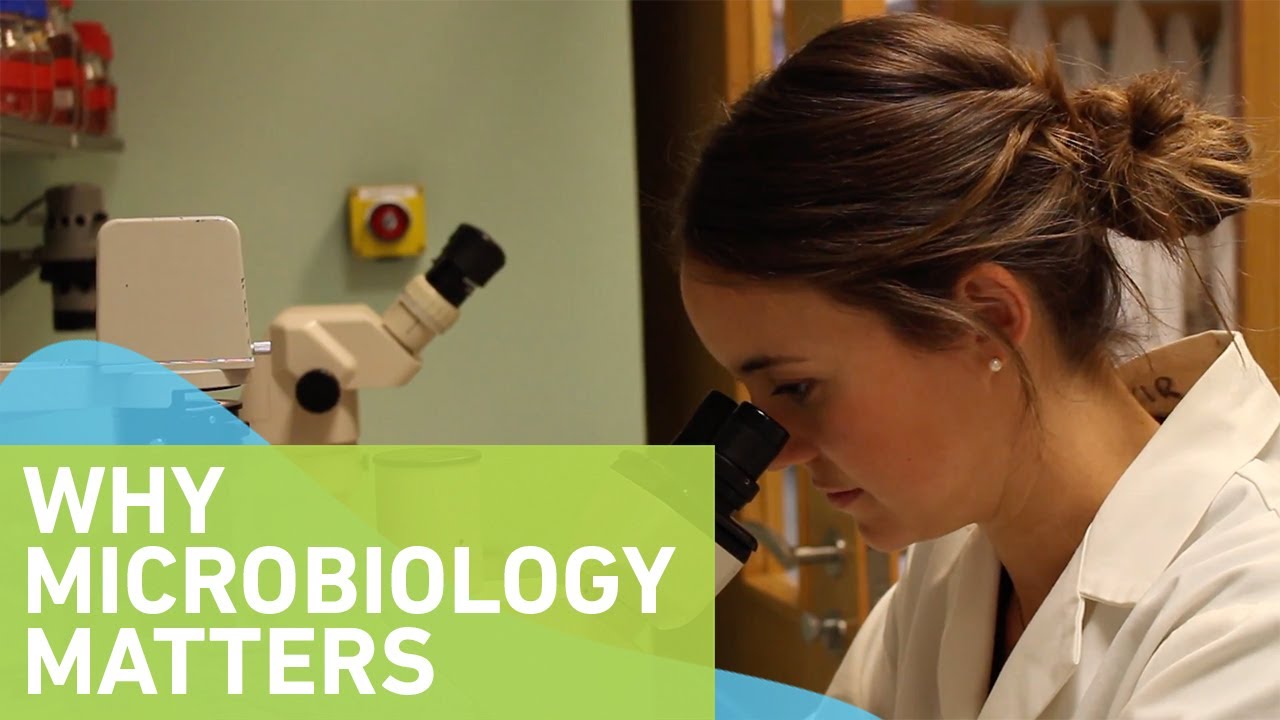
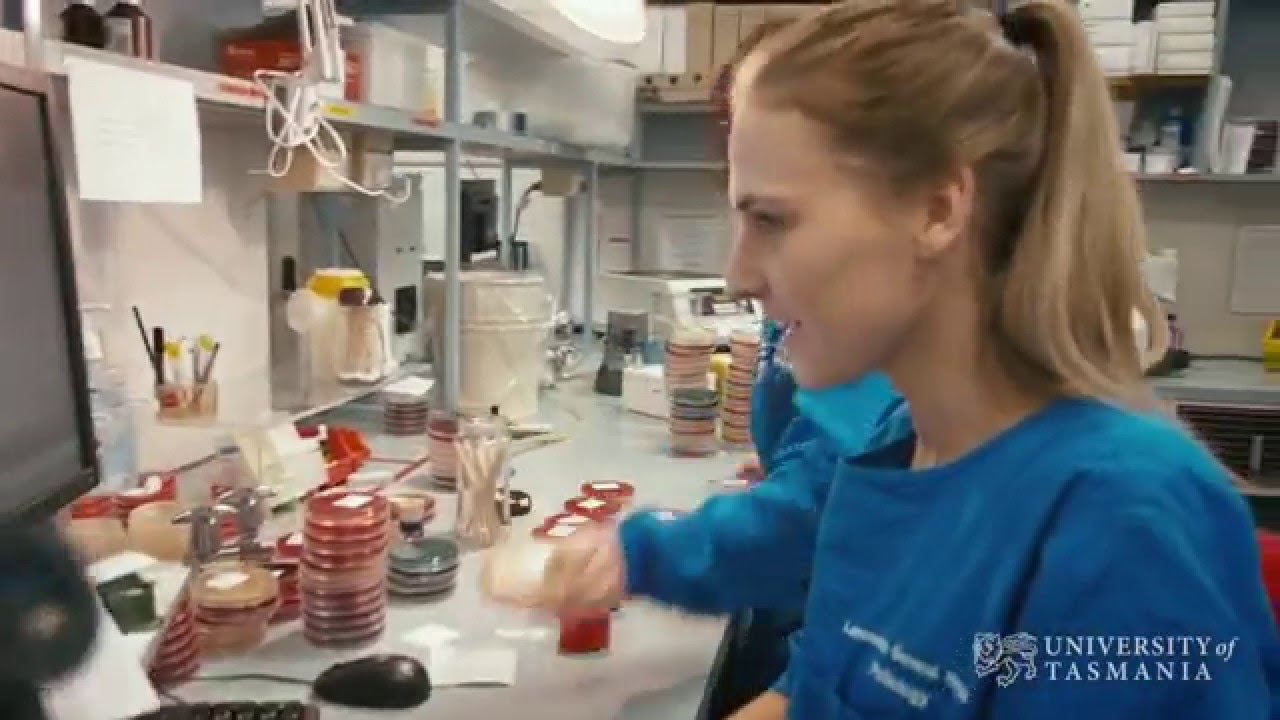
The laboratory component is one of the defining features of this major. In a typical introductory lab, you might identify an unknown bacterium using staining and biochemical tests. In a molecular biology course, you could amplify a DNA sequence and analyze the result. In environmental microbiology, you may compare microbial populations in soil or water samples.
Lab classes often require more time than the scheduled period. You may need to prepare before class, complete observations later, calculate results, clean equipment, and write a report. A two-hour lab can easily become a three- or four-hour commitment during demanding weeks.
Research experience can make a major difference. Look for opportunities through:
- Faculty research laboratories
- Summer research programs
- Independent study or honors theses
- Campus biotechnology or public health projects
- Internships with hospitals, food companies, environmental firms, or government laboratories
- Undergraduate conferences and poster presentations
Research helps you discover whether you enjoy the day-to-day reality of science, which includes troubleshooting and waiting for results, not just exciting breakthroughs. It also strengthens applications for graduate school and can help you earn recommendations from professors.
The workload is usually steady rather than dominated by one subject. You may have several science courses with separate exams and reports in the same semester. Time management is essential. Keeping a weekly schedule, starting reports early, and attending office hours can prevent small misunderstandings from becoming major problems.
Before enrolling, ask whether your college provides modern equipment, adequate lab sections, undergraduate research funding, and career placement support. Those resources can be as important as the course title.
Job Opportunities For Microbiology Majors
Job opportunities for microbiology majors exist across laboratory science, healthcare, manufacturing, food production, environmental services, research, and public agencies. Your first position will depend on your skills, internship experience, location, and whether you have specialized credentials.
Common entry-level roles include:
- Laboratory technician: Performs routine testing, prepares samples, maintains equipment, and records results.
- Research assistant: Supports experiments in academic, pharmaceutical, biotechnology, or medical laboratories.
- Quality control analyst: Tests products or materials against specifications and investigates deviations.
- Quality assurance associate: Helps maintain documentation, procedures, audits, and regulatory compliance.
- Clinical laboratory assistant or technician: Processes patient specimens, although specific clinical roles may require an approved program, certification, or state license.
- Food or beverage microbiology technician: Monitors contamination, sanitation, fermentation, and product safety.
- Environmental microbiology technician: Tests water, soil, wastewater, or industrial samples.
- Public health laboratory worker: Supports surveillance and testing for infectious diseases and environmental hazards.
- Technical sales or support specialist: Explains laboratory products and instruments to customers.
The U.S. Bureau of Labor Statistics microbiologists profile identifies microbiologists as scientists who investigate microorganisms, and it notes that many roles require at least a bachelor's degree while advanced positions may require graduate education. BLS also reports employment and wage data for broader categories such as biological technicians, whose duties can overlap with entry-level microbiology work.
Your strategy should match your target role. For clinical work, verify certification and licensing requirements before selecting courses. For pharmaceutical or biotechnology jobs, emphasize molecular biology, cell culture, data analysis, and regulated laboratory practices. For public health, consider epidemiology, statistics, and an internship with a health department.
A bachelor's degree can open the door, but practical experience often determines whether you receive an interview.
Expected Starting Salary In The US For Microbiology Majors
The expected starting salary in the US for microbiology majors varies substantially. A new graduate working as a laboratory technician, biological technician, quality control analyst, or research assistant may earn roughly $40,000 to $65,000 per year, depending on the employer and region. Some roles begin below that range, while biotechnology, pharmaceutical, and specialized quality positions may offer more.
That estimate is a planning range, not a guaranteed salary. The BLS reports occupation-level wages rather than a single universal "microbiology major salary," and its figures can include workers with different education levels and experience. For current benchmarks, compare your offer with the BLS biological technicians wage data, the BLS microbiologists wage data, and job postings in the city where you plan to work.
| Career direction | Typical early-career considerations |
|---|---|
| Academic research assistant | Often modest pay: graduate school may be expected for advancement |
| Quality control laboratory | Can provide a stable entry point into food, medical, or pharmaceutical manufacturing |
| Biotechnology technician | Pay may be stronger in major industry hubs, especially with molecular skills |
| Public health laboratory | Salary and hiring depend heavily on state or local government budgets |
| Clinical laboratory pathway | Certification or licensure may affect eligibility and pay |
| Technical sales or support | Communication skills may create higher earning potential than bench work |
Location is a major factor. Jobs near biotechnology clusters, pharmaceutical manufacturers, major hospitals, and research universities may pay more but also carry higher living costs. Your salary can increase with experience, specialized methods, regulatory knowledge, supervisory responsibility, or a graduate degree.
When comparing offers, look beyond the headline number. Consider health insurance, retirement contributions, tuition assistance, overtime, shift differentials, relocation costs, and opportunities to learn valuable techniques. A slightly lower first salary may be worthwhile if the job provides recognized training and a clear promotion path.
Pros And Cons Of A Microbiology Major
Microbiology offers meaningful work and scientific variety, but it isn't the ideal major for every student. Weigh the trade-offs before committing.
Pros
- You gain practical laboratory experience. This can make your education more concrete and improve employability.
- The subject connects to urgent issues. Infectious disease, antibiotic resistance, food safety, and environmental change all involve microbiology.
- You have several industries to explore. Healthcare, biotechnology, agriculture, food, government, and environmental services can all use microbiology skills.
- It supports professional school. The coursework can overlap with prerequisites for medicine, dentistry, veterinary medicine, pharmacy, and public health.
- You can specialize over time. Electives, internships, and research let you move toward molecular, clinical, environmental, or industrial work.
- The work can feel consequential. Your testing may support safer products, better diagnostics, or improved disease surveillance.
Cons
- A bachelor's degree may be only the beginning. Independent research and advanced scientific positions often require graduate education.
- Entry-level work can be repetitive. Routine testing, cleaning, documentation, and quality checks are part of many laboratory roles.
- Lab mistakes have consequences. You need patience and consistency, not just curiosity.
- The job market is geographically uneven. Some regions have far more laboratory positions than others.
- Salary growth may take time. Higher compensation often comes with experience, specialization, management, or additional credentials.
- The coursework is demanding. Chemistry, statistics, genetics, and laboratory reports can create a heavy semester.
The major is most valuable when you use it intentionally. An internship, research placement, certification, or carefully selected minor can turn a general science degree into a clearer employment story.
Microbiology Compared With Related College Majors
Microbiology overlaps with several majors, but the differences affect your courses and career options. Compare curricula, not just program names, before deciding.
| Major | Main focus | Often a good fit if you want to… |
|---|---|---|
| Microbiology | Microorganisms, infection, microbial genetics, and laboratory methods | Study bacteria, viruses, fungi, and microbes in applied or research settings |
| General biology | Broad study of living systems, from cells to ecosystems | Keep your options open across biology and natural science |
| Biochemistry | Chemical processes and molecules underlying life | Focus on proteins, metabolism, drug development, or molecular mechanisms |
| Molecular biology | Genes, DNA, RNA, cells, and molecular regulation | Work in genetics, genomics, biotechnology, or biomedical research |
| Medical laboratory science | Diagnostic testing of patient specimens | Pursue a structured clinical laboratory career and potential licensure |
| Biotechnology | Applying biological systems to products and processes | Work in commercial research, manufacturing, or bioprocessing |
| Public health | Population-level health, prevention, and health systems | Study disease patterns, policy, surveillance, or community intervention |
Choose microbiology over general biology when you already know that microorganisms interest you and you want more focused laboratory training. Choose general biology if you want maximum flexibility or may shift toward plants, animals, ecology, or conservation.
Biochemistry and molecular biology can be stronger choices for students drawn primarily to molecular mechanisms, drug development, or computational genomics. Medical laboratory science may be better if your goal is specifically to perform diagnostic testing in a hospital and your state or employer requires a defined clinical pathway.
There is no universally superior major. Employers frequently care about your techniques, internship record, grades in relevant courses, communication ability, and evidence that you understand the work. A microbiology major with weak experience may be less competitive than a biology major with a strong laboratory internship.
Frequently Asked Questions About Microbiology College Major
What subjects will I study in a microbiology college major?
A microbiology major includes courses on bacteria, viruses, fungi, microbial genetics, immunology, physiology, virology, biochemistry, environmental microbiology, and biotechnology, with extensive laboratory work and chemistry courses like organic chemistry.
How much laboratory work is involved in a microbiology degree?
Laboratory work is significant in microbiology, often requiring more lab time than general biology. Expect to practice culturing, microscopy, DNA analysis, staining, and biochemical tests, with labs sometimes demanding additional preparation and reporting outside scheduled hours.
What career options are available for microbiology majors after graduation?
Graduates can work as laboratory technicians, research assistants, quality control analysts, clinical laboratory technicians, environmental microbiology technicians, public health lab workers, or technical sales specialists in healthcare, pharmaceuticals, biotechnology, food safety, and government sectors.
What is the expected starting salary in the US for microbiology graduates?
Starting salaries for microbiology majors in the US generally range from $40,000 to $65,000 per year, varying by job role, employer, location, and experience. Biotechnology and pharmaceutical hubs tend to offer higher pay.
How does microbiology compare to related majors like biology or biochemistry?
Microbiology focuses on microorganisms and lab methods, ideal if you want specialized microbial study. Biology offers broader coverage of living systems. Biochemistry centers on molecular mechanisms. Your choice depends on career goals and interest in microbes versus broader or molecular biology.
Why should I choose a microbiology major over other science majors?
Choose microbiology if you enjoy studying microorganisms at a cellular level and want hands-on lab experience connected to real-world issues like infectious disease, environmental health, and biotechnology. It offers multiple career paths and supports further professional education.