Work Environment
Zoologists and wildlife biologists held about 18,500 jobs in 2020. The largest employers of zoologists and wildlife biologists were as follows:
- State government, excluding education and hospitals - 40%
- Federal government, excluding postal service - 23%
- Management, scientific, and technical consulting services - 9%
- Colleges, universities, and professional schools; state, local, and private - 6%
- Research and development in the physical, engineering, and life sciences - 4%
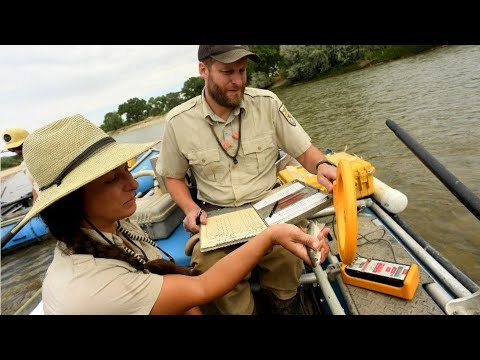
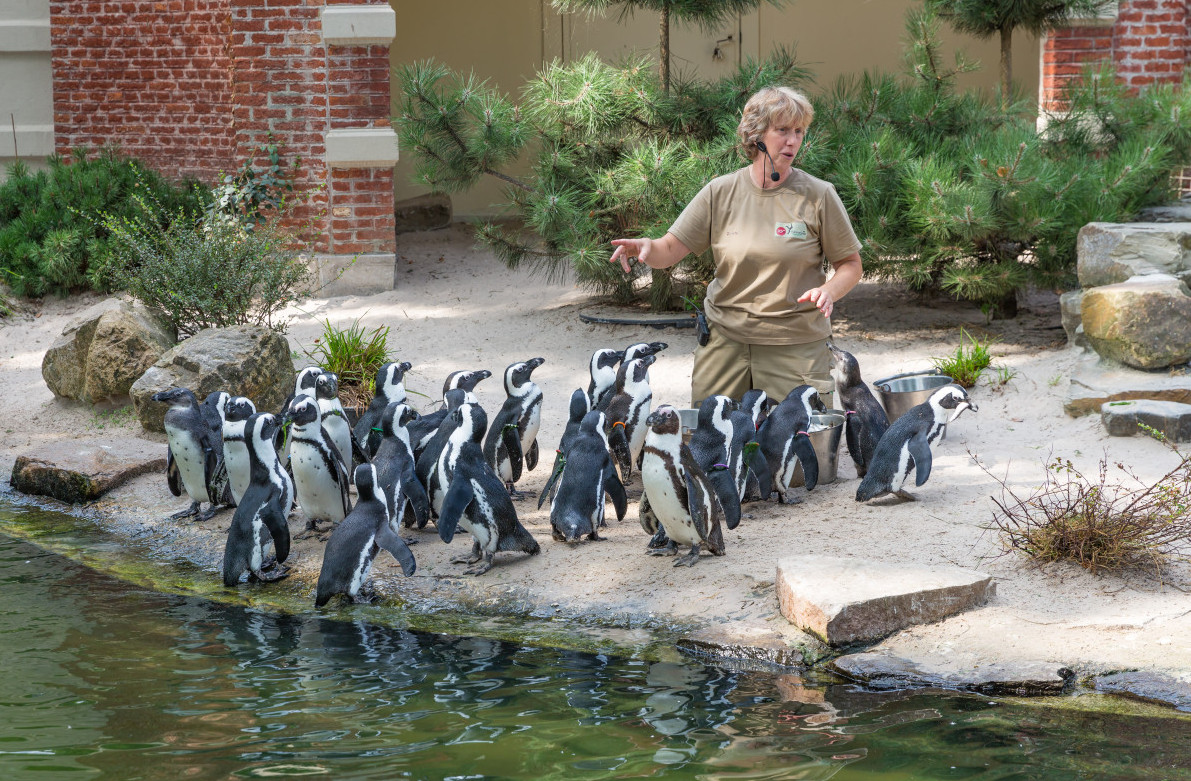
Zoologists and wildlife biologists work in offices, laboratories, and outdoors. Depending on their job and interests, they may spend considerable time in the field gathering data and studying animals in their natural habitats. Other zoologists and wildlife biologists may spend very little time in the field.
Fieldwork can require zoologists and wildlife biologists to travel to remote locations anywhere in the world. For example, cetologists studying whale populations may spend months at sea on a research ship. Other zoologists and wildlife biologists may spend significant amounts of time in deserts or remote mountainous and woodland regions. The ability to travel and study nature firsthand is often viewed as a benefit of working in these occupations, but few modern amenities may be available to those who travel in remote areas.
Fieldwork can be physically demanding, and zoologists and wildlife biologists work in both warm and cold climates and in all types of weather. For example, ornithologists who study penguins in Antarctica may need to spend significant amounts of time in cold weather and on ships, which may cause seasickness. In all environments, working as a zoologist or wildlife biologist can be emotionally demanding because interpersonal contact may be limited.
Injuries and Illnesses
Some zoologists and wildlife biologists handle wild animals or spend significant amounts of time outdoors in difficult terrain or in inclement weather. To avoid injury, they should use caution when handling wildlife or working in remote areas.
Work Schedules
Most zoologists and wildlife biologists work full time. They may work long or irregular hours, especially when doing fieldwork. Zoologists and wildlife biologists who work with nocturnal animals may need to work at night at least some of the time.
Job Outlook
Employment of zoologists and wildlife biologists is projected to grow 5 percent from 2020 to 2030, slower than the average for all occupations.
Despite limited employment growth, about 1,700 openings for zoologists and wildlife biologists are projected each year, on average, over the decade. Most of those openings are expected to result from the need to replace workers who transfer to different occupations or exit the labor force, such as to retire.
Employment
Zoologists and wildlife biologists will be needed to study human and wildlife interactions as the human population grows and development impacts wildlife and their natural habitats. However, because most funding comes from governmental agencies, demand for zoologists and wildlife biologists will be limited by budgetary constraints.
As the human population grows and expands into new areas, it will create threats that endanger wildlife. Zoologists and wildlife biologists will be needed to study the impact of disease, habitat loss, pollution, and other factors on wildlife. Many states will continue to employ zoologists and wildlife biologists to manage animal populations for tourism purposes, such as hunting game, sightseeing, and conservation. Zoologists and wildlife biologists will be needed to develop and implement conservation plans that combat threats to animals and protect our natural resources.
Earnings
The median annual wage for zoologists and wildlife biologists was $64,650 in May 2021. The median wage is the wage at which half the workers in an occupation earned more than that amount and half earned less. The lowest 10 percent earned less than $42,420, and the highest 10 percent earned more than $103,900.
In May 2021, the median annual wages for zoologists and wildlife biologists in the top industries in which they worked were as follows:
- Federal government, excluding postal service - $81,890
- Research and development in the physical, engineering, and life sciences - $64,420
- State government, excluding education and hospitals - $63,580
- Management, scientific, and technical consulting services - $61,920
- Colleges, universities, and professional schools; state, local, and private - $61,780
Most zoologists and wildlife biologists work full time. They may work long or irregular hours, especially when doing fieldwork.