Choosing a college major is easier when you understand what your daily academic life, and your eventual career, will actually look like. A zoology college major can sound like a dream degree if you love animals, but it involves much more than observing wildlife or caring for pets. You'll study biology, chemistry, ecology, genetics, anatomy, statistics, and scientific research. You may also spend long days in laboratories or outdoors collecting and analyzing data.
This review examines what you can expect from a zoology degree in the United States, including coursework, workload, career preparation, job opportunities, salary expectations, and alternatives such as biology or wildlife biology. It's designed for potential college students who want an honest picture of the major before applying. You'll also learn how to decide whether zoology fits your interests, academic strengths, financial goals, and plans for graduate or professional school.
Zoology Major At A Glance: Coursework, Skills, And Academic Requirements
A zoology college major is an undergraduate life-science program focused on animals, their biology, behavior, evolution, physiology, and relationships with ecosystems. Most bachelor's degrees require about 120 credits and take four years of full-time study, although requirements vary by college.
You'll usually begin with foundational courses such as general biology, general and organic chemistry, physics, mathematics, and statistics. Upper-level classes may include animal physiology, genetics, evolution, ecology, animal behavior, cell biology, and comparative anatomy. Many programs also include laboratory courses, field methods, internships, independent research, or a senior thesis.
Academic requirements often include:
- A high school background in biology, chemistry, and mathematics.
- Laboratory science courses with substantial hands-on work.
- Quantitative skills for statistics, data interpretation, and research design.
- Strong reading and writing skills for scientific papers and reports.
- Sometimes a minimum grade in prerequisite science courses before you can advance.
The major is science-intensive. You won't need to be a mathematical genius, but you should be prepared to work with graphs, measurements, probability, and scientific models. Your success will depend less on memorizing animal names and more on asking precise questions, evaluating evidence, and explaining what your results mean.
What Do Zoology Majors Study? Core Subjects And Specializations
The subjects you study depend on your college, but most zoology programs combine organism-level science with broader biological principles. Introductory biology gives you the foundation: advanced courses let you focus on particular animals, systems, or environments.
Common core subjects include:
- Animal anatomy and physiology: How animal bodies are structured and how their systems function.
- Evolution and genetics: How traits change across generations and how populations adapt.
- Ecology: How animals interact with other organisms and their physical environment.
- Animal behavior: How behavior develops, supports survival, and changes across species.
- Cell and molecular biology: The cellular processes underlying animal health and function.
- Taxonomy and systematics: How species are identified, classified, and related.
- Biostatistics and research methods: How to design studies and interpret evidence.
Depending on the school, you may choose electives or a concentration in wildlife conservation, marine biology, entomology, animal behavior, environmental science, physiology, or pre-veterinary studies. A marine-focused program might offer courses in fisheries and oceanography, while a conservation-focused program may emphasize habitat management and population monitoring.
That flexibility is valuable, but read course catalogs carefully. Two degrees called "zoology" can prepare you for noticeably different paths. Compare required classes, field opportunities, faculty research, internship connections, and access to animals or natural habitats before choosing a college.
Why Major In Zoology? Key Benefits And Potential Drawbacks
Benefits of a Zoology Degree
Why major in zoology? The strongest reason is that the degree gives you a broad scientific foundation while keeping animals and wildlife at the center of your studies. You can explore many species and environments rather than committing immediately to one narrow specialty.
Other benefits include:
- Meaningful subject matter: You study biodiversity, animal health, conservation, and ecosystems, areas with clear social and environmental importance.
- Transferable science skills: Laboratory technique, statistics, research design, writing, and data analysis apply across biology-related jobs.
- Practical experience: Fieldwork, internships, and undergraduate research can help you build a portfolio before graduation.
- Preparation for advanced education: Zoology can support applications to veterinary, graduate, public health, environmental science, or teaching programs.
- Career flexibility: You can pursue conservation, education, research, animal care, environmental consulting, or government work.
Drawbacks to Consider
The degree doesn't guarantee a job working directly with animals. Entry-level positions can be competitive, and some desirable careers, such as wildlife researcher, professor, veterinarian, or zoo director, typically require a master's, doctorate, veterinary degree, or significant experience.
Pay can also be modest at the beginning, especially in seasonal conservation, animal care, nonprofit, and field technician roles. Fieldwork may involve early mornings, rough terrain, travel, weather exposure, or physically demanding conditions. Finally, you may discover that loving animals isn't enough if you dislike chemistry, statistics, writing, or repetitive data collection. Understanding these trade-offs early can prevent an expensive mismatch.
Academic Experience: Labs, Fieldwork, Research, And Workload
Expect a zoology major to be active and demanding rather than purely lecture-based. In laboratory classes, you may examine specimens, conduct dissections, use microscopes, measure physiological responses, identify organisms, or analyze DNA. These activities require careful documentation and attention to safety, not just curiosity.
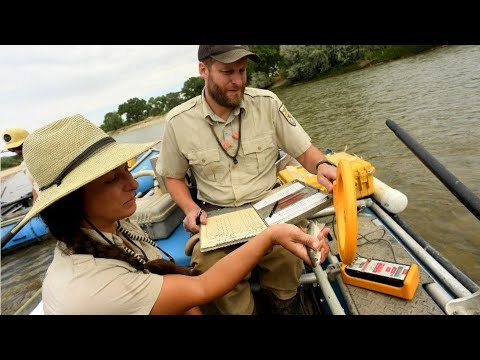
Fieldwork varies by institution. You might survey birds, track mammals, sample water quality, identify insects, monitor habitats, or record animal behavior. A field course can be memorable, but it may also mean carrying equipment, working in uncomfortable weather, and repeating observations until your data are reliable. Animal behavior research, for example, often requires patience more than dramatic encounters with wildlife.
Research opportunities can make a major difference. Working with a professor may teach you how to develop a question, review scientific literature, collect data, use statistical software, and present findings. An internship at a zoo, aquarium, wildlife rehabilitation center, museum, conservation organization, or government agency can connect classroom knowledge to employment.
Your workload typically includes lectures, labs, reading, lab reports, exams, group projects, and independent study. Plan on more than attending class. Good time management matters because science courses often build on one another, and falling behind in chemistry or statistics can affect later work. Ask each college how many required lab hours, field courses, and research placements students typically complete.
Career Preparation: Skills Zoology Majors Develop
A well-designed program prepares you with skills employers can recognize beyond the phrase "animal lover." You should graduate able to observe systematically, collect dependable information, and communicate conclusions clearly.
Important skills include:
- Research design: Turning a broad question into a testable study with appropriate controls and methods.
- Data analysis: Using spreadsheets, statistical tools, geographic information systems, or specialized software to identify patterns.
- Field techniques: Conducting surveys, identifying species, handling samples, recording locations, and following ethical protocols.
- Laboratory techniques: Using equipment, preparing samples, maintaining records, and interpreting experimental results.
- Scientific communication: Writing reports, presenting findings, and explaining technical information to non-specialists.
- Collaboration: Working with researchers, park staff, veterinarians, educators, volunteers, and community groups.
- Professional judgment: Following animal welfare rules, research ethics, workplace safety procedures, and environmental regulations.
You can strengthen your résumé by pairing the degree with a practical specialty. For example, GIS, coding, veterinary assistant training, environmental policy, public education, grant writing, or a second language may distinguish you from other applicants. Keep examples of your work, research posters, data projects, field reports, presentations, or outreach materials, so employers can see what you can do rather than simply reading a list of courses.
Job Opportunities For Zoology Majors In The US
Job Opportunities for Zoology Majors in the United States exist across research, conservation, education, animal care, government, and environmental services. But, your options depend heavily on experience, location, specialization, and education level.
| Career direction | Typical work | Common preparation |
|---|---|---|
| Wildlife or biological technician | Collect field samples, monitor species, maintain equipment, and enter data | Bachelor's degree plus field experience |
| Zookeeper or animal care specialist | Feed animals, clean habitats, monitor behavior, and support enrichment | Bachelor's degree or related training: experience often essential |
| Laboratory technician | Maintain cultures, process samples, and support experiments | Bachelor's degree and laboratory experience |
| Environmental consultant | Conduct surveys, prepare reports, and support regulatory projects | Biology or environmental degree: GIS is useful |
| Conservation educator | Lead programs, interpret science, and work with visitors or communities | Degree plus communication experience |
| Fisheries or wildlife specialist | Monitor populations, habitats, or natural resources | Bachelor's or master's degree, depending on role |
| Veterinary professional | Diagnose and treat animals | Veterinary school after undergraduate study |
| University or research scientist | Lead studies, publish findings, or teach | Usually a master's or doctorate |
Many first jobs are temporary, seasonal, grant-funded, or physically demanding. That isn't necessarily a dead end: it can provide the field hours and professional contacts needed for permanent roles. Search beyond job titles containing "zoologist." Employers may advertise relevant work as wildlife technician, biological science technician, animal care coordinator, conservation associate, or environmental specialist.
Check current occupational data from the U.S. Bureau of Labor Statistics, state wildlife agencies, zoos, museums, universities, and conservation organizations when researching local demand.
Expected Starting Salary In The US For Zoology Majors
The Expected starting Salary in the US for Zoology Majors varies widely, so one national number can be misleading. A recent graduate working as a seasonal wildlife technician may earn much less than someone entering a laboratory, environmental consulting firm, or federal agency. Location, overtime, benefits, technical skills, and prior internships also matter.
As a practical planning range, many bachelor's-level entry roles may fall roughly between $35,000 and $55,000 per year, with some seasonal positions paid hourly and offering limited benefits. Laboratory, consulting, and government roles in high-cost metropolitan areas may start higher: nonprofit, animal-care, and short-term field positions may start lower. These are planning estimates, not a promise or a substitute for current local job postings.
Salary tends to improve when you develop scarce skills or earn advanced credentials. GIS, database management, statistical programming, regulatory compliance, laboratory methods, and project coordination can increase your value. A master's degree may be helpful for specialized research or supervisory work, while a doctorate is generally expected for independent academic research. Veterinary careers follow an entirely different education and salary path because they require professional school.
Before enrolling, compare the degree's total cost with realistic early-career earnings. Look at graduation rates, internship access, alumni outcomes, and whether students commonly continue to graduate school. A zoology major can be financially sensible when you control debt and build experience, but borrowing heavily for a degree without a career plan is risky.
Zoology Compared With Biology, Wildlife Biology, And Veterinary Science
Zoology overlaps with several majors, but the emphasis and next steps differ.
| Major | Main emphasis | Often a good fit if you want to… |
|---|---|---|
| Zoology | Animal biology, physiology, behavior, evolution, and ecology | Study animals broadly and keep several biological paths open |
| Biology | Life science across animals, plants, cells, and molecules | Maintain the broadest foundation for research, health, or science careers |
| Wildlife biology | Wild species, habitats, conservation, and population management | Work outdoors with ecosystems, public lands, and conservation programs |
| Veterinary science or pre-veterinary studies | Animal health, disease, diagnosis, and treatment preparation | Become a veterinarian or pursue animal-health research |
Choose zoology when animals are central to your academic interests and you want a broad organismal science degree. Choose wildlife biology if your priority is managing wild populations and habitats: the programs may include more conservation policy, forestry, natural resource management, or field ecology. Choose general biology if you want maximum flexibility or are considering cell biology, biotechnology, medicine, or other laboratory careers.
Veterinary medicine is not the same as zoology. A zoology degree can satisfy prerequisites for veterinary school, but it does not qualify you to diagnose, prescribe, or treat animals. Compare required prerequisites at the professional schools you may apply to, because some expect particular chemistry, physics, biology, or genetics courses.
Who Should And Shouldn’t Choose A Zoology Major?
Zoology May Be Right for You If…
You're curious about how animals function, evolve, behave, and interact with their environments. You're willing to study chemistry and statistics even when the material is difficult. You enjoy careful observation and don't mind that field research can involve mud, insects, repetition, and waiting. You also understand that meaningful animal-related work may require internships, relocation, or graduate school.
The major is especially promising if you already have a direction, such as wildlife conservation, animal behavior, marine science, veterinary medicine, or research, but want room to refine it. You don't need a complete career plan at age 18. You do need a willingness to test your interests through volunteering, job shadowing, and campus research.
You May Want Another Major If…
You want guaranteed daily contact with animals, dislike laboratory science, or expect the degree alone to lead directly to a high-paying position. You may prefer environmental engineering, data science, nursing, education, veterinary technology, or a specialized conservation program depending on your goals.
Before deciding, ask yourself:
- Which animals or scientific questions interest you beyond their appearance or popularity?
- Can you manage several years of science courses and possibly graduate school?
- What experience can you gain during college, research, internships, volunteering, GIS, or animal care?
- How much student debt would be reasonable for the expected entry-level income?
- Which employers and graduate programs hire graduates from your target college?
Those answers are more useful than choosing a major because its name sounds appealing.
Frequently Asked Questions About Zoology College Major
What subjects do I study in a zoology college major?
In a zoology major, you study biology, chemistry, ecology, genetics, anatomy, statistics, animal behavior, evolution, and scientific research, often with labs and fieldwork to gain hands-on experience.
What career opportunities are available for zoology graduates?
Zoology graduates can work as wildlife technicians, zookeepers, laboratory techs, environmental consultants, conservation educators, or pursue advanced degrees for research, veterinary, or academic careers.
How much can I expect to earn starting with a zoology degree in the US?
Starting salaries range widely, typically between $35,000 and $55,000 annually, depending on the role, location, and experience, with government or lab jobs often paying more than seasonal conservation work.
How does zoology differ from biology, wildlife biology, and veterinary science majors?
Zoology focuses on animal biology and behavior broadly; biology covers all life sciences; wildlife biology emphasizes conservation and habitat management; veterinary science prepares for animal health diagnosis and treatment.
Is zoology a good major if I want to work directly with animals daily?
Not necessarily; while zoology involves studying animals scientifically, direct daily contact with animals often requires specialized roles or advanced training beyond the degree, such as veterinary or animal care specialties.