

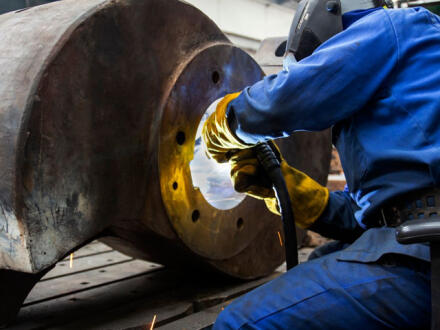
Welding training is expensive, but the price is often lower than students expect once they stack grants, scholarships, paid training, and school aid. In California, community college tuition can run about $46 per unit for in-state students at public two-year colleges, while private trade programs can cost several thousand dollars more depending on lab hours, equipment fees, and certification prep. That gap is exactly why California welding scholarships matter.
Students usually picture one big award that covers everything. In real life, funding often comes from several smaller sources. A student might combine a chapter scholarship, a school foundation grant, a tool stipend, and a part-time apprenticeship paycheck. That mix can cover tuition, PPE, welding jackets, hoods, gas, travel, and AWS exam fees.
This guide breaks the search into 7 practical funding paths. It covers California Welding Scholarships for High School Students, options for community college applicants, awards for engineering and manufacturing majors, industry association funding, and local programs that students miss because they only search national databases. The goal is simple: help students find money faster, apply earlier, and avoid paying out of pocket when they don't have to.
1. Statewide Skilled Trade Scholarships That Support Welding Students In California
Some of the best California welding scholarships are not labeled "welding only." They sit inside broader skilled trades, career technical education, or construction pathway programs. That matters because students who limit their search to the word "welding" often miss money that still applies to welding certificates, fabrication programs, and related training.
Statewide funds can come from private foundations, trade associations, and scholarship platforms that collect opportunities in one place. On a broad search page for trade-focused awards, students can often spot programs tied to construction, manufacturing, metals, and industrial technology. Those categories matter because California employs more than 500,000 people in manufacturing, according to state labor market reporting, and welding skills feed directly into that pipeline.
A strong statewide search should include:
- Welding technology certificates
- Metal fabrication programs
- Industrial maintenance tracks
- Community college CTE pathways
- Pre-apprenticeship training
Students should also watch for scholarships linked to contractors and trade careers. For example, the future contractors award fits students aiming at construction and field-based technical work, which can include structural welding and site fabrication.
The big advantage here is scale. A statewide scholarship may pull applicants from many schools, but it also tends to offer larger awards, clearer rules, and recurring annual cycles.
How To Check Residency, Program, And Enrollment Requirements
Before applying, students should verify three basics: residency, program match, and enrollment status. Missing one detail can waste hours.
Residency rules can be strict. Some awards require California residency, while others accept students attending a California school even if they recently moved. Community colleges often use in-state residency standards for tuition, and scholarship committees may copy those same rules.
Program match is the next filter. A welding applicant may qualify if the official major says welding technology, manufacturing technology, construction technology, or mechanical engineering with a fabrication focus. If the title looks close, students should email and ask.
Enrollment status matters too. Committees may require:
- Full-time enrollment
- At least 6 units at a community college
- Admission to a certificate or degree pathway
- Start date within the upcoming term
A simple spreadsheet works well. Students can track the award name, amount, deadline, transcript need, FAFSA status, and whether tools or tuition count as eligible costs. That one habit can cut application mistakes fast.
2. California Welding Scholarships For High School Students Planning Trade School Or College
California Welding Scholarships for High School Students often reward planning more than perfect grades. Many committees want proof that a student has chosen a trade path, joined a shop class, entered a skills competition, or lined up a postsecondary program. A senior with a 3.0 GPA, two welding projects, and a clear goal can beat a student with better grades but no trade direction.
High school applicants should search local chapter awards, school counseling offices, and national welding scholarships that allow seniors to apply before graduation. The Air Products women in welding award is a good example of a focused opportunity that can fit students entering the field early. Students should also ask about district CTE grants, because many school systems receive career pathway support that never shows up on public scholarship roundups.
Concrete proof helps. Useful evidence includes:
- Welding class completion
- OSHA-10 or shop safety training
- FFA or SkillsUSA participation
- Instructor recommendation letters
- Photos of shop builds or fabrication work
A practical example: a senior who fabricated a small trailer gate, logged 72 classroom shop hours, and wrote a short essay about pipe welding goals will look more compelling than someone who says only, "I like working with my hands." Specifics win.
Best Time To Apply During Junior And Senior Year
The best time to start is spring of junior year. That gives students time to build a resume, request letters, and gather transcripts before fall deadlines stack up.
A workable calendar looks like this:
- Junior spring: build scholarship list, ask welding instructor for feedback
- Summer: write a base essay and collect project photos
- Senior fall: apply to school-specific and chapter scholarships
- Senior winter to spring: file FAFSA or California aid forms and submit late-cycle awards
Timing matters because some trade scholarships close months before classes start. A student who waits until graduation week may miss half the field. In many counseling offices, scholarship traffic spikes in the final 6 to 8 weeks before deadlines, which means letters and transcripts get delayed.
Students should also line up a postsecondary destination early. Schools such as Fab School promote hands-on training in welding and fabrication, and having an actual target program makes applications much stronger. Committees like to fund a plan, not just an idea.
3. California Welding Scholarships For College And First-Year Students
California Welding Scholarships for College students often open up after admission, which is good news for students who missed senior-year deadlines. First-year applicants can target department awards, donor-funded technical scholarships, and industry programs that support students already enrolled in a welding or related pathway.
This group includes California Welding Scholarships for first-year students at community colleges, trade schools, and technical institutes. Many of these awards care less about test scores and more about attendance, instructor input, and whether the student is progressing toward certifications such as SMAW, FCAW, GTAW, or pipe welding credentials.
A solid place to search is the national welding awards page, where students can find options connected to training costs and career goals. Students entering industrial programs may also fit adjacent awards such as the technical memorial scholarship, especially when coursework overlaps with mechanics, fabrication, or equipment work.
Numbers matter in applications. A first-term student can strengthen a file by listing:
- 12 enrolled units
- 95% lab attendance
- 2 instructor references
- 1 completed welding coupon test set
That level of detail shows momentum.
Common Selection Criteria For New Postsecondary Applicants
Most committees for new postsecondary applicants score the same core areas, even if they use different wording.
Common selection criteria include:
- Financial need
- Program commitment
- Instructor or employer recommendation
- Academic readiness
- Career goals in welding or manufacturing
Financial need usually means the committee wants to know what gap remains after grants. For a community college student, that gap may be small in tuition but big in equipment. A helmet can cost $120 to $400, gloves and jackets add more, and certification testing can push the total much higher.
Program commitment is often judged through attendance and completion. If a student finishes the first welding course with strong lab participation, that creates a simple story: they started, they stayed, and they're moving forward. That story is easier to fund.
4. California Welding Scholarships For University Students In Engineering, Manufacturing, And Related Fields
California Welding Scholarships for University students are less common under that exact label, but they do exist through engineering, materials, manufacturing, and metal-industry channels. A student studying mechanical engineering, welding engineering technology, industrial design, metallurgy, or manufacturing systems may still qualify if the project work or career goal clearly connects to welding.
University students should look beyond the welding shop and into departments that support fabrication-heavy work. A student designing load-bearing steel structures, researching heat-affected zones, or working in a manufacturing lab is already speaking the language scholarship committees understand.
The engineering scholarship listing fits students whose welding interest blends with design and infrastructure. Campus aid offices also matter. At large universities, aid pages such as UCLA financial aid show how institutional scholarships, grants, work-study, and emergency aid can fill gaps that outside awards do not cover.
A strong university application should include concrete proof such as:
- Senior design work involving welded assemblies
- Materials lab research hours
- CAD and fabrication project files
- Internship experience in aerospace, shipbuilding, or manufacturing
One useful example: a mechanical engineering student who built a welded Baja frame and documented weld selection, filler material, and stress points has a far stronger case than a student who lists only "interest in manufacturing." Detail shows fit.
Students should also search steel, metals, and industrial workforce scholarships. The closer the academic work sits to real fabrication, the easier it is to justify the ask.
5. California Welding Association Scholarships And Other Industry Group Awards
California Welding Association Scholarships and chapter-based awards are often the best mix of realistic odds and strong relevance. Industry groups fund students because they need trained workers. That means applications that show actual shop commitment can stand out quickly.
The American Welding Society network is especially important. Students in California should search national AWS awards plus local chapter options. The San Francisco chapter award and the Southern California chapter award are examples of regional funding paths that students often miss when they search only broad scholarship sites.
Why do these awards work so well? Because the reviewers usually understand the field. They know the difference between classroom interest and real lab effort. If a student explains that they passed a bend test, practiced vertical plate welds for 18 lab hours, or want to move into pipe or aerospace work, that lands better with an industry committee than with a general donor panel.
Industry groups may also value:
- AWS student chapter involvement
- Competition results
- Safety habits
- Career goals in fabrication, inspection, or welding education
Organizations Worth Checking For Welding And Metalworking Aid
Students should cast a wider net than one association. Welding funding often overlaps with steel, fabrication, gas products, manufacturing, and technical workforce groups.
Organizations worth checking include:
- AWS national and local chapters
- Metals and steel foundations
- Women-in-trades scholarship sponsors
- Community college foundations with manufacturing donors
- Technical societies tied to engineering or construction
The JFLF welding awards can fit students focused on arc welding education. The steel internship award is also useful for students whose path crosses steel production, processing, or plant work.
A practical rule helps here: if an organization makes money from metal, fabrication, industrial gases, infrastructure, or plant operations, it may fund future welders. Students who search by industry first, not by scholarship label, usually find more money.
6. Apprenticeship, Union, And Employer-Sponsored Welding Funding In California
Scholarships are only one lane. In California, paid training through apprenticeships, unions, and employers can beat a small scholarship because the student earns while learning. For many welding students, that income is what keeps them enrolled.
Apprenticeship-style funding can include hourly pay, covered instruction, reduced tuition, tool help, and access to benefits. Some welding-adjacent jobs start with fabrication, fitting, or maintenance and then move workers into stronger welding roles once they prove they can show up and learn. That progression matters because a student earning $20 per hour for 20 hours per week brings in about $400 weekly before taxes, which can outpace a one-time small award fast.
Employer-sponsored training can also come through technical schools. Programs at places like ETI School of Skilled Trades and Elite Welding Academy show how hands-on instruction lines up with job-ready welding skills, and students can ask each school about employer partnerships, payment plans, and sponsored cohorts.
Good questions for any employer or union contact include:
- Do they pay for welding tests?
- Are tools included?
- Is classroom time paid?
- What happens after probation?
- Is there a path to pipe, structural, or specialty work?
How To Pair Paid Training With Scholarship Support
The smartest move is often to stack both. A student can use wages for living costs and save scholarship money for tuition, certifications, and gear.
A workable pairing looks like this:
- Scholarship funds: tuition, books, PPE, exam fees
- Job income: gas, food, rent, transit, phone bill
- School aid: emergency grants or fee waivers
This approach lowers the chance that one surprise bill knocks a student out of training. A broken car tire, a $185 certification fee, or a $140 auto-darkening helmet repair can derail a thin budget.
Students should ask financial aid offices whether outside scholarships reduce unmet need first or replace existing grants. The answer changes the real value of an award. The best setup is simple: paid training covers the week-to-week costs, and scholarship support cuts the long-term debt.
7. Local Community, School-Based, And Regional Scholarship Opportunities Across California
Local money is easy to overlook, but it often has the best odds. A regional scholarship may get 25 applicants instead of 250, especially when it is tied to one county, one community college district, one union local, or one employer foundation.
Students should start with their own school. Community college foundations, adult education centers, and regional occupational programs often have small awards for CTE students. A $500 tool grant may not sound huge, but it can cover gloves, leathers, boots, clamps, and a hood. That is real relief.
Good local sources include:
- Community college foundation offices
- High school career centers
- County workforce boards
- Rotary and local service clubs
- Chambers of commerce and contractor groups
- Credit union and utility scholarships
Students dealing with family hardship should also look at broader California awards not limited to welding. The Kids' Chance listing and the Anchor Scholarship listing show how life circumstance awards can support technical students too.
One more practical angle: regional schools often know local employers better than national programs do. A student in the Central Valley may hear about a fabrication shop tool stipend from an instructor before it appears online. A student near shipbuilding or aerospace hubs may find donor money tied to local labor demand. That kind of word-of-mouth funding is very real, and it often closes fast.
California Welding Scholarships - Frequently Asked Questions
What types of scholarships are available for welding students in California?
California offers a variety of welding scholarships including statewide skilled trade scholarships, awards for high school and college students, industry association scholarships like those from the American Welding Society, and local community or union-sponsored funding.
How can high school students in California qualify for welding scholarships?
High school students should demonstrate commitment to welding through completed shop classes, skills competitions, safety training, and a clear postsecondary plan. Early preparation during junior year improves chances by allowing time to build credentials and gather recommendations.
Can university engineering students receive welding-related scholarships in California?
Yes, university students studying mechanical engineering or related fields with welding-focused projects or research can qualify for scholarships that support fabrication work, materials lab research, or manufacturing internships.
What are the benefits of industry association scholarships for welding students?
Industry scholarships, especially from the American Welding Society and its California chapters, offer targeted funding to students showing real lab effort, attendance, and welding skills. These awards often have better selection odds because reviewers understand the field's requirements.
How do apprenticeships and employer-sponsored programs support California welding students financially?
Apprenticeships and employer programs provide paid training, covering wages, tuition, and sometimes tools and certifications. Combining wage income with scholarships can cover living expenses and reduce student debt for welding trainees.
What should welding students in California consider when applying for scholarships?
Students should verify residency, program eligibility, and enrollment status before applying. Keeping organized records of deadlines, requirements, and award details can prevent mistakes and help assemble stronger applications.







