Cars are no longer just mechanical machines. Today's vehicles combine electric powertrains, software, sensors, artificial intelligence, advanced materials, and increasingly automated driving systems. That shift makes an automotive engineering college major more exciting, and more demanding, than the traditional image of designing engines and suspensions suggests.
If you're considering this degree, you probably want practical answers: What will you study? How difficult is the workload? What jobs can you get? Is the expected salary high enough to justify the cost of college? And would mechanical, electrical, or computer engineering give you more flexibility?
This review examines the automotive engineering major from a prospective student's perspective. It covers curriculum, laboratories, accreditation, career paths, salary expectations, benefits, drawbacks, and alternatives. Salary figures are estimates that vary by location, employer, experience, and degree level. Likewise, program quality depends heavily on the specific college, not just the major's name.
The short version: automotive engineering can be an excellent choice if you enjoy physics, mathematics, design, and hands-on problem-solving. But you should choose your program carefully and understand that the strongest careers increasingly require skills in electronics, software, data, and electrification.
Automotive Engineering Major At A Glance
An automotive engineering major prepares you to design, test, manufacture, and improve vehicles and their systems. Depending on the college, the program may be offered as a dedicated bachelor's degree, a concentration within mechanical engineering, or an automotive-focused engineering technology degree.
You'll typically study:
- Engineering mathematics and physics: Calculus, differential equations, statistics, and mechanics form the technical foundation.
- Vehicle systems: Engines, electric motors, transmissions, braking, steering, suspension, and thermal management.
- Design and analysis: Computer-aided design (CAD), simulation, materials, manufacturing, and finite-element analysis.
- Controls and electronics: Sensors, embedded systems, vehicle networks, batteries, and control algorithms.
- Professional practice: Safety, sustainability, ethics, project management, communication, and teamwork.
Most bachelor's programs take four years of full-time study. A co-op or internship can extend that timeline while giving you valuable industry experience. You may also need to complete a senior design project involving a vehicle, subsystem, racing team, autonomous platform, or electric drivetrain.
The major is best understood as a multidisciplinary engineering degree. You won't spend four years only rebuilding engines. Instead, you'll learn how multiple systems interact. A battery affects vehicle weight: weight affects suspension and range: software affects energy use and safety. That systems-thinking perspective is central to modern automotive work.
Program names matter less than the curriculum, facilities, industry relationships, and accreditation. Before applying, compare required courses rather than relying on marketing language.
What Do Automotive Engineering Students Study?
Your first year or two will usually look similar to other engineering programs. Expect calculus, physics, chemistry, programming, engineering graphics, and introductory design. These courses can feel abstract at first, but they give you the tools to model real vehicle behavior.
Later coursework becomes more specialized. Common subjects include:
Core technical subjects
- Fluid mechanics and thermodynamics
- Dynamics and vibration
- Materials science
- Manufacturing processes
- Electrical circuits and electronics
- Control systems
- CAD and 3D modeling
- Vehicle dynamics
- Internal combustion engines and electric machines
- Battery systems and power electronics
- Automotive safety and emissions
The exact balance depends on the program. A traditional automotive curriculum may emphasize engines, drivetrains, and vehicle testing. A newer program may devote more time to electric vehicles, autonomous systems, cybersecurity, machine learning, and embedded software.
You should look for opportunities to choose electives. Useful options include robotics, mechatronics, computer programming, data analysis, renewable energy, artificial intelligence, and business. These subjects can make you more employable because employers increasingly want engineers who can communicate across mechanical, electrical, and software teams.
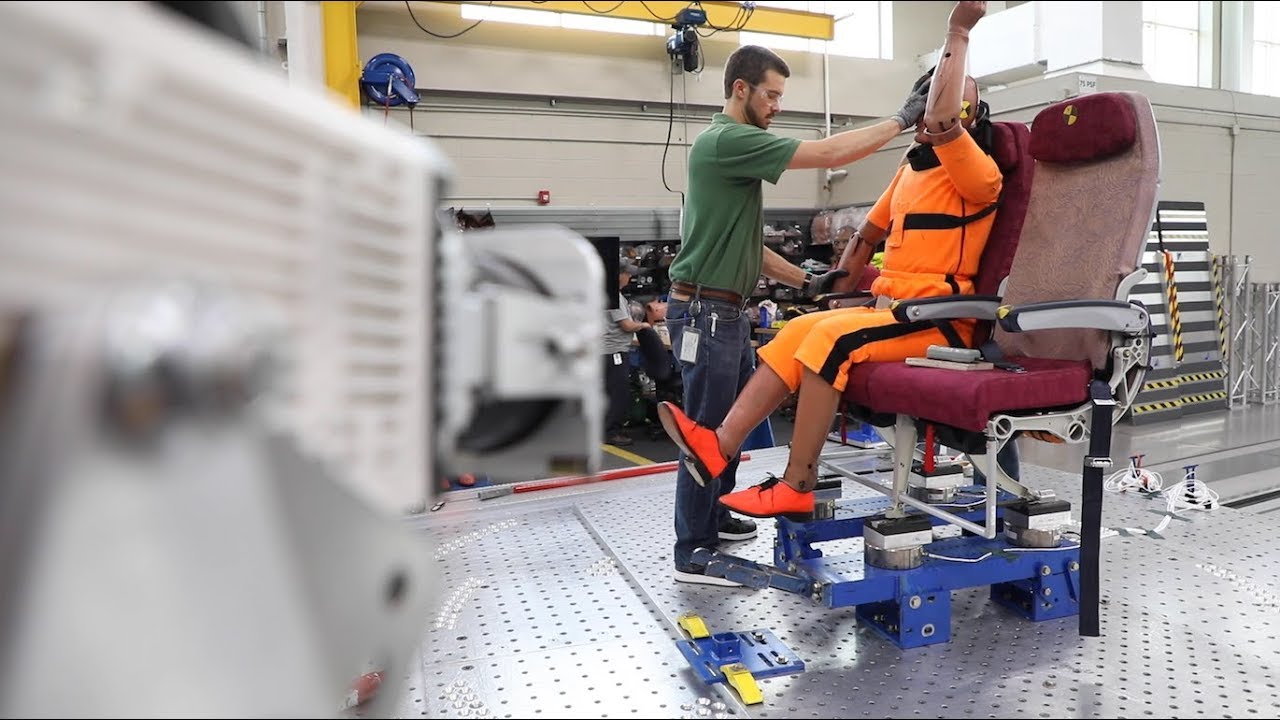
Laboratory classes turn equations into measurable results. You might test an engine dynamometer, tune a suspension, analyze a battery pack, build a controller, or use sensors to measure acceleration and braking. Good programs also teach you to interpret imperfect data. Real vehicles produce noise, variation, and unexpected failures: clean textbook answers are rare in an actual workshop.
How Automotive Engineering Programs Are Evaluated
Choosing the right school may matter more than choosing the major's title. Use a practical evaluation checklist before you submit applications.
1. Accreditation and academic quality
In the United States, ABET accreditation is an important quality signal for engineering programs. It indicates that the curriculum, faculty, facilities, student outcomes, and continuous-improvement processes meet established standards. Accreditation can also make it easier to pursue professional engineering licensure later, although automotive design roles do not always require a PE license.
2. Curriculum relevance
Read the course catalog. Does the program include electric vehicles, batteries, controls, embedded systems, software, and data? An engine-focused program can still be valuable, but a curriculum that ignores electrification may leave you needing additional training after graduation.
3. Facilities and project access
Look for vehicle labs, wind tunnels, dynamometers, battery testing equipment, machine shops, rapid prototyping tools, and computing resources. Ask whether undergraduates can use them or whether access is mainly reserved for graduate research.
4. Industry connections
Co-ops, internships, sponsored projects, career fairs, and alumni networks can significantly improve your transition into employment. A school near automotive manufacturers, suppliers, motorsport organizations, or mobility startups may offer more local opportunities, but location isn't everything.
5. Outcomes and affordability
Ask for graduation rates, internship participation, employment data, graduate-school enrollment, typical employers, and licensure outcomes. Compare total cost, not just tuition, with scholarships, housing, transportation, and lost income during unpaid placements. Purdue's engineering college, for example, presents a broad engineering ecosystem that can support cross-disciplinary study and specialization (engineering programs at Purdue).
A flashy vehicle in a brochure is not evidence of a strong program. Faculty access, current equipment, and successful student projects are more meaningful indicators.
Academic Workload, Labs, And Hands-On Experience
Automotive engineering is not an easy major, particularly during the first two years. You'll often take several demanding technical courses at once. A week might include calculus problem sets, physics labs, CAD assignments, programming exercises, and team meetings for a design project.
The workload is manageable if you build consistent habits. Waiting until the night before to understand a differential equation or finish a design report usually ends badly. Study groups, tutoring, office hours, and scheduled lab time can make a major difference.
Hands-on experience is one of the major advantages of this field. Student teams may compete in Formula SAE, Baja SAE, electric vehicle challenges, robotics competitions, or autonomous racing events. These projects teach lessons that lectures can't fully provide:
- Parts don't always fit as expected.
- Manufacturing tolerances affect performance.
- A brilliant design can fail if it costs too much or takes too long to build.
- Documentation and communication matter when teammates change.
- Safety is a design requirement, not an afterthought.
But, hands-on opportunities vary. Some colleges have well-funded teams and extensive shop access: others have limited equipment or rely heavily on student fundraising. Ask current students how much work they do themselves. A program where you only observe demonstrations is less valuable than one where you design, fabricate, test, and revise.
Team projects can also be frustrating. You may work with people whose standards, schedules, and technical strengths differ from yours. That is realistic preparation for engineering employment, but it requires patience and accountability.
Career Paths And Job Opportunities For Automotive Engineering Majors
Job Opportunities for Automotive Engineering Majors extend well beyond major automakers. Your degree can lead to work with suppliers, battery manufacturers, motorsport organizations, transportation companies, government agencies, testing laboratories, and engineering consulting firms.
Common entry-level roles include:
- Automotive design engineer
- Manufacturing or process engineer
- Vehicle test engineer
- Controls engineer
- Powertrain engineer
- Battery or energy-storage engineer
- Systems engineer
- Reliability engineer
- Safety engineer
- Product development engineer
- Calibration engineer
- Quality engineer
- Technical sales engineer
The vehicle industry is also expanding into adjacent areas. Electric charging infrastructure, fleet management, connected vehicles, autonomous systems, robotics, aerospace mobility, and renewable-energy storage can all value similar engineering skills.
Your specialty will influence your options. Mechanical skills remain useful for structures, thermal systems, suspension, manufacturing, and vehicle dynamics. Electrical and computer skills are especially valuable for batteries, power electronics, sensors, embedded software, controls, and automated driving.
Internships are one of the strongest predictors of a smooth first job search. Employers want evidence that you can apply classroom knowledge in a professional environment. A co-op may delay graduation slightly, but it can help you build references, understand workplace expectations, and test whether automotive engineering actually suits you.
Graduate school is not mandatory for many design and testing roles. It can become worthwhile if you want advanced research, specialized simulation work, battery chemistry, robotics, or leadership in highly technical development. Your long-term mobility will also improve if you learn project management, technical writing, and basic business skills, not just engineering calculations.
Expected Starting Salary In The US For Automotive Engineering Majors
The Expected starting Salary in the US for Automotive Engineering Majors commonly falls around $65,000 to $85,000 per year, although actual offers can sit outside that range. Large metropolitan areas, major manufacturers, defense contractors, and high-demand specialties may pay more. Smaller suppliers, rural locations, and roles with limited technical responsibility may pay less.
A reasonable way to interpret early-career compensation is as a range rather than a promise:
| Career situation | Approximate starting range |
|---|---|
| Small supplier or lower-cost region | $60,000–$72,000 |
| Typical entry-level engineering role | $68,000–$82,000 |
| Large manufacturer or high-cost market | $75,000–$90,000+ |
| Specialized software, controls, or battery role | $80,000–$100,000+ in some markets |
These figures are broad planning estimates, not guaranteed outcomes. Your school, internship history, technical portfolio, location, negotiation skills, and degree type all matter. Total compensation may include bonuses, relocation support, overtime, stock, tuition assistance, and strong health or retirement benefits.
You should also compare salary with expenses. An $82,000 offer in a high-cost city may provide less purchasing power than a $70,000 offer in a smaller community. Student loans can change the calculation substantially, so estimate monthly payments before deciding that a particular salary is "good."
Over time, engineers can move into senior design, systems architecture, program management, technical sales, operations, or executive leadership. The best salary growth usually follows scarce skills and increasing responsibility. Learning battery systems, controls, simulation, cybersecurity, or software can help you avoid being limited to a narrow traditional-engine role.
Why Major In Automotive Engineering? Key Benefits
Why Major in Automotive Engineering? For many students, the answer is the combination of visible results, technical variety, and meaningful industry change. You can design something that moves, test it under real conditions, and see your work become part of a product used by millions of people.
You work on tangible problems
If you enjoy building, repairing, measuring, and improving physical systems, this major offers satisfying feedback. A simulation can become a prototype, and a prototype can become a safer or more efficient vehicle.
The field is transforming
Electrification, autonomous features, connected systems, lightweight materials, and alternative mobility are creating new engineering problems. You're not entering a stagnant industry. You're entering one that is redefining what a vehicle is.
Skills transfer across industries
A strong engineering foundation can take you into aerospace, robotics, energy, manufacturing, defense, medical devices, or industrial automation. This flexibility is especially valuable if the automotive market changes or your interests evolve.
Projects build a credible portfolio
A student-built electric car, battery-management project, suspension analysis, or autonomous robot can demonstrate ability more convincingly than a list of completed classes. Document your design choices, testing process, failures, and results.
Collaboration is built into the work
You'll develop communication and teamwork skills by working with mechanical, electrical, software, manufacturing, and business students. Those relationships can become professional connections after graduation.
Financially, your best opportunity may come from combining the major with scholarships, paid internships, and co-op wages. Search early, keep application materials organized, and apply broadly rather than assuming only prestigious schools offer useful support.
Potential Drawbacks And Challenges To Consider
Automotive engineering is rewarding, but it isn't automatically the right choice. The first drawback is academic intensity. You must be willing to spend substantial time on mathematics, physics, coding, reports, and laboratory work, even if your main interest is cars.
The second is industry volatility. Automotive employment can be affected by economic cycles, plant closures, supply-chain problems, changing consumer demand, and corporate restructuring. Electric-vehicle growth creates opportunities, but it also changes which skills employers need and where jobs are located.
Geography can limit your choices. Many automotive jobs cluster around manufacturing and technology centers. You may need to relocate, commute to industrial sites, or accept work in a location that wasn't your first choice.
A dedicated automotive degree can also be narrower than mechanical or electrical engineering. If your interests are uncertain, a broader major with automotive electives may give you more options. This is particularly relevant if you enjoy vehicles but aren't sure whether you prefer mechanics, electronics, software, manufacturing, or business.
Hands-on work can be physically and emotionally demanding. Testing may involve noisy facilities, extended troubleshooting, tight deadlines, and occasional travel. Engineering is not always glamorous: some days involve spreadsheets, documentation, supplier calls, and repeated failed experiments.
Finally, the degree alone won't guarantee employment. You'll need relevant projects, internships, software skills, communication ability, and evidence that you can solve problems. Treat the major as a foundation, not a finished professional identity.
Automotive Engineering Compared With Related College Majors
Before committing, compare automotive engineering with nearby options. The best choice depends on whether you want specialization now or maximum flexibility later.
| Major | Strongest focus | Advantages | Potential limitation |
|---|---|---|---|
| Automotive engineering | Complete vehicle systems | Directly relevant projects and coursework | May be narrower outside transportation |
| Mechanical engineering | Mechanics, materials, thermal systems, design | Broad industry flexibility | You may need electives for automotive depth |
| Electrical engineering | Circuits, power, electronics, controls | Strong fit for EVs and vehicle electronics | Less emphasis on mechanical systems |
| Computer engineering | Hardware, embedded systems, computing | Excellent for autonomy and connected vehicles | Limited traditional vehicle design |
| Mechatronics engineering | Mechanical-electrical integration | Useful for robotics, controls, and smart machines | Program quality varies considerably |
| Manufacturing engineering | Production, quality, processes, automation | Strong fit for factories and operations | Less centered on product design |
Mechanical engineering is often the safest broad option if you want automotive work but also want access to aerospace, energy, HVAC, manufacturing, and other fields. Electrical or computer engineering may be stronger if your excitement comes from batteries, sensors, embedded code, or automated driving.
An automotive major can still be the best fit when you know you want vehicle development and prefer an integrated curriculum. Check whether the program lets you add a minor or concentration in software, electronics, data science, or business.
The quality of projects and internships may matter more than the label. A mechanical engineering student who leads an electric vehicle team and completes a battery internship may be better prepared for an EV role than an automotive student whose program has outdated equipment.
Frequently Asked Questions About Automotive Engineering College Major
What subjects do you study in an automotive engineering college major?
You study engineering mathematics, vehicle systems, design and analysis, controls and electronics, and professional practice including safety and teamwork. Courses cover engines, electric motors, CAD, batteries, embedded systems, and more.
How difficult is the workload for an automotive engineering major?
The workload is challenging, especially in the first two years, with multiple technical courses like calculus, physics, CAD assignments, and programming. Consistent study habits and hands-on experience in labs help manage this rigor.
What career options are available with an automotive engineering degree?
Graduates can work as design engineers, test engineers, controls engineers, battery specialists, reliability engineers, and in roles across automakers, suppliers, motorsport, and emerging fields like autonomous systems and electric vehicles.
What is the expected starting salary for automotive engineering graduates in the US?
Starting salaries typically range from $65,000 to $85,000 annually, varying by location, company, and specialization such as software or battery roles, which can command salaries over $90,000.
How does an automotive engineering major compare to mechanical or electrical engineering?
Automotive engineering focuses on complete vehicle systems and integrated curricula, while mechanical engineering offers broader industry flexibility. Electrical engineering suits EVs and electronics, and computer engineering is strong for autonomous features.
Why should I choose a specialized automotive engineering program over a broader engineering degree?
If you want direct vehicle-related projects and coursework with a focus on automotive systems, a specialized major is beneficial. However, broader degrees with automotive electives can offer more flexibility if your interests are uncertain.