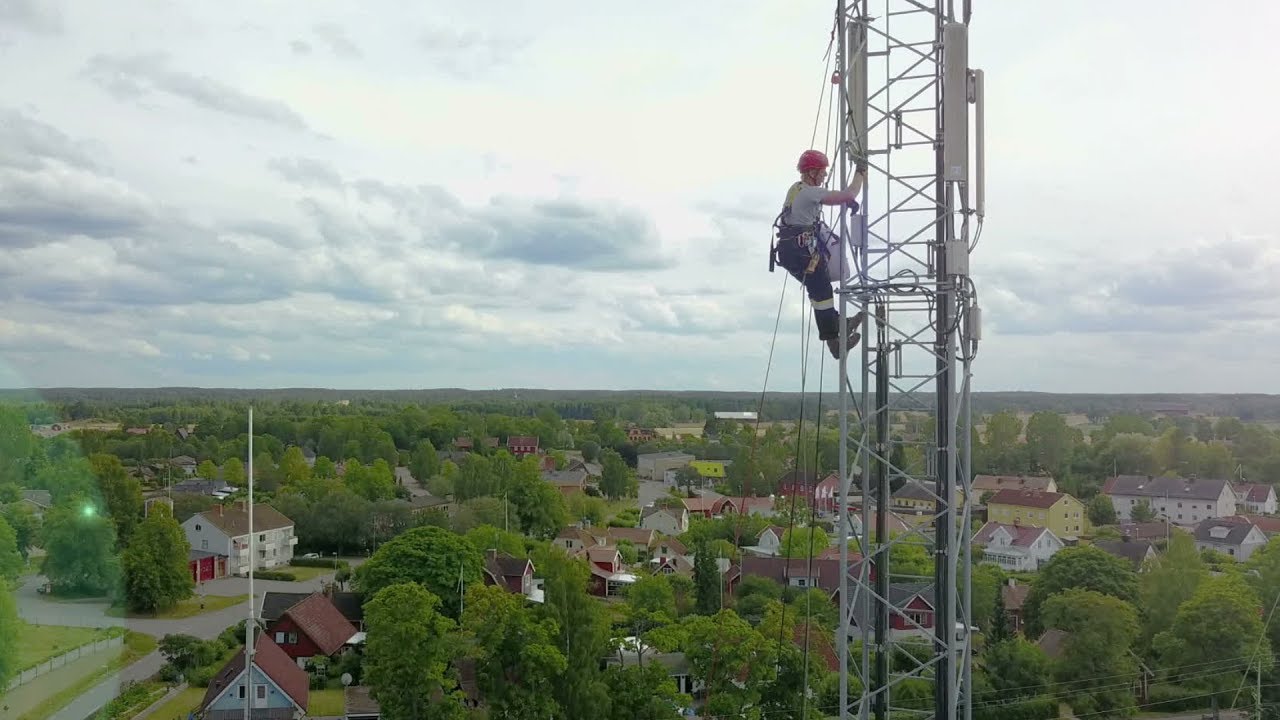
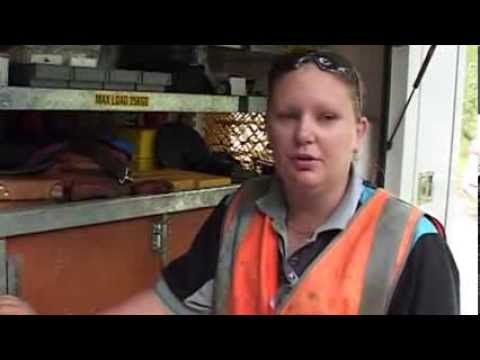
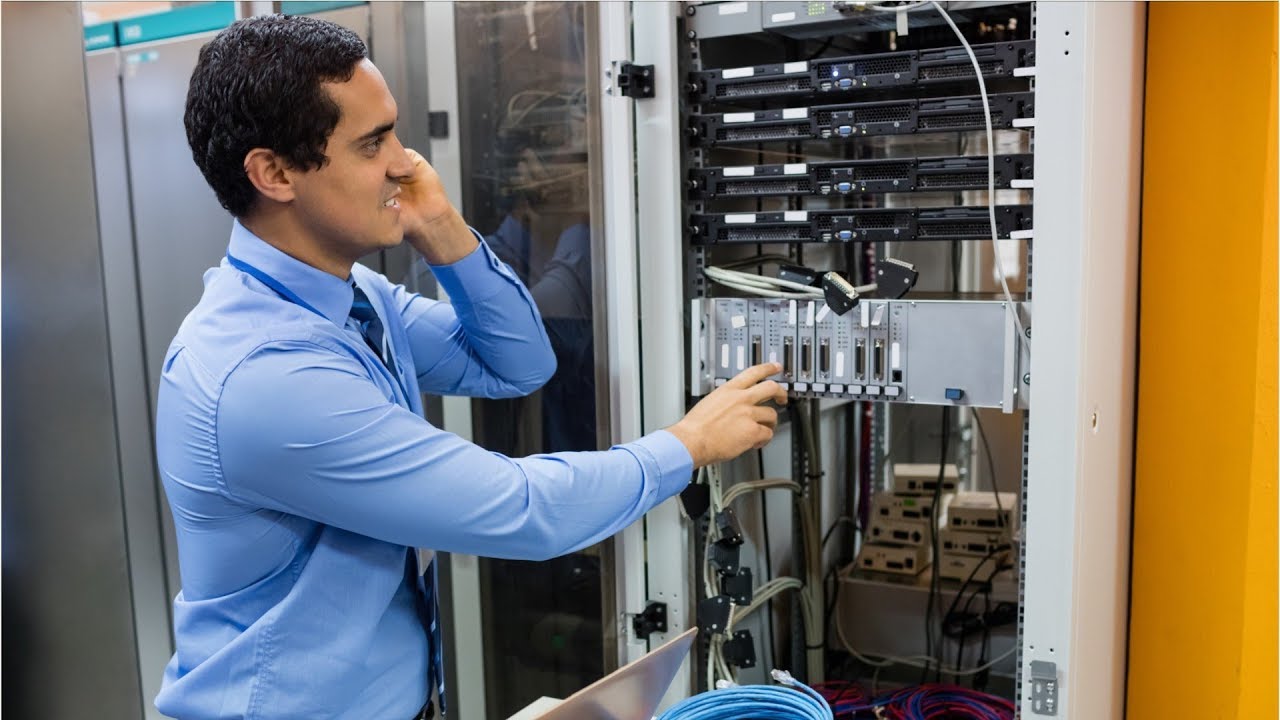
If you enjoy working with technology but would rather troubleshoot a signal than sit behind a desk writing code, a Community Antenna Television (CATV) Technician major could be worth investigating. This specialized program prepares you to install, test, repair, and maintain the wired networks that deliver television, broadband internet, voice services, and increasingly sophisticated data connections.
The name may sound dated, "community antenna television" originally referred to systems that brought broadcast signals to neighborhoods through shared antennas, but the work remains relevant. Today's CATV technicians often support cable, fiber-optic, hybrid fiber-coaxial (HFC), and broadband infrastructure. You may work in homes, apartment buildings, commercial properties, utility corridors, or outside plant environments.
This review examines what you study, how programs are evaluated, what equipment you use, likely career paths, salary expectations, and how the major compares with related technical fields. Because schools may label the program differently, you should treat this as a career-field review rather than a description of one universal curriculum. The strongest choice depends on your interests, local employers, program quality, and willingness to keep learning as communications technology changes.
Community Antenna Television Technician Major at a Glance
A Community Antenna Television Technician major is a career-focused program in telecommunications and electronic systems. It typically leads to a certificate, diploma, or associate degree rather than a four-year bachelor's degree. Some colleges place it under electronics technology, telecommunications, broadband technology, networking, or electrical systems.
Your central goal is to learn how signals move from a provider's headend or network hub to a customer's equipment. That requires more than connecting a cable. You may study coaxial cable, fiber optics, amplifiers, splitters, taps, modems, routers, signal levels, grounding, construction standards, and workplace safety.
| Program feature | What you can generally expect |
|---|---|
| Typical credential | Certificate, diploma, or associate degree |
| Main field | Telecommunications, broadband, electronics, and outside-plant systems |
| Learning style | Lab work, troubleshooting, field practice, and technical theory |
| Common employers | Cable providers, telecom contractors, utilities, and infrastructure firms |
| Best fit | Hands-on students who like diagnosing physical systems |
| Important variable | The program's equipment, employer partnerships, and internship access |
The major is narrower than general information technology, but that focus can be an advantage. You spend less time on broad computing topics and more time developing skills employers need immediately. The trade-off is that your first job may involve irregular hours, outdoor work, driving between service calls, climbing, lifting, or working in cramped spaces.
Before enrolling, confirm whether the curriculum covers modern broadband and fiber, not just traditional television distribution. A program that teaches only older analog systems may leave you less competitive than one combining CATV foundations with data networking, DOCSIS concepts, fiber termination, and structured cabling.
What You Study in the Program
Your coursework usually combines electrical fundamentals, communications theory, equipment operation, and practical troubleshooting. You do not need to become an electrical engineer, but you must understand enough science to identify why a system is failing and how to repair it safely.
Core subjects
A typical curriculum may include:
- Electrical and electronic fundamentals: voltage, current, resistance, circuits, power supplies, components, and basic test procedures.
- Cable television systems: headends, distribution networks, channel frequencies, bandwidth, signal loss, noise, leakage, and customer premises equipment.
- Coaxial and fiber-optic cabling: cable construction, connectors, splicing, bend radius, attenuation, reflectance, and optical safety.
- Broadband networking: modems, routers, IP addressing, Wi-Fi basics, Ethernet, network testing, and service activation.
- Outside-plant construction: poles, pedestals, underground conduit, drops, strand, taps, amplifiers, and weather-resistant enclosures.
- Installation standards and safety: grounding and bonding, ladder use, fall protection, traffic awareness, personal protective equipment, and safe work near utilities.
- Customer service and documentation: work orders, service explanations, inventory records, photographs, and clear communication.
You may also encounter introductory topics such as digital compression, radio frequency (RF) theory, DOCSIS, the standards family used for cable broadband, and network monitoring. More advanced programs can include passive optical networks, fiber-to-the-premises systems, signal sweep testing, and troubleshooting with specialized software.
The math is generally practical rather than abstract. You could calculate decibels, cable loss, power levels, and basic electrical values. Reading diagrams is equally important. A technician who can interpret a network map and trace a signal path often solves problems faster than someone who simply replaces parts.
Look closely at course descriptions. "Telecommunications" can mean very different things from one college to another. Ask whether students work on live or simulated networks, whether they install connectors themselves, and whether the program includes a capstone, internship, or employer-recognized credential.
How This Major Is Evaluated
You should evaluate a Community Antenna Television Technician program by outcomes, not by the title alone. Because this is a specialized occupation, the quality of the lab and the program's connection to local employers may matter more than a polished brochure.
Start with these questions:
- What jobs do graduates actually obtain? Ask for recent placement data, employer names, typical job titles, and whether graduates work in broadband, fiber, maintenance, or unrelated fields.
- How current is the equipment? Students should encounter digital meters, signal analyzers, fiber tools, optical power meters, cable certification equipment, and contemporary customer-premises devices, not only obsolete training panels.
- Are instructors experienced technicians? Teachers with field backgrounds can explain the difference between textbook troubleshooting and a real service call in bad weather.
- Does the school have industry relationships? Internships, apprenticeships, guest instructors, hiring events, and employer advisory boards can create a useful bridge to your first job.
- What credentials are available? Check whether the program prepares you for vendor training, fiber credentials, safety certifications, or industry assessments. Credentials don't replace experience, but they can strengthen an entry-level application.
- What is the total cost? Include tuition, tools, transportation, work clothing, certification fees, and lost wages if you attend full time.
You should also assess accessibility. Some programs require evening labs or substantial travel to an instructional site. Others provide a short certificate that gets you into the field quickly, while an associate degree adds general education and broader technical study.
For labor-market context, review the U.S. Bureau of Labor Statistics profiles for telecommunications technicians and electrical and electronics installers and repairers. CATV work can be classified in more than one occupational category, so avoid treating one national statistic as a guaranteed outcome for every graduate.
Technical Training, Equipment, and Hands-On Learning
The strongest programs feel more like a controlled worksite than a lecture-only classroom. You should repeatedly practice the complete process: read the service order, inspect the system, test the signal, isolate the fault, make the repair, verify performance, and document the result.
Training equipment may include:
- Coaxial cable, compression connectors, splitters, taps, attenuators, and amplifiers
- RF signal level meters, spectrum analyzers, leakage detectors, and tone generators
- Fiber-optic cable, fusion or mechanical splicing tools, cleavers, scopes, and optical power meters
- Cable modems, routers, Wi-Fi access points, set-top boxes, and network testers
- Pole-line or wall-mounted mockups for drops, grounding, and distribution equipment
- Ladders, harnesses, personal protective equipment, and safe-work training stations
A practical lab should expose you to imperfect conditions. Loose connectors, water intrusion, excessive attenuation, ingress noise, damaged drops, poor grounding, and intermittent faults are more educational than a perfectly assembled demonstration board. You should learn to distinguish a customer device problem from a provider-side network problem instead of guessing and swapping hardware.
Fiber training deserves particular attention. Even if your first position is primarily coaxial, providers continue expanding fiber networks and upgrading broadband capacity. You don't need to be a fiber engineer on day one, but experience cleaning connectors, testing loss, protecting cable, and following laser-safety procedures can improve your long-term mobility.
Ask whether students work individually as well as in teams. Field technicians collaborate, but you need personal confidence with tools and meters. Also ask about lab hours and consumable supplies. A course that promises hands-on learning but gives each student only a few minutes with the equipment may not deliver the practice you need.
Finally, safety should be demonstrated, not merely listed in a syllabus. Electrical hazards, vehicle traffic, heights, weather, confined spaces, and utility conflicts are genuine parts of the job.
Job Opportunities for Community Antenna Television Technician Majors
Job Opportunities for Community Antenna Television Majors extend beyond installing television service. Providers increasingly sell broadband, managed Wi-Fi, home security, voice, and business connectivity, so technicians may support a wider communications system than the major's name suggests.
Potential entry-level and early-career titles include:
- Cable installation technician
- Broadband or internet service technician
- CATV service technician
- Fiber installation technician
- Telecommunications technician
- Headend or network operations technician
- Outside-plant technician
- Structured cabling installer
- Maintenance and repair technician
- Field service technician
Residential technicians commonly install drops, connect customer equipment, activate services, test signal levels, explain basic use, and resolve service interruptions. Outside-plant technicians may maintain amplifiers, taps, fiber cabinets, underground facilities, or aerial lines. Headend and network operations roles can involve monitoring equipment, managing signal distribution, and escalating larger faults.
You may find work with cable and broadband companies, telecommunications contractors, electrical contractors, municipalities, utilities, schools, hospitals, data-center contractors, and public-communications networks. Contracting can create opportunities but may bring less predictable scheduling or benefits than direct employment.
Career progression often follows demonstrated competence. With experience, you might become a senior technician, maintenance specialist, fiber technician, construction supervisor, field trainer, quality inspector, network operations employee, or project coordinator. Some technicians move into sales engineering, estimating, safety, or technical support.
The main risk is occupational narrowness. Automation and network redesign may reduce demand for some traditional installation tasks, while fiber deployment and broadband expansion create new ones. Protect yourself by building transferable skills: fiber, Ethernet, Wi-Fi, RF testing, documentation, customer communication, and basic networking. A driver's license and clean driving record may also be important for field positions.
Expected Starting Salary in the US for Community Antenna Television Technician Majors
The Expected starting Salary in the US for Community Antenna Television Technician Majors varies substantially by location, employer, overtime, union status, experience, and whether the role includes commissions or on-call pay. There is no single federal salary category devoted specifically to "community antenna television technician," so you should treat salary estimates as ranges rather than promises.
A realistic entry-level expectation is often approximately $35,000 to $50,000 per year, or roughly $17 to $24 per hour, before overtime. Higher-cost markets, union contractors, specialized fiber work, construction projects, and positions with substantial overtime may exceed that range. Rural areas or trainee roles may begin lower. Benefits can materially change the value of an offer.
| Career stage | Approximate base-pay pattern | What usually affects it |
|---|---|---|
| Trainee or helper | About $30,000–$40,000 | Limited experience, supervised work, local market |
| Entry-level technician | About $35,000–$50,000 | Independent service work, driving, basic troubleshooting |
| Experienced technician | About $45,000–$65,000+ | Fiber, construction, maintenance, certifications, overtime |
| Specialist or supervisor | Often $60,000+ | Leadership, complex networks, union or major-market work |
These are planning figures, not an offer or guarantee. Search current postings in the area where you intend to work and compare hourly wages, guaranteed hours, mileage, health insurance, retirement contributions, tool allowances, paid training, and overtime rules. A $22-per-hour job with unpredictable hours may be less valuable than a $20-per-hour position with stable scheduling and strong benefits.
Ask whether you're paid for travel between appointments, whether you supply your own vehicle, and how climbing or on-call responsibilities are compensated. Some employers also use productivity targets or customer-service incentives. Before choosing the major, calculate your expected loan payment against conservative starting pay, not the best-case salary after several years.
Why Major in Community Antenna Television Technician?
Why Major in Community Antenna Television Technician? The best reason is that you want a practical technology career with a relatively direct path from classroom training to paid work. You can learn a tangible skill set, enter the workforce sooner than you might through a four-year degree, and continue advancing through experience and specialized training.
This major may suit you if you:
- Like diagnosing real-world problems instead of working only with abstract concepts
- Prefer labs, tools, and field assignments to long reading-heavy courses
- Want to work with broadband, fiber, electronics, and communication networks
- Are comfortable visiting different worksites and interacting with customers
- Value an occupation where reliability and troubleshooting ability are visible every day
Broadband connectivity is now basic infrastructure for homes, businesses, schools, health care, and public services. That creates an ongoing need for people who can install and maintain physical networks. The work can also feel rewarding: a repair may restore a family's internet access, reconnect a small business, or improve service for an entire building.
The major can be a smart stepping stone. After gaining field experience, you could pursue networking certifications, fiber specialization, supervisory roles, or additional study in electronics, information technology, cybersecurity, or engineering technology. You aren't permanently locked into residential cable work.
Still, don't choose it solely because it appears to offer quick employment. The job can be physically demanding and customer-facing. Technology changes quickly, and continuing education is part of the bargain. Shadow a technician, tour a lab, or speak with a local employer before enrolling. A one-day conversation can reveal whether ladders, weather, driving, and troubleshooting under time pressure fit your personality.
Pros and Cons of Choosing This College Major
A Community Antenna Television Technician major offers a focused entry point into communications infrastructure, but it isn't ideal for every student.
Pros
- Shorter training path: A certificate or associate program may prepare you for entry-level employment faster than a traditional bachelor's degree.
- Practical learning: You spend substantial time using tools, reading diagrams, testing signals, and repairing systems.
- Demand for connectivity: Broadband, fiber, and network services remain central to modern life.
- Multiple work environments: You may choose residential service, outside plant, construction, maintenance, or network operations.
- Transferable technical skills: Fiber, Ethernet, Wi-Fi, electronics, safety, and documentation can support adjacent careers.
- Potential overtime: Some field roles offer overtime, on-call pay, or project-based earning opportunities.
Cons
- The title is narrow and old-fashioned: Employers may advertise related jobs under different names, making research essential.
- Physical demands: Climbing, lifting, kneeling, crawling, driving, and outdoor work can be routine.
- Customer pressure: You may have tight appointment windows and must explain technical issues clearly to frustrated customers.
- Income varies: Local wages, contractor arrangements, overtime, and benefits create a wide range of outcomes.
- Technology keeps shifting: Older coaxial skills alone may not be enough as networks move toward fiber and advanced broadband.
- Work can be irregular: Emergencies, weather events, evening appointments, and on-call rotations may affect your schedule.
The balance depends on your priorities. If you want a hands-on job and dislike being stationary, the disadvantages may feel manageable. If you want remote work, predictable indoor hours, or a highly portable bachelor's-level credential, another major may fit better. Ask current technicians what they wish they had known before starting: their answers are often more useful than a college's marketing language.
Comparison With Related Technical Majors
You should compare CATV training with neighboring programs before making a decision. The right choice depends on whether you prefer physical infrastructure, electronics, computers, or electrical systems.
| Major or program | Main emphasis | Advantages | Possible limitation |
|---|---|---|---|
| Community Antenna Television Technician | Cable, broadband, RF, fiber, and field service | Direct preparation for provider and contractor roles | Narrower title and career scope |
| Telecommunications Technology | Voice, data, wireless, fiber, and network infrastructure | Broader communications foundation | May include less CATV-specific practice |
| Network Administration | Servers, IP networks, security, and software tools | More office and systems-oriented pathways | Less focus on cable construction and field repair |
| Electronics Technology | Circuits, instruments, controls, and repair | Strong diagnostic foundation across industries | May require extra broadband specialization |
| Electrical Technology | Power systems, wiring, controls, and code | Broader construction and electrical opportunities | Different safety and licensing expectations |
| Information Technology | Hardware, software, support, and systems | Wide range of office-based careers | Usually less hands-on outside-plant training |
Choose CATV if you already know that communications infrastructure interests you and you want targeted preparation. Choose telecommunications technology if you want a wider communications umbrella. Network administration may be better if you imagine configuring systems and supporting users primarily indoors. Electronics technology can be a strong option if you enjoy components and instruments but want to keep several industries open.
Program quality can erase some of these differences. A CATV program with robust networking and fiber courses may prepare you better for the future than a general telecommunications program with outdated labs. Conversely, a broad electronics program with internships may offer more flexibility than a narrowly titled certificate.
Review course lists, lab photos, employer partners, transfer agreements, and job postings, not just program names. Search the exact skills employers request in your region, then choose the curriculum that covers the largest share of them.
Community Antenna Television Technician College Major FAQs
What does a Community Antenna Television Technician major teach?
This major focuses on installing, repairing, and maintaining wired networks for television, broadband, and voice services, covering topics like coaxial and fiber-optic cabling, signal troubleshooting, broadband networking, and outside-plant construction.
What kind of credentials can I earn with a Community Antenna Television Technician degree?
You can typically earn a certificate, diploma, or associate degree, preparing you for hands-on roles in telecommunications, broadband, and electronic systems rather than a four-year bachelor's degree.
What jobs are available for graduates of a Community Antenna Television Technician program?
Graduates can become cable installation technicians, broadband or fiber installation technicians, service technicians, outside-plant technicians, or network operations specialists with cable providers, telecom contractors, utilities, and related employers.
How much does a Community Antenna Television Technician earn starting out in the US?
Entry-level salaries generally range from $35,000 to $50,000 per year, depending on location, employer, and experience, with higher pay possible for specialized fiber work or union positions.
How does a Community Antenna Television Technician major differ from Telecommunications Technology or Network Administration majors?
CATV is more focused on physical cable and broadband infrastructure with hands-on fieldwork, while Telecommunications Technology covers broader communication systems and Network Administration emphasizes indoor network configuration and security.
Why is fiber-optic training important in a CATV Technician program?
Fiber-optic networks are expanding rapidly, so learning fiber splicing, testing, and safety procedures improves job prospects and long-term mobility beyond traditional coaxial cable skills.