Work Environment
Electrical power-line installers and repairers held about 115,900 jobs in 2020. The largest employers of electrical power-line installers and repairers were as follows:
- Electric power generation, transmission and distribution - 46%
- Power and communication line and related structures construction - 30%
- Local government, excluding education and hospitals - 12%
- Electrical contractors and other wiring installation contractors - 5%
Telecommunications line installers and repairers held about 124,400 jobs in 2020. The largest employers of telecommunications line installers and repairers were as follows:
- Telecommunications - 61%
- Building equipment contractors - 15%
- Utility system construction - 13%
- Self-employed workers - 1%
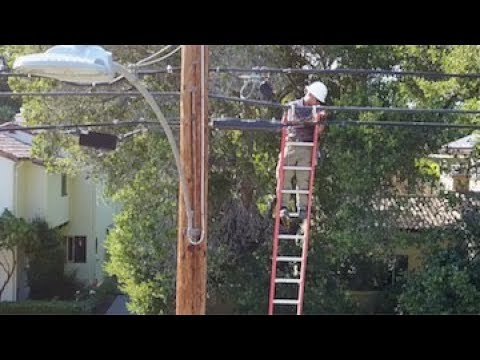
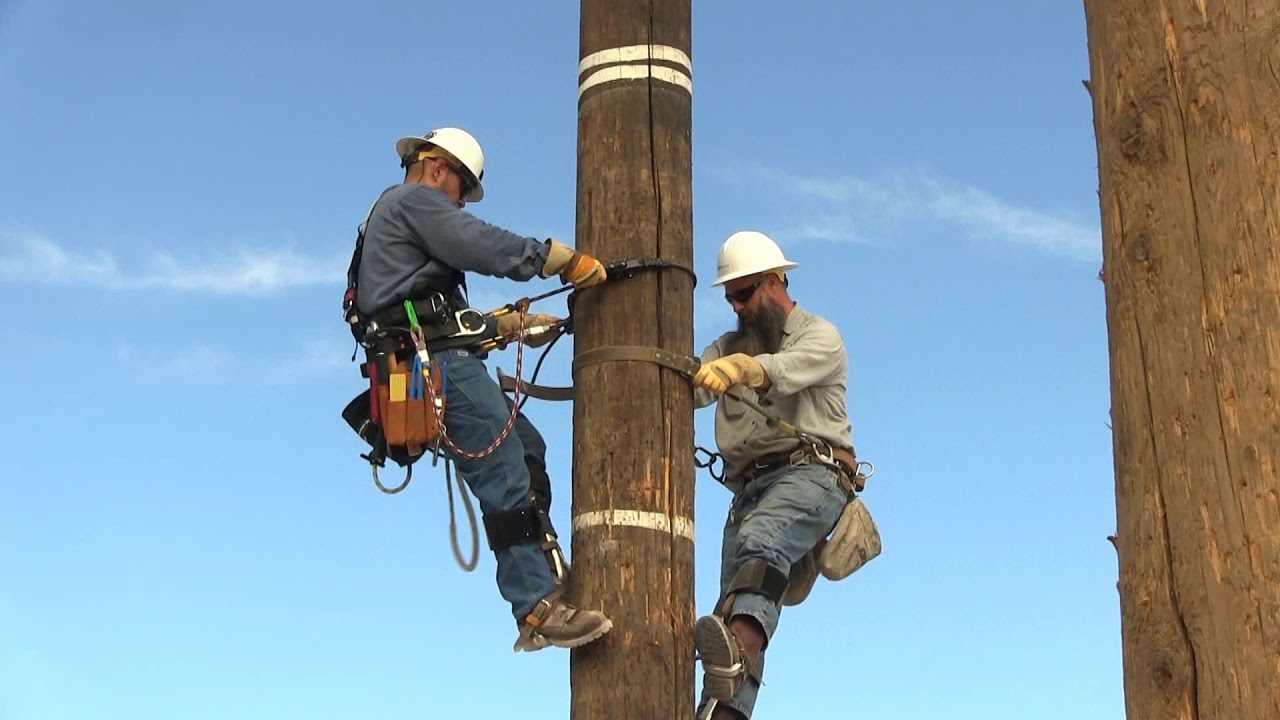
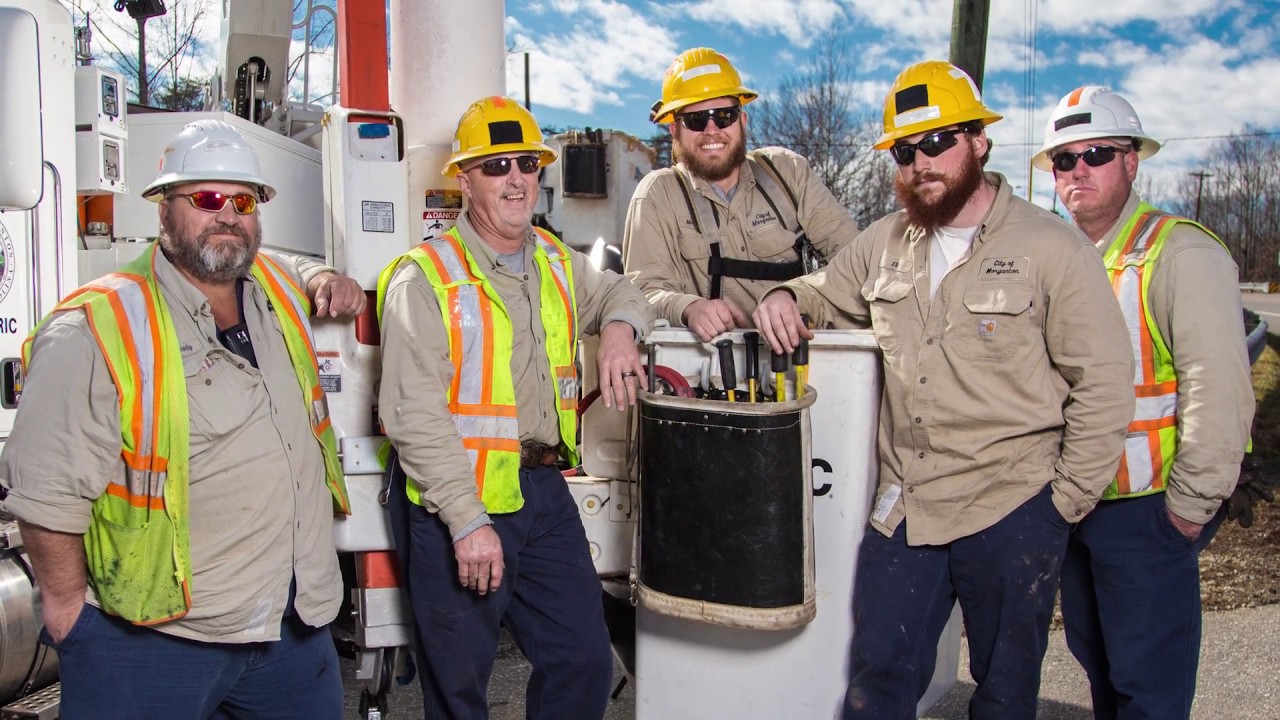
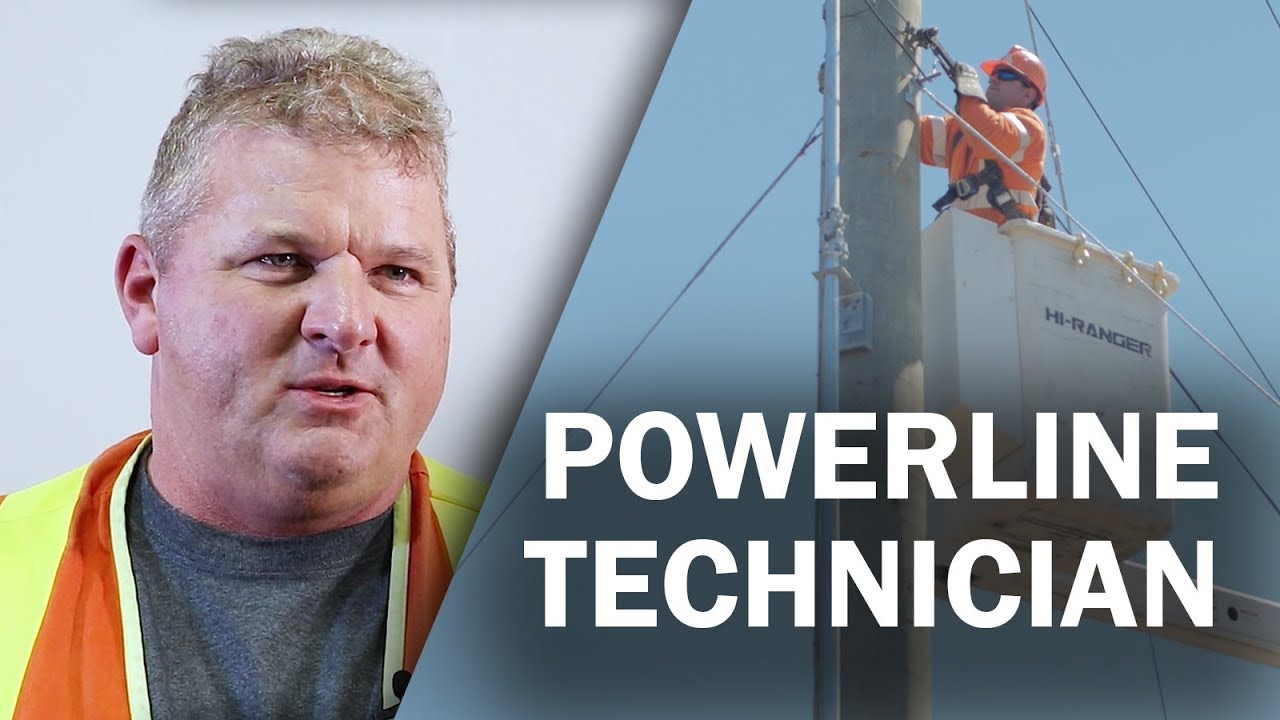
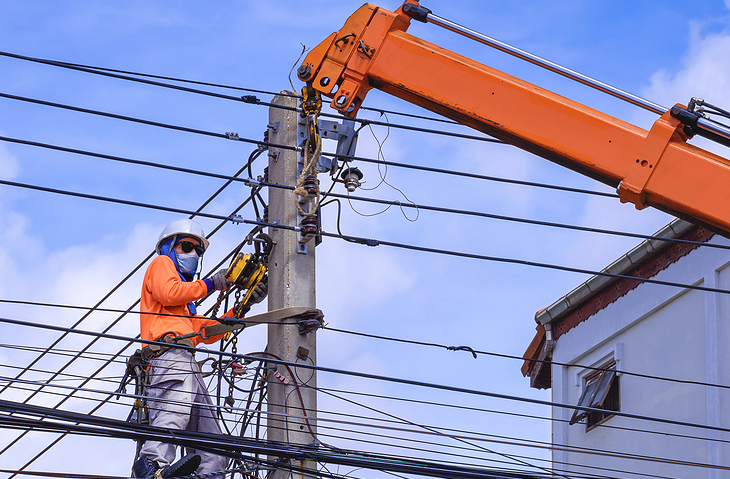
The work of line installers and repairers can be physically demanding. Line installers must be comfortable working at great heights and in confined spaces. Despite the help of bucket trucks, all line workers must be able to climb utility poles and transmission towers and balance while working on them.
Their work often requires that they drive utility vehicles, travel long distances, and work outdoors.
Line installers and repairers often must work under challenging weather conditions, such as in snow, wind, rain, and extreme heat and cold, in order to keep electricity and telecommunications flowing.
Injuries and Illnesses
Line workers encounter serious hazards on their jobs and must follow safety procedures to minimize danger. For example, workers must wear safety equipment when entering underground manholes and test for the presence of gas before going underground.
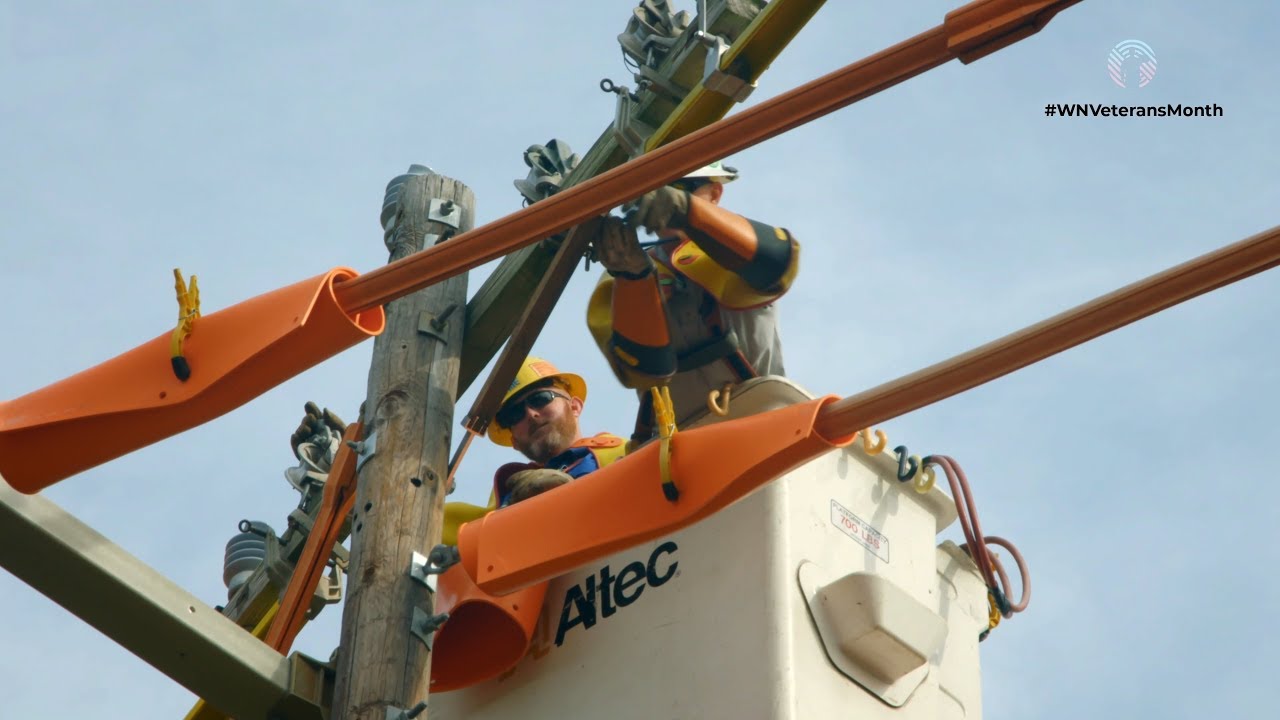
Electrical power-line installers and repairers can be electrocuted if they come in contact with a live cable on a high-voltage power line. When workers engage live wires, they use electrically insulated protective devices and tools to minimize their risk.
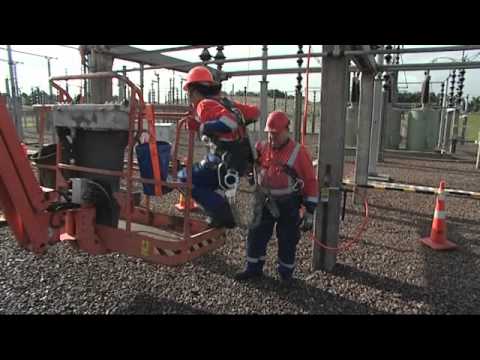
To prevent injuries, line installers and repairers use fall-protection equipment when working on poles or towers. Safety procedures and training have significantly reduced the danger for line workers. However, telecommunications line installers and repairers still have one of the highest rates of injuries and illnesses of all occupations.
Work Schedules
Although most work full time during regular business hours, some line installers and repairers must work evenings and weekends. In emergencies or after storms and other natural disasters, workers may have to work long hours for several days in a row.
Job Outlook
Overall employment of line installers and repairers is projected to show little or no change from 2020 to 2030.
Despite limited employment growth, about 23,300 openings for line installers and repairers are projected each year, on average, over the decade. Most of those openings are expected to result from the need to replace workers who transfer to different occupations or exit the labor force, such as to retire.
Employment
Employment of electrical power-line installers and repairers is expected to grow, largely due to a growing population. With each new housing development or office park, new electric power lines are installed and will require maintenance. In addition, the interstate power grid will continue to become more complex to ensure reliability.
Employment of telecommunications line installers and repairers is expected to decline over the projections decade as consumers increasingly demand wireless and mobile services instead of landline-based services.
Earnings
The median annual wage for electrical power-line installers and repairers was $78,310 in May 2021. The median wage is the wage at which half the workers in an occupation earned more than that amount and half earned less. The lowest 10 percent earned less than $46,200, and the highest 10 percent earned more than $107,110.
The median annual wage for telecommunications line installers and repairers was $60,190 in May 2021. The lowest 10 percent earned less than $37,140, and the highest 10 percent earned more than $98,320.
In May 2021, the median annual wages for electrical power-line installers and repairers in the top industries in which they worked were as follows:
- Electric power generation, transmission and distribution - $90,960
- Local government, excluding education and hospitals - $76,090
- Power and communication line and related structures construction - $62,420
- Electrical contractors and other wiring installation contractors - $60,820
In May 2021, the median annual wages for telecommunications line installers and repairers in the top industries in which they worked were as follows:
- Telecommunications - $65,030
- Building equipment contractors - $48,570
- Utility system construction - $47,070
Although most work full time during regular business hours, some line installers and repairers may work evenings and weekends. In emergencies or after storms and other natural disasters, they may have to work long hours for several days in a row.