

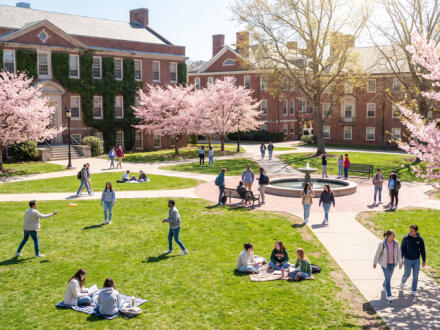
College costs can feel big fast. For Kansas students, the average published in-state tuition and fees at public four-year schools reached $10,736 per year, while private nonprofit colleges averaged $39,029, based on data from the College Board. Add books, housing, and gas between Pawnee County and campus, and the bill climbs even more.
That is why a smart scholarship plan matters. Students in Larned, Burdett, Rozel, and the rest of Pawnee County usually do best when they stack several types of aid instead of chasing one large award. A realistic plan might combine a local civic scholarship, a Kansas state program, a college merit award, and one field-specific scholarship.
Pawnee County, Kansas scholarships are not just one thing. They include high school senior awards, county and foundation funds, Kansas state aid, campus scholarships, and special scholarships for nursing, teaching, agriculture, STEM, women, and more. Some awards are only $500. Others can cover several thousand dollars each year. And yes, those smaller awards matter. Four scholarships worth $1,000 each can trim $4,000 from a first-year bill.
This guide breaks the search into seven clear paths. It gives students a practical way to build a list, ask the right questions, and apply before deadlines sneak up on them.
1. Pawnee County Scholarships for High School Students Starting Their Search Early
Students who start early usually have better odds. The National Center for Education Statistics has reported that a large share of undergraduates use grants and scholarships, which means students who apply before senior spring put themselves in a stronger spot than students who wait until April.
For Pawnee County Scholarships for High School Students, the first move is simple: build a list by October of junior year. That gives enough time to gather transcripts, test scores if needed, activity records, and two recommendation letters.
A strong early-search routine often looks like this:
- Make a spreadsheet with 12 to 20 scholarships
- Track deadline, amount, essay length, and required documents
- Save one master activities list with exact hours and dates
- Ask for letters at least 21 days before they are due
Students in Pawnee County should focus first on awards that are tied to local schools, churches, employers, banks, co-ops, 4-H clubs, FFA chapters, and service groups. Local pools are usually smaller than national pools. That changes the math in a good way.
A student applying for a hometown scholarship with 35 applicants may have far better odds than one entering a national contest with 5,000 applicants. And local committees often know the value of attendance, work ethic, and community service in a rural county setting.
Local School And Community Awards To Prioritize
Start close to home. High school counseling offices often know which scholarships repeat every year, even if amounts change.
Common places to ask include:
- Pawnee County school counseling offices
- Local community foundations and memorial funds
- Farm groups, co-ops, and ag businesses
- Rotary, Lions, VFW, and American Legion posts
- Churches and hospital auxiliaries
- 4-H and FFA-related awards
Students active in youth leadership or service should look at the Kansas 4-H Foundation scholarship. Military-family applicants or students with service ties may also fit the Kansas American Legion scholarships.
A good concrete target for a Pawnee County senior is 5 local applications before January. If each one averages $750, that is a possible $3,750 in aid from just one lane of the search.
2. County And Community Foundation Scholarships With Strong Local Ties
County and community foundation scholarships often reward something bigger than grades alone. They may look at hometown roots, volunteer work, family income, church service, agricultural background, or plans to return and work in Kansas.
That matters in a place like Pawnee County. Committees with local ties often understand that a student who works 18 hours per week, helps on a family farm, and still keeps a 3.4 GPA has shown serious discipline.
Students should search for funds held by:
- County or regional community foundations
- Local bank trust departments
- Hospital foundations
- Education foundations tied to school districts
- Family memorial scholarships run by civic boards
The best tactic here is to write one flexible essay that can be adjusted in 20 minutes for different applications. A base essay of 450 words can be revised with details about community service, future goals, or financial need.
Applicants should also treat local references carefully. A strong letter from a principal, ag teacher, pastor, 4-H leader, or employer can help because local committees often know those names. Specific detail beats praise. "She logged 146 volunteer hours at school and county events" is stronger than "She is very hardworking."
Another helpful move is to ask whether a foundation award is:
- One-time or renewable
- Need-based, merit-based, or both
- Limited to certain majors
- Restricted to Kansas residents or county residents
Even a modest county scholarship can matter. A $1,200 award can cover books and required supplies for a year at many public colleges. That can keep a student from putting those costs on a credit card at 18% to 29% interest.
Students who want a broader list in one place often sort options through large free databases such as the scholarship search hub, then compare those results with what local counselors and county contacts share.
3. Kansas State Scholarships That Pawnee County Students Should Not Overlook
State aid is easy to miss because students focus on college admission first. That is a mistake. Kansas programs can make a real dent in the bill, especially for students with financial need or plans to work in fields the state needs.
For Pawnee County families, state scholarships deserve an early place on the checklist because they often have firm rules on residency, coursework, filing dates, and school choice. Missing one form can mean losing thousands.
One major option is the Kansas State Scholarship, which supports students with financial need who are among the top academic performers designated by Kansas high schools. Students should ask their counselor how nomination and qualification work at their school.
Service-based state awards also matter. Future educators should study the Kansas Teacher Service Scholarship, and future nurses should review the Kansas Nursing Service Scholarship. These programs can be especially valuable for students willing to work in Kansas after graduation.
A practical example: if a student receives $3,500 from a state award and $2,000 from local scholarships, that is $5,500 off the bill before federal grants, work-study, or college aid enter the picture.
Core Kansas Financial Aid Programs To Check First
Students should check these categories before moving on to private scholarships:
- State merit and need-based scholarships
- Service scholarships for teaching and nursing
- Career and technical education support
- Aid tied to school attendance and residency rules
A good filing habit is to set three calendar reminders for every program: one 30 days out, one 14 days out, and one 3 days before the deadline. That simple system prevents a surprising number of missed applications.
Families should also compare scholarship deadlines with FAFSA-related timelines and college admission dates. When forms line up, students can reuse income details, school codes, and essays instead of scrambling at the last minute.
4. College-Specific Scholarships Offered By Kansas Universities And Colleges
Campus aid can be one of the biggest pieces of the package. Many Kansas colleges automatically review applicants for merit aid, but not all of them do. Some require a separate scholarship form, an honors application, or an earlier admission deadline.
That is why Pawnee County students should look at each college one by one. A university may offer $1,500 for GPA alone, $2,000 for leadership, and another $1,000 through a department. Miss one form, and the total drops fast.
Kansas State University is one example where students can compare deadlines and aid details through the student financial assistance office. Students also often review outside summaries such as the Kansas State University scholarships listing while building a broader spreadsheet.
Community colleges and technical schools also deserve a close look. Their lower tuition can make even a $500 scholarship powerful. At a lower-cost campus, that amount might cover a large share of books, tools, or certification fees.
Department awards matter too. A student majoring in accounting, broadcasting, animal science, education, or nursing should ask whether the college has scholarships reserved for declared majors after the first semester.
Questions To Ask Every Financial Aid Office
Students should ask direct questions. Short, plain questions get clear answers.
- Is merit aid automatic or separate?
- What GPA and test score rules apply, if any?
- Are scholarships renewable after year one?
- How many students received this award last cycle?
- Can outside scholarships reduce loans first instead of campus grants?
- Are there scholarships for transfer, sophomore, or major-declared students?
One exact number can guide a decision: if College A offers $6,000 per year and College B offers $2,000, that is a $16,000 difference over four years before tuition increases, housing changes, or book costs are counted.
5. Pawnee County Scholarships for Undergraduate Students Building A Full Funding Plan
Undergraduate students need a stack, not a wish. Pawnee County Scholarships for Undergraduate Students work best when students build a full plan with several aid sources that fit together.
A practical funding plan has five columns:
- Local scholarships
- State scholarships
- College merit awards
- Department or major-specific scholarships
- Outside private scholarships
Students should estimate both tuition and hidden costs. A sample budget for one year might include $10,736 in tuition and fees, $1,240 for books, $900 for transportation, and $2,400 for personal and supply costs. That is $15,276 before housing.
Now the stack can begin. For example:
- Local awards: $2,000
- State scholarship: $3,000
- College merit award: $4,500
- Department scholarship: $1,000
- Private outside award: $1,500
That total reaches $12,000. The remaining gap is much easier to handle with savings, work-study, or a part-time job than the full amount would be.
Major-based awards can push that total higher. Agriculture students may fit the Kansas Farm Bureau Collegiate Scholarships. Students heading into skilled programs or technical training may match the Kansas Farm Bureau Technical Scholarships.
Undergraduates should also reapply every year. Too many students search hard as seniors, then stop. But sophomore and junior years often bring new awards tied to GPA, major, leadership, or internship work. Spending 4 hours each month on scholarship renewal and new searches can produce a much better return than picking up extra loan debt.
6. Pawnee County Scholarships for Graduate Students Seeking Advanced Degree Support
Graduate school funding works differently. Awards are fewer, but the applicant pools are often smaller and more targeted. That gives Pawnee County Scholarships for Graduate Students a different feel from first-year college scholarships.
Graduate students should first ask their program what percentage of students receive aid. A department where 22 of 40 students get assistantships is very different from one where only 3 of 40 get help.
The best scholarship and funding paths for graduate students usually include:
- University assistantships with tuition support
- Department fellowships
- Professional association scholarships
- Service scholarships in teaching, healthcare, or public service
- Employer tuition reimbursement
Kansas students entering public service careers should pay attention to awards linked to work commitments. A teacher candidate in a graduate education program may still benefit from service-based state aid. A healthcare student may find nursing-related support that offsets tuition in exchange for work in Kansas communities after graduation.
Graduate students in profession-specific tracks should look at association awards too. Accounting students may fit the Kansas Society of CPAs scholarships. Students preparing for law enforcement-related work may review the Kansas Peace Officers Association scholarships if their goals align with the program.
A concrete example helps. If a graduate student wins a $4,000 departmental award and a $9,500 assistantship with tuition remission, that can change the degree from barely possible to financially workable.
Graduate applicants should keep a portfolio ready: resume, statement of purpose, writing sample, transcript, and one-page budget. Having those files saved and updated can cut 2 to 3 hours from each application.
7. Targeted Scholarships For STEM Students, Women, And Other Special Applicant Groups
Targeted scholarships are where many students find their best fit. These awards focus on identity, field of study, background, community ties, or career goals. That makes them a strong option for students who feel lost in giant general scholarship pools.
The smart move is to match real details to the scholarship criteria. Students should not just search "Kansas scholarships." They should search by major, career path, identity, extracurricular record, and service history.
Useful targeted categories include:
- STEM majors
- Women in underrepresented fields
- Ethnic minority scholarships
- Agriculture and livestock awards
- Media, business, and accounting scholarships
- Military, veteran, and public service scholarships
A student with three strong identifiers, for example, female, rural, and engineering-focused, may qualify for 6 to 15 targeted scholarships that a general search would miss.
Pawnee County Scholarships for STEM Students
Pawnee County Scholarships for STEM Students should include both local and statewide options. Colleges need more graduates in engineering, computer science, healthcare technology, data, and applied science, so funding often follows those needs.
STEM students should ask four direct questions:
- Does the college offer freshman STEM scholarships?
- Are there women-in-STEM or rural-STEM awards?
- Are research scholarships available after year one?
- Do industry groups in Kansas support this major?
A nursing student has a clear example in the Kansas Nursing Service Scholarship if the student has not used that path already in planning. Agriculture science students can also pair major-related campus aid with commodity or industry awards. The Kansas Grain and Feed Association scholarships show how field-specific funding can connect directly to Kansas industries.
Numbers matter here. If a STEM student secures $2,500 in outside awards and $3,000 in department aid, that $5,500 could cover a semester of tuition at many public campuses.
Pawnee County Scholarships for Women
Pawnee County Scholarships for Women can come from local women's clubs, community foundations, university programs, and statewide organizations. These scholarships often reward leadership, academic persistence, service, and entry into fields where women have been underrepresented.
The strongest applications usually do three things:
- Show leadership with numbers, such as 87 volunteer hours or captaincy for 2 seasons
- Explain a clear career goal in 1 to 2 sentences
- Connect the student's story to service, impact, or representation
Women from minority backgrounds should also examine the Kansas Ethnic Minority Scholarship if they meet the eligibility rules. That kind of targeted award can pair well with campus merit aid and local county support.
Students in other special groups should search for scholarships tied to disability status, first-generation college attendance, faith affiliation, agriculture, rodeo, equine interests, media, or golf. One student with an equine background, for example, might be a fit for horse-related academic funding, while another with broadcasting goals could pursue media association support.
The big idea is simple: specific beats general. A student who applies to 10 targeted scholarships with real eligibility often has better odds than a student who submits 25 vague applications to broad national contests.
Pawnee County, Kansas Scholarships - Frequently Asked Questions
What types of scholarships are available for students in Pawnee County, Kansas?
Students in Pawnee County can access a variety of scholarships including local civic awards, Kansas state programs, college merit scholarships, and field-specific awards in nursing, teaching, agriculture, STEM, and more.
How can Pawnee County high school students improve their chances of winning scholarships?
Starting early is key. Students should build a list of 12 to 20 scholarships by junior year October, track deadlines and requirements, and apply to local awards from schools, churches, employers, and service groups to increase chances of success.
What are important Kansas state scholarships for Pawnee County students?
Important state scholarships include the Kansas State Scholarship for high academic achievers with financial need, and service scholarships like the Kansas Teacher Service Scholarship and the Kansas Nursing Service Scholarship, which often require commitments to work in Kansas after graduation.
How should Pawnee County undergraduates plan their scholarship funding?
They should create a scholarship stack combining local awards, state scholarships, college merit aids, department-specific scholarships, and private outside awards to significantly reduce tuition and related costs each year.
Are there scholarships targeted specifically for women and STEM students in Pawnee County?
Yes, targeted scholarships support women entering underrepresented fields and STEM majors in areas like engineering or healthcare. For example, STEM students can benefit from awards linked to Kansas industries, and women’s scholarships often reward leadership and academic persistence.
What financial aid options exist for graduate students from Pawnee County?
Graduate students have opportunities like university assistantships with tuition support, department fellowships, and specialized scholarships from professional associations or service programs, especially in teaching, healthcare, or public service careers.







