

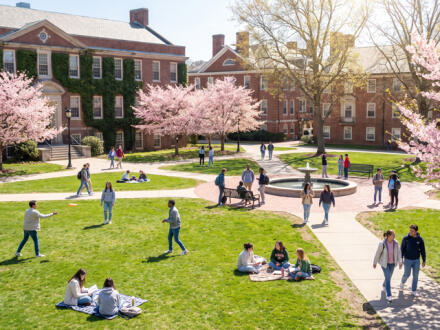
College costs can feel huge fast. A single semester can pile up tuition, books, fees, gas, and housing bills before a student even buys the first notebook.
That's why Tulare County, California scholarships matter so much. Local awards, regional foundation grants, school-based funds, and industry scholarships can shrink the gap between a college plan and a college bill. For many students, stacking 4 small awards of $500 each can cover books and class materials for a full term.
Students in Tulare, Visalia, Porterville, Dinuba, Lindsay, Exeter, and nearby communities often miss money simply because they start late or look too narrowly. Some search only for big national awards. But local scholarships often draw fewer applicants, which can improve the odds.
This guide breaks the search into 10 practical funding paths. It covers options for high school seniors, community college students, university students, graduate students, STEM applicants, women, first-generation students, and students with strong service records.
It also points out where local ties can help. A family's job in agriculture, union membership, school involvement, or community service can open doors that a generic scholarship search will miss. In several cases, a student can reuse one essay, one résumé, and one transcript packet across 6 to 10 applications, which can save hours and cut stress.
1. Tulare County Scholarships For High School Students Starting Their Search Early
Students who begin in junior year usually have a smoother scholarship season than students who wait until spring of senior year. A student who starts in September can build a list of 15 to 20 scholarships, request recommendation letters once, and avoid last-minute essay panic.
For Tulare County Scholarships for High School Students, the smartest first move is to sort opportunities into 3 groups:
- Local scholarships tied to Tulare County schools, clubs, and donors
- California scholarships tied to residence, activities, or career goals
- Identity or interest-based scholarships tied to agriculture, athletics, arts, leadership, or family background
Athletes and student leaders should pay attention to programs like the CIF scholarship option, which recognizes 22 students. That number alone tells students something useful: awards do exist beyond campus-only lists.
High school students in Tulare County should build a basic scholarship file with:
- Unofficial transcript
- Activity list with exact hours
- Draft personal statement of 350 to 500 words
- Parent employment details
- One brag sheet for counselors and teachers
A concrete example helps. A senior in Visalia who played volleyball, volunteered 68 hours at a food pantry, and held a 3.7 GPA could apply for school awards, athletic recognition scholarships, women-focused awards, and service scholarships with the same core materials.
Starting early doesn't guarantee money. It does make the process far more manageable.
2. Community Foundation And Local Nonprofit Scholarships In Tulare County
Community foundations and local nonprofits are often the quiet engines behind local aid. These groups pool donor funds, publish annual scholarship lists, and support students with roots in a city, school, or county.
In Tulare County, this path matters because donors often care about local impact. They may prefer students who plan to return and work in education, healthcare, agriculture, or public service. A student from Porterville who wants to become a nurse may stand out more in a local pool than in a national one with 20,000 applicants.
Students should look for nonprofit-backed scholarships through:
- County and city community foundations
- Service clubs like Rotary and Soroptimist
- Cultural and advocacy organizations
- Faith-based scholarship committees
Latino students may also find statewide nonprofit-connected options such as the Latino caucus scholarship route, which can pair well with local Tulare County applications.
The key is matching the application to the donor's purpose. If a local nonprofit funds first-generation college students, the essay should not stay broad. It should name specifics, such as being the first in a household of 5 people to apply to a four-year campus, translating school paperwork for parents, or working 12 hours per week while taking AP classes.
Students often overlook one simple step: calling or emailing a nonprofit office. In many cases, a 4-minute conversation confirms eligibility, deadline timing, and whether the organization expects proof of residence or community service logs.
3. School District, High School, And Counselor-Managed Scholarship Opportunities
Some of the best Tulare County scholarship leads never hit a public search engine. They sit in counseling offices, district bulletins, alumni networks, and senior award packets.
This is one of the strongest paths because the applicant pool is often smaller. If a scholarship is open only to one campus, one district, or one graduating class, a student may compete against 40 classmates instead of 4,000 strangers.
Counselor-managed opportunities usually include:
- Memorial scholarships from local families
- Alumni association awards
- PTA-backed scholarships
- Department awards for agriculture, music, science, or leadership
PTA-related funding can matter more than students expect. Families connected to school leadership or parent involvement should review options like the state PTA scholarship listing when it fits their profile.
Students should ask counselors 4 direct questions:
- Which scholarships are exclusive to this school or district?
- Which awards had fewer than 25 applicants last cycle?
- Which applications reuse the same essay prompt?
- Which deadlines arrive before winter break?
A concrete example: a Dinuba senior with a 3.2 GPA, strong attendance, and 90 volunteer hours may not win a highly selective national merit award. But that same student could be highly competitive for a counselor-nominated local memorial scholarship worth $750 to $2,000.
The rule here is simple. Students should not leave the counseling office with vague advice. They should leave with names, dates, and forms.
4. Tulare County Scholarships For Undergraduate Students At Community Colleges And Universities
Undergraduate students often assume scholarships disappear after high school. They don't. In fact, Tulare County Scholarships for Undergraduate Students can be easier to target because college students have clearer majors, stronger transcripts, and real campus involvement.
Community college students at College of the Sequoias and transfer students heading to CSU or UC campuses should search in layers:
- Campus foundation scholarships
- Department scholarships by major
- Transfer scholarships
- Regional scholarships tied to Tulare County residence
- Statewide scholarships tied to field of study
Agriculture remains a strong angle for many Tulare County families. Students with farm, ranch, crop science, irrigation, or ag business interests may fit programs such as the Farm Bureau scholarship path.
College students should also use broad scholarship databases with local filters. On platforms with large listings, students can sort by state, major, and eligibility traits, which makes the search less random and more efficient. A database with thousands of listings, including searchable scholarship matches, helps students build a list in one sitting instead of bouncing across 9 separate websites.
A practical example: a sophomore from Tulare attending a community college with a 3.5 GPA and plans to transfer into business administration could apply for campus transfer awards, hometown scholarships, employer-sponsored aid, and first-generation funding all in the same month.
Undergraduate students should keep applying every term. A strong fall transcript can open awards that were out of reach one semester earlier.
5. Tulare County Scholarships For Graduate Students Pursuing Advanced Degrees
Graduate students get ignored in a lot of scholarship articles. That's a mistake. Tulare County Scholarships for Graduate Students do exist, especially for teaching, counseling, healthcare, agriculture, social work, and public service.
Graduate applicants usually win with specificity. A vague essay about "wanting to help people" blends into the stack. A clear statement about serving rural patients in Tulare County, reducing bilingual care gaps, or returning to teach math in a district with staffing shortages is much stronger.
Useful funding paths include:
- University graduate scholarship offices
- Professional associations
- Teacher preparation programs
- Healthcare workforce grants
- Local service-club awards for advanced study
Education majors and future school employees may fit awards such as the teachers association scholarships, especially when family or personal connections align with eligibility rules.
A concrete scenario shows why this category matters. A student entering a counseling master's program may face tuition plus practicum travel that adds $180 per month in fuel and parking costs. A single scholarship worth $1,500 can cover nearly a full academic year of that commuting expense.
Graduate students should also ask their program directors about quiet funding sources. Some departments circulate award emails to small cohorts of 18 to 30 students, and those opportunities may attract far fewer applications than public scholarship pages.
For graduate applicants, precision beats volume. Five well-matched applications often perform better than fifteen generic ones.
6. Tulare County Scholarships For STEM Students In Agriculture, Health, Engineering, And Technology
STEM students in Tulare County have a real advantage when they connect their major to local workforce needs. Agriculture, health services, engineering, water systems, and technology all matter in this region, so donors often respond well to practical goals.
For Tulare County Scholarships for STEM Students, students should frame their studies in local terms. An engineering student who wants to improve irrigation efficiency sounds more grounded than someone who offers only a generic passion for problem-solving. The same goes for nursing, computer science, and environmental science.
Agriculture-related STEM applicants should pay attention to programs like the FFA scholarship pool if they have chapter involvement, supervised agricultural experience, or leadership records.
Strong STEM application details often include:
- GPA in math and science courses
- Lab, clinic, coding, or fieldwork experience
- Competition results
- Technical projects with numbers and outcomes
- Career plans tied to Tulare County needs
A sharp example works well here. A Lindsay student who built a moisture-monitoring project that cut garden watering by 18% has a better essay hook than a student who simply says she likes science.
Best-Fit Scholarship Angles For STEM Applicants
STEM applicants do better when they choose the right angle, not just the right major.
The best scholarship angles usually include one of these themes:
- Agriculture technology: irrigation sensors, crop data, soil analysis, pest monitoring
- Health pathways: nursing, radiology, public health, respiratory care, lab science
- Engineering and infrastructure: water systems, renewable energy, mechanical repair, civil planning
- Computer and data skills: coding, cybersecurity, GIS, automation, analytics
Students can also use family background as context. A student from a farmworker family who plans to study plant science can connect lived experience to research goals. That story feels concrete.
The Field Workers Scholarship path may matter for students whose family history connects to agricultural labor. That kind of overlap between background and academic direction can make an application much stronger.
A solid STEM essay usually includes 1 project, 1 measurable result, and 1 local problem. For example: a pre-med student volunteered 74 hours at a clinic, noticed long wait times for Spanish-speaking patients, and wants to train in rural healthcare delivery. That is much more memorable than "I love helping people through science."
7. Tulare County Scholarships For Women Building Academic And Career Pathways
Women in Tulare County can find scholarships through local service groups, statewide advocacy groups, profession-based organizations, and campus programs. This category matters for students entering fields where women are still underrepresented, such as engineering, certain trades, and some ag leadership roles.
For Tulare County Scholarships for Women, applicants should not assume the scholarship must say "women only" in the title. Many are broader but still favor leadership, resilience, caregiving responsibility, or career plans tied to community improvement.
A useful statewide example is the Asian Pacific women scholarship option, which may fit students in the region depending on identity and eligibility.
Common strong themes include:
- Breaking into a field with low female representation
- Balancing school with work or family care
- Serving as a mentor to younger girls
- Building financial independence through education
A concrete example: a Porterville student working 16 hours per week while caring for two younger siblings and pursuing a respiratory therapy degree has a clear story of discipline and purpose. That is the kind of detail reviewers remember.
Women should also look at local club scholarships, especially from community organizations that prioritize education, leadership, and service. Even a modest award of $500 can cover a term of required supplies, scrubs, lab fees, or certification costs.
8. Employer, Union, And Industry-Sponsored Scholarships For Tulare County Families
This path gets missed all the time. Parents, guardians, and students often focus on grades and forget that a workplace connection can open real money.
Employer, union, and industry-sponsored scholarships may come from:
- Agricultural employers
- Food processing companies
- School employee unions
- Healthcare systems
- Utility companies
- Trade associations
In Tulare County, agriculture is especially important. Students with family ties to grape, dairy, citrus, packing, or farm labor work should search those links first. The wine grape growers scholarship route is one example of how industry-backed aid can align with regional work.
Union-connected families should also ask HR departments or local chapters for exact rules. Some scholarships cover only dependents. Others include spouses, returning adult learners, or employees enrolled part time.
A useful example: if a parent belongs to a union with 1 annual scholarship cycle and the student also qualifies for an employer foundation award, that household connection could unlock 2 separate applications with similar paperwork.
Students should ask for these details early:
- Membership length requirement
- Eligible family relationships
- GPA minimum
- Need for tax forms or pay stubs
- Whether trade school counts
A 10-minute phone call to HR or a union office can reveal opportunities that never appear on public scholarship boards.
9. Need-Based, First-Generation, And Hardship Scholarships Worth Prioritizing
Students dealing with money pressure should move these scholarships near the top of the list. Need-based and hardship awards can be some of the most practical forms of aid because they focus on financial barriers, family setbacks, and educational persistence.
For Tulare County students, strong need-based applications often mention exact realities: household size, reduced work hours, medical bills, housing instability, or the cost of commuting 38 miles round trip to campus. Specific details make the need visible.
First-generation students should say what that means in daily life. Maybe no one at home can explain office hours, financial aid language, or transfer paperwork. That context matters.
Students affected by work-related family injury may also fit programs such as the Kids' Chance scholarship, which serves a very specific hardship category.
Need-based applicants should prioritize scholarships that ask for:
- FAFSA or state aid data
- Income documentation
- Personal hardship statements
- School persistence even though obstacles
A concrete scenario makes this clear. A first-generation student from Exeter who works 22 hours per week, shares one car with 3 other family members, and still maintains a 3.4 GPA has a compelling hardship narrative when documented well.
This is also the section where organization wins. Students should keep every required form in one folder so they can submit accurate applications quickly.
Documents And Proof Points That Strengthen Need-Based Applications
The strongest need-based applications prove the story instead of just telling it.
Useful documents often include:
- Student Aid Index or comparable aid summary
- Tax return information
- Pay stubs showing reduced income
- Utility shutoff or eviction notices, if relevant
- Medical billing statements
- Counselor or caseworker letter
- Proof of public benefits
A short recommendation letter can also help when it includes precise facts. "She missed zero assignment deadlines while working 20 hours each week" carries more weight than "She is hardworking."
Students should also quantify hardship where possible. If gas for commuting costs $96 per month, say that. If textbooks for one science term total $412, say that. Those numbers help reviewers understand the gap between family resources and college costs.
Campus financial aid offices often teach the same principle. Schools such as the University of Nevada, Reno financial aid office organize aid information around documentation, eligibility, and student follow-through, which mirrors what scholarship reviewers want to see.
One warning: students should never exaggerate. A modest but documented hardship usually performs better than a dramatic story with weak proof.
10. Service, Leadership, And Community Impact Scholarships Across Tulare County
Service scholarships reward students who show up for other people. In Tulare County, that can mean school leadership, church volunteering, FFA projects, tutoring, food distribution, youth sports coaching, or community health outreach.
These awards work best when students measure impact. Instead of writing "helped at events," a better line is "organized 3 campus drives, recruited 27 volunteers, and collected 418 items." Numbers turn service into evidence.
Students involved in school clubs, page programs, and civic leadership may also fit statewide opportunities such as the Grand Chapter scholarship option when eligibility matches their background.
Reviewers often look for 3 things:
- Consistency: service over months, not one weekend
- Initiative: leading or improving something
- Community tie: a clear benefit to real people nearby
A useful example is a student in Tulare who spent 84 hours tutoring middle school math students and then created a Saturday review group that raised average quiz scores by 11 points. That story shows service and measurable impact at once.
Leadership scholarships are often less about titles than results. A student does not need to be class president. Running a recycling project, translating at parent nights, or coordinating pantry deliveries can be just as persuasive when the effect is clear.
Tulare County Scholarships FAQ
What types of scholarships are available for high school students in Tulare County?
High school students can access local scholarships tied to Tulare County schools, state scholarships based on residence or career goals, and identity-based awards focusing on agriculture, athletics, or leadership. Early preparation, including building a scholarship file with transcripts and essays, improves chances. Explore options like the California PTA Scholarships.
How can Tulare County community foundations and nonprofits help with scholarships?
Local nonprofits and community foundations offer scholarships prioritizing students with ties to Tulare County, often favoring those planning careers in education, healthcare, or agriculture. Contacting these organizations can clarify eligibility and deadlines. Consider applying for awards like the CLLCF Scholarships to leverage local donor support.
What strategies boost chances for Tulare County STEM scholarships?
STEM students should link their studies to local workforce needs such as agriculture technology, health, or engineering. Highlighting projects with measurable impact and specific career goals in the region strengthens applications. STEM applicants may find relevant aid through the Field Workers Scholarship or agriculture-related scholarships.
Are there scholarships in Tulare County targeted to women pursuing education and careers?
Yes. Women can find scholarships through local service groups, statewide advocacy, and campus programs, especially in underrepresented fields like engineering or ag leadership. Scholarships often reward leadership, resilience, and caregiving roles. The Central California Asian Pacific Women Scholarships are examples of such support.
What role do employer or union scholarships play for Tulare County families?
Employer, union, and industry scholarships offer important funding, particularly in agriculture, healthcare, and trade sectors common in Tulare. Families should inquire with HR or union representatives for eligibility and application details. The California Wine Grape Growers Scholarships represent industry-backed funding options.
How can first-generation and need-based scholarships assist Tulare County students?
These scholarships focus on financial barriers and personal hardships, requiring specific documentation like income verification and hardship statements. First-generation students should share daily challenges faced in navigating college processes. Awards such as the Kids' Chance of California Scholarship can provide critical aid.




