

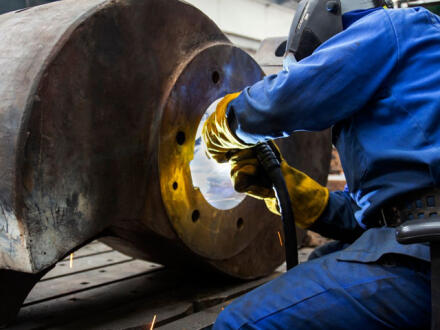
Boilermaking can lead to solid pay, union pathways, and work that stays in demand across shipyards, refineries, power plants, and industrial construction sites. But training costs money. Tuition, tools, boots, welding gear, transportation, and certification fees can add up fast, even before a student earns a first paycheck.
That is where California Boilermaking Scholarships matter. Some awards support students headed into welding, fabrication, pipe systems, or industrial maintenance. Others come from engineering groups, community foundations, unions, and employers that need skilled workers close to home. A student does not need to find a scholarship with the exact word "boilermaking" in the title to build a strong funding plan.
This list breaks down 10 practical scholarship paths for high school students, first-year students, college students, and university students who want to work toward boilermaking or a related trade. It also shows where apprenticeship support fits, how need-based aid stacks with merit aid, and what application reviewers usually want to see.
For students who want a faster search process, platforms like StudentScholarships.org can help narrow down matches by state, field, and education level. That saves time when deadlines start piling up and every application starts to look the same.
1. California Boilermaking Association Scholarships For Trade And Technical Students
Students looking for the most direct path should start with California Boilermaking Association Scholarships and similar trade-focused awards. These scholarships usually favor applicants who can show a clear plan to enter fabrication, welding, pressure vessel work, maintenance, or a related industrial field.
A strong application often includes:
- Proof of trade interest, such as shop classes, welding certificates, or dual-enrollment coursework
- Hands-on experience, including part-time work, FFA projects, metal fabrication, or community college labs
- A clear goal, like joining an apprenticeship, earning an associate degree, or moving into plant maintenance
- Reliable references from instructors, supervisors, or CTE coordinators
The average undergraduate student aid package in California tops $18,000 when grants, scholarships, work-study, and loans are combined, according to the National Center for Education Statistics. That does not mean trade students should rely on loans. In a field where starter tools alone can cost $600 to $1,500, grant and scholarship money has real value on day one.
Students using scholarship search tools often widen their odds by pairing trade-specific awards with regional options such as the San Francisco chapter award. That kind of stacking can cover books, gear, and union initiation costs.
2. California Boilermaking Scholarships For High School Students Planning Early
California Boilermaking Scholarships for High School Students often reward early planning more than perfect grades. A junior or senior who starts six to nine months ahead usually has time to line up transcripts, recommendation letters, and a sharper essay.
For students still in high school, the most useful moves are simple:
- Take shop, welding, math, drafting, or physics if available
- Join SkillsUSA, FFA, robotics, or construction clubs
- Track volunteer hours and job-shadowing days
- Build a short resume with exact hours, tasks, and achievements
A student who can write, "completed 84 hours in a school welding lab and built 3 MIG practice assemblies," sounds much stronger than one who says they "like working with their hands." Specifics win.
This is also the stage when broad California awards can support a boilermaking plan. A student athlete or strong campus leader might qualify for the CIF scholarship, then use that money for a community college welding track. Another student interested in construction careers may fit the future contractors award.
The point is simple: boilermaking goals can begin before formal trade school starts. Early applicants usually have more scholarship options, not fewer.
3. California Boilermaking Scholarships For First-Year Students Entering College Or Training
California Boilermaking Scholarships for first-year students matter because the first year is often the most expensive surprise. Students pay for tuition, placement fees, PPE, welding helmets, textbooks, parking, and sometimes a move closer to campus or a training yard.
Many first-year applicants miss funding because they stop searching after filing the FAFSA. That is a mistake. The federal form opens the door to grants and loans, but local scholarships can fill the smaller gaps that cause the biggest stress. A $1,000 award can cover a full term of tools and fuel for a commuter student.
Students entering hands-on training can strengthen applications by naming their exact path. For example:
- Boiler installation and repair
- Structural welding
- Industrial maintenance
- Pipefitting support courses
- Mechanical engineering technology
Programs with strong lab components also matter. Schools focused on fabrication and welding, such as Fab School, show students what employers actually expect in a shop setting.
A first-year student with a family hardship may also qualify for support like the Kids' Chance award when a parent's workplace injury changes the household budget. That kind of combined aid can mean staying enrolled instead of dropping after one term.
4. California Boilermaking Scholarships For College Students In Skilled Trades Pathways
For students already enrolled, California Boilermaking Scholarships for College often depend on progress, persistence, and proof that the student is sticking with a skilled-trades path. Committees like to see completed coursework, attendance, and a plan for the next credential.
Community college students are a strong fit here. California community colleges enroll millions of students statewide, and many campuses support welding, machining, industrial technology, and drafting tracks. A student who has already finished 12 to 24 credits with solid lab performance looks less risky to a scholarship committee than someone with only vague plans.
Good evidence includes:
- A transcript showing B-level or better technical coursework
- An instructor note confirming shop reliability
- OSHA, welding, or safety certificates
- A short budget showing exactly how the scholarship will be used
Students in broader industrial sectors should not ignore industry-linked awards outside pure boilermaking. The strawberry growers fund and similar California sector scholarships sometimes help students tied to working families in production-heavy regions.
And students comparing trade schools with community colleges can use resources from InterCoast Colleges to understand training formats, scheduling, and career counseling options. That comparison matters when a student is balancing classes with a 20-hour workweek.
5. California Boilermaking Scholarships For University Students In Engineering And Related Majors
Some students aim for boilermaking through the engineering side. California Boilermaking Scholarships for University students can support majors like mechanical engineering, materials engineering, welding engineering technology, industrial design, and construction management.
These students may not spend every day in a fabrication bay, but their coursework feeds the same industries. Pressure systems, heat transfer, metallurgy, stress analysis, and plant design all connect to boiler systems and heavy industrial work.
Scholarship committees in this group usually want:
- Strong math and science grades
- Project work, internships, or design-team experience
- A statement connecting engineering study to industrial careers
- Leadership in student chapters or technical clubs
Engineering scholarships can be larger than many local trade awards. A single award worth $2,500 to $5,000 can offset a serious chunk of lab fees, housing, or books.
Students should search both trade and engineering routes. The ACEC California award is one example of a professional-track scholarship that can fit students headed toward infrastructure and industrial systems. Professional groups such as NSPE-California also reflect the kind of network university students can join as they move toward licensure, project management, or plant engineering roles.
This path works especially well for students who want to move from field work into design, inspection, or operations leadership later on.
6. Union-Connected Boilermaking Awards And Apprenticeship Support In California
Union-connected funding can be one of the smartest options for future boilermakers. These programs may not always look like classic scholarships, but they often reduce the total cost of training more than a small tuition award would.
In many apprenticeship models, the big advantage is that students can earn while they learn. Instead of paying full tuition upfront, they may receive paid training hours, lower instructional costs, and employer-backed work experience. For someone who cannot afford two years out of the workforce, that changes the math fast.
A student with a construction focus may find related chapter-based support through the Southern California chapter award. Even when an award is not labeled "boilermaking," it can still support apprenticeship preparation, pre-apprenticeship classes, or required equipment.
How Apprenticeship Funding Differs From Traditional Scholarships
Traditional scholarships usually send money to a college for tuition, fees, or books. Apprenticeship support often works differently.
Here is the practical difference:
- Scholarships reduce direct education costs
- Apprenticeships may reduce costs while also paying wages
- Union pathways often include structured mentorship and dispatch opportunities
- Training funds may cover certifications, tools, or safety gear
The U.S. Department of Labor has long shown that registered apprentices earn while training and often raise lifetime earnings compared with workers without similar credentials. For a boilermaker, that can matter more than a one-time $750 award.
7. Community Foundation Scholarships That Can Pair With Boilermaking Goals
Community foundations are underrated. They usually do not market themselves as trade funding, yet they often support local students heading into practical, high-demand careers. That makes them useful for boilermaking plans.
A community foundation scholarship may consider:
- Home ZIP code or county
- Family income
- School attended
- Career plans tied to the local workforce
- Volunteer work or persistence through hardship
That local angle matters. A refinery-town student who plans to train in welding and stay in the region may look very attractive to a donor fund that wants workers to stay close to home.
The California Community Foundation reports billions of dollars in grants since its founding, which shows how much local philanthropy can shape education access. Students should look for funds tied to counties, labor history, technical education, or donor families connected to manufacturing.
This is also where broad California scholarships help fill gaps. A student with solid academics and need could pair trade-focused aid with the Scottish Rite special award. Another student supporting a family after a workplace injury might combine local foundation aid with the workers' compensation law award.
That stacking strategy often turns several $1,000 to $2,500 awards into one workable school budget.
8. Employer-Sponsored Scholarships From Industrial And Manufacturing Partners
Employers sponsor scholarships because they need workers. That is the plain truth. Refineries, utilities, fabricators, automakers, and large manufacturers all face hiring pressure when experienced tradespeople retire.
For students, that creates an opening. An employer-backed scholarship often values work ethic, safety awareness, and local ties as much as GPA. A student who has worked 18 hours per week while taking shop classes may stand out more than someone with polished grades but no track record.
Employer-sponsored awards may come from:
- Utility companies
- Construction firms
- Automotive manufacturers
- Fabrication shops
- Industrial service contractors
Some California examples sit just outside pure boilermaking but still fit the same industrial ecosystem. The Southern California Edison award can matter for students interested in power systems and industrial infrastructure. The Southern California Institute of Technology reflects the kind of career-focused training environment many employers respect when hiring for technical roles.
Students should read these applications carefully. If an employer serves power generation, transportation, or plant maintenance, a boilermaking-related goal can usually be framed in a way that fits. One precise paragraph connecting the student's training to the employer's workforce needs can make a huge difference.
9. Regional California Scholarships For Students Near Shipyards, Refineries, And Energy Hubs
Location matters more than many students realize. California has regional economies built around ports, ship repair, oil and gas processing, power generation, and industrial construction. Students living near those hubs should search locally first.
Why? Because donors often want to support the workforce they can actually see. A scholarship committee in a refinery corridor may be much more interested in a student entering welding, rigging, or boiler maintenance than a generic statewide fund would be.
Strong regional search terms include:
- Bay Area trade scholarships
n- Central Valley technical scholarships
- Southern California industrial scholarships
- Port-city manufacturing scholarships
- County community foundation trade awards
A good example is the Toyota regional award, which shows how place-based employer funding can support technical and career-focused students. Students near shipyards may also find school-to-work options through local community colleges, union training centers, or fabrication programs.
A commuter living 27 miles from a training center might spend $80 to $120 per week on fuel and parking. Regional scholarships can cover those costs when larger state grants do not. That is why local awards often decide whether a student can keep attending consistently, especially during the first two terms.
10. Need-Based And Merit-Based Aid That Future Boilermakers Should Not Overlook
Trade-focused students sometimes make one big mistake: they only apply for trade-focused money. That leaves a lot of aid on the table. Future boilermakers should apply for need-based aid, merit-based aid, and general California scholarships at the same time.
Need-based aid helps students whose household budget cannot absorb tuition, transit, gear, and living expenses. Merit-based aid rewards grades, leadership, persistence, or special achievements. A student can qualify for both.
The most overlooked categories include:
- General state and campus scholarships
- Department-level awards through engineering or CTE programs
- Scholarships for students from working families
- Awards tied to hardship, disability, or workplace injury in the family
- Scholarships based on service, athletics, or extracurriculars
A student with a 3.4 GPA, 110 volunteer hours, and a welding pathway might qualify for more than one bucket at once. StudentScholarships.org keeps a broad scholarship directory that helps students sort beyond one major or one job title.
The key is stacking. A $6,000 Pell Grant, a $1,500 local award, a $2,000 merit scholarship, and a $900 tools grant can turn a shaky plan into a realistic one. Students who cast a wider net usually end up with a stronger package.
California Boilermaking Scholarships: Frequently Asked Questions
What types of scholarships are available for California students pursuing boilermaking?
California offers various boilermaking scholarships, including trade-specific awards from associations, union-connected funding, employer-sponsored scholarships, community foundation awards, and scholarships for engineering students related to boilermaking.
How can high school students prepare early for boilermaking scholarships in California?
High school students can prepare by taking relevant classes like welding and drafting, joining clubs such as SkillsUSA or FFA, tracking hands-on experience, and securing strong recommendation letters. Early planning improves chances of securing scholarships like the Future Contractors of California Scholarship.
What benefits do union-connected apprenticeships offer compared to traditional scholarships?
Union-connected apprenticeships often provide paid training, reduce education costs, and offer structured mentorship and job placement. Unlike scholarships that only cover tuition, apprenticeships enable students to earn while learning, which can significantly offset training expenses.
Where can college students find scholarship opportunities that support boilermaking and related skilled trades in California?
College students can pursue scholarships from community colleges, unions, and industry groups. Evidence of coursework and technical certifications strengthens applications. Resources like InterCoast Colleges provide guidance on career training and scholarship options.
Are there scholarships for university students studying engineering disciplines connected to boilermaking?
Yes, scholarships are available for majors like mechanical or welding engineering. Programs look for strong STEM grades, internships, and leadership in technical clubs. The ACEC California Scholarship is an example supporting students heading into industrial systems careers.
How do regional scholarships benefit students near California's shipyards and refineries?
Regional scholarships focus on supporting local workforce needs, often prioritizing students training in trades relevant to nearby industries. These awards can cover costs like transportation and equipment, helping students maintain consistent attendance and training near hubs such as the Bay Area or Southern California. For instance, the Southern California Toyota Scholarship targets local industry needs.




