

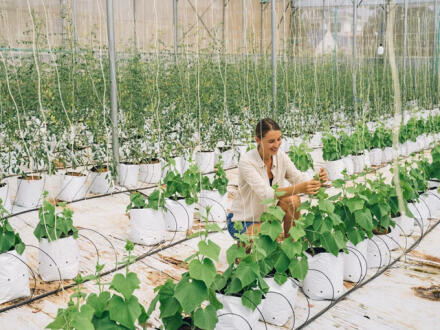
Paying for a food science degree in Florida can feel a little confusing at first. Students often know the major they want, but they do not always know where the money comes from, how scholarships differ, or which applications deserve their time first.
That is where a focused list helps. Florida food science scholarships can come from professional associations, universities, land-grant programs, local community funds, and broader science awards that still fit food science career goals.
Food science is also a smart field to fund. According to the U.S. Bureau of Labor Statistics, food scientists and technologists had a median annual wage of $84,180. That gives students a practical reason to hunt for aid early and keep doing it every semester.
This guide breaks the topic into seven clear paths. It covers Florida Food Science Scholarships for High School Students, options for transfer and first-year applicants, school-specific aid at places like UF, FAMU, and FIU, plus related Florida scholarships that can still support work in food safety, nutrition, processing, quality control, and agricultural science.
The goal is simple: help students spot real opportunities, avoid missing deadlines, and build stronger applications. A student who applies to 8 to 12 well-matched scholarships usually has a far better shot than someone who sends out only 2 rushed forms. And yes, even smaller awards of $500 to $2,000 can cover lab fees, books, or one stubborn tuition balance.
1. Florida Food Science Association Scholarships
Florida Food Science Association Scholarships are one of the most direct funding paths for students who already know they want a future in food science, food safety, quality assurance, product development, or a related field.
Professional association scholarships matter because they reward fit, not just grades. A student with a solid GPA, a clear interest in food systems, and some hands-on experience in FFA, 4-H, school labs, or local agriculture often stands out.
These awards are also worth the effort because industry groups tend to value practical commitment. A student who spent 120 hours helping in a school greenhouse or food pantry may look stronger than a student with perfect grades but no clear connection to the field.
Employers in food manufacturing, safety, and ingredient testing often care about three things:
- Technical interest
- Consistency over time
- Evidence of service or leadership
That is why association-based funding can be a strong first stop for students building a scholarship list.
Eligibility And Typical Requirements
Typical requirements vary, but most students should expect some mix of the following:
- Florida residency
- Enrollment or planned enrollment in a related major
- GPA minimum, often around 3.0
- A short essay on career goals
- One to three recommendation letters
- Resume or activity list
A strong application usually shows a clean story. For example, a student might explain how working a Saturday shift at a family citrus stand led to an interest in shelf life, packaging, and food microbiology. That kind of detail feels real.
For high school applicants with agriculture experience, programs like Florida 4-H scholarships can strengthen the same college funding plan. Students from fair, livestock, or youth competition backgrounds may also find overlap with South Florida Fair scholarships.
A good target is to submit at least 3 association or field-linked applications per cycle. That keeps the search specific, not random.
2. University Of Florida Food Science Scholarships
The University of Florida is an obvious name in this search because UF has a strong reputation in agriculture, life sciences, and research. For students looking at Florida Food Science Scholarships for University study, UF deserves a close look.
The main advantage is scale. At a large research institution like UF, students can tap into university scholarships, college-level awards, department funding, honors options, and need-based aid from the financial aid office.
Students should not assume one application covers everything. At many large universities, scholarship review works in layers. A student may qualify for admission-based aid, then college-specific funds, then department awards tied to food science or related agricultural disciplines.
According to the College Board, average published tuition and fees at public four-year in-state schools run in the low five figures before housing and books. That makes every department award count, even when the amount looks modest.
Awards For First-Year And Transfer Students
Florida Food Science Scholarships for first-year students at UF often depend on the full academic profile, not just one number. Admissions teams and scholarship offices may weigh:
- GPA and course rigor
- Test scores, if submitted
- Essay quality
- Leadership
- Financial need
- Intended major fit
Transfer students should pay special attention too. A student coming from a state college with 45 to 60 credits, a 3.5 GPA, and strong science grades may be very competitive for college-based awards.
The best move is to track both admissions and aid pages at the same time. UF's student aid office often serves as the central hub for deadlines, forms, and next steps.
A practical example: a transfer student with A grades in chemistry, microbiology, and statistics plus 80 volunteer hours at a community nutrition program can frame a very convincing case for food science study. That blend of academics and service works well.
Students who want more scholarship matches beyond one campus can also use broader listings such as the Bailey Family Foundation Florida scholarships.
3. Florida A&M University And Land-Grant Food Science Funding
Florida A&M University deserves attention because land-grant institutions often connect food science to agriculture, community health, extension work, and applied research. That matters for students who like science but also want their work to solve real problems.
At FAMU, students may find support through broader agricultural, biological, or nutrition-related funding paths even when a scholarship is not labeled "food science" in big bold letters. That is common across land-grant systems.
This route can be especially useful for students interested in:
- Food safety education
- Community nutrition
- Crop-to-food systems
- Public health nutrition
- Agricultural processing
The U.S. Department of Agriculture has long supported education pipelines tied to agriculture and food systems, which is one reason land-grant schools remain important for this field.
A student does not need a perfect transcript to be a strong candidate here. A 3.2 GPA, solid science coursework, and a clear explanation of how they want to improve access to safe, nutritious food can carry real weight.
Students should also look for scholarships that support science students from underrepresented backgrounds or those with a service focus. For example, a student balancing disability advocacy with science study may find a useful fit in the science and disability grant program.
Another angle is community-based Florida support. A student from southwest counties who plans to study food science, nutrition, or agricultural technology may also fit community foundation scholarships.
The key idea is simple: land-grant funding often rewards purpose plus local impact. Students should write essays that show both.
4. Florida International University Food Science And Nutrition Scholarships
Florida International University often attracts students interested in nutrition, health, biology, and applied science in a large urban setting. For some students, that mix creates useful overlap with food science goals.
FIU may not always package every relevant award under one exact phrase, so students should search broadly across nutrition, dietetics, biological sciences, public health, and university-wide aid. This is a common pattern with Florida Food Science Scholarships for College searches.
That broad search matters because food science careers are not one-size-fits-all. One student may want sensory testing. Another may want food safety regulation. Someone else may care about hospital nutrition systems.
The National Center for Education Statistics consistently shows that grant and scholarship aid reduces net price sharply for many undergraduates. In real life, that means one extra application can save $1,200, $2,500, or more.
Merit Vs Need-Based Options
Students should know the difference between merit-based and need-based aid.
Merit-based options often focus on:
- GPA
- Academic rank
- Leadership
- Research promise
- Campus involvement
Need-based options usually consider:
- FAFSA information
- Family income
- Cost of attendance
- Other aid already received
Many students qualify for both. That is the sweet spot.
For example, a first-generation student with a 3.7 GPA, Pell eligibility, and 2 semesters of volunteer work in a community nutrition clinic could be competitive in more than one bucket. They should not force themselves into only one category.
Students comparing urban university options sometimes also explore related campuses like USF or UCF for adjacent science and nutrition paths. Even if the major title differs, the scholarship strategy stays similar: apply across department, institutional, and outside sources.
The smartest move is to build one master file with transcripts, resume, essay drafts, and recommendation contacts. That can cut application time by 30 to 45 minutes per scholarship.
5. Florida Food Science Scholarships For High School Students Planning Their Major
Students do not need to wait until college acceptance letters arrive. In fact, Florida Food Science Scholarships for High School Students often become easier to win when the student starts building a clear record in ninth, tenth, or eleventh grade.
This is where early planning pays off. A high school student who can show sustained interest over 3 school years usually looks more credible than a senior who suddenly decides to "love science" in October.
Food science interest can show up in surprising places:
- Chemistry class projects
- FFA or 4-H participation
- Science fair research
- School garden work
- Family business experience with food handling
- Volunteer hours at food banks
A concrete example helps. A student who logged 65 volunteer hours sorting produce, noticed spoilage patterns, and wrote an essay about food waste prevention has a much stronger story than a generic "I want to help people" statement.
Students who want broad Florida options while still in high school may find support through programs like the American Legion Florida scholarships, especially when family or community service history lines up.
How To Build A Competitive Application Before College
The best applications usually have four parts working together:
- Strong grades in science and math
- Relevant activities tied to food, health, or agriculture
- A focused essay with a specific career goal
- Recommendations from teachers who know the student well
Students can improve fast by taking a few direct steps:
- Keep a list of projects, awards, and service hours
- Save lab reports or science fair summaries
- Ask for recommendation letters at least 3 weeks early
- Write essays with one clear theme, not five scattered ideas
- Apply to at least 6 scholarships before graduation
For students in specialized youth programs, niche awards can help too. Someone active in technical or agricultural communities may want to review paths like Florida's Taylor Refrigeration scholarship.
The goal is not perfection. The goal is proof.
6. Florida Food Science Scholarships For College And University Students Already Enrolled
Once a student is on campus, the scholarship search should not stop. Too many students apply hard as seniors in high school, then ignore second-year, junior-year, and transfer opportunities worth hundreds or thousands of dollars.
That is a mistake because Florida Food Science Scholarships for College and Florida Food Science Scholarships for University students often open after enrollment. Departments like to fund students who have already shown they can handle college labs, deadlines, and research work.
A student who earns a 3.4 GPA after the first two semesters may look stronger now than they did in high school. The same goes for someone who joins a lab, works in a campus food pantry, or assists with sensory evaluation projects.
Students should search in three places every term:
- Department scholarship pages
- College of agriculture or health sciences listings
- External Florida scholarship databases and local foundations
Community and identity-based scholarships can also matter here. For example, students with strong regional or service connections may fit options like the Jan La Belle Florida scholarship.
Best Times To Apply During The Academic Year
Timing matters more than students think. The best windows are usually:
- Early fall: good for outside scholarships and prep work
- Late fall to early spring: common for university and departmental deadlines
- Late spring: smaller local awards and gap-filling funds
- Summer: update resume, essays, and faculty contacts
A simple system works well. Students can set 4 calendar reminders each year, one for each window, and spend 90 minutes reviewing new opportunities.
Students at nearby institutions may also compare broader financial aid structures at places like UCF financial aid. Even when they stay at their current school, those pages show how colleges organize grants, loans, and scholarship timelines.
The rule here is easy: apply when the file is strongest, not only when the tuition bill hurts.
7. Related Florida Scholarships That Can Support Food Science Career Goals
Not every useful award will say "food science" in the title. Some of the best funding paths are adjacent scholarships that support science, agriculture, community service, women in education, environmental systems, or technical careers.
This matters because food science sits at the intersection of several fields. A student can move toward food quality, product testing, sustainability, water systems, refrigeration, packaging, or public nutrition through more than one scholarship lane.
Here are common related categories worth searching:
- Agriculture scholarships
- STEM scholarships
- Community foundation awards
- Women-focused scholarships
- Environmental and water scholarships
- Technical and workforce scholarships
For example, a student interested in sanitation, processing, and facility safety might connect their goals to environmental systems. That makes options like the Florida Stormwater Association scholarship more relevant than they first appear.
A student focused on leadership and access may also match awards such as the Florida Pioneering Women Scholarship. That kind of support can still help pay for chemistry labs, textbooks, and commuting costs while the student works toward a food science career.
According to the Education Data Initiative, students often graduate with substantial debt, so even a $1,000 award can reduce borrowing plus interest over time. That is why related scholarships deserve real attention.
A smart scholarship list usually mixes:
- 2 to 4 major-specific awards
- 3 to 5 Florida-based general scholarships
- 2 to 3 identity or service-related awards
- 1 to 2 local foundation opportunities
That mix gives students more shots on goal without wasting time on poor-fit applications.
Florida Food Science Scholarships FAQs
What are Florida Food Science Association Scholarships and who qualifies for them?
Florida Food Science Association Scholarships support students pursuing careers in food science and related fields. Eligibility typically requires Florida residency, enrollment in a related major, a GPA around 3.0, plus essays and recommendation letters highlighting technical interest and leadership.
How can University of Florida students find food science scholarships?
UF students can access layered scholarship opportunities through university, college, and department awards. Applying based on GPA, coursework rigor, and service experience improves chances. The UF financial aid office coordinates deadlines and applications for these awards.
Are there food science scholarships available specifically for high school students in Florida?
Yes, high school students with sustained interest in food science through activities like FFA, 4-H, science fairs, or volunteer work can apply for scholarships. Early planning and submitting multiple targeted applications enhance competitiveness.
What types of related scholarships support food science career goals in Florida?
Apart from direct food science awards, scholarships in agriculture, STEM, community service, environmental studies, and women-focused programs also support students aiming for food science careers, such as the Florida Stormwater Association Scholarship or Florida Pioneering Women Scholarship.
How can transfer students increase their chances of earning Florida food science scholarships?
Transfer students with strong science grades and relevant volunteer experience can compete for university and college-level scholarships. Following aid office timelines at schools like the University of Florida or Florida A&M improves success.
Why is it important to apply for scholarships every semester during college?
Continued scholarship applications during college help cover ongoing costs like lab fees and textbooks. Departments prefer funding students who demonstrate academic progress and commitment, so applying regularly maximizes funding opportunities.







