Choosing a healthcare major is a significant decision. You may be drawn to chiropractic because it combines anatomy, hands-on patient care, wellness education, and the possibility of running an independent practice. But a chiropractic college major is not a shortcut into healthcare. Becoming a chiropractor typically requires a demanding professional program, extensive laboratory and clinical training, national examinations, and state licensure.
This guide explains what you can expect from a Doctor of Chiropractic (D.C.) pathway, including admissions, coursework, clinical experience, costs, career options, salary expectations, and alternatives such as medical school and physical therapy. It is designed for potential college students who are still comparing healthcare careers, not for practicing medical or legal advice.
As you evaluate programs, check accreditation, licensing requirements in the state where you hope to practice, graduation and examination outcomes, total borrowing, and realistic local employment prospects. Scholarship search tools and career resources can also help you compare education costs before you commit.
What a Chiropractic College Major Involves
A chiropractic college major prepares you to evaluate patients, identify musculoskeletal conditions within your legal scope of practice, provide manual therapies, and recommend exercises or lifestyle strategies. The professional credential is usually the Doctor of Chiropractic (D.C.), not a bachelor's degree called "chiropractic."
Your education focuses heavily on the relationship between the spine, joints, muscles, nerves, movement, and overall function. You'll learn techniques such as spinal manipulation and mobilization, but you'll also study when those techniques are inappropriate. Good training includes screening for serious conditions, recognizing red flags, communicating effectively, and referring patients to other healthcare professionals when necessary.
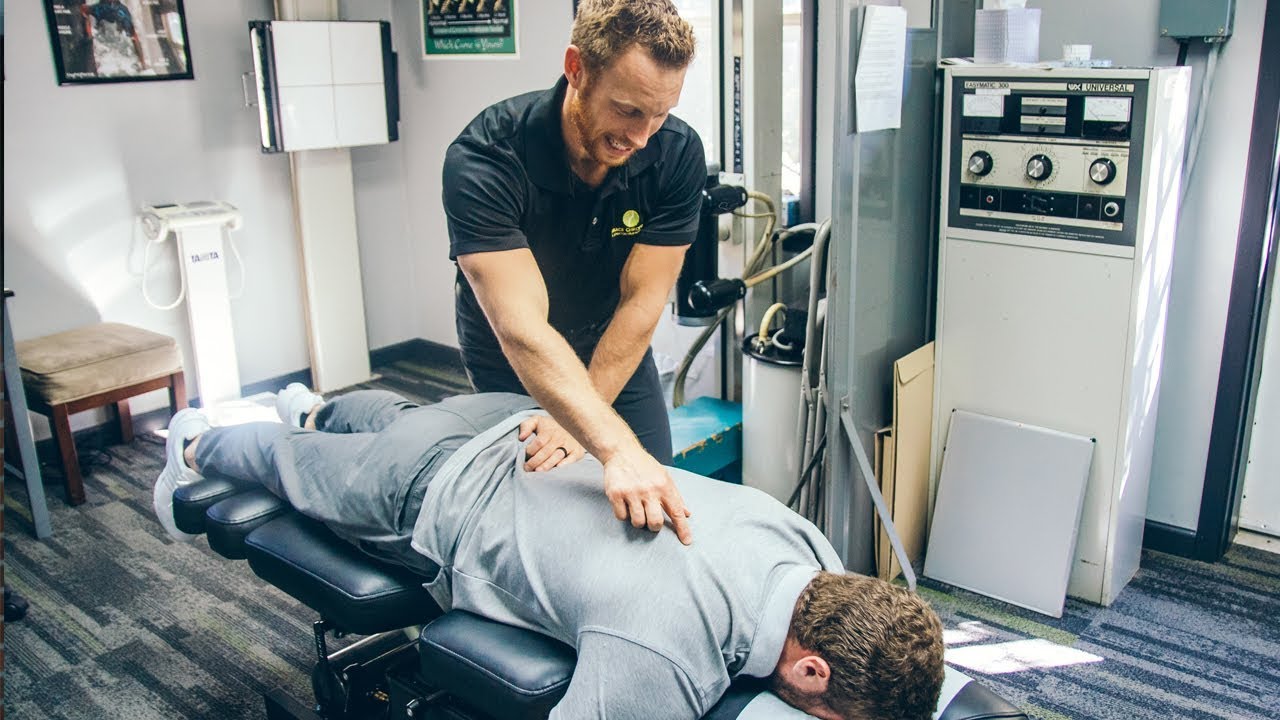
The work is hands-on, but it isn't simply a matter of adjusting backs all day. Chiropractors may take medical histories, perform physical and orthopedic examinations, interpret imaging within their training, create care plans, document visits, and monitor progress. Depending on state law and practice setting, they may also provide rehabilitation exercises, nutritional counseling, or other wellness services.
Your experience can vary substantially by school. Some programs emphasize traditional chiropractic philosophy, while others highlight evidence-informed musculoskeletal care and interprofessional collaboration. Read the curriculum carefully rather than choosing a college based only on its marketing or campus location.
Chiropractic Education Requirements and Program Structure
Most Doctor of Chiropractic programs require at least 90 undergraduate semester hours, although admissions rules vary. Many applicants complete a bachelor's degree first, especially if they need additional science prerequisites. Common preparation includes biology, chemistry, physics, psychology, English, and college-level mathematics. A strong science background can make the transition easier, even when a specific bachelor's major is not required.
An accredited D.C. program generally takes about four academic years of full-time study. The sequence often looks like this:
- Foundational sciences: You study anatomy, physiology, biochemistry, microbiology, pathology, neuroscience, and related subjects.
- Clinical sciences: You learn physical examination, diagnosis, radiology, orthopedics, neurology, pharmacology concepts, and patient management.
- Technique and laboratory courses: You practice adjustment methods, palpation, clinical procedures, and safety protocols under supervision.
- Clinical internship: You work with real patients in a college clinic or affiliated setting, gradually taking on greater responsibility.
- Licensing preparation: You complete required examinations and satisfy the rules of the state where you intend to practice.
The Council on Chiropractic Education (CCE) accredits chiropractic programs in the United States and Canada, while state boards determine licensure requirements. Accreditation does not guarantee employment, and one state's license may not automatically transfer to another. Before enrolling, confirm the school's current accreditation status and review the National Board of Chiropractic Examiners examination requirements and your target state board's rules.
Admission may involve transcripts, prerequisite coursework, essays, recommendations, interviews, and evidence that you understand the profession. Shadowing a chiropractor can help you test your assumptions before paying a deposit.
Evaluation Criteria: Curriculum, Clinical Training, Cost, and Outcomes
Comparing chiropractic colleges requires more than looking at tuition. You're choosing a professional pathway, so evaluate the full return on your time, money, and effort.
| Criterion | What to examine | Why it matters |
|---|---|---|
| Accreditation | Current CCE accreditation or recognized candidate status | Supports eligibility for examinations and licensure: verify details directly |
| Curriculum | Science depth, evidence-informed care, diagnosis, rehabilitation, ethics, and business | Shows whether training matches the way you want to practice |
| Clinical training | Clinic hours, patient volume, supervision, and referral experience | Affects your readiness for real patients |
| Cost | Tuition, fees, housing, equipment, transportation, and interest | Your borrowing can influence career choices for years |
| Outcomes | Graduation, board examination, licensure, and employment data | Helps you judge whether students actually progress through the program |
| Student support | Tutoring, mental health services, disability accommodations, and career advising | Professional programs can be intense and expensive |
Ask each school for a written estimate of total attendance cost, not just the first-year tuition. Include instruments, professional clothing, licensing fees, health insurance, and lost income. Request the most recent student outcomes and ask how the school defines "employment." A graduate working part time in an unrelated job is not the same outcome as a full-time chiropractic position.
You should also investigate complaints, clinical safety policies, and whether students are pressured to sell care plans. Speak with current students and recent graduates. Their experiences may reveal scheduling problems, hidden fees, or strengths that brochures omit.
Why Major in Chiropractic: Potential Benefits and Challenges
The answer to Why Major in Chiropractic depends on what you want from a healthcare career. The field may appeal to you if you want sustained patient relationships, a hands-on role, and the possibility of operating your own clinic. Compared with some hospital-based professions, chiropractic practice can offer more control over scheduling, office culture, and services. You may also enjoy helping patients improve movement and function over multiple visits.
There are meaningful challenges. D.C. programs are demanding, and you'll spend years studying science before earning an income as a licensed professional. Total debt can be substantial relative to the revenue of a new practice. If you open an office, you become not only a clinician but also a business owner responsible for rent, payroll, marketing, billing, compliance, and patient retention.
The profession also has an uneven evidence base across different treatments and claims. Strong programs should teach you to distinguish established musculoskeletal interventions from unsupported promises, communicate uncertainty, and avoid guaranteeing results. Public trust depends on ethical, transparent care.
Physical demands matter, too. Repetitive manual techniques, standing, and assisting patients can strain your hands, wrists, shoulders, or back. Finally, employment opportunities may be better in some regions than others. Before choosing this path, compare local demand, insurance practices, competition, and the number of new graduates entering your market.
Coursework, Clinical Experience, and Essential Skills
Expect a dense schedule of lectures, laboratory sessions, practical examinations, and supervised patient care. Early courses may cover gross anatomy, where you identify structures through dissection or models, along with physiology, cellular biology, and biomechanics. Later classes connect those foundations to patient assessment and treatment.
Typical coursework may include:
- Anatomy, neuroanatomy, physiology, and pathology
- Biochemistry, microbiology, and immunology
- Kinesiology, biomechanics, and exercise rehabilitation
- Orthopedics, neurology, and radiographic interpretation
- Physical examination, diagnosis, and clinical documentation
- Chiropractic technique, emergency procedures, ethics, and jurisprudence
- Practice management, insurance, coding, and patient communication
Clinical training is where abstract knowledge becomes judgment. You may interview patients, measure range of motion, perform neurological and orthopedic tests, write notes, and discuss treatment goals. You should learn how to identify warning signs, such as unexplained weight loss, serious trauma, progressive neurological changes, or systemic illness, that call for urgent medical evaluation rather than routine manipulation.
The essential skills extend beyond technical ability. You'll need active listening, cultural awareness, clear explanations, informed consent, time management, critical thinking, and emotional steadiness. You must be comfortable telling a patient that a requested treatment isn't appropriate. Business skills also matter if you plan to own a practice: budgeting, hiring, compliance, marketing ethics, and data security can determine whether a clinic survives.
Look for programs that teach collaborative communication with physicians, physical therapists, nurses, and other providers. Patients benefit when their care is coordinated rather than divided into competing silos.
Job Opportunities for Chiropractic Majors
The most direct career path is licensed chiropractor in private practice. You might join an established clinic, become an associate, buy an existing office, or eventually open your own. Some chiropractors work in multidisciplinary practices alongside physical therapists, massage therapists, primary-care professionals, or sports medicine teams.
Other Job Opportunities for Chiropractic Majors may include roles in corporate wellness, occupational health, rehabilitation, sports performance, education, research, professional associations, or healthcare administration. But, a D.C. degree does not automatically qualify you for every role involving medicine, physical therapy, or prescribing. Your permitted services depend on state law, employer requirements, and additional credentials.
Possible settings include:
- Private chiropractic offices
- Multidisciplinary rehabilitation clinics
- Sports and athletic performance facilities
- Community health or occupational health programs
- Colleges, professional organizations, and research environments
- Health-product, documentation, or practice-management companies
Geography strongly affects opportunity. A growing suburb may offer potential demand but also attract multiple new clinics. Rural areas may have fewer competitors but a smaller patient base and fewer referral partners. Research job postings in the places where you could realistically live. Note required experience, compensation models, benefits, patient volume, and whether "associate" roles are employees or independent contractors.
If you prefer predictable wages, benefits, and limited business responsibility, employment with an established clinic may fit better than ownership. If you value autonomy and have strong financial and management skills, practice ownership may be attractive, but it carries considerably more risk.
Expected Starting Salary in the US for Chiropractic Majors
The Expected starting Salary in the US for Chiropractic Majors varies too widely for one guaranteed number. A new graduate's earnings depend on location, patient volume, commission or salary structure, benefits, hours, and whether the position is an employee or contractor. Someone opening a clinic may report little personal income during the first year, even if the business generates revenue.
The U.S. Bureau of Labor Statistics reports compensation for the occupation "chiropractors," which includes workers at different experience levels and does not represent a guaranteed starting salary. Consult the latest BLS Occupational Employment and Wage Statistics data for national and state estimates, then compare those figures with actual entry-level postings in your area.
When reviewing an offer, calculate more than the advertised figure:
- Base salary or percentage of collected revenue
- Minimum guaranteed pay during onboarding
- Health insurance, retirement contributions, paid leave, and malpractice coverage
- Expected weekly hours and evening or weekend requirements
- Patient quotas, sales expectations, and documentation time
- Licensing, continuing education, and equipment costs
- Contractor taxes and the absence of employee benefits
A commission-only offer can look attractive but may expose you to substantial income volatility. Ask how many patients the average associate sees, how long it takes to build a caseload, and what happens if a patient cancels. Also estimate your monthly loan payment before accepting an offer. Salary should be compared with total education debt, not viewed in isolation.
Treat school-published income projections cautiously. They may reflect successful owners rather than typical new graduates and may describe gross practice revenue instead of personal take-home pay.
Chiropractic College Compared With Medical, Physical Therapy, and Other Health Programs
Your best choice depends on the patients you want to serve and the authority you want in clinical decision-making. Chiropractic college is a professional doctorate, but it is not equivalent to medical school or a Doctor of Physical Therapy program.
| Path | Typical training focus | Common role | Important distinction |
|---|---|---|---|
| Doctor of Chiropractic | Spine, joints, manual care, examination, and rehabilitation | Chiropractor | Scope and prescribing authority vary by state: generally no medical residency equivalent |
| Medical school | Broad disease diagnosis and medical treatment | Physician | Requires medical school, residency, and often fellowship training: can prescribe and manage complex disease |
| Doctor of Physical Therapy | Movement, rehabilitation, function, and exercise | Physical therapist | Usually enters practice through a D.P.T. program and state licensure |
| Physician assistant | Medical assessment and treatment under a supervising or collaborating physician | PA | Requires an accredited graduate program and national certification |
| Occupational therapy | Daily function, independence, and adaptive strategies | Occupational therapist | Often works with disability, injury recovery, and participation in daily activities |
| Nursing | Patient care, education, monitoring, and coordination | RN or advanced practice nurse | Education and scope vary by credential and state |
Program length and prerequisites differ, so compare the complete pathway rather than only the professional degree. Medical training is usually longer and more hospital-centered. Physical therapy may be a stronger fit if your main interest is exercise-based rehabilitation and functional recovery. Chiropractic may suit you if you specifically want manual musculoskeletal care and the possibility of an independent clinic.
Shadow professionals in at least two fields. Ask what a normal Tuesday looks like, how they handle difficult cases, and which parts of training surprised them. The right comparison is not "Which profession sounds best?" but "Which daily responsibilities would I still want after a difficult week?"
Who Should Consider a Chiropractic Career?
You may be a strong candidate if you enjoy science but also want frequent, personal interaction with patients. Curiosity about anatomy is useful: so are patience, dexterity, and an interest in movement. You'll need to enjoy coaching people through gradual behavior changes rather than expecting every problem to improve after one appointment.
Consider chiropractic more seriously if you can answer yes to most of these questions:
- Are you comfortable with a multi-year professional program and intensive science coursework?
- Do you want a hands-on musculoskeletal role rather than a primarily laboratory or administrative career?
- Can you explain benefits and limitations without making unrealistic promises?
- Are you prepared to learn business, documentation, and compliance?
- Would you be comfortable referring patients when their needs exceed your scope?
- Have you compared likely debt with realistic local income?
- Have you observed actual chiropractic appointments, not just promotional videos?
You may want to reconsider if you dislike repeated physical contact, feel uncomfortable with entrepreneurship, or are choosing chiropractic only because it seems easier than medical school. It is not an easier version of becoming a physician: it is a different profession with a different scope, philosophy, and labor market.
Before applying, make a one-page decision worksheet. List prerequisite courses, total program cost, expected financing, nearby job postings, state licensing rules, and three professionals you interviewed. That simple exercise can expose assumptions while there's still time to change direction.
Chiropractic College Major Frequently Asked Questions
What does a chiropractic college major typically involve?
A chiropractic college major prepares students to evaluate patients, identify musculoskeletal conditions, provide manual therapies, and recommend lifestyle strategies. Education focuses on anatomy, spinal care, clinical techniques, and patient management to become a licensed Doctor of Chiropractic (D.C.).
How long does it usually take to complete a Doctor of Chiropractic program?
An accredited Doctor of Chiropractic program generally requires about four full-time academic years after completing at least 90 undergraduate semester hours. This includes foundational sciences, clinical coursework, supervised internships, and licensing exam preparation.
What are the key factors to consider when choosing a chiropractic college?
Important factors include program accreditation, curriculum content, clinical training quality, total cost of attendance, graduation and licensing outcomes, and student support services. Evaluating these helps ensure the program aligns with your career goals and provides licensure eligibility.
How does a chiropractic degree compare to medical school or physical therapy programs?
Chiropractic focuses on musculoskeletal care, spinal manipulation, and manual therapies with limited prescribing authority. Medical school trains physicians with broad disease management and prescribing rights. Physical therapy centers on movement and rehabilitation. Each has distinct scopes and career paths.
What career options are available for chiropractic majors after graduation?
Graduates primarily become licensed chiropractors in private or multidisciplinary clinics. Other options include roles in corporate wellness, sports performance, rehabilitation, education, research, or healthcare administration. Employment depends on state laws and additional credentials.
What should I expect regarding the starting salary for a chiropractic major in the U.S.?
Starting salaries vary widely based on location, practice setting, and compensation structure. New graduates opening their own clinics may initially earn little personal income. It’s essential to consider benefits, workload, licensing costs, and education debt when evaluating offers.