If you want a career that combines electrical technology, outdoor work, physical challenge, and strong public-service value, a power line technician program deserves serious attention. You won't spend four years primarily reading textbooks or sitting behind a desk. Instead, you'll learn how electricity moves through transmission and distribution systems, and how to build, maintain, troubleshoot, and repair the infrastructure that keeps homes, hospitals, businesses, and communities operating.
This review examines the power line technicians college major from a student's perspective. It covers coursework, hands-on training, academic and physical demands, salary expectations, career paths, advantages, drawbacks, and alternatives. It also considers an important question: does this program make sense compared with a traditional bachelor's degree or another skilled trade?
The short answer is promising. Power line technology can provide a relatively quick route into a specialized, well-paid career without the typical cost of a four-year degree. But, the work is hazardous, weather-dependent, physically demanding, and sometimes disruptive to your personal life. Your fit matters as much as the labor-market outlook.
Power Line Technician Major At A Glance
A power line technician major, also called powerline technology, electrical lineworker technology, or utility line work, prepares you to install, inspect, maintain, and repair overhead and underground electrical systems. Programs are usually offered as certificates, diplomas, or associate degrees through community colleges and technical schools.
You'll typically study for one to two years, although an associate degree may take about two years of full-time enrollment. Many programs are designed around employer expectations and apprenticeship pathways rather than a transfer to a four-year university.
| Category | What you should expect |
|---|---|
| Typical credential | Certificate, diploma, or associate degree |
| Program length | About 6 months to 2 years |
| Core setting | Classroom, climbing yard, lab, and outdoor field site |
| Main subjects | Electrical theory, safety, climbing, construction, equipment, and emergency response |
| Common employers | Utilities, contractors, cooperatives, municipalities, and telecommunications companies |
| Work environment | Heights, traffic areas, storms, heat, cold, and remote locations |
| Degree requirement | Often no bachelor's degree required |
The occupation is broader than climbing poles. A lineworker may work on distribution lines serving neighborhoods, high-voltage transmission systems, substations, underground networks, or communications infrastructure. Some graduates become apprentices, while others begin as groundmen, material handlers, or utility construction workers.
The Bureau of Labor Statistics is a useful starting point for national employment and wage information. Your local utility, state workforce agency, and college placement office can provide more relevant regional data.
What Students Study In A Power Line Technician Program
The curriculum blends electrical knowledge with construction skills and safety procedures. You're not simply learning how to climb a pole: you're learning to understand an electrical system, follow precise procedures, and make sound decisions when conditions are stressful.
Electrical and technical foundations
Most programs introduce alternating and direct current, voltage, resistance, circuits, transformers, grounding, conductors, insulators, and electrical measurement. You may use meters and testing equipment to identify faults or confirm that a system is de-energized. Basic algebra is often more useful than advanced mathematics, but you must be comfortable calculating measurements and interpreting technical information.
Line construction and maintenance
Courses commonly cover pole framing, crossarms, hardware, conductor installation, guy wires, anchors, transformers, fuses, switches, and service connections. You'll learn how crews build new lines and replace damaged components. Underground topics can include conduit, vaults, cable installation, locating utilities, and excavation awareness.
Climbing and rescue
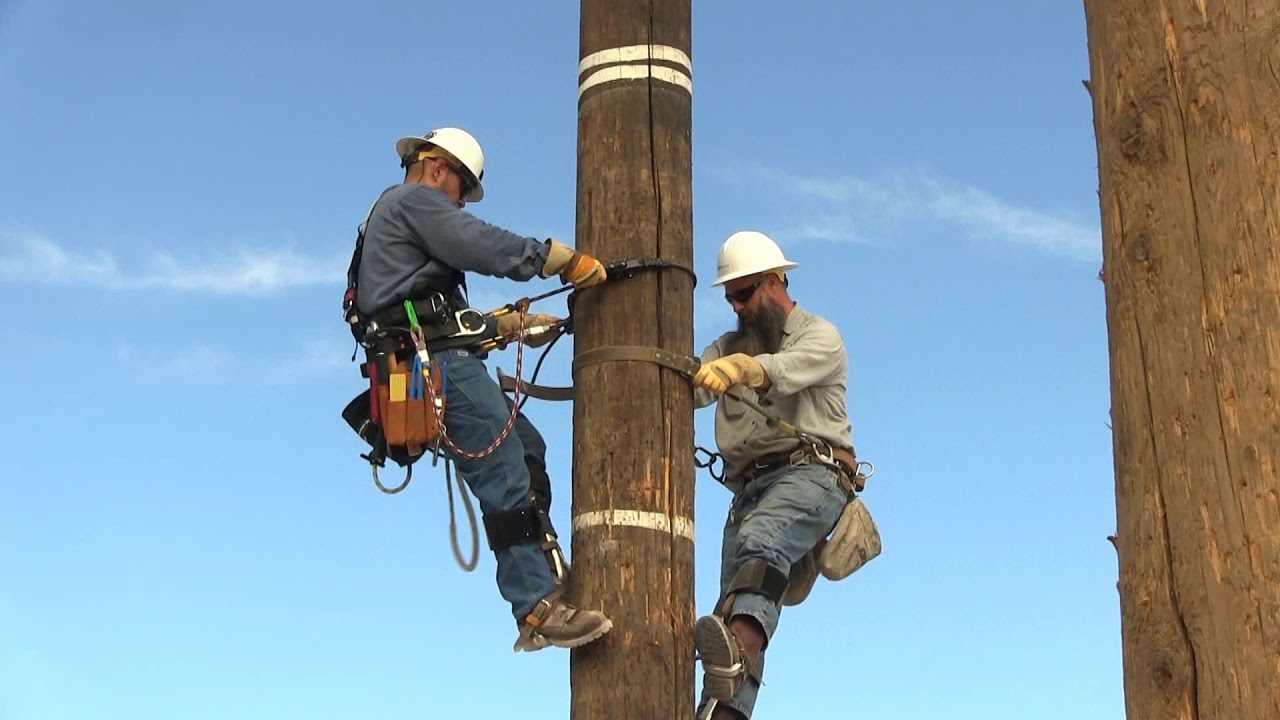
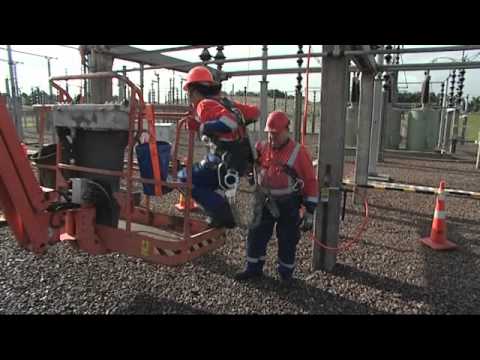
Pole climbing is a practical skill developed gradually. You'll learn to use climbing belts, hooks, fall protection, ropes, ladders, and aerial lifts. Rescue exercises matter because a crew must know how to respond if a worker is injured or becomes incapacitated at height.
Safety and regulations
Expect substantial training in personal protective equipment, job briefings, traffic control, lockout/tagout concepts, minimum approach distances, arc-flash hazards, confined spaces, and first aid. Programs may align training with Occupational Safety and Health Administration requirements and utility standards, although completion doesn't automatically qualify you for every employer's internal certification.
You may also study CDL preparation, blueprint reading, communication, teamwork, storm restoration, and equipment operation. Those less glamorous subjects can make a major difference when you're competing for your first apprenticeship.
Evaluation Criteria For This College Major
To evaluate whether power line technology is worthwhile, look beyond the program title. A school can advertise a lineworker credential, yet offer limited climbing practice or weak employer connections. Before enrolling, assess these factors:
- Hands-on hours: Ask how much time you'll spend climbing, framing poles, operating equipment, and practicing rescue, not just watching demonstrations.
- Safety culture: Confirm that instructors emphasize hazard recognition, communication, fall protection, and electrical clearance rather than treating safety as a one-day orientation.
- Employer relationships: Find out whether utilities and contractors recruit on campus, sponsor apprenticeships, or participate in advisory boards.
- Equipment and facilities: Inspect the pole yard, bucket trucks, PPE, tools, transformers, and training lines. Outdated or scarce equipment can limit your preparation.
- Credential value: Check whether the credential is recognized by employers in your target region and whether credits apply toward an associate degree.
- Placement results: Request recent graduation, employment, apprenticeship, and wage data. Ask how the school defines "placement."
- Total cost: Include tuition, tools, work boots, climbing gear, CDL expenses, transportation, and lost income while you train.
- Student support: Look for tutoring, financial aid, career coaching, mock interviews, and help finding an apprenticeship.
Because the work is specialized, a short program with excellent facilities may be more valuable than a longer program with little field practice. You should also ask about background checks, drug screening, driver's-license requirements, and physical-capacity expectations before you commit.
Training, Hands-On Learning, And Academic Demands
The strongest programs feel more like a controlled worksite than a conventional lecture schedule. You may begin the morning with a safety briefing, spend several hours in a climbing yard, complete a lab in the afternoon, and finish with equipment maintenance or written assignments.
Hands-on training often includes:
- Climbing wood and steel poles using hooks and belts
- Installing crossarms, insulators, transformers, and conductors
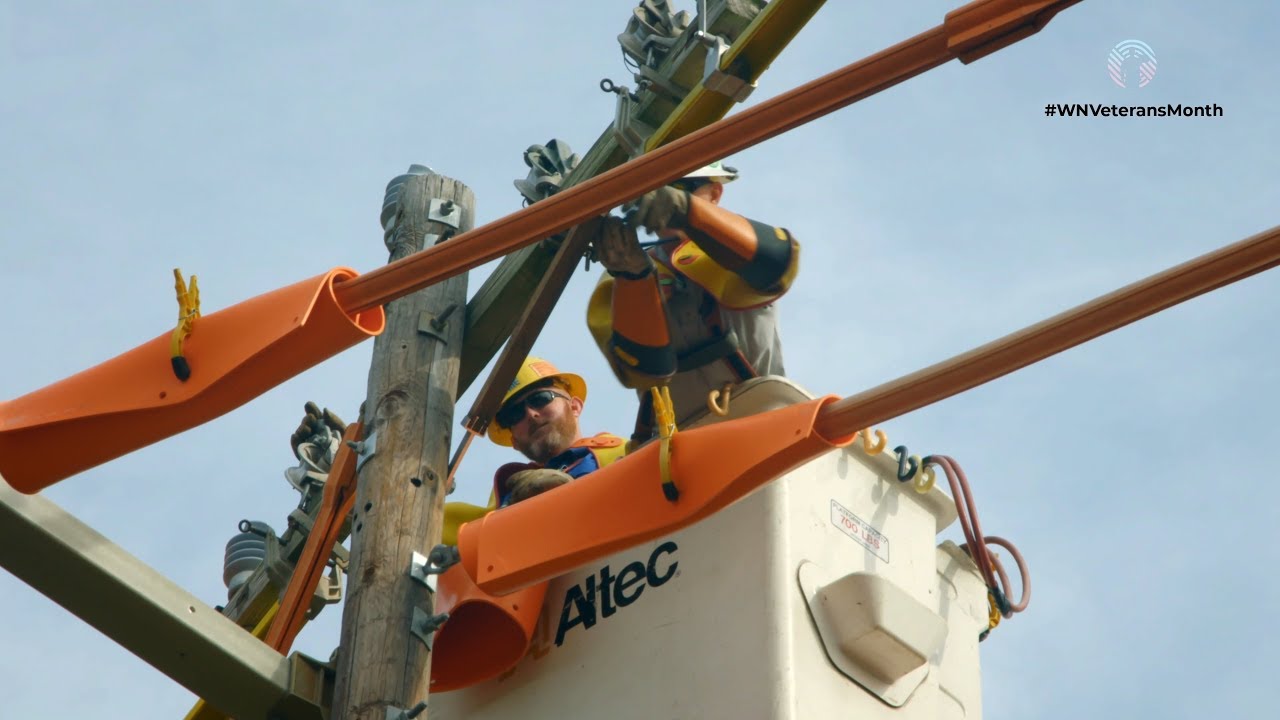
- Using bucket trucks and other aerial devices
- Setting poles and working with ropes, winches, and rigging
- Performing simulated energized-work tasks under strict controls
- Practicing first aid, CPR, and high-angle rescue
- Reading maps, construction plans, and utility specifications
- Responding to mock storm damage and outage scenarios
The academic workload is manageable for many students, but it isn't effortless. You'll need to remember technical vocabulary, interpret diagrams, perform basic calculations, write safety documentation, and pass written exams. Some schools require a drug test, physical assessment, or minimum grade in safety courses.
Physical preparation is equally important. Lineworkers regularly climb, lift, balance, kneel, work with their arms above shoulder height, and carry tools while wearing heavy protective equipment. You don't need to arrive as a professional athlete, but you should be willing to improve your cardiovascular fitness, grip strength, core stability, and mobility.
The biggest adjustment may be learning to work slowly when rushing feels natural. In electrical line work, a few seconds saved through carelessness can create a life-changing injury. Good programs teach technical confidence without encouraging recklessness.
Career Paths And Job Opportunities For Power Line Technicians Majors
Job opportunities for power line technicians majors exist across the electric utility and infrastructure sectors. Your first position may not carry the title "lineworker." Many graduates enter as groundmen, line apprentices, utility construction laborers, or helper positions before progressing through employer training.
Potential employers include:
- Investor-owned electric utilities
- Public power departments and municipal utilities
- Rural electric cooperatives
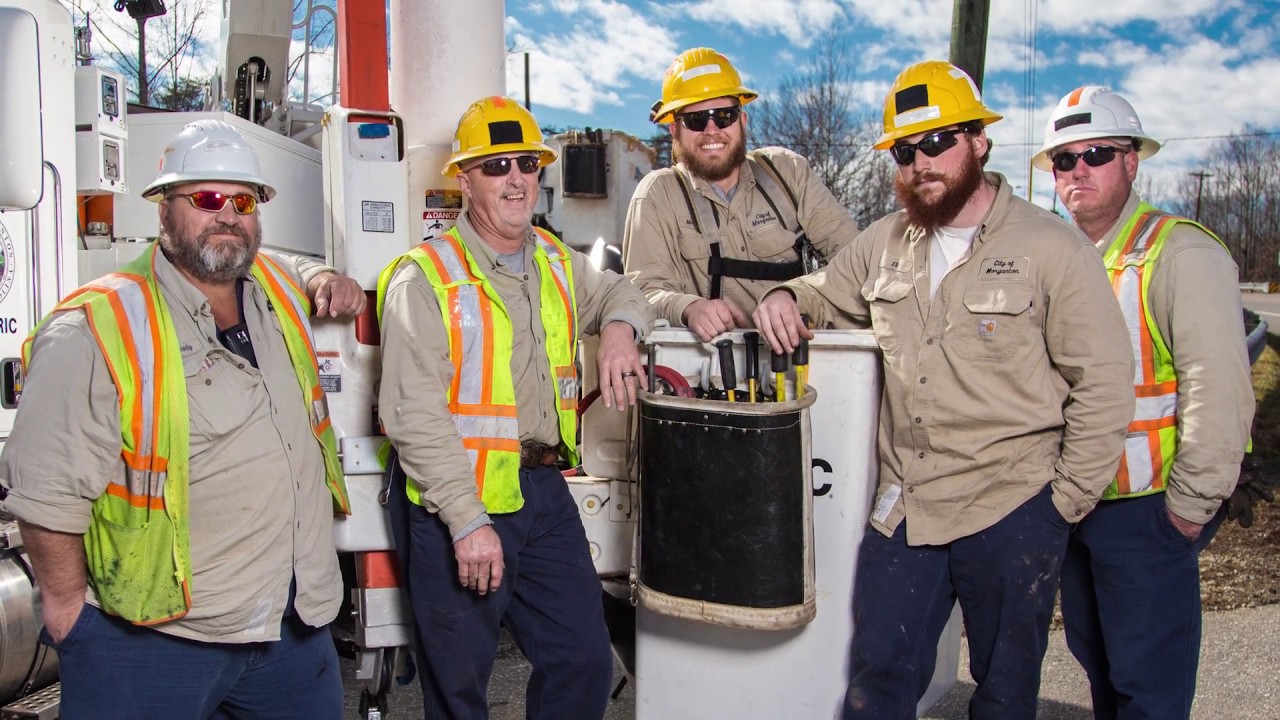
- Utility construction and storm-restoration contractors
- Transmission and substation contractors
- Renewable-energy infrastructure companies
- Telecommunications and fiber-construction companies
- Government agencies and public works departments
A common path looks like this: you complete a technical program, obtain any required commercial driver's license, secure a groundman or apprentice role, and accumulate supervised hours. As your skills grow, you may become a journeyman lineworker. Later, you could move into transmission, substation work, crew leadership, inspection, safety, training, estimating, or operations management.
Storm response can create opportunities and higher overtime earnings, but it also means extended travel and demanding conditions. You may be away from home during hurricanes, ice storms, wildfires, or major outages. Some workers value the adventure and extra income: others find the schedule exhausting.
Employment prospects vary by region, utility investment, retirements, construction activity, and infrastructure upgrades. The federal labor outlook is useful, but it won't predict hiring at one particular utility. Search Apprenticeship.gov and local utility career pages to identify actual openings and registered apprenticeship routes.
Expected Starting Salary In The US For Power Line Technicians Majors
The expected starting salary in the US for power line technicians majors depends heavily on your job title, union status, location, overtime, storm work, and prior experience. A student entering as a groundman or apprentice generally earns less than a qualified journeyman, even if both completed similar college training.
National wage data for electrical power-line installers and repairers often shows earnings well above the overall median for all occupations. But, you shouldn't treat the national median as a starting offer. Use it as a long-term reference point, then research entry-level wages in your state.
| Career stage | Typical compensation pattern |
|---|---|
| Groundman or helper | Entry wage: may increase with hours and qualifications |
| Apprentice lineworker | Scheduled increases as you complete training milestones |
| Journeyman lineworker | Higher base pay, often with overtime and differentials |
| Foreman or specialized technician | Greater responsibility and potentially higher earnings |
Overtime, per diem, travel pay, hazard-related premiums, and storm deployments can substantially change annual income. They can also make salary comparisons misleading: a high total may reflect long hours, frequent travel, or months of physically demanding emergency work.
When researching pay, ask employers these specific questions:
- Is the posted wage hourly, annual, or total compensation?
- Does the apprenticeship include scheduled raises?
- Are health insurance, retirement, and paid leave included?
- How often are overtime and storm assignments available?
- Who pays for tools, CDL training, and required certifications?
Use the BLS Occupational Employment and Wage Statistics data and your state's labor-market website for current figures. Also compare net earnings with local housing costs. A strong wage in a rural area may stretch further than a larger paycheck in an expensive metropolitan region.
Benefits And Drawbacks Of Choosing This Major
Power line technology offers a direct, practical route into a career, but the trade-offs are substantial.
Benefits
- Shorter training path: You may qualify for entry-level work in months rather than spending four years earning a bachelor's degree.
- Lower educational cost: Community-college tuition can be considerably lower than residential university costs.
- Specialized skills: Electrical, equipment, safety, and construction abilities can remain valuable across employers and regions.
- Strong earning potential: Experienced lineworkers may earn attractive wages, especially with overtime and specialized work.
- Visible contribution: Restoring power after an outage gives your work an immediate, tangible purpose.
- Career mobility: Experience can lead to transmission, substations, supervision, safety, instruction, or utility management.
- Less desk time: If you dislike sedentary work, the outdoor and active environment may suit you.
Drawbacks
- Serious hazards: Electricity, heights, traffic, heavy equipment, and severe weather all create real risks.
- Physical wear: Repetitive lifting, climbing, awkward positions, and long shifts can affect your body over time.
- Irregular schedules: Emergency restoration may involve nights, weekends, holidays, and extended travel.
- Weather exposure: You may work in heat, rain, snow, wind, and uncomfortable conditions.
- Limited remote work: This career requires your physical presence at a worksite.
- Variable entry pay: Apprenticeship wages may feel modest before scheduled increases arrive.
- Lifestyle demands: Travel and on-call expectations can strain relationships or conflict with family priorities.
The major is a good value when you genuinely want field-based infrastructure work, not merely when you see an attractive salary figure. Money may get you through the first semester: motivation and discipline are what carry you through the first storm season.
Comparison With Related Skilled Trades And College Programs
Power line technology is one of several strong alternatives to a traditional four-year major. The best choice depends on how you want to work, what risks you accept, and how quickly you want to enter the labor market.
| Program or trade | Main work setting | Training pattern | Best fit if you prefer |
|---|---|---|---|
| Power line technology | Utility corridors and worksites | Certificate, associate degree, apprenticeship | Outdoor work, heights, electrical infrastructure |
| Electrical technology | Homes, businesses, industrial sites | Certificate, associate degree, apprenticeship | Wiring, troubleshooting, and building systems |
| HVAC technology | Residential and commercial buildings | Certificate or associate degree | Mechanical systems and customer service |
| Welding | Fabrication shops, construction, plants | Certificate or apprenticeship | Metalwork, precision, and varied projects |
| Heavy equipment operation | Construction and utility sites | Short program or employer training | Machines, excavation, and earthmoving |
| Engineering | Office, lab, and project sites | Usually bachelor's degree | Design, analysis, and broader technical planning |
| Construction management | Offices and active construction sites | Associate or bachelor's degree | Scheduling, budgets, and leadership |
Compared with electrical technology, line work is generally more outdoor, physical, and height-oriented. Compared with engineering, it requires less formal education but usually offers fewer design and office-based pathways. Compared with welding or HVAC, line work may offer particularly strong utility-sector benefits, though the hazard and travel profile can be greater.
You should also compare programs by total return, not just starting salary. A low-cost certificate with employer placement may outperform an expensive degree if it leads quickly to paid apprenticeship hours. On the other hand, an associate degree can provide broader education and a foundation for later supervision or management coursework.
Why Major In Power Line Technicians: Fit, Preparation, And Student Considerations
Why major in power line technicians? The strongest reason is alignment: you want practical work, you're comfortable outdoors, and you're willing to accept risk and responsibility in exchange for specialized skills and a direct career path.
Before applying, test your assumptions. Shadow a line crew if a local utility permits it. Attend an information session. Talk with a current apprentice, not only a program recruiter. Ask what a normal week looks like during calm periods and what happens during an emergency restoration event.
You can prepare by:
- Taking algebra, physics, shop, or electrical courses in high school or community college.
- Building general fitness gradually, especially grip, core, legs, and cardiovascular endurance.
- Practicing punctuality, communication, and careful procedure-following.
- Earning CPR/first-aid credentials if they're available.
- Researching CDL requirements and your driving record.
- Comparing at least three programs' tuition, equipment, completion rates, and employer partnerships.
- Applying for scholarships and grants before borrowing for tools or tuition.
The Studentscholarships.org scholarship search can help you look for funding while you compare technical colleges and career-training costs. Ask each school about institutional aid, workforce grants, employer sponsorships, and payment plans.
You should reconsider the major if you strongly dislike heights, have medical limitations that affect climbing or lifting, need predictable daytime hours, or want a career that can be performed remotely. A related electrical or engineering program may be a better fit. Choosing another path isn't failure: it's good career planning.
Power Line Technicians College Major FAQs
What does a power line technician college major typically involve?
The major focuses on learning electrical theory, safety, climbing, construction, equipment operation, and emergency response to prepare students for installing, maintaining, and repairing electrical transmission and distribution systems.
How long does it take to complete a power line technician program?
Programs typically last from about 6 months to 2 years, offering certificates, diplomas, or associate degrees, often preparing students for apprenticeships and employer expectations rather than transferring to four-year universities.
What kind of career opportunities are available after majoring in power line technology?
Graduates can work for utilities, contractors, cooperatives, municipalities, and telecommunications companies in roles such as line apprentices, groundmen, or journeyman lineworkers, with potential growth into supervisory or specialized positions.
What are the physical and safety demands of a power line technician career?
The job is physically demanding, requiring climbing poles, lifting, balance, and working in varied weather. Safety training is critical, including protective equipment use, rescue techniques, and hazard awareness to manage high-risk electrical and height-related dangers.
How does the starting salary for power line technicians compare to other careers?
Starting wages for apprentices or groundmen vary by location and employer but can be lower initially. Experienced journeyman lineworkers often earn well above median wages for many occupations, especially with overtime and storm work premiums.
Is a power line technician major a good alternative to a traditional four-year degree?
Yes, it offers a quicker, cost-effective path into a specialized, well-paid career focusing on hands-on outdoor work and electrical infrastructure, though it involves physical risks and less desk-based work compared to traditional degrees.