If you're searching for a "Winder electrician college major," you may be looking for a practical way to start an electrical career in Winder, Georgia, not a traditional four-year major literally named Electrical Electrician. Most students enter this field through a certificate, technical diploma, associate degree, or paid apprenticeship. Those routes can lead to residential, commercial, industrial, maintenance, and electrical-construction jobs without requiring four years of university tuition.
This review explains what you would study, how hands-on training works, which credentials matter, what you might earn, and whether an electrician program offers better value than a conventional bachelor's degree. It also covers local considerations, including Georgia licensing, technical colleges, apprenticeships, and the job market around Winder, Athens, Gainesville, and metro Atlanta.
Salary figures are national estimates and can vary significantly by experience, employer, overtime, specialization, and location. Before enrolling, confirm current costs, transfer options, apprenticeship partnerships, and licensing requirements directly with the school and the Georgia State Construction Industry Licensing Board.
Winder Electrician Major At A Glance
A Winder electrician program is best understood as a career pathway rather than a standard college major. You may find it under names such as Electrical Construction Technology, Residential and Commercial Wiring, Electrical Systems Technology, or Industrial Electrical Technology. In the Winder area, your options may include a technical college certificate or diploma, an associate degree, or an employer-sponsored apprenticeship.
| Path | Typical length | Main outcome | Best fit |
|---|---|---|---|
| Technical certificate | One semester to one year | Entry-level electrical skills | You want a fast start |
| Technical diploma | About one to two years | Broader wiring and construction preparation | You want structured training |
| Associate degree | About two years | Technical education plus general studies | You want advancement or transfer options |
| Apprenticeship | Usually three to five years | Paid work plus classroom instruction | You want to earn while learning |
Your coursework generally prepares you for entry-level work: it does not automatically make you a licensed independent electrical contractor. In Georgia, licensing and supervision rules depend on the type of work and the license sought. You should treat school as the foundation and accumulate supervised work experience afterward.
For a potential college student, the strongest value proposition is straightforward: you can develop a marketable skill, enter the workforce relatively quickly, and avoid much of the debt associated with a four-year degree. The trade-off is that the work is physical, safety-sensitive, and often demanding on your schedule.
What Students Learn In A Winder Electrician Program
A credible program should teach you how electrical systems work and how to install, test, troubleshoot, and repair them safely. You'll usually begin with electrical theory before moving into increasingly realistic lab assignments.
Core curriculum
Common subjects include:
- Direct-current and alternating-current theory
- Ohm's law, voltage, current, resistance, and power
- Wiring methods and conductor selection
- Residential branch circuits and service panels
- Commercial raceways, conduit bending, and three-phase systems
- Motors, transformers, controls, and relays
- Blueprint reading and electrical diagrams
- Grounding, bonding, overcurrent protection, and safety procedures
- National Electrical Code concepts
- Digital multimeters and other test equipment
- Programmable controls or industrial automation, in more advanced programs
You may also study OSHA practices, first aid, job-site communication, estimating, and basic algebra. Those topics can feel less exciting than wiring a panel, but they matter. An electrician's mistake can damage equipment, cause a fire, or injure someone.
Labs are where classroom knowledge becomes useful. You might build a lighting circuit, wire receptacles, install switches, troubleshoot a simulated fault, or practice bending conduit to precise measurements. Ask whether the school supplies modern panels, motors, controls, and testing equipment. A program that relies mainly on worksheets may not prepare you well for an actual job site.
You should also look for instruction in emerging systems such as electric-vehicle charging, solar installations, backup generators, energy management, and low-voltage controls. These subjects aren't required for every entry-level role, but they can improve your long-term flexibility.
How To Evaluate Program Quality And College Value
The cheapest program is not automatically the best value. Compare the total cost and the quality of the pathway into employment.
Start with these questions:
- Is the school accredited or state-approved? Confirm that the institution is authorized to operate and that the credential is recognized by local employers.
- How much lab time is included? A strong electrical program should provide substantial supervised practice, not only online lectures.
- Are instructors experienced electricians? Teachers who have worked in construction, maintenance, or industrial settings can connect theory to real problems.
- What equipment will you use? Look for training panels, conduit, motors, controls, meters, and code resources that resemble current workplaces.
- Does the program connect you with employers? Job fairs, internships, cooperative education, and apprenticeship referrals are meaningful advantages.
- What are completion and employment outcomes? Request recent figures and ask how the school defines "employment."
- Can credits transfer? If you may pursue construction management, engineering technology, or another degree later, confirm transfer agreements in writing.
Calculate more than tuition. Include tools, books, safety gear, transportation, exam fees, and lost work hours. Then subtract grants, scholarships, and employer assistance. You can search for potential funding through StudentScholarships.org, including awards that may help cover technical education.
A high-value program usually combines affordable tuition, accessible labs, flexible scheduling, employer relationships, and a realistic path to paid work. Be cautious of schools that promise high salaries without explaining licensing, experience, overtime, or local hiring conditions.
Hands-On Training, Apprenticeships, And Licensing Preparation
Electrical work is learned with your hands as well as your head. You should expect to spend time stripping conductors, terminating devices, reading diagrams, using meters, bending conduit, and diagnosing faults. Repetition matters because accuracy and safe habits must become automatic.
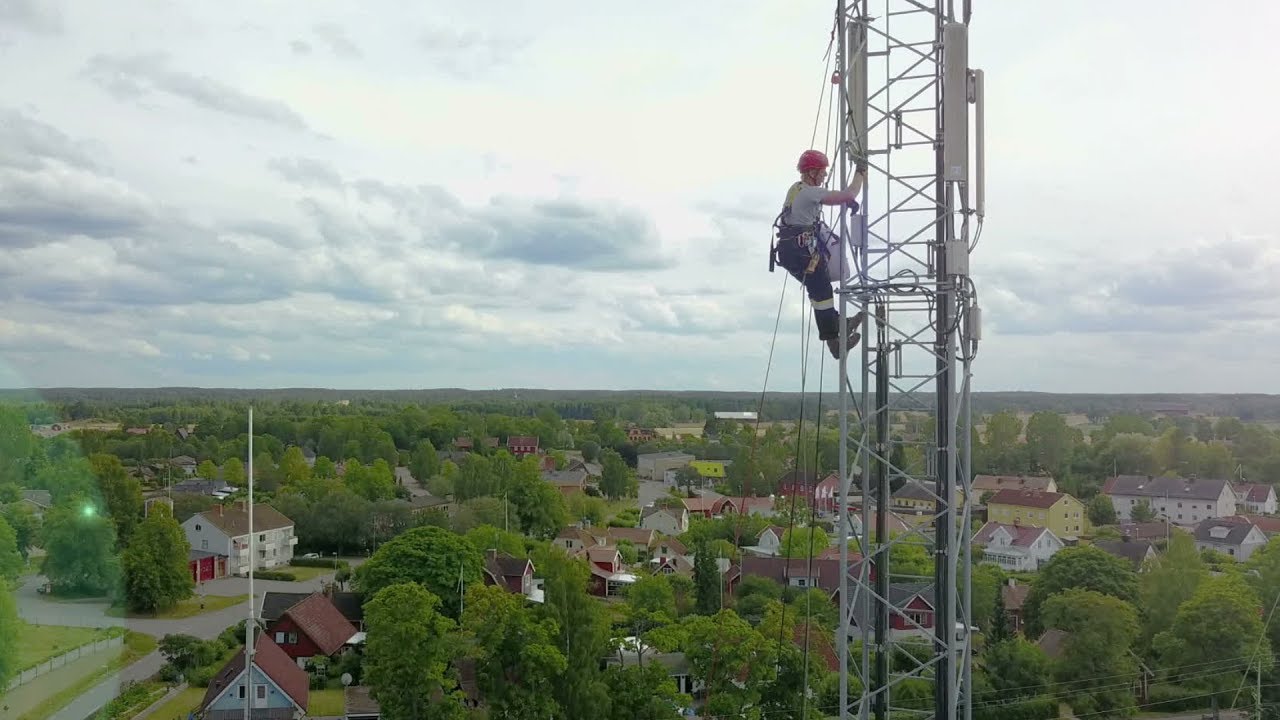
An apprenticeship adds the job-site experience a classroom cannot duplicate. As an apprentice, you typically work under qualified supervision while attending related technical instruction. You may learn to pull wire, install boxes, read plans, use lifts, maintain tools, and coordinate with other construction crews. You earn wages, although your starting rate is lower than a fully qualified electrician's rate.
Before enrolling, ask whether the college operates an apprenticeship, works with contractors, or helps students apply to registered programs. You can also investigate opportunities through the U.S. Department of Labor Apprenticeship.gov.
Licensing is an especially important boundary. Completing a certificate or degree does not automatically authorize you to perform unsupervised electrical contracting. Requirements can involve documented experience, examinations, financial responsibility, and the appropriate state or local classification. Georgia's rules differ from those in neighboring states, so don't rely on a generic online checklist.
Your practical sequence may look like this:
- Complete foundational electrical coursework.
- Obtain entry-level employment or enter an apprenticeship.
- Track supervised hours and job responsibilities carefully.
- Build code knowledge and prepare for applicable examinations.
- Pursue additional credentials as your experience grows.
That progression is slower than a short online course, but it is far more credible to employers.
Job Opportunities For Winder Electrician Majors
Job Opportunities for Winder Electrician Majors extend well beyond installing outlets in houses. Winder's location near Athens, Gainesville, and the broader Atlanta region may give you access to residential construction, commercial development, manufacturing, facilities maintenance, and service work.
Potential entry-level roles include electrical helper, apprentice electrician, residential wiring technician, electrical installer, maintenance trainee, and low-voltage technician. With experience, you may move into roles such as journeyman-level electrician where applicable, industrial maintenance electrician, controls technician, service electrician, foreperson, estimator, or project supervisor.
Different work settings demand different strengths:
- Residential: New construction, remodeling, service calls, panels, lighting, and troubleshooting.
- Commercial: Larger buildings, conduit, three-phase power, fire or access systems, and construction coordination.
- Industrial: Motors, machinery, controls, preventive maintenance, and production uptime.
- Facilities: Ongoing repairs and inspections in schools, hospitals, warehouses, and offices.
- Energy and technology: Solar, battery storage, generators, EV chargers, and building automation.
The Bureau of Labor Statistics electrician occupational profile provides national employment information, but local openings can fluctuate with construction cycles. Search current postings before choosing a specialty. Notice which credentials employers request, whether overtime is common, and how far you may need to commute.
Your long-term options can also include self-employment. But, running an electrical contracting business requires more than technical ability. You'll need customer service, estimating, scheduling, insurance, code compliance, bookkeeping, and the correct licensing.
Expected Starting Salary In The US For Winder Electrician Majors
The Expected Starting Salary in the US for Winder Electrician Majors depends heavily on what "starting" means. A student with no field experience may begin as a helper or first-year apprentice. Someone who completes a program and already has construction experience may qualify for a stronger offer. Overtime, night shifts, travel, and industrial work can also change the total.
The BLS reports occupation-wide wage data for electricians rather than a guaranteed wage for recent graduates. For current national figures, review the latest BLS wage and employment data. As a general planning estimate, an entry-level worker might see roughly $16 to $25 per hour, or about $33,000 to $52,000 annually before overtime, assuming full-time work. Local employers may offer less or more.
| Career stage | Approximate planning range | What typically affects pay |
|---|---|---|
| Helper or new apprentice | $16–$22/hour | Experience, tools, employer, location |
| Developing apprentice | $20–$30/hour | Documented hours, productivity, job type |
| Experienced electrician | $28–$45+/hour | License, specialty, overtime, leadership |
| Contractor or business owner | Highly variable | Revenue, expenses, customers, risk |
These are not promises. Benefits can materially improve compensation, particularly health insurance, retirement contributions, paid leave, and tuition support. Union and nonunion employers may structure wages differently.
When comparing an offer, calculate total compensation and advancement speed. A lower first-year wage with paid classroom training, benefits, and regular raises may beat a slightly higher wage with no instruction or unreliable hours. Ask how raises work and what milestones qualify you for them.
Why Major In Winder Electrician: Benefits And Drawbacks
Why Major in Winder Electrician? The answer depends on whether you value practical training, relatively quick entry into employment, and hands-on problem-solving more than a traditional campus experience.
Benefits
- Lower education cost: A certificate or technical diploma is often far less expensive than a bachelor's degree.
- Shorter route to income: You may begin paid work while continuing your education.
- Transferable skill: Electrical systems are needed in homes, businesses, factories, and public facilities.
- Multiple specialties: You can move toward controls, industrial maintenance, renewable energy, service, or construction.
- Entrepreneurial potential: Experience can eventually support a contracting business.
- Less desk-bound work: Many people prefer active tasks and visible results.
Drawbacks
- Physical demands: You may climb, kneel, lift, work in tight spaces, and stand for long periods.
- Safety risk: Electricity, ladders, vehicles, tools, and construction sites require constant attention.
- Irregular schedules: Emergency calls, deadlines, heat, cold, and overtime are common in some jobs.
- Licensing takes time: Graduation is only one step toward independent work.
- Income varies: Construction slowdowns or limited local openings can affect hours.
- Tools and transportation cost money: You may need reliable transportation and a growing collection of equipment.
The program is not a shortcut to effortless money. It is an investment in competence. You'll get the most value if you're willing to learn code requirements, accept supervision, maintain safety habits, and keep developing after graduation.
Winder Electrician Major Compared With Related Skilled Trades
Electrical technology is only one route into a skilled-trades career. Compare it with alternatives before you commit.
| Program | Typical work | Strengths | Possible drawbacks |
|---|---|---|---|
| Electrical technology | Wiring, controls, power, troubleshooting | Broad applications and specialty options | Code-heavy and safety-sensitive |
| HVAC technology | Heating, cooling, refrigeration | Strong service demand: mechanical variety | Seasonal workload and outdoor conditions |
| Plumbing | Water, drainage, gas, fixtures | Essential systems: service and construction | Physically demanding and sometimes dirty |
| Welding | Fabrication, repair, manufacturing | Portable skill and specialized niches | Heat, fumes, and repetitive work |
| Industrial maintenance | Machinery, motors, controls | Strong fit for manufacturing | Shift work and complex troubleshooting |
| Construction management | Planning, budgets, crews, schedules | Leadership and office-field combination | More administrative responsibility |
Electrical work may suit you if you enjoy tracing cause and effect. A dead circuit, for example, turns into a diagnostic puzzle: Is the issue the supply, breaker, connection, device, or load? If you'd rather work with airflow and mechanical systems, HVAC may be a better fit. If you want fabrication and visible metalwork, welding could feel more natural.
Also consider the work environment. Industrial maintenance may offer stable employment but require rotating shifts. Residential service can provide independence but involves customer interaction and driving. Construction can deliver variety but may be cyclical.
The smartest comparison is local and specific. Collect ten job postings for each trade near Winder, record required education and pay, and compare those demands with your interests and physical preferences. Career fit matters more than a national ranking.
Who Should Choose This College Major?
You may be a strong candidate for a Winder electrician program if you:
- Like practical problem-solving and learning by doing
- Can use basic algebra and are willing to strengthen math skills
- Pay close attention to details and procedures
- Communicate clearly with supervisors, customers, and coworkers
- Can work safely even when tasks are repetitive or rushed
- Don't mind heights, tight spaces, outdoor conditions, or physical activity
- Want a career that can grow through experience and specialization
You don't need to arrive as a wiring expert. Good programs teach fundamentals. But you do need patience. Electrical troubleshooting is rarely dramatic: often it means testing one possibility at a time instead of guessing.
Before applying, visit a lab or shadow an electrician if possible. Ask yourself whether you can imagine doing the ordinary parts of the job, not just the appealing idea of earning a good wage. Talk to at least one apprentice and one experienced electrician. Their perspectives may differ, and that difference is useful.
You should also examine practical constraints. Can you reach a job site by early morning? Can you afford tools and transportation? Would evening classes work with your schedule? Do you have a plan for income while completing training?
If you want a mostly remote career, dislike physical work, or expect a credential to guarantee a high salary immediately, this may not be the right major. If you want a tangible skill and are comfortable progressing step by step, it deserves serious consideration.
Frequently Asked Questions about Winder Electrician College Major
What is the typical educational path for becoming an electrician in Winder, Georgia?
In Winder, students usually pursue certificates, technical diplomas, associate degrees, or apprenticeships to start an electrical career. These options provide practical training without requiring a traditional four-year university degree.
What subjects are commonly taught in a Winder electrician program?
Programs cover electrical theory, wiring methods, motors, transformers, safety procedures, the National Electrical Code, blueprint reading, and hands-on skills like conduit bending and troubleshooting.
How important is hands-on training and apprenticeships for electrician students in Winder?
Hands-on training and apprenticeships are critical for learning practical skills, gaining job-site experience, and combining paid work with technical instruction under supervision.
Can completing an electrician program in Winder immediately qualify me to work independently as a licensed electrician?
No, completing a program provides foundational knowledge, but Georgia licensing requires additional supervised work experience, exams, and meeting specific state or local requirements before independent contracting.
What are the expected starting salaries for electricians who complete training in Winder?
Entry-level electricians or apprentices typically earn between $16 and $25 per hour nationally, roughly $33,000 to $52,000 annually before overtime, though local pay varies with experience and employer.
What are the benefits and drawbacks of majoring in electrician technology in Winder?
Benefits include lower education costs, faster entry into the workforce, and strong career flexibility. Drawbacks include physical demands, safety risks, irregular schedules, and the time needed to obtain licensing.