Choosing an architect college major is a serious decision. Architecture can lead to creative, meaningful work shaping homes, schools, workplaces, and public spaces, but the degree also demands long studio hours, technical precision, and patience with a licensing process that may continue after graduation.
This review helps you decide whether architecture fits your interests, strengths, budget, and career plans. You'll learn what architecture students study, what studio life is really like, which jobs are available, how much graduates may earn, and how the major compares with engineering, interior design, construction management, and urban planning. Salary and employment figures vary by location, degree level, experience, and licensure, so treat them as planning estimates rather than guarantees.
If you're comparing colleges, also investigate accredited programs, scholarship opportunities, internship placement, and total program cost. A strong portfolio matters, but so does choosing an educational path you can realistically afford and complete.
Architecture Major At A Glance
An architecture major combines art, design, mathematics, building science, technology, history, and communication. You learn to turn an idea into a building concept, and then develop that concept into drawings, models, specifications, and presentations that other professionals can understand.
Most students pursue a Bachelor of Architecture (B.Arch.), a professional degree commonly designed as a five-year program. Others complete a four-year Bachelor of Arts or Bachelor of Science in Architecture, followed by a professional Master of Architecture (M.Arch.). The best route depends on the school, your transfer plans, and whether you want to become a licensed architect.
| Category | What you should expect |
|---|---|
| Core focus | Building design, structures, materials, history, and environmental systems |
| Typical length | Four years for a pre-professional degree: about five years for many B.Arch. programs |
| Work style | Studio projects, critiques, research, technical assignments, and teamwork |
| Useful strengths | Creativity, visual thinking, persistence, organization, and communication |
| Common outcome | Architectural designer, with licensure requiring additional experience and exams |
Architecture is not simply "drawing houses." You'll balance aesthetics with safety codes, budgets, accessibility, climate, construction methods, and the needs of real users. That mix makes the major intellectually broad, but rarely easy.
Before applying, check whether the program is accredited by the National Architectural Accrediting Board. Accreditation can be important if you plan to pursue licensure in the United States.
What You Study In An Architecture Degree
Your first year may include drawing, design fundamentals, architectural history, digital modeling, and an introduction to construction. Later courses become more integrated: you might design a community center while coordinating structure, lighting, energy use, circulation, accessibility, and materials.
Typical architecture college major coursework includes:
- Design studios: The central sequence where you develop projects from research and early sketches to final presentations.
- Architectural history and theory: Global traditions, modern movements, cultural context, and the ideas behind design decisions.
- Building technology: Materials, construction assemblies, structural behavior, and how buildings stand up and perform.
- Environmental systems: Heating, cooling, ventilation, daylighting, energy efficiency, and sustainable design.
- Digital tools: Computer-aided drafting, Building Information Modeling (BIM), rendering, animation, and fabrication software.
- Professional practice: Contracts, project delivery, ethics, project management, regulations, and working with clients.
- General education: Writing, science, mathematics, social sciences, and electives that broaden your perspective.
You don't need to arrive as an expert in AutoCAD, Revit, or 3D rendering. But, comfort with technology helps. Strong writing also matters more than many students expect: architects must explain why a design works, not merely make it look attractive.
Course requirements differ significantly. Read the curriculum carefully and ask whether students can study sustainability, healthcare design, housing, historic preservation, computation, or other subjects that interest you.
Why Major In Architecture?
Why major in architect? More precisely, why major in architecture? The strongest reason is that you enjoy solving open-ended problems with both imagination and evidence. You may be drawn to the major if you want to combine creative work with practical constraints and see your ideas become physical places.
Architecture can offer several appealing benefits:
- Visible, lasting work. Your projects may influence how people live, learn, work, or gather for decades.
- A multidisciplinary education. You'll encounter art, engineering, psychology, business, history, sustainability, and technology.
- Multiple career directions. The degree can lead to design, visualization, preservation, planning, interiors, construction, research, or real estate.
- Meaningful public impact. Good design can improve accessibility, resilience, safety, and community life.
- A portfolio-based career. Your work can communicate your abilities in ways a transcript alone cannot.
The major is particularly rewarding when you enjoy revision. Your first idea will rarely be your final idea. Critiques can feel personal, but they're intended to test the project, not your worth, and learning to respond constructively is part of professional practice.
You should be cautious if you mainly want a quick, predictable path to a high salary. Architecture can be fulfilling, but the education is demanding and the financial payoff may take time. Talk with practicing architects, visit a studio, and review real job postings before committing.
Studio Work, Workload, And Student Experience
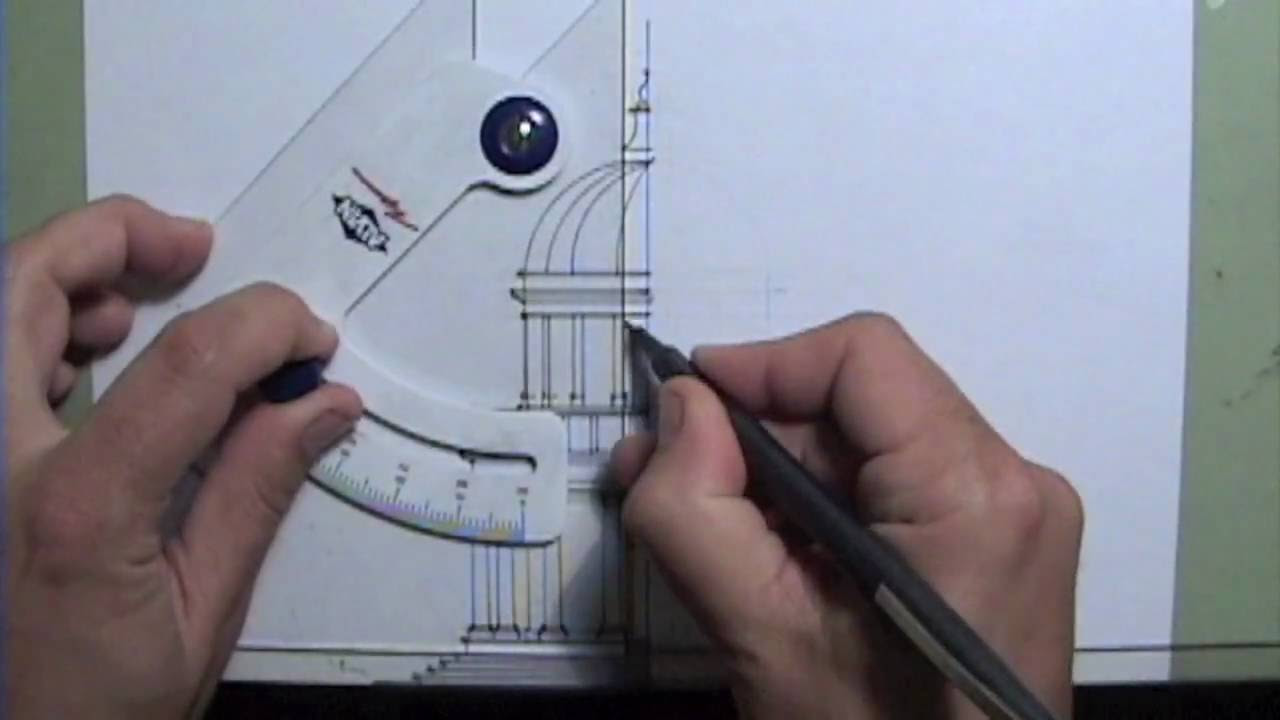
Studio is the defining feature of an architecture program. You may spend many hours researching a site, sketching alternatives, building physical or digital models, preparing drawings, and presenting your decisions to instructors and classmates. A project can change substantially after one critique, sometimes when you thought you were finished.
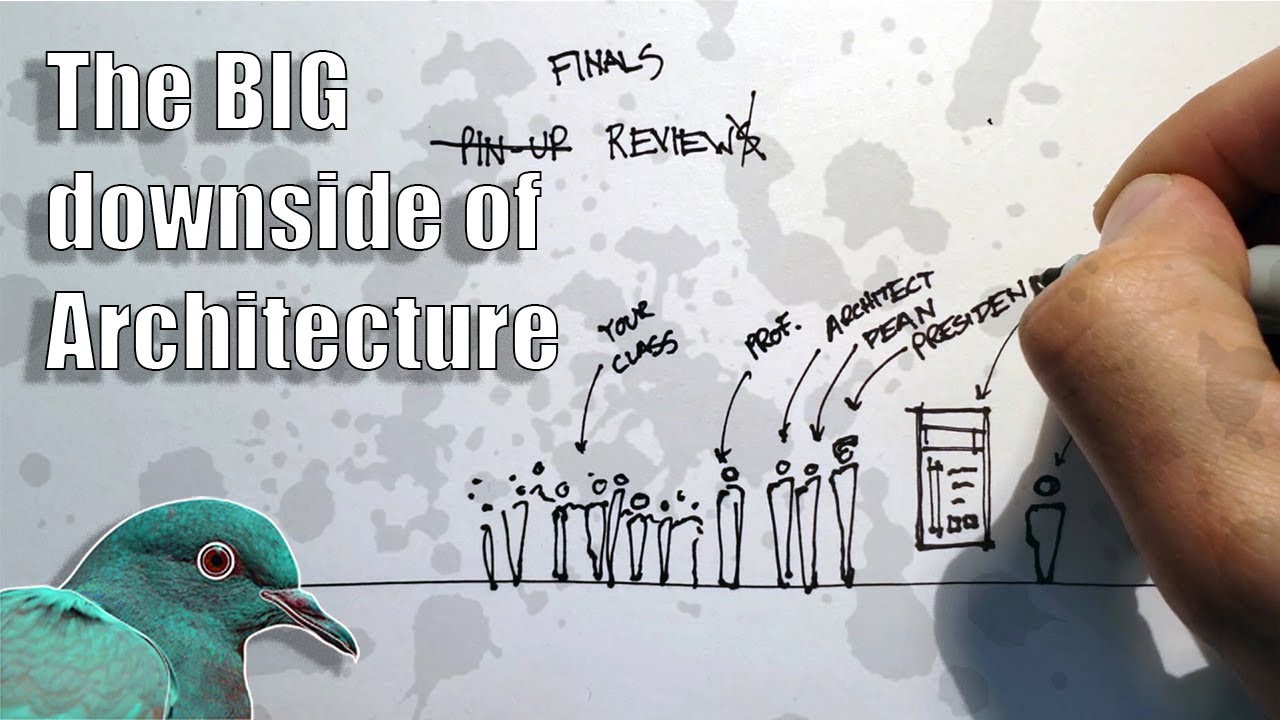
The workload often feels different from a lecture-based major. Instead of studying for one exam, you may manage a large project over several weeks while completing technical courses at the same time. Deadlines can cluster, especially near final reviews. Good time management is not optional.
A typical studio week might include:
- Site analysis and precedent research
- Hand sketches and iterative diagrams
- Plans, sections, elevations, and details
- 3D modeling or physical model fabrication
- Group coordination and peer feedback
- A pin-up or oral presentation
The experience varies by school. Some studios are collaborative and well-resourced: others are competitive or limited by equipment and space. Ask current students about all-nighters, faculty accessibility, critique culture, model-shop safety, software access, and whether the program supports student wellbeing.
You should also learn what "workload" means at a particular college. A listed three-credit studio may require far more weekly effort than a standard three-credit class. A productive studio develops discipline and confidence, but an unhealthy culture should not be treated as a badge of honor.
Skills And Criteria For Evaluating The Major
You don't need every skill before starting. Architecture school is where you develop them. Still, certain qualities make the major a better fit.
Creative and analytical thinking: You must generate original options, then test them against cost, structure, climate, code, and user needs. Creativity without analysis produces attractive but impractical concepts: analysis without imagination produces uninspiring solutions.
Spatial reasoning: You'll need to visualize how two-dimensional drawings describe three-dimensional spaces. Sketching, model-making, and geometry can help build this ability.
Communication: Your work is judged through drawings, models, writing, presentations, and conversations. Listening is as important as explaining.
Persistence: Projects are revised repeatedly. You'll need to accept ambiguity and continue when the solution isn't obvious.
Technical curiosity: Materials, digital tools, structures, energy systems, and construction details become increasingly important as you advance.
When evaluating a program, consider more than its reputation. Compare:
- NAAB accreditation and the school's licensing outcomes
- Faculty experience and student-to-faculty ratios
- Internship or co-op opportunities
- Studio facilities, fabrication equipment, and software access
- Specializations, exchange programs, and electives
- Total tuition, housing, fees, and materials costs
- Graduation, retention, and career-placement information
Ask to see upper-level student work, not only polished marketing images. You're evaluating the education you'll receive, not just the buildings shown in the brochure.
Job Opportunities For Architect Majors
Job opportunities for architect majors extend beyond the title "architect." With a bachelor's degree, you might begin as an architectural designer, junior designer, job captain, BIM specialist, project coordinator, or visualization artist. Employers may include architecture firms, engineering companies, contractors, developers, government agencies, and nonprofits.
Possible directions include:
| Career path | Typical work |
|---|---|
| Architectural design | Concepts, drawings, models, client presentations, and documentation |
| BIM or computational design | Digital building models, coordination, automation, and visualization |
| Construction | Estimating, scheduling, field coordination, and quality control |
| Urban or community planning | Land use, transportation, zoning, and public engagement |
| Interior or exhibition design | Interior environments, displays, materials, and user experience |
| Historic preservation | Research, documentation, rehabilitation, and conservation |
| Real estate development | Feasibility, entitlement, design coordination, and project strategy |
To use the protected professional title and practice architecture independently, you generally need education, documented experience, and the Architect Registration Examination through your state's licensing process. Requirements vary by jurisdiction. The National Council of Architectural Registration Boards' Architectural Experience Program (AXP) helps organize practical experience.
The job market can be cyclical because architecture depends on construction activity, interest rates, and local development. Internships, software fluency, a focused portfolio, and networking can improve your chances. Keep your options open: architecture skills transfer well, but the first job may not carry the word "architect."
Expected Starting Salary In The US For Architect Majors
The expected starting salary in the US for architect majors depends heavily on degree type, location, firm size, portfolio quality, software skills, and whether you have completed licensure. A new graduate usually enters as an intern architect or architectural designer rather than as a fully licensed architect.
The U.S. Bureau of Labor Statistics reports wage data for the occupation of architect, which includes workers at different experience levels. Its published median is hence not a starting salary. Use it as a broad career benchmark, not a promise for your first offer.
| Career stage | General interpretation |
|---|---|
| Entry-level designer or intern | Often the lowest salary tier: responsibilities and benefits vary widely |
| Experienced architectural staff | Higher pay as you manage documentation, coordination, and clients |
| Licensed architect or project manager | More responsibility and commonly stronger compensation |
| Principal or firm owner | Income varies substantially with business performance and ownership |
Large metropolitan areas may offer higher nominal pay but also much higher rent and transportation costs. A smaller city can produce a better lifestyle or savings rate even with a lower salary. Compare total compensation, including health insurance, retirement contributions, overtime policy, paid time off, and professional-exam support.
Ask employers whether they pay for AXP hours, exam fees, continuing education, and professional memberships. Those benefits can meaningfully reduce the cost of becoming licensed. When comparing offers, calculate hourly pay honestly if a firm expects frequent unpaid overtime.
Costs, Scholarships, And Return On Investment
Architecture can cost more than a typical four-year degree because some programs run five years and require studio equipment, software, printing, models, and specialized supplies. Your total cost includes tuition, housing, transportation, fees, laptop hardware, materials, and the income you give up while studying.
Before enrolling, build a realistic budget for each year. Ask the financial-aid office about architecture-specific lab fees and whether scholarships renew automatically. Search for awards through your college, professional organizations, local foundations, employers, and scholarship databases. Students can use Studentscholarships.org to explore scholarship opportunities and career guidance in one place.
A practical return-on-investment comparison should include:
- Total debt at graduation, not just annual tuition
- Expected entry-level compensation in your target region
- Program length and the cost of an additional master's degree
- Licensing expenses and the time required for exams and experience
- Graduation and employment outcomes
- Your ability to work during school without harming studio performance
Architecture may be a strong financial choice if you graduate with manageable debt, gain relevant experience early, and use the degree flexibly. It becomes riskier when you borrow heavily for a program with weak completion or placement results.
Look for assistantships, merit awards, paid internships, co-op programs, transfer credits, and used materials. Saving on supplies is useful, but choosing a cheaper accredited program may matter far more than shaving a few dollars off printing.
Architecture Compared With Related College Majors
Architecture overlaps with several majors, but each emphasizes a different type of work. Comparing them can clarify whether you want to design buildings, understand their technical systems, manage their construction, or shape the spaces around them.
| Major | Best fit if you enjoy | Main distinction from architecture |
|---|---|---|
| Civil engineering | Math, physics, infrastructure, and structural problem-solving | Usually more quantitative and focused on engineering performance |
| Construction management | Scheduling, budgets, contracts, and field operations | Focuses on delivering projects rather than primarily designing them |
| Interior design | Materials, furnishings, interiors, and human experience | Concentrates more deeply on interior environments |
| Urban planning | Policy, land use, transportation, and communities | Works at neighborhood, city, or regional scale |
| Landscape architecture | Ecology, outdoor spaces, grading, and planting | Designs sites and landscapes, often integrating buildings |
| Industrial design | Products, manufacturing, ergonomics, and user experience | Creates objects and systems rather than buildings |
Architecture may suit you if you want a broad design education and are comfortable balancing artistic and technical decisions. Civil engineering could be a better match if structural analysis and physics are your main interests. Construction management may offer a more direct route into project operations, while urban planning could fit you better if policy and public processes excite you.
You can also combine paths. Architecture students often add minors in real estate, sustainability, computation, business, or construction. Compare required courses and career outcomes instead of selecting a major based only on its name.
Pros And Cons Of Majoring In Architecture
Architecture is neither a guaranteed creative dream job nor a poor career choice. Its value depends on your goals, finances, tolerance for revision, and willingness to develop professionally beyond the classroom.
Pros
- You combine creativity with practical problem-solving.
- Studio work produces a portfolio you can show employers.
- The degree opens doors across design, construction, planning, technology, and development.
- Your work can improve safety, accessibility, sustainability, and community life.
- The education builds communication, research, visualization, and project-management skills.
- You can specialize in areas such as healthcare, housing, preservation, digital design, or climate response.
Cons
- Studio assignments can require intense, unpredictable hours.
- A professional degree may take five years, and a pre-professional degree may require graduate school.
- Supplies, software, printing, and model-making add costs.
- Entry-level pay may not immediately reflect the workload or educational investment.
- Licensure requires additional experience, exams, and persistence.
- Employment can fluctuate with construction and economic conditions.
- Critiques and subjective design decisions can be stressful.
Overall, the architect college major is a strong choice if you like making things, thinking spatially, accepting feedback, and working through complex constraints. It's less suitable if you want a short program, highly predictable assignments, or a fast route to maximum earnings.
Before you decide, visit a studio, interview a recent graduate, compare accredited programs, and calculate your likely debt. Choose architecture because the work itself interests you, not only because you like beautiful buildings. That test is simple, but it's remarkably revealing.
Architect College Major FAQs
What does an architect college major typically involve?
An architect college major combines art, design, math, building science, technology, history, and communication. Students learn to transform ideas into building concepts and then develop detailed drawings, models, and presentations for construction professionals.
How long does it usually take to complete a Bachelor of Architecture degree?
Most Bachelor of Architecture (B.Arch.) programs are designed as five-year degrees. Alternatively, some students complete a four-year pre-professional degree and then pursue a Master of Architecture to become licensed.
What kind of skills are important for success in an architecture major?
Key skills include creativity, spatial reasoning, persistence, technical curiosity, communication, and strong organizational abilities to manage complex projects and studio assignments effectively.
What career opportunities can an architecture degree lead to?
Graduates can work as architectural designers, BIM specialists, project coordinators, urban planners, historic preservationists, interior designers, or real estate developers, among other roles in design, construction, and planning sectors.
How does an architecture major differ from related fields like civil engineering or interior design?
Architecture focuses broadly on building design, balancing aesthetics and technical constraints, while civil engineering emphasizes structures and physics, and interior design concentrates more deeply on interior spaces and materials.
What should prospective architecture students consider about program costs and scholarships?
Architecture programs can cost more than typical degrees due to longer duration and material expenses. Students should budget for tuition, supplies, and living costs, and look for scholarships, paid internships, and co-op opportunities to reduce financial burden.