Choosing a physical therapy college major can feel like choosing two things at once: a demanding science education and a future built around helping people move, recover, and live more independently. It's a rewarding path, but it isn't a shortcut to becoming a licensed physical therapist. You'll usually need a bachelor's degree with prerequisite coursework, a Doctor of Physical Therapy (DPT) degree, and state licensure before you can practice.
This review examines what you'll study, how difficult the major can be, what clinical training involves, and what you can realistically expect from the job market. It also compares physical therapy with related alternatives such as exercise science, occupational therapy, and nursing. If you're exploring careers and looking for ways to reduce college costs, use this guide alongside scholarship searches and school-specific advising. The right program isn't simply the one with the most impressive title, it's the one that fits your academic strengths, finances, patience, and interest in hands-on patient care.
Physical Therapy Major At A Glance
A physical therapy college major typically prepares you for graduate-level physical therapy education rather than qualifying you to treat patients independently. Some colleges offer a specific pre-physical therapy track: others place students in exercise science, kinesiology, biology, or a similar major while they complete DPT prerequisites.
| Category | What you should know |
|---|---|
| Typical undergraduate length | Four years for a bachelor's degree |
| Professional degree | Usually a three-year Doctor of Physical Therapy (DPT) program |
| Core subjects | Anatomy, physiology, biomechanics, exercise science, psychology, and statistics |
| Clinical exposure | Observation hours, internships, or supervised experiences vary by school |
| Licensure | Required in every U.S. state: requirements vary by state |
| Best fit | Students who enjoy science, movement, coaching, and long-term patient relationships |
The phrase "physical therapy major" can hence be misleading. A bachelor's degree alone generally doesn't make you a physical therapist. Before enrolling, check whether your college has an established pathway to DPT programs and whether its courses satisfy the prerequisites of the graduate schools you may target. That small bit of research can prevent an expensive extra semester later.
What You Study In A Physical Therapy Major
Your coursework combines laboratory science with movement analysis and human behavior. Early classes may feel familiar, general biology, chemistry, physics, and psychology, but upper-level courses become more applied.
Common courses
- Human anatomy and physiology
- Exercise physiology and kinesiology
- Biomechanics and motor control
- General and abnormal psychology
- Statistics and research methods
- Nutrition or health promotion
- Medical terminology
- Physics and chemistry
- Strength and conditioning
- Therapeutic exercise, when available
You'll study how muscles, joints, nerves, and connective tissues work together, then apply that knowledge to movement and injury. Lab courses may involve identifying structures, collecting force or range-of-motion measurements, and interpreting performance data.
Strong programs also introduce evidence-based practice. You'll learn how to read research, judge whether a treatment study is reliable, and communicate findings clearly. Those skills matter because physical therapy is not just stretching and exercise demonstrations: modern care depends on clinical reasoning and research-informed decisions.
Look closely at the curriculum, especially if the program is called kinesiology or exercise science rather than physical therapy. Confirm the required DPT prerequisites, minimum grades, observation expectations, and whether courses expire under the policies of your preferred graduate programs.
How We Evaluate The Major
To evaluate a physical therapy college major fairly, you should look beyond its promotional description. A strong review considers five practical questions:
- Does it prepare you for DPT admission? Check prerequisite coverage, advising quality, average student outcomes, and opportunities to earn observation or clinical experience.
- Is the science foundation rigorous? Anatomy, physiology, chemistry, physics, and statistics should include enough laboratory and analytical work to prepare you for graduate study.
- Can you afford the full pathway? Calculate four years of undergraduate costs plus DPT tuition, fees, living expenses, transportation, and licensing costs. Search for scholarships early through resources such as StudentScholarships.org.
- Will you enjoy the daily work? Volunteer or observe in more than one setting, outpatient orthopedics, hospitals, rehabilitation centers, and sports clinics if possible.
- Are the outcomes transparent? Ask about graduation rates, DPT acceptance, retention, student debt, and clinical placement support.
This review weighs academic intensity, professional requirements, career prospects, salary, and alternatives. It does not assume that a high salary automatically makes the major worthwhile. Your satisfaction will depend heavily on whether you genuinely like working with people through slow, sometimes frustrating recovery processes.
Academic Workload And Student Experience
Expect a demanding workload, particularly once you begin upper-level science courses. Labs can consume several hours beyond lecture time, and anatomy often requires frequent memorization before you can use the information clinically. Physics, chemistry, and statistics may be challenging if your math foundation is weak.
The major is usually less solitary than it first appears. You may work in lab partners or small groups, practice movement assessments, present research, and coach classmates through exercises. That makes communication important. A student who earns excellent test scores but dislikes explaining concepts or accepting feedback may find the clinical side uncomfortable.
Time management becomes essential. Many students balance coursework with observation hours, volunteering, part-time employment, or leadership activities that strengthen DPT applications. A realistic weekly plan should include study blocks, exercise, sleep, and recovery, not just class time.
The experience can also be physically and emotionally demanding. You might spend long periods standing, assisting with transfers, or practicing techniques repeatedly. Later, patient-facing work requires patience when progress is measured in small gains. Before committing, shadow a practicing therapist and ask what the job is like on an ordinary Tuesday, not just during a successful rehabilitation story.
Why Major In Physical Therapy?
The strongest answer to "Why major in physical therapy?" is usually a combination of science, movement, and meaningful human contact. You can help someone return to work after an injury, regain independence after a stroke, manage chronic pain, or stay active as they age.
The profession also offers variety. Physical therapists work with children, athletes, older adults, surgical patients, and people with neurological or cardiopulmonary conditions. Workplaces range from hospitals and outpatient clinics to schools, home health agencies, and sports facilities.
Other advantages include:
- A profession centered on a clear, practical purpose
- Opportunities to specialize after graduation
- Direct relationships with patients over multiple visits
- Potential flexibility across clinical settings
- Strong demand linked to aging populations and rehabilitation needs
Still, don't choose the field only because you like sports or want a "hands-on" healthcare career. Much of the work involves documentation, insurance requirements, scheduling, patient education, and repeated exercises. You may also encounter pain, limited progress, and emotionally difficult cases.
Physical therapy is a good fit if you're curious about the human body, comfortable encouraging people, willing to keep learning, and able to combine empathy with careful clinical judgment. If you want brief interactions and fast visible results, another healthcare career may suit you better.
Clinical Training And Licensure Requirements
Clinical preparation occurs in stages. As an undergraduate, you may complete observation hours or volunteer in physical therapy settings. These experiences help you understand the profession and may be required by DPT programs. They usually do not count as independent clinical practice.
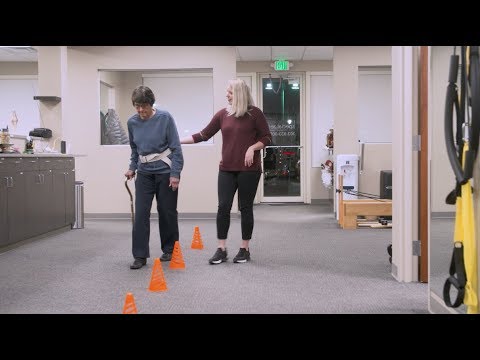
In a DPT program, you'll complete classroom instruction, laboratory training, and full-time clinical education under supervision. Clinical rotations can expose you to orthopedic, neurological, acute-care, pediatric, geriatric, and outpatient settings. The exact number and structure of rotations differ by program.
After earning the DPT, you must meet your state's licensing requirements. In general, that means graduating from an accredited program, passing the National Physical Therapy Examination (NPTE), and completing any state-specific application, jurisprudence, background-check, or continuing-education requirements. You can review state rules through the Federation of State Boards of Physical Therapy.
Accreditation matters. Verify that a DPT program is accredited by the Commission on Accreditation in Physical Therapy Education or has an appropriate accreditation status. Without the necessary educational credentials, you may not qualify for licensure.
The overall path commonly takes about seven years after high school: four years for undergraduate study and approximately three years for the DPT. Some students take longer if they need prerequisite courses or apply more than once.
Job Opportunities For Physical Therapy Majors
Job opportunities for physical therapy majors depend on whether you stop after the bachelor's degree or continue to the DPT. With only an undergraduate degree, you may qualify for roles such as rehabilitation aide, physical therapy technician, exercise specialist, fitness professional, or research assistant. These positions can provide useful experience, but they are not equivalent to practicing as a licensed physical therapist.
After completing the professional degree and licensure, you can pursue roles in:
- Outpatient orthopedic clinics
- Hospitals and inpatient rehabilitation
- Skilled nursing and long-term care facilities
- Home health
- Schools and early-intervention programs
- Sports medicine and performance centers
- Veterans' healthcare facilities
- Research, education, administration, or consulting
The U.S. Bureau of Labor Statistics projects faster-than-average employment growth for physical therapists, with demand supported by chronic disease, aging adults, and improved survival after injuries and serious illness. Local conditions still matter. A rural area may offer strong demand but fewer employers, while a major city may provide variety but more competition.
Your opportunities can expand through certifications, residency training, specialty experience, or leadership. But, specialization usually requires additional time and cost. Compare those benefits with your preferred lifestyle before assuming that every credential will produce a financial return.
Expected Starting Salary In The US For Physical Therapy Majors
The expected starting salary in the US for physical therapy majors varies sharply by education and job title. A bachelor's graduate working as a rehabilitation aide or exercise professional may earn considerably less than a licensed physical therapist. Salary websites sometimes blur these categories, so always check whether a figure refers to a PT, PT assistant, technician, or general exercise role.
For licensed physical therapists, the latest available BLS occupational data should be your most reliable national benchmark. The occupation's median annual wage was about $101,000 in the May 2024 data, although a new graduate's starting pay is often below the median. Location, setting, experience, productivity expectations, and benefits all affect an offer.
| Career stage or role | Salary interpretation |
|---|---|
| Rehabilitation aide or technician | Entry-level support role: usually does not require a DPT or PT license |
| Physical therapist assistant | Requires a separate accredited education and state licensure pathway |
| New physical therapist | Typically below the profession-wide median while building experience |
| Experienced physical therapist | May approach or exceed the national median, depending on setting and region |
Compare total compensation, not just the advertised salary. Health insurance, retirement contributions, paid time off, loan assistance, weekend requirements, caseload size, and continuing-education support can change the value of an offer. Most importantly, don't borrow based on the median salary alone. Estimate your likely debt and monthly payment before choosing an expensive DPT program.
Pros, Cons, And Alternatives To Consider
Pros
- Meaningful, patient-centered work
- Strong science and movement foundation
- Many patient populations and practice settings
- Positive long-term employment outlook
- Opportunities for specialization and leadership
- A career that combines coaching, analysis, and hands-on care
Cons
- Long educational pathway before independent practice
- DPT tuition can create substantial debt
- Competitive admission and demanding prerequisites
- Physical strain from standing, lifting, and assisting patients
- Documentation, billing, and insurance responsibilities
- Patient progress can be gradual or uncertain
Alternatives worth comparing
| Alternative | How it differs |
|---|---|
| Physical therapist assistant | Shorter education pathway and works under a PT's direction |
| Occupational therapy | Focuses on daily activities, adaptation, and functional independence |
| Athletic training | Centers more on injury prevention, evaluation, and sports-related care |
| Exercise science | Broader undergraduate field: may lead to fitness, wellness, or graduate programs |
| Nursing | Wider medical scope, often with more acute-care responsibilities |
| Occupational or speech-language therapy | Different rehabilitation focus, with its own graduate and licensure requirements |
Your best alternative depends on what you want to do every day. If you want to design rehabilitation plans and manage movement-related care, physical therapy may be the clearest fit. If you want a shorter route into rehabilitation, investigate PTA programs. If your interest is primarily performance, wellness, or research, exercise science may provide more flexibility, but it may offer less direct professional structure after graduation.
Frequently Asked Questions About Physical Therapy College Major
What does a physical therapy college major typically involve?
A physical therapy college major usually includes four years of undergraduate study focusing on anatomy, physiology, biomechanics, exercise science, and psychology. It prepares students for graduate-level Doctor of Physical Therapy (DPT) programs rather than independent practice.
Can I become a licensed physical therapist with just a bachelor's degree in physical therapy?
No, a bachelor's degree alone does not qualify you to practice as a licensed physical therapist. You must complete a Doctor of Physical Therapy (DPT) program and meet state licensure requirements to practice independently.
What kind of clinical training is involved in a physical therapy major and beyond?
Undergraduates complete observation hours or volunteering, while DPT programs include supervised clinical rotations in various settings like orthopedics and neurology. Licensure follows after education and passing the National Physical Therapy Examination (NPTE).
How difficult is the academic workload for a physical therapy college major?
The major is academically demanding, especially in upper-level science courses like anatomy, physics, and chemistry. It requires strong memorization, lab work, effective time management, and good communication skills for clinical practice.
What career options are available with a physical therapy degree?
With a bachelor's degree, you might work as a rehabilitation aide or exercise specialist. After a DPT and licensure, careers include outpatient clinics, hospitals, sports medicine, home health, and specialized therapy roles.
How does physical therapy compare to related majors like exercise science or occupational therapy?
Physical therapy focuses on rehabilitation and restoring movement, requiring a DPT and licensure. Exercise science covers fitness and wellness with broader applications. Occupational therapy emphasizes daily living activities and functional independence, each with distinct education and licensing.