Choosing a college major is easier when you understand what your future work will actually feel like, not just what the degree is called. A landscape architecture major combines design, environmental science, planning, technology, and communication. You might spend one day sketching a public plaza, another analyzing stormwater drainage, and a third presenting your ideas to a review panel.
That variety is the major's biggest attraction, and one of its challenges. Landscape architecture is creative, but it isn't simply "drawing gardens." You'll study ecology, grading, construction materials, site engineering, urban development, and professional regulations. You'll also complete demanding studio projects that require long-term time management.
This review explains what you study, how you're evaluated, what careers are available, what you might earn, and how the cost compares with related majors. It's designed to help you decide whether landscape architecture fits your interests, abilities, and financial goals. Salary and employment figures can vary by location, experience, licensure, and employer, so use this guide as a starting point, not a guarantee.
Landscape Architecture Major At A Glance
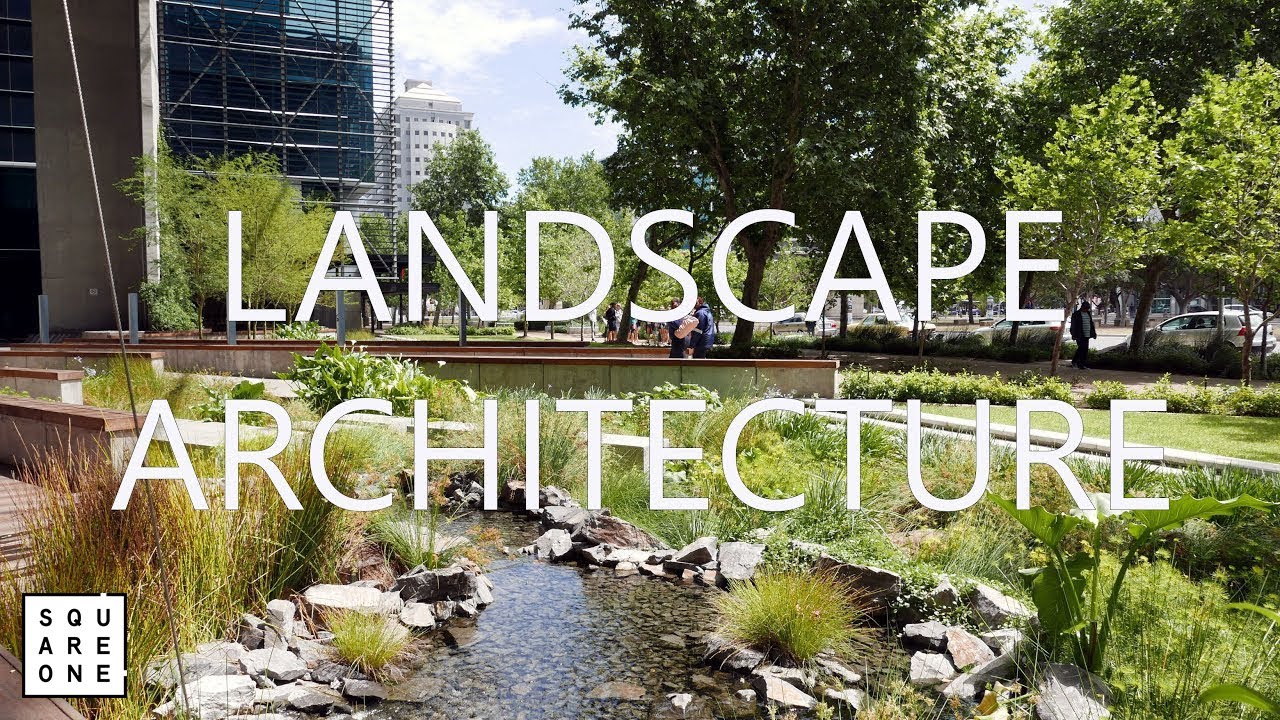
Landscape architecture is a professional design major focused on outdoor spaces and the relationship between people, built environments, and natural systems. You may design parks, campuses, streetscapes, waterfronts, residential landscapes, trails, plazas, green roofs, and ecological restoration projects.
Most programs combine classroom courses with studio-based learning. In a studio, you develop a project over several weeks, receive critiques, revise your work, and present a final proposal. Depending on the school, you may earn either a Bachelor of Landscape Architecture (BLA), a Bachelor of Science in Landscape Architecture (BSLA), or a related degree. Professional accreditation matters: in the United States, accredited programs are generally recognized by the Landscape Architecture Accreditation Board.
| Category | What you can expect |
|---|---|
| Main focus | Designing functional, attractive, and sustainable outdoor environments |
| Common degree | BLA or BSLA: some students continue to a Master of Landscape Architecture |
| Core methods | Hand drawing, digital modeling, mapping, site analysis, planting design, and technical documentation |
| Typical workload | Project-heavy, with deadlines concentrated around studio reviews |
| Professional pathway | Many design roles eventually require state licensure |
| Best fit | Students who enjoy creativity, science, problem-solving, and collaborative work |
The major is interdisciplinary by nature. You're not only making a space look good: you're considering how it drains, ages, supports plants, handles traffic, serves different users, and responds to climate conditions. That practical responsibility distinguishes landscape architecture from a purely artistic program.
What Students Study In A Landscape Architecture Program
Your first year may include design fundamentals, drawing, visual communication, environmental science, and an introduction to landscape architecture. Early courses teach you how to observe a site, represent an idea, and understand scale. You might analyze sunlight, slopes, soil, vegetation, circulation patterns, and nearby buildings before proposing any design.
As you progress, coursework usually becomes more technical and specialized. Common subjects include:
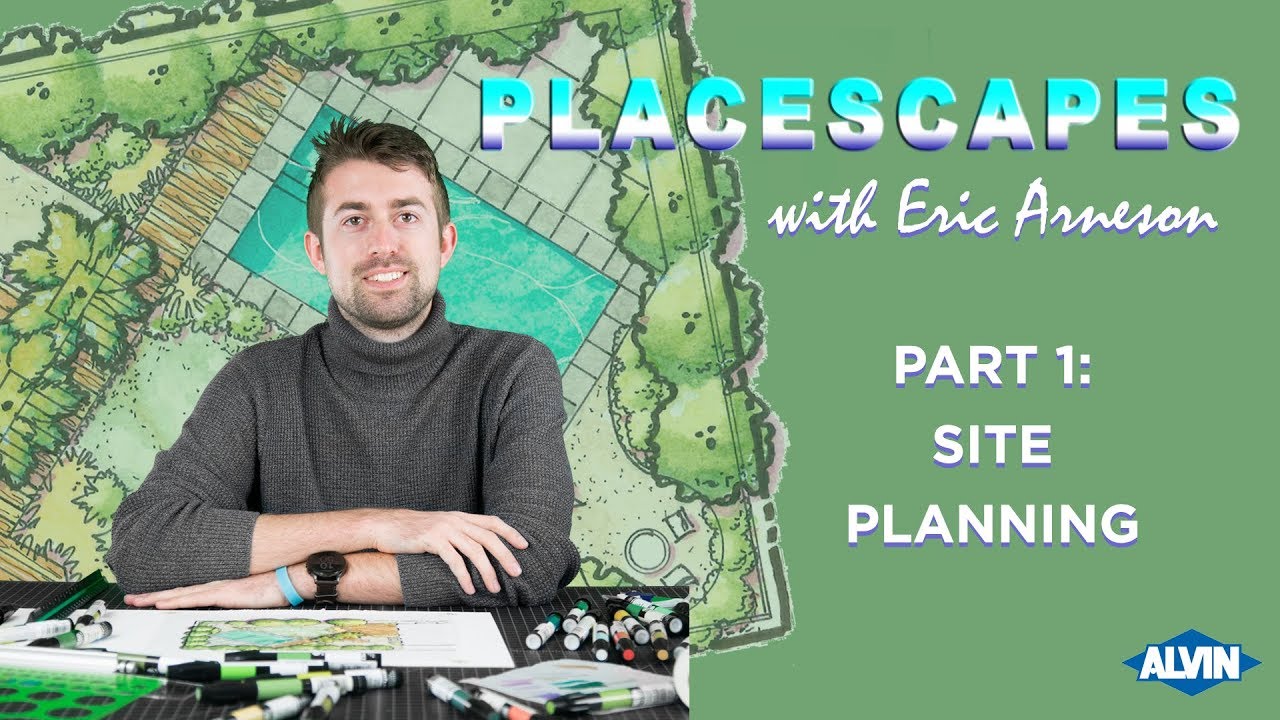
- Site design and planning: Arranging paths, buildings, open space, parking, gathering areas, and plantings.
- Grading and drainage: Using contours and elevations to create accessible, buildable sites that manage water safely.
- Planting design: Selecting plants based on climate, soil, maintenance, habitat value, appearance, and seasonal performance.
- Landscape construction: Studying paving, walls, stairs, lighting, irrigation, timber, concrete, and construction details.
- Urban design: Examining streets, public spaces, housing, transportation, and neighborhood-scale development.
- Ecology and restoration: Addressing habitats, watersheds, biodiversity, wildfire resilience, and damaged landscapes.
- History and theory: Learning how cultural values, design movements, and social priorities influence landscapes.
- Professional practice: Covering contracts, project management, ethics, business operations, and regulations.
Many programs also offer electives in geographic information systems (GIS), computer-aided design, 3D visualization, horticulture, climate adaptation, community engagement, or real estate development. The exact balance differs by college. One school may emphasize ecological systems, while another focuses more heavily on urban design or construction documentation.
Before applying, review the required course list rather than relying on the major's title. You want a program whose curriculum matches the type of work you imagine doing after graduation.
Skills And Evaluation Criteria For This College Major
Landscape architecture rewards students who can move between imagination and precision. A compelling concept is useful, but it must also work on a real site, meet accessibility requirements, fit a budget, and survive weather and daily use.
You'll typically develop these skills:
- Visual communication: Sketching, diagramming, photography, layout, and presentation.
- Spatial reasoning: Understanding scale, proportion, topography, circulation, and three-dimensional relationships.
- Technical problem-solving: Producing grading plans, construction details, planting plans, and specifications.
- Environmental analysis: Connecting design decisions to water, soil, climate, habitat, and public health.
- Digital fluency: Using tools such as AutoCAD, Adobe Creative Cloud, GIS platforms, Rhino, SketchUp, or similar software.
- Communication: Explaining design decisions to classmates, clients, public agencies, contractors, and community members.
- Revision and resilience: Improving a proposal after critique instead of treating feedback as a personal rejection.
Your work may be assessed through a mix of project quality, process, technical accuracy, participation, research, and final presentations. Studio grades can feel subjective because instructors evaluate judgment and design thinking as well as measurable requirements. But, rubrics often consider whether your concept is clear, your site analysis is credible, your drawings communicate effectively, and your solution is feasible.
You don't need to arrive as an expert artist. Strong observation, curiosity, persistence, and willingness to practice often matter more than polished drawing skills. Still, you should be comfortable receiving frequent criticism and explaining why you made particular choices.
Studio Work, Technology, And Academic Experience
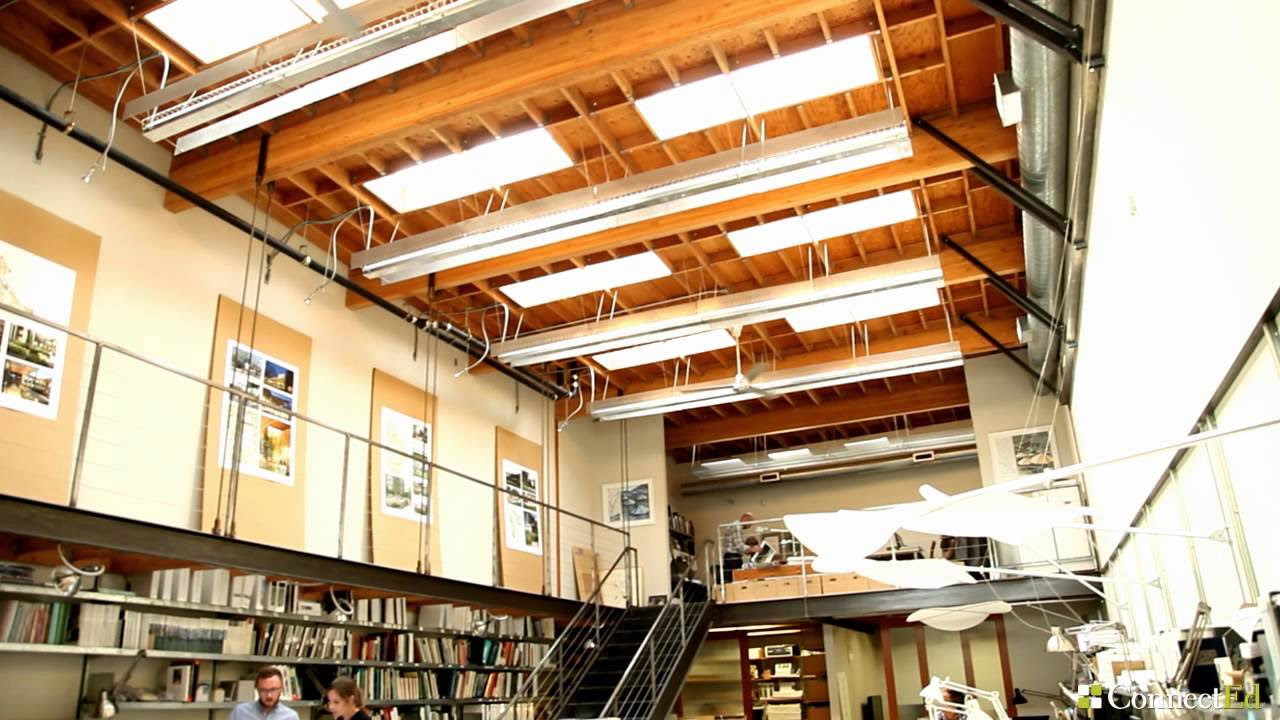
The studio is the center of many landscape architecture programs. Instead of completing only short quizzes and papers, you may spend weeks developing one site proposal from initial research through final presentation. A typical project could involve redesigning a downtown block, restoring a stream corridor, planning a university quad, or creating a resilient coastal park.
The process often looks like this:
- Visit or research the site and document existing conditions.
- Identify users, problems, opportunities, and environmental constraints.
- Create diagrams and several early concepts.
- Test circulation, grading, planting, materials, and program requirements.
- Receive desk critiques and formal reviews.
- Revise the proposal and produce drawings, models, renderings, and boards.
- Present the final design to faculty, classmates, visiting professionals, or community partners.
Technology is important, but it doesn't replace design judgment. You may use GIS to map demographics and environmental conditions, CAD to prepare accurate plans, 3D software to study form, and rendering tools to communicate atmosphere. Increasingly, programs also address digital fabrication, drones, parametric modeling, environmental simulation, and data-informed planning.
Expect a different rhythm from a typical lecture-based major. Deadlines can produce intense periods of work, especially before reviews. Group projects may teach collaboration but can also create scheduling friction. Look for programs with accessible fabrication labs, updated software, internship support, and a healthy studio culture. During a campus visit, ask current students how late they regularly work. Their answer may tell you more than the program brochure.
Why Major In Landscape Architecture?
The strongest answer to "Why Major in Landscape Architecture?" is that you want to shape places while working across creative, technical, and environmental disciplines. The major gives you a way to address visible problems, heat, flooding, unsafe streets, habitat loss, disconnected communities, through physical design and planning.
You may find the field especially rewarding if you want work that:
- Produces tangible results people can experience.
- Combines art and science rather than requiring you to choose one.
- Connects environmental responsibility with everyday public life.
- Offers projects at multiple scales, from a backyard to an entire region.
- Involves collaboration with architects, engineers, planners, ecologists, and communities.
Landscape architecture also aligns with major long-term trends. Cities need strategies for extreme heat, stormwater, aging infrastructure, housing growth, and climate adaptation. Green infrastructure, such as rain gardens, bioswales, tree canopies, and restored wetlands, can serve ecological and social purposes at once.
The drawbacks deserve equal attention. Entry-level work can involve repetitive drafting, code research, documentation, and revisions rather than constant concept design. Client priorities, permitting rules, and budgets limit what gets built. Some jobs require long hours near deadlines, and salaries may start lower than those in certain engineering or technology fields. Your first position may also be in a large firm or public agency where you have limited control over projects.
In other words, choose the major because you value the process and purpose, not because you expect every day to look like an inspiring design sketch.
Job Opportunities For Landscape Architecture Majors
Job Opportunities for Landscape Architecture Majors extend beyond traditional private design firms. Graduates work in landscape architecture offices, engineering companies, architecture firms, municipal agencies, parks departments, environmental organizations, universities, contractors, nurseries, and real estate development companies.
Common entry-level and mid-career roles include:
| Role | Typical responsibilities |
|---|---|
| Landscape designer | Plans planting, materials, layouts, and smaller-scale site improvements |
| Landscape architect | Develops site designs, technical documents, and project proposals: licensure may be required |
| Urban designer | Studies streets, districts, public spaces, and development patterns |
| GIS or planning analyst | Maps data and supports land-use, transportation, or environmental decisions |
| Environmental restoration designer | Plans habitat, watershed, wetland, or ecological repair projects |
| Parks and recreation planner | Helps manage public open-space systems and community facilities |
| Project or construction coordinator | Connects design documents, schedules, budgets, and field work |
| Horticulture or planting specialist | Selects, specifies, and manages plant material |
The U.S. Bureau of Labor Statistics reports employment information for landscape architects, but your actual options depend heavily on location and experience. Major metropolitan areas often offer more firms and public projects: smaller communities may provide broader responsibility earlier in your career.
Licensure is an important consideration. Requirements vary by state, but the typical pathway includes an accredited education, supervised experience, and the Landscape Architect Registration Examination (LARE), administered through the Council of Landscape Architectural Registration Boards. You can work in related design roles without immediate licensure, but a license can expand your responsibilities and legal scope.
Internships, a strong portfolio, software skills, and professional networking often influence your first job as much as grades do.
Expected Starting Salary In The US For Landscape Architecture Majors
The Expected starting Salary in the US for Landscape Architecture Majors varies widely, so it's more useful to think in ranges and influences than in one guaranteed number. Recent salary databases and employer postings commonly place many entry-level landscape design and landscape architecture roles roughly in the $45,000-to-$65,000 range, with higher offers possible in expensive metropolitan areas, specialized firms, or roles requiring strong technical skills. Some smaller markets and nonprofit positions may begin below that range.
For the broader occupation, the BLS landscape architect profile provides current national wage estimates. Remember that its figures cover workers at different experience levels: the median is not a starting salary. Compensation also depends on whether you work for a private firm, government agency, contractor, developer, or multidisciplinary company.
Factors that can improve your early earnings include:
- Internship or cooperative education experience.
- Proficiency with CAD, GIS, 3D modeling, rendering, and Adobe tools.
- Construction documentation and grading knowledge.
- A portfolio that shows process, not just attractive final images.
- Willingness to work in a larger market or travel for projects.
- Progress toward licensure and completion of required experience.
- Specialization in areas such as climate resilience, healthcare landscapes, or infrastructure.
Benefits matter, too. Government and larger employers may offer stronger health insurance, retirement contributions, paid leave, or tuition support than small firms. Ask about overtime policies, mentoring, licensure assistance, workload, and promotion criteria before accepting an offer. A slightly lower first salary may be worthwhile if the job gives you excellent experience and a realistic path toward licensure, but don't assume prestige compensates for unsustainable working conditions.
Costs, Scholarships, And Return On Investment
The cost of a landscape architecture degree depends on whether you attend a public in-state university, a public school as an out-of-state student, or a private college. Add studio fees, laptops, software, printing, model materials, field trips, supplies, and potentially an extra year or graduate degree. Those expenses can make this major more costly than its tuition price initially suggests.
Before enrolling, build a realistic four-year budget that includes:
- Tuition, housing, meals, transportation, and required fees.
- A capable computer and software access.
- Printing, cutting tools, model materials, and presentation supplies.
- Internship travel or relocation costs.
- Loan interest and the time needed to complete the degree.
Scholarship searches should include the college's department, local foundations, professional associations, environmental organizations, and general need- and merit-based programs. The American Society of Landscape Architects scholarship and awards information is one possible starting point, along with your school's financial aid office and scholarship-matching resources such as StudentScholarships.org. Apply early and compare the full aid package, not just the headline award.
Return on investment is strongest when you control debt and use the degree strategically. A modest loan balance, relevant internships, and a professional portfolio can make the path more manageable. Heavy private loans are riskier if your expected entry-level salary is modest or you plan to pursue a graduate degree.
Ask each college whether its BLA or BSLA is accredited, how many students find internships, what software and fabrication resources are included, and how long graduates typically take to complete licensure. Those answers help you compare value more intelligently than tuition alone.
Landscape Architecture Compared With Related Majors
Landscape architecture overlaps with several majors, but the day-to-day work and professional outcomes differ. Your best choice depends on whether you prefer outdoor systems, buildings, infrastructure, policy, plants, or broad environmental science.
| Major | Strongest emphasis | Choose it if you most want to… |
|---|---|---|
| Landscape architecture | Outdoor space, ecology, site design, and public environments | Design places people use outside |
| Architecture | Buildings, structures, interiors, and building systems | Shape buildings and enclosed spaces |
| Urban planning | Policy, land use, transportation, housing, and community systems | Influence how cities grow and function |
| Civil engineering | Infrastructure, structures, water, transportation, and technical performance | Solve highly technical infrastructure problems |
| Environmental science | Natural systems, research, monitoring, and regulation | Study environmental conditions and impacts |
| Horticulture | Plant production, care, and management | Work deeply with plants and their cultivation |
| Graphic or industrial design | Visual communication or manufactured products | Focus on images, objects, and user experience |
Landscape architecture may be a particularly good middle ground if you want design without concentrating exclusively on buildings. It gives you more technical and environmental depth than many fine arts programs, while remaining more spatial and visual than a policy-centered planning degree.
There are also practical differences in credentialing. Architecture and landscape architecture have separate professional paths, while planning and environmental science often lead to a wider range of roles without one universal license. Civil engineering may offer stronger access to infrastructure positions but typically requires more advanced mathematics and physics.
If you're undecided, compare introductory courses and complete informational interviews. Ask a landscape architect, planner, architect, and civil engineer what they do during an ordinary week. The answer may challenge your assumptions, and save you from choosing a major based only on a compelling title.
Frequently Asked Questions About Landscape Architecture College Major
What does a landscape architecture major study?
A landscape architecture major studies design, environmental science, planning, technology, and communication. Coursework includes site design, grading, planting, construction, urban design, ecology, history, and professional practice, combining creative and technical skills.
What skills are important for success in a landscape architecture program?
Key skills include visual communication, spatial reasoning, technical problem-solving, environmental analysis, digital fluency with design software, effective communication, and the ability to revise designs based on feedback.
What types of jobs can you pursue with a landscape architecture degree?
Graduates can work as landscape designers, landscape architects, urban designers, GIS analysts, environmental restoration planners, parks planners, project coordinators, or horticulture specialists in firms, agencies, or organizations.
How much can I expect to earn starting a career in landscape architecture in the US?
Entry-level salaries for landscape architecture roles typically range from $45,000 to $65,000 annually, depending on location, experience, employer, and technical skills, with higher earnings possible in metropolitan areas or specialized roles.
How is landscape architecture different from related majors like architecture or urban planning?
Landscape architecture focuses on designing outdoor spaces and ecological systems, balancing creativity and environmental science. It differs from architecture, which centers on buildings, and urban planning, which emphasizes land use policy and community development.
Why should I choose landscape architecture as my college major?
Choose landscape architecture if you enjoy blending creativity, science, and problem-solving to design sustainable outdoor spaces that benefit communities and environments, offering diverse projects and collaboration with various professionals.