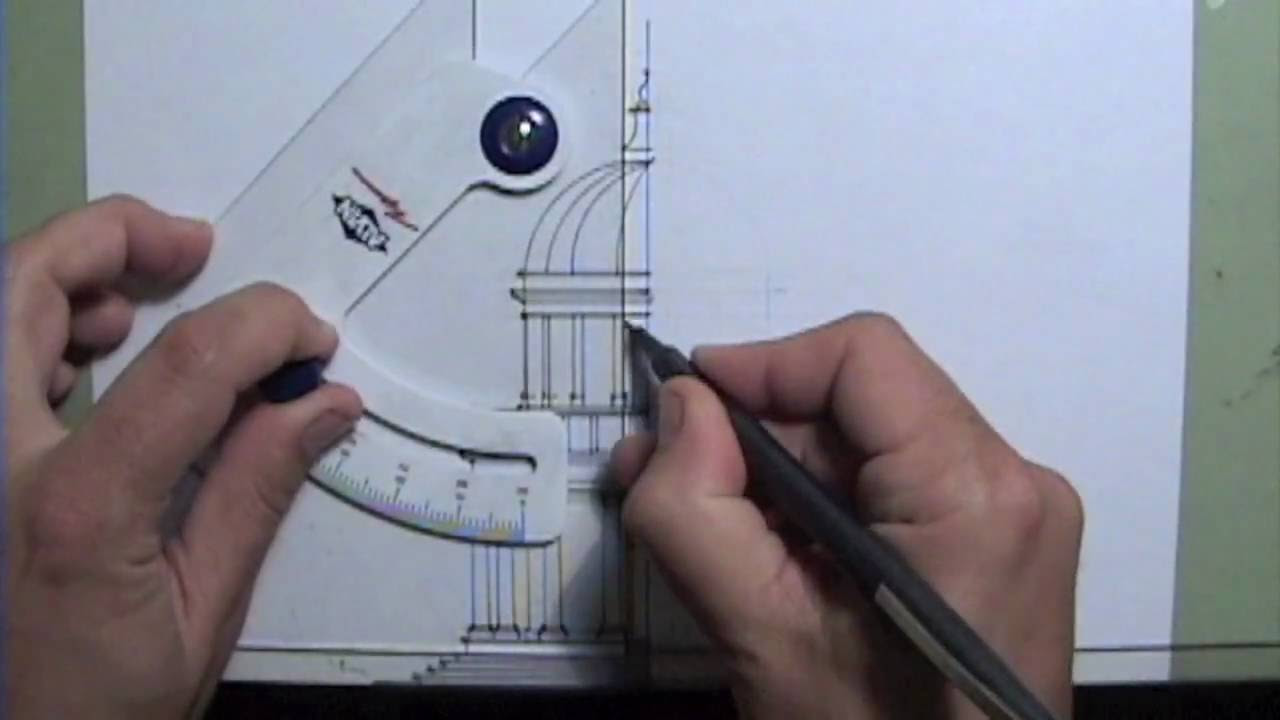
Choosing an interior architecture college major means choosing more than a creative subject. You'll study how people move through buildings, how materials shape experience, and how spaces can become safer, healthier, and more useful. At the same time, you'll spend long hours developing drawings, models, digital renderings, presentations, and technical documents.
This review explains what an interior architecture program is really like, from the curriculum and studio workload to job opportunities, salary expectations, and professional preparation. It also compares the major with interior design, architecture, and related fields so you can make a better college decision.
The right program can lead to meaningful design work in residential, commercial, healthcare, hospitality, workplace, and public environments. But, it isn't automatically the best fit for every creative student. You'll need patience, visual thinking, technical confidence, and a willingness to revise your work repeatedly. Use this guide to judge whether an interior architecture college major matches your interests, budget, learning style, and long-term goals.
Interior Architecture Major At A Glance
Interior architecture is an interdisciplinary major focused on designing and adapting interior environments. You'll study aesthetics, building systems, human behavior, materials, construction methods, accessibility, sustainability, and digital design. Unlike a purely decorative approach to interiors, the field asks how a space functions as part of a larger building and community.
Program names vary. Some colleges offer a Bachelor of Fine Arts in Interior Architecture: others use titles such as Interior Design, Interior Studies, Environmental Design, or Interior Architecture and Design. The curriculum and professional outcomes can differ considerably, so you shouldn't rely on the program name alone.
| Factor | What you can generally expect |
|---|---|
| Degree length | Usually four years for a bachelor's degree |
| Core format | Lectures, design studios, critiques, technical courses, and general education |
| Main tools | Hand sketches, CAD, BIM, 3D modeling, rendering, and presentation software |
| Common emphasis | Human-centered space planning, materials, building systems, and visual communication |
| Portfolio requirement | Often required for internships, jobs, and graduate study |
| Typical cost concern | Studio fees, software, supplies, printing, and model-making materials |
Your program may prepare you for entry-level interior design roles, architectural design support, workplace strategy, facilities planning, or graduate study. Some programs are accredited by the Council for Interior Design Accreditation, which can matter if you plan to pursue professional interior design credentials.
The major is best understood as a blend of art, design, construction, and problem-solving. You're not simply choosing furniture or color palettes: you're learning to develop spaces that work technically and emotionally.
What Students Learn In An Interior Architecture Program
Your first year will usually establish foundations in drawing, design principles, color, form, visual communication, and architectural history. You may begin with small projects such as analyzing a chair, redesigning a room, or creating a physical study model. These assignments teach you to observe relationships between proportion, light, texture, movement, and use.
As you advance, studio projects become larger and more complicated. You might design a residence, retail environment, restaurant, workplace, hotel, healthcare facility, or adaptive-reuse project. Instead of receiving a simple instruction such as "make it attractive," you'll respond to a client profile, site conditions, building codes, budget assumptions, environmental goals, and user needs.
Typical courses include:
- Interior design or architecture studios
- Drafting and technical drawing
- Computer-aided design (CAD)
- Building information modeling (BIM)
- Three-dimensional modeling and rendering
- Materials, finishes, and furniture design
- Lighting and color theory
- Building construction and interior systems
- Environmental controls, acoustics, and lighting technology
- Human factors, ergonomics, and universal design
- History of architecture and interior environments
- Professional practice, contracts, and project management
- Sustainability and adaptive reuse
You'll also complete general education requirements in writing, science, history, mathematics, or the social sciences. Those courses may seem separate from design, but they can improve your ability to research users, explain decisions, and understand environmental performance.
The strongest programs connect creative ideas to evidence. For example, a healthcare interior proposal might consider infection control, patient stress, staff circulation, privacy, and daylight, not only visual style. That combination of imagination and practical reasoning is central to the major.
How To Evaluate An Interior Architecture College Major
You should compare programs by what students actually do, not just by impressive facilities or polished social media images. Begin by reading the complete curriculum. Look for a reasonable balance between design studios, technical courses, digital tools, history, professional practice, and general education.
Accreditation is another important consideration. If you may pursue interior design licensure or certification, investigate whether the program meets relevant educational standards in your state and whether graduates qualify for the NCIDQ Examination. Requirements vary by jurisdiction, education, and work experience, so check your state's rules rather than assuming every bachelor's degree has the same value.
Ask each college these questions:
- How many students are in each studio, and how much individual feedback do they receive?
- Which software and fabrication tools are taught?
- Do students work with real clients, community organizations, or industry partners?
- How many graduates obtain internships or jobs within six months?
- What kinds of portfolios do recent graduates produce?
- Are internships required, encouraged, or built into the curriculum?
- What studio fees, equipment costs, and software expenses are not included in tuition?
- Can you transfer credits if you change majors?
- What professional credentials or graduate programs do alumni pursue?
- Are faculty members practicing designers, researchers, or both?
Visit a studio if possible. Pay attention to the working atmosphere, student projects, computer labs, material libraries, workshops, and critique culture. A spectacular building won't compensate for weak advising or limited access to equipment.
You should also compare total cost with likely outcomes. A lower-cost public program with strong internships may serve you better than a much more expensive school whose reputation is based mainly on marketing. Review the U.S. Department of Education's College Scorecard for broader information about costs and earnings, while remembering that salary data rarely isolates one specific major perfectly.
Studio Work, Technology, And Academic Workload
Studio is the center of most interior architecture programs. You'll receive a design problem, research users and context, generate concepts, develop drawings and models, and present your proposal for critique. The process is iterative. A concept that feels finished on Tuesday may be substantially revised after feedback on Thursday.
Expect to spend more time outside class than the course schedule suggests. Drafting, rendering, model-making, material research, and presentation preparation can expand quickly. During major deadlines, studio work may compete with reading-heavy history courses, mathematics, science, or writing assignments.
The technology can feel demanding at first. Depending on the college, you may use AutoCAD, Revit, SketchUp, Rhino, Adobe Creative Cloud, Enscape, V-Ray, or similar tools. Software is important, but it isn't a substitute for design judgment. A technically perfect rendering can still show poor circulation or an unrealistic construction idea.
You'll also learn physical methods: sketching, hand drafting, foam-core models, material boards, mock-ups, and large-format presentations. Some students enjoy moving between digital and hands-on work: others find the constant switching tiring.
Critiques are another defining feature. Faculty and classmates may question your assumptions directly. That doesn't mean the project, or you, has failed. The goal is to explain your choices, listen carefully, and improve the work. If you prefer assignments with one correct answer and predictable grading, the major may feel uncomfortable. If you enjoy making, testing, and refining ideas, studio can become the most rewarding part of college.
Why Major In Interior Architecture?
Why Major in Interior Architecture? The strongest reason is that you want to influence how people experience everyday environments. You may be interested in how a classroom supports learning, how a hospital reduces stress, how a workplace encourages collaboration, or how an old building can serve a new purpose.
The field offers a useful middle ground. You can exercise creative judgment without abandoning technical problem-solving. You'll work with color, form, texture, and atmosphere, but you'll also consider code requirements, construction documents, budgets, materials, lighting, acoustics, and building performance.
The major may suit you if you:
- Notice details in rooms, stores, hotels, and public spaces
- Enjoy drawing, making models, or working in visual software
- Like solving open-ended problems with practical restrictions
- Can accept criticism and revise work repeatedly
- Care about accessibility, sustainability, and human comfort
- Want a design career connected to the built environment
It can also provide flexibility. Your portfolio may lead toward hospitality, retail, workplace, residential, healthcare, education, exhibition, furniture, or set design. Some graduates move into facilities, project coordination, visualization, real estate development, or user-experience work.
Still, don't choose the major solely because you enjoy decorating. Interior architecture involves research, documentation, coordination, and technical responsibility. If your main goal is selecting finishes with minimal construction or client management, a different specialization, or a shorter design pathway, may be more appropriate.
Job Opportunities For Interior Architecture Majors
Job Opportunities for Interior Architecture Majors extend well beyond the traditional image of a residential decorator. Your first role may be titled interior designer, junior designer, interior design assistant, architectural designer, space planner, or design coordinator. Titles vary by employer and state regulations.
Potential work settings include:
- Architecture and interior design firms
- Commercial real estate and workplace consultancies
- Hospitality groups, hotels, and restaurants
- Healthcare design practices
- Retail and branded environments
- Furniture, fixtures, and equipment manufacturers
- Construction companies and design-build firms
- Government, education, and facilities departments
- Set, exhibition, and experiential design studios
- Freelance or residential design practices
Early-career work often includes drafting plans, preparing finish schedules, producing renderings, researching products, organizing samples, revising documents, and attending project meetings. You may not immediately lead a major project. Strong communication and reliability matter as much as visual talent.
Your portfolio is usually the most important job-search asset. Show the process behind several projects, not only attractive final images. Employers want to see how you researched a problem, developed alternatives, handled constraints, and communicated technical decisions. Include plans, sections, diagrams, material logic, renderings, and concise explanations.
Professional experience can gradually open paths into project management, workplace strategy, sustainability consulting, specification writing, business development, or firm leadership. Internships and part-time work are especially valuable because they show how classroom ideas operate under real deadlines and budgets.
Employment outlook depends on the occupation you enter, regional construction activity, economic conditions, and your specialization. The Bureau of Labor Statistics interior designer profile is a useful starting point, but it doesn't capture every job held by graduates of interior architecture programs.
Expected Starting Salary In The US For Interior Architecture Majors
Expected starting Salary in the US for Interior Architecture Majors varies widely. Your first paycheck depends on location, employer type, portfolio quality, internship experience, software skills, degree level, and whether you enter interior design, architecture support, construction, or another adjacent field.
A realistic planning range for many entry-level interior design or interior architecture-related roles is approximately $45,000 to $65,000 per year, with higher figures possible in expensive metropolitan markets, specialized commercial sectors, or firms recruiting from particularly strong programs. Some graduates begin below that range, especially in smaller cities or assistant positions, while others earn more through architectural, technical, or project-coordination roles.
These figures are planning estimates, not a guarantee. National wage data often groups workers by occupation rather than undergraduate major. The BLS reports wage distributions for interior designers, while salary sites may combine junior designers, decorators, architects, and design coordinators in ways that make direct comparisons unreliable.
| Career factor | How it can affect early earnings |
|---|---|
| Location | Major cities may offer higher pay but also higher living costs |
| Portfolio | Clear, technically credible work can improve interview outcomes |
| Internship experience | Reduces the employer's training risk |
| Software ability | CAD, BIM, rendering, and documentation skills are valuable |
| Sector | Healthcare, workplace, hospitality, and construction may differ substantially |
| Credential path | Licensure or certification can support long-term advancement |
Think beyond the first salary. Compare benefits, overtime expectations, mentorship, advancement, tuition debt, and portfolio-building opportunities. A slightly lower first offer at a respected firm may be worthwhile if you'll receive strong supervision and meaningful project experience. On the other hand, unpaid or chronically excessive work should not be treated as a normal requirement of being creative.
Advantages And Disadvantages Of The Major
An interior architecture degree can be rewarding, but it asks for a particular combination of interests and habits.
Advantages
- Creative and practical: You combine visual expression with real constraints and measurable requirements.
- Visible results: Your work can shape spaces that people use every day.
- Portfolio-based opportunities: Strong projects can demonstrate ability even when you have limited professional experience.
- Career variety: You can explore residential, commercial, healthcare, hospitality, furniture, exhibition, workplace, and visualization work.
- Interdisciplinary learning: You'll collaborate with architects, engineers, contractors, manufacturers, clients, and users.
- Human impact: Accessibility, sustainability, comfort, safety, and wellness are meaningful design considerations.
Disadvantages
- Heavy workload: Studio deadlines can require evenings and weekends, especially during final presentations.
- Extra expenses: Supplies, printing, software, laptops, tools, and model materials can add significantly to tuition.
- Subjective evaluation: Critiques and design grading may feel less predictable than exams.
- Uneven job titles: Employers and states use different definitions for interior design, interior architecture, and architectural work.
- Competitive entry-level market: A degree alone won't guarantee a desirable position: internships and a polished portfolio matter.
- Credential complexity: Licensing and certification requirements differ by state and career path.
- Economic sensitivity: Design hiring can slow when construction, real estate, or renovation activity declines.
The major's disadvantages are manageable when you plan early. Build a budget for supplies, ask about studio culture before enrolling, and investigate credential requirements before choosing a program. A realistic picture is more useful than either romanticizing design work or dismissing it as impractical.
Interior Architecture Compared With Related Majors
Related majors overlap, but their emphasis and professional pathways are not identical. Compare the curriculum rather than assuming the labels mean the same thing.
| Major | Main emphasis | Best fit if you want to… |
|---|---|---|
| Interior architecture | Interior environments, building relationships, systems, materials, and spatial experience | Design the inside of buildings with creative and technical depth |
| Interior design | Functional and aesthetic interior planning, documentation, furnishings, and finishes | Create interior environments and potentially pursue interior design credentials |
| Architecture | Whole-building design, structure, site, systems, and building form | Design buildings and pursue an architect pathway |
| Environmental design | Relationships among buildings, interiors, landscape, and human environments | Study design across multiple scales |
| Industrial design | Products, objects, manufacturing, and user interaction | Design furniture, devices, products, or physical objects |
| Construction management | Scheduling, estimating, safety, contracts, and project delivery | Coordinate how projects are built rather than primarily designing them |
Interior architecture is often closer to interior design than to professional architecture, but the distinction depends on the college. One school may emphasize construction documents and building systems: another may focus more on conceptual interiors, furniture, or cultural research.
If you want to become a licensed architect, check whether the program is a professional architecture degree accredited by the National Architectural Accrediting Board. An interior architecture bachelor's degree generally doesn't provide the same direct route as a professional Bachelor of Architecture or Master of Architecture.
If your interests are broad, an environmental design program may provide more freedom. If you prefer technical coordination and jobsite decisions, construction management may be a better match. If you mainly enjoy objects, manufacturing, and ergonomics, industrial design could be stronger. Your choice should reflect the scale of problems you want to solve, not just the visual style you admire.
Verdict: Is Interior Architecture A Good Major For You?
An interior architecture college major is a strong choice if you want a creative career grounded in space, materials, technology, and human needs. You'll graduate with experience in research, visualization, technical communication, collaboration, and iterative problem-solving, skills that can transfer across several design and built-environment careers.
It's less suitable if you dislike open-ended assignments, long studio hours, public critique, or detailed technical work. The major also deserves careful financial planning because supplies, software, and student debt can affect the value of an entry-level salary.
Before you commit, compare accredited programs, review student portfolios, calculate total costs, and speak with current students or recent graduates. Ask what graduates actually do, not simply what the website promises.
Eventually, the best reason to choose interior architecture isn't that it sounds artistic. It's that you want to understand how environments work and are willing to turn that understanding into precise, useful, and memorable spaces. If that sounds like you, the major can be an engaging foundation for a durable design career.
Interior Architecture College Major FAQs
What does an interior architecture college major typically involve?
An interior architecture major combines creative design with technical knowledge, studying how people interact with spaces, materials, and building systems. It includes coursework in drawing, CAD, BIM, ergonomics, building codes, sustainability, and professional practice, along with extensive studio work and critiques.
How does interior architecture differ from interior design and architecture majors?
Interior architecture focuses on designing and adapting interior environments with an emphasis on building systems and spatial experience. Interior design centers more on aesthetics, furnishings, and finishes, while architecture covers whole-building design including structure and site. Each has distinct curricula and career paths.
What skills and tools will I learn in an interior architecture program?
You’ll develop skills in hand sketching, CAD, BIM, 3D modeling, rendering, and technical documentation. You’ll learn to analyze human behavior, accessibility, lighting, acoustics, materials, and building construction methods, culminating in strong problem-solving and communication abilities.
What career opportunities are available for graduates with an interior architecture degree?
Graduates can work as interior designers, architectural design assistants, space planners, or project coordinators in firms, hospitals, retail, hospitality, government, or as freelancers. Career paths include workplace strategy, sustainability consulting, facilities planning, and visualization among others.
How much can I expect to earn with an interior architecture degree?
Entry-level salaries typically range from $45,000 to $65,000 annually in the US, depending on location, employer, portfolio strength, and internship experience. Earnings vary widely across sectors like healthcare, hospitality, or construction, with potential for growth through experience and certifications.
What should I consider when choosing an interior architecture college program?
Evaluate the curriculum balance between studios, technical courses, and general education. Check for accreditation relevant to certification goals, faculty expertise, studio environment, internship opportunities, portfolio quality, costs like software fees, and graduate employment rates to ensure a good fit.