Choosing a college major can feel like choosing the direction of your entire life. If you enjoy science, the outdoors, business, technology, or solving practical problems, an agriculture college major may deserve a serious look. Modern agriculture is far more than planting crops or raising livestock: it includes biotechnology, environmental sustainability, food systems, agricultural economics, precision technology, communications, and public policy.
This review examines what you can expect from an agriculture major, including coursework, workload, hands-on training, career paths, salaries, advantages, drawbacks, and related majors. It is designed for potential college students who want a realistic picture, not a sales pitch. Your experience will vary by school, concentration, location, internships, and level of education, but the overall field offers a wide range of options.
So, is agriculture a good college major? For many students, yes. But its value depends on whether your interests match the work and whether you choose a specialization with intention.
Agriculture Major At A Glance: Fields of Study, Degree Options, and Core Facts
An agriculture college major prepares you to understand, manage, and improve the systems that produce food, fiber, fuel, and natural resources. It is an unusually broad academic area. You may study biology and chemistry one semester, then economics, machinery, communications, or environmental policy the next.
Common fields of study include:
- Agronomy: Soil, crops, plant production, and farm management.
- Animal science: Livestock production, nutrition, breeding, and welfare.
- Horticulture: Fruits, vegetables, flowers, landscaping, and greenhouse systems.
- Agribusiness: Marketing, finance, sales, management, and supply chains.
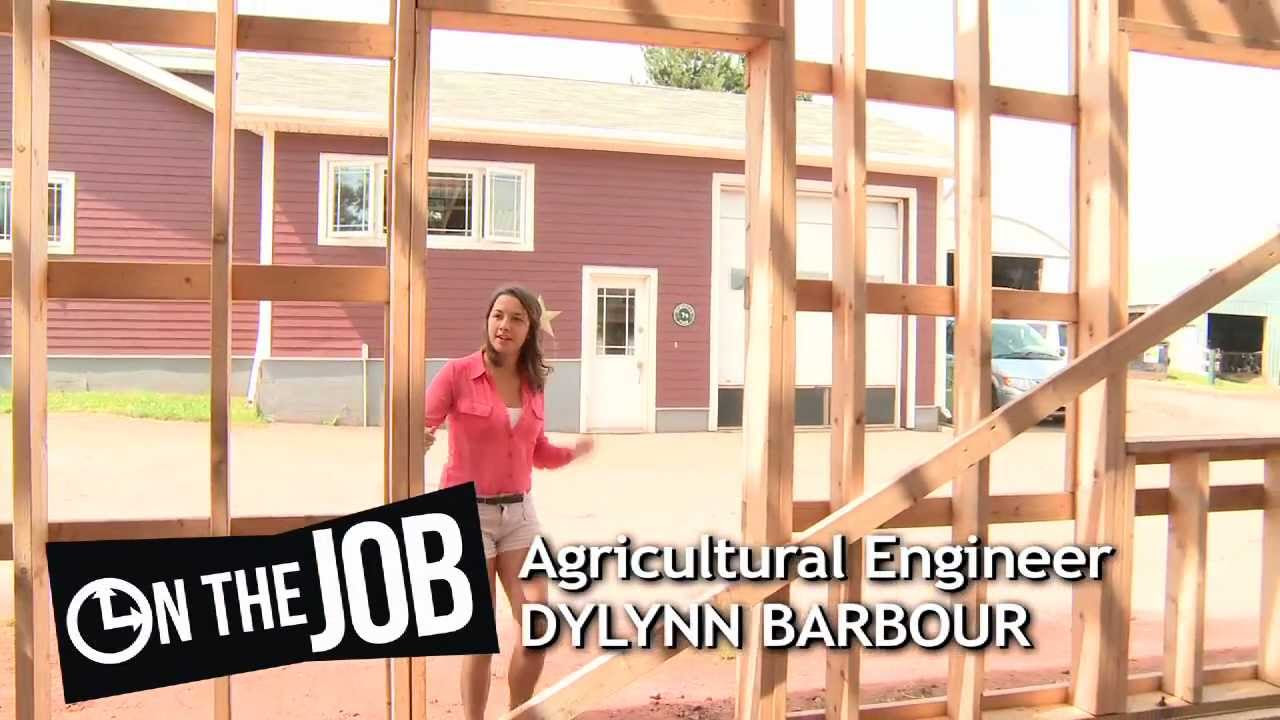
- Agricultural engineering: Equipment, automation, irrigation, structures, and data systems.
- Food science: Food safety, processing, product development, and quality control.
- Natural resources: Conservation, water, forestry, and environmental stewardship.
- Agricultural education and communications: Teaching, extension work, journalism, and public outreach.
You can earn an associate degree, bachelor's degree, master's degree, or doctorate. A two-year program may lead to technician, laboratory, production, or business-support roles. A bachelor's degree usually provides broader career access, while graduate school may be useful for research, university teaching, advanced science, or specialized leadership.
The major is not limited to rural students. Agriculture is a national and global industry, and many jobs are based in cities, laboratories, corporate offices, processing facilities, and government agencies.
Why Major In Agriculture? Benefits, Purpose, and Long-Term Value
The strongest answer to Why Major in Agriculture is that the field connects academic knowledge to problems people cannot ignore: food security, water use, climate resilience, rural development, and sustainable production. You are not studying an abstract industry. You are learning how essential systems work, and how they can work better.
One major benefit is flexibility. An agriculture degree can prepare you for laboratory research, sales, farm management, environmental consulting, education, policy, or business operations. If your interests change, the degree may still give you a practical foundation for moving between related sectors.
The work can also feel meaningful. Your career may contribute to safer food, more efficient irrigation, healthier soil, better animal care, or improved access to agricultural technology. That sense of purpose matters, particularly when you are choosing a field for a long working life.
Agriculture also rewards students who combine technical and people skills. A crop specialist may need to interpret data and explain recommendations to growers. An agribusiness professional may analyze budgets while building trust with customers. This mixture can make the field more resilient than a narrowly defined career path.
There are limits, but. Some entry-level jobs are seasonal, location-dependent, or modestly paid. Certain roles also require graduate education, licenses, or substantial experience. The long-term value is highest when you build a specialty, complete internships, learn relevant software, and develop communication skills, not simply when you earn the degree.
What You Study In An Agriculture College Major
Your exact curriculum depends on the concentration, but most agriculture programs combine general education, scientific foundations, applied courses, and experiential learning. Early classes may include biology, chemistry, algebra, statistics, economics, and introductory agriculture. These courses give you the vocabulary and technical base needed for advanced work.
Later coursework becomes more specialized. An agronomy student might study soil fertility, crop production, weed science, plant pathology, and precision agriculture. An animal science student could take nutrition, genetics, physiology, reproduction, and livestock management. An agribusiness student may focus on accounting, agricultural finance, marketing, commodity markets, and supply-chain management.
You may also encounter newer subjects, including:
- Geographic information systems and satellite mapping
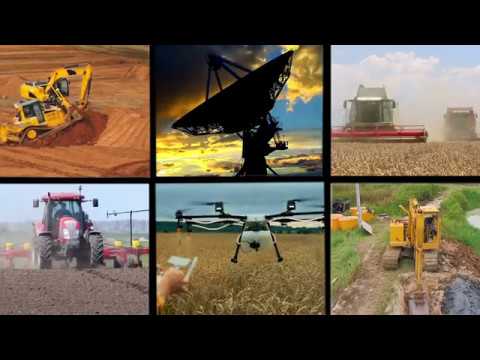
- Agricultural sensors, drones, and automation
- Sustainable production and climate adaptation
- Food safety and quality assurance
- Water management and conservation
- Data analysis and farm-management software
- Agricultural law, ethics, and public policy
Laboratory work is common in science-focused tracks. You might test soil samples, identify plant diseases, evaluate feed, or measure water quality. Field courses can involve planting trials, livestock facilities, greenhouses, or agricultural research plots.
Do not assume every agriculture major requires extensive farm experience. Programs generally teach foundational practices, although previous exposure can make the transition easier. The more important question is whether you are willing to learn both the science and the practical decision-making behind production.
Academic Workload, Practical Training, and Student Experience
An agriculture major is usually moderately demanding, with workload varying sharply by concentration. Science-heavy programs can include multiple laboratories, quantitative assignments, and long study sessions. Business-oriented tracks may involve presentations, case studies, spreadsheets, and group projects. You should expect regular work rather than relying on a few exams each semester.
Hands-on education is one of the field's defining strengths. Many colleges offer farms, greenhouses, animal units, research stations, food laboratories, or environmental field sites. Internships are especially valuable because they show you what a job feels like before graduation. You may work for a seed company, cooperative, farm, food processor, conservation organization, equipment dealer, or government agency.
Student experience can be more collaborative than competitive. Agriculture programs often bring together students with very different backgrounds, from multigenerational farm families to people who have never lived outside a city. That diversity can be an advantage: you learn that agricultural decisions involve culture, economics, technology, and community relationships, not only biology.
The less glamorous side includes early mornings, outdoor work in uncomfortable weather, muddy clothing, repetitive data collection, and occasional travel. Some programs also require access to transportation for internships or fieldwork. Ask prospective colleges about facilities, class sizes, placement rates, internship partnerships, and the percentage of courses taught by full-time faculty. Those details can matter more than a program's broad title.
Career Paths And Job Opportunities For Agriculture Majors
Job Opportunities for Agriculture Majors extend well beyond operating a farm. Your career options will depend on your concentration, experience, region, and willingness to work with people as well as technical systems.
Potential paths include:
| Career area | Examples of roles | Typical work |
|---|---|---|
| Production | Farm manager, crop adviser, livestock manager | Plan operations, monitor conditions, manage labor and inputs |
| Agribusiness | Sales representative, buyer, account manager | Serve customers, negotiate purchases, analyze markets |
| Science and technology | Research assistant, lab technician, precision-ag specialist | Run tests, interpret data, improve production systems |
| Environment | Conservation planner, soil technician, watershed specialist | Protect soil, water, habitats, and natural resources |
| Food systems | Quality specialist, food safety coordinator, processing supervisor | Test products and maintain regulatory standards |
| Public service | Extension educator, agricultural inspector, policy analyst | Provide information, enforce rules, or support communities |
| Communication | Farm journalist, marketing coordinator, outreach specialist | Explain agricultural topics to public and industry audiences |
Employers may include farms, cooperatives, seed and chemical companies, equipment manufacturers, food processors, nonprofits, universities, banks, consulting firms, and government agencies. Some jobs require a bachelor's degree: others value an associate degree plus practical experience. Research and certain professional positions may require graduate study.
Your best strategy is to choose a target career early enough to test it, not so early that you feel trapped. An internship, job shadow, student organization, or faculty research project can reveal whether you prefer fieldwork, laboratories, sales, policy, or management.
Expected Starting Salary In The US For Agriculture Majors
The Expected starting Salary in the US for Agriculture Majors varies too much for one number to be reliable. A new graduate working in agricultural sales, food quality, laboratory support, or farm management may receive a different offer from someone entering conservation, education, or a high-cost metropolitan market. Your specialization, internship history, geographic location, employer size, and technical skills all influence the result.
As a broad planning estimate, many bachelor's-level agriculture graduates can encounter starting offers in the roughly $40,000 to $65,000 range, while specialized technology, engineering, finance, or sales roles may begin higher. Some production and seasonal positions may start below that range but offer housing, bonuses, overtime, or rapid responsibility. These figures are directional rather than a guarantee: compare current postings in the region where you intend to work.
Salary growth can improve when you add valuable skills such as:
- Data analysis, GIS, remote sensing, or precision-agriculture platforms
- Budgeting, financial modeling, and commodity-market knowledge
- Regulatory compliance and food-safety credentials
- Sales, negotiation, and client relationship management
- A professional license or graduate degree where required
Evaluate compensation as a package. Benefits, travel, housing, schedule, seasonal volatility, advancement potential, and tuition assistance may matter as much as the first-year salary. A lower initial offer can be worthwhile if it gives you strong mentoring and specialized experience: a higher offer may be less attractive if it provides no training or stability. Before enrolling, review recent outcomes from each college rather than relying on national averages alone.
Advantages And Disadvantages Of Choosing Agriculture
An agriculture college major offers practical benefits, but it is not automatically the right choice for every student.
Advantages
- Broad career flexibility: You can move among production, business, science, technology, food, and environmental work.
- Applied learning: Labs, fieldwork, internships, and research make classroom concepts tangible.
- Essential industry: Food and natural-resource systems will continue to require skilled professionals.
- Meaningful work: You may help address food security, sustainability, rural development, and resource conservation.
- Entrepreneurial potential: The degree can support farm ownership, consulting, agricultural services, or technology ventures.
- Strong networking: Faculty, cooperatives, employers, and alumni often create direct pathways into internships and jobs.
Disadvantages
- Uneven pay: Some entry-level roles pay less than comparable positions in highly technical or financial fields.
- Geographic limits: Certain jobs are concentrated in rural areas or specific production regions.
- Physical and seasonal demands: Outdoor roles may involve weather, early starts, travel, and irregular schedules.
- Industry volatility: Commodity prices, weather, regulation, trade, and input costs can affect employers.
- Need for specialization: A general degree without experience or a clear skill set may be less competitive.
- Advanced education requirements: Research, veterinary, teaching, and some policy careers require additional credentials.
The practical conclusion is simple: agriculture becomes a stronger choice when you match your concentration to a real career goal and gain experience before graduation.
Agriculture Compared With Related College Majors
Agriculture overlaps with several majors, but the emphasis differs. Comparing programs can help you avoid choosing a title that sounds appealing but does not match your preferred work.
| Major | Best fit if you want to focus on | How agriculture differs |
|---|---|---|
| Biology | General life science and research foundations | Agriculture applies biology to food, crops, animals, and resource systems. |
| Environmental science | Ecosystems, pollution, conservation, and climate | Agriculture often combines environmental work with production and business decisions. |
| Food science | Chemistry, processing, safety, and product quality | Agriculture may cover the full system from production through distribution. |
| Business | Management, finance, marketing, and entrepreneurship | Agribusiness adds specialized knowledge of farms, commodities, and food supply chains. |
| Mechanical or civil engineering | Design, machines, structures, and infrastructure | Agricultural engineering applies engineering to irrigation, equipment, automation, and rural systems. |
| Forestry or natural resources | Forests, wildlife, land, and water stewardship | Agriculture may place more emphasis on managed production and food systems. |
If you like science but want a broader, industry-facing degree, agriculture may suit you better than biology. If you prefer laboratory chemistry and product development, food science could be more precise. If you dislike production topics entirely, environmental science or business may provide a better match.
Review course catalogs carefully. Two colleges can use the same major name while offering very different concentrations, facilities, and internship access. The course list, not the brochure headline, usually tells you what you will actually study.
Who Should Choose An Agriculture Major?
You may be a strong candidate for an agriculture major if you enjoy solving practical problems and want your work connected to real systems. Curiosity about plants, animals, food, business, technology, or the environment is a good starting point, but you do not need to love every part of agriculture.
The major may fit you if you:
- Like combining science with hands-on activity
- Can work comfortably with data, equipment, or technical procedures
- Enjoy communicating with people from different backgrounds
- Want a career with visible effects on communities or resources
- Are open to internships, travel, fieldwork, or rural employment
- Prefer a flexible industry over a narrowly defined occupation
You should think carefully if you want a fully predictable schedule, dislike outdoor or laboratory work, or are choosing the major only because someone expects you to continue a family business. Agriculture includes office and urban careers, but many programs still require practical training.
Before applying, interview an adviser and at least one working professional. Ask what a normal week looks like, which entry-level jobs are available, what credentials employers request, and which classes students find most difficult. Try an introductory course, summer job, or volunteer experience if possible. A small experiment now can prevent an expensive change of major later.
Finally, consider affordability and support. Compare tuition, transfer pathways, scholarships, internship access, and graduation outcomes. A well-supported program with strong employer connections may be more valuable than a famous program that leaves you with excessive debt.
Frequently Asked Questions About Agriculture College Majors
What subjects do you study in an agriculture college major?
An agriculture major includes biology, chemistry, economics, plant and animal science, agribusiness, agricultural engineering, and environmental policy, combining both scientific and practical coursework, often with hands-on labs and fieldwork.
What career options are available with an agriculture degree?
Graduates can work in farm production, agribusiness, research, environmental conservation, food safety, public service, and communications, with roles like farm manager, sales representative, lab technician, policy analyst, or agricultural educator.
How much can I expect to earn starting with an agriculture degree in the US?
Starting salaries typically range from $40,000 to $65,000 depending on specialization, location, and experience, with potential for growth when adding skills like data analysis, financial modeling, or regulatory credentials.
Why should I choose agriculture as my college major?
Agriculture offers meaningful, flexible career paths that address global issues like food security and sustainability, combining science and practical problem-solving with opportunities in multiple industries beyond traditional farming.
Does an agriculture major require farm experience before enrolling?
Not necessarily; while previous farm experience can help, most programs teach foundational agricultural practices, focusing on science and decision-making skills suitable for students from diverse backgrounds.
How does agriculture compare to related majors like biology or environmental science?
Agriculture applies biological and environmental principles specifically to food production, natural resources, and agribusiness, offering a broader, industry-focused approach than pure biology or environmental science degrees.