Choosing a college major is easier when you understand what your everyday academic and professional life may look like, not just the title on your diploma. A geology college major can take you outdoors to map rock formations, into laboratories to analyze minerals, and behind a computer modeling groundwater, earthquakes, or energy resources. It can also lead to work in environmental consulting, government, engineering support, mining, education, and research.
But geology isn't a perfect fit for everyone. You'll need to be comfortable with chemistry, physics, mathematics, field travel, technical writing, and sometimes unpredictable job markets. Your career options may also depend on whether you stop at a bachelor's degree or continue into graduate school or professional licensing.
This review examines the geology major from a future student's perspective: what you study, how to judge a program, what jobs and salaries you might expect, and how geology compares with related degrees. The goal isn't to persuade you either way. It's to help you decide whether the subject, work style, and career trade-offs match your goals.
Geology Major At a Glance: Coursework, Skills, and Degree Requirements
A geology college major studies Earth's materials, history, structure, and physical processes. Most bachelor's programs require about 120 credit hours and combine introductory science courses with upper-level geology, laboratory classes, fieldwork, electives, and general education requirements.
A typical program may include:
- Introductory geology and Earth science
- General chemistry and physics
- Calculus or college-level mathematics
- Mineralogy and petrology
- Sedimentology and stratigraphy
- Structural geology and tectonics
- Geomorphology and Earth history
- Field methods and geological mapping
- Geographic information systems (GIS)
- Hydrology, environmental geology, or geophysics
- A senior thesis, capstone, internship, or field camp
You'll build more than factual knowledge. Employers and graduate programs value your ability to interpret evidence, create maps, collect reliable samples, use software, write technical reports, and explain complicated findings clearly.
The degree is usually hands-on. You may identify minerals under a microscope, measure water quality, analyze rock layers, or create a cross-section from field data. Some programs require an intensive summer field camp, while others incorporate shorter field experiences throughout the curriculum. Before enrolling, confirm whether field camp is mandatory, how much it costs, and whether it is included in tuition.
A geology degree can be broad or specialized. A liberal arts geology program may prepare you for graduate school and education, while an applied geoscience program may emphasize environmental compliance, energy, GIS, or groundwater. Neither approach is automatically better: the right option depends on your intended career.
What You Study in a Geology College Major
The first year usually establishes your scientific foundation. You'll take introductory geology alongside chemistry, physics, mathematics, and writing. These courses matter because Earth systems rarely fit inside one subject. Understanding groundwater, for example, may require chemistry, fluid mechanics, mapping, and knowledge of rock permeability.
During your second and third years, the major becomes more specialized. Mineralogy examines the properties and identification of minerals. Petrology focuses on how rocks form and change. Structural geology explores deformation, faults, folds, and mountain building. Sedimentology and stratigraphy help you interpret depositional environments and reconstruct geological history.
You may also choose courses based on a career direction:
| Interest | Useful geology courses |
|---|---|
| Environmental consulting | Hydrogeology, environmental geology, soil science, GIS |
| Natural hazards | Seismology, geomorphology, structural geology |
| Energy and resources | Petroleum geology, geophysics, economic geology |
| Conservation and water | Hydrology, watershed science, environmental chemistry |
| Research or graduate school | Advanced mathematics, geochemistry, field methods |
Computing is increasingly important. Programs may teach GIS, remote sensing, spreadsheet analysis, statistical methods, or three-dimensional geological modeling. You don't need to become a software engineer, but you should expect digital tools to complement field and laboratory work.
The most valuable courses are often the ones that connect concepts. A field methods class can force you to combine observation, compass measurements, mapping, interpretation, and written communication in one assignment. That integration resembles professional geology more closely than memorizing mineral names for an exam.
How Geology Programs Should Be Evaluated
A program's reputation matters less than its fit, practical opportunities, and graduate outcomes. When comparing colleges, look beyond the course catalog. Ask how often students work in the field, whether undergraduates can join faculty research, and what equipment they actually use.
Evaluate each program across six areas:
- Curriculum: Does it cover core geology, chemistry, physics, mathematics, field methods, and technical communication?
- Experiential learning: Are field trips, internships, research projects, or field camps available to undergraduates?
- Faculty expertise: Do professors work in areas that interest you, such as groundwater, hazards, climate, energy, or planetary geology?
- Technical resources: Are GIS laboratories, analytical instruments, mapping tools, and sample collections accessible to students?
- Career preparation: Does the department offer employer networking, résumé support, internships, or professional organization involvement?
- Total cost: Have you included field camp fees, travel, equipment, transportation, and potential graduate school expenses?
Accreditation and professional preparation can also matter. If you may pursue a professional geologist license, review the education requirements in the state where you expect to work. Requirements vary, and some positions may expect specific coursework, supervised experience, or an exam.
Pay attention to class size. A small department might offer closer faculty relationships and more access to research, while a larger university may provide broader specialization and better-funded laboratories. Talk with current students if possible. They can tell you whether advertised fieldwork is a weekly reality or an occasional brochure photograph.
Finally, investigate outcomes without treating them as guarantees. Ask where recent graduates work, how many continue to graduate school, and whether reported employment includes geology-related positions or all jobs obtained after graduation.
Academic Experience: Fieldwork, Labs, Research, and Technical Skills
The academic experience is one of geology's biggest differences from majors that spend most of their time in lecture halls. You may spend a morning measuring a stream channel, an afternoon entering observations into a GIS database, and the next day defending your interpretation in a report.
Fieldwork can be exciting, but it isn't always comfortable. You could hike steep terrain, work in rain or heat, carry equipment, share basic accommodations, or travel for several days. Physical accessibility and safety should be part of your program research. Strong departments explain how they accommodate students and train everyone in field safety.
Laboratories give you a more controlled environment. You might use microscopes to examine thin sections, test water samples, analyze sediments, or interpret geochemical data. Careful documentation is essential: a mislabeled sample or incomplete measurement can undermine an otherwise excellent project.
Research offers another layer of preparation. As an undergraduate, you may assist with a professor's project, analyze public datasets, or complete a capstone on a local environmental problem. These experiences help you discover whether you enjoy open-ended questions, where there may be no obvious correct answer.
Technical skills can significantly improve your employability. Prioritize:
- GIS and digital mapping
- Field data collection and GPS
- Statistical and spreadsheet analysis
- Technical report writing
- Presentation and collaboration
- Basic programming or data visualization
- Health, safety, and environmental procedures
The strongest graduates don't merely identify rocks. They can explain what the evidence means, what remains uncertain, and what decision should follow.
Job Opportunities for Geology Majors
Job Opportunities for Geology Majors span natural resources, environmental protection, construction, government, education, and research. Your options will depend on location, internships, technical skills, industry conditions, and whether you earn an advanced degree.
Common entry-level directions include:
- Environmental geologist: Investigate contaminated soil and groundwater, support remediation projects, and prepare regulatory documentation.
- Hydrogeologist: Study aquifers, wells, groundwater movement, and water-resource risks.
- Field geologist: Collect samples, map formations, monitor drilling, or support exploration and construction projects.
- Geotechnical assistant: Help evaluate soil and rock conditions for roads, buildings, dams, and other infrastructure.
- GIS or mapping technician: Organize spatial data, create maps, and support environmental or planning teams.
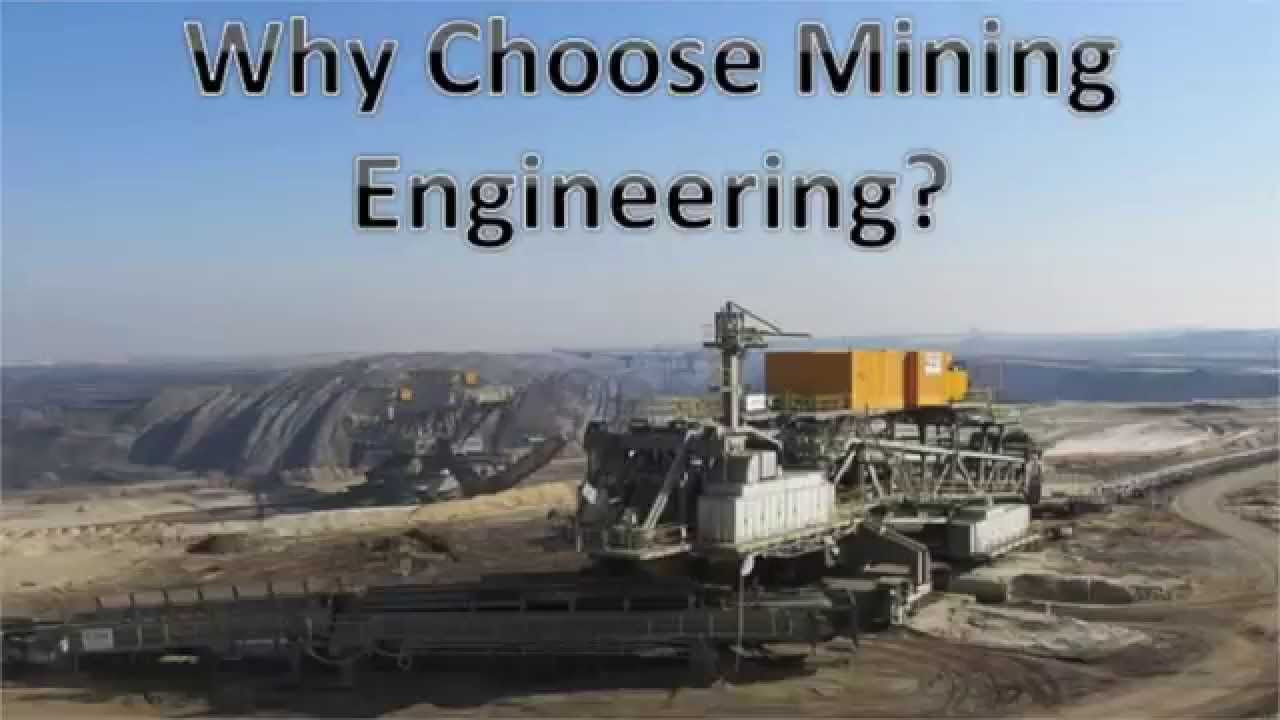
- Mining or exploration geologist: Assess mineral resources, oversee sampling, and interpret geological data.
- Petroleum or energy geoscientist: Analyze subsurface structures and resource potential, although hiring can fluctuate with energy markets.
- Government or nonprofit specialist: Support land management, natural-hazard planning, water monitoring, or public education.
Some jobs use the word "geologist" loosely. Read postings carefully. A role may require a geology degree but involve substantial project management, field logistics, compliance paperwork, or data processing.
A bachelor's degree is often enough for technician, assistant, and some staff positions. A master's degree can improve access to specialized environmental, hydrology, geophysics, or research roles. A doctorate is generally aimed at university teaching, advanced research, or highly specialized technical work.
Internships are especially valuable because employers want evidence that you can work safely, meet deadlines, document observations, and communicate with clients, not just pass exams. Geographic flexibility can help, too. Resource and environmental work may be concentrated away from major cities, although consulting and government opportunities exist in many metropolitan areas.
Expected Starting Salary in the US for Geology Majors
The Expected starting Salary in the US for Geology Majors varies widely, so you should treat any single number as a rough planning estimate rather than a promise. Salary depends on the job title, region, employer, industry, internships, technical skills, and level of education.
A new graduate entering an assistant geologist, environmental technician, GIS technician, or field technician role might commonly encounter offers in roughly the $45,000–$65,000 annual range. Some positions pay less in lower-cost areas or when they require limited experience. Specialized energy, mining, geotechnical, or remote field roles may offer more, particularly when travel, overtime, or difficult working conditions are involved.
| Career factor | Likely effect on starting pay |
|---|---|
| Relevant internship | Often strengthens your negotiating position |
| GIS, data, or coding ability | Can broaden roles and improve competitiveness |
| Master's degree | May qualify you for more specialized openings |
| Remote or travel-heavy work | May include premiums, per diem, or overtime |
| High-cost metropolitan area | May offer higher pay but also higher expenses |
| Cyclical energy or mining sector | Can produce strong offers but greater volatility |
For a realistic comparison, examine several job postings in the locations where you'd actually live. Separate base salary from bonuses, overtime, travel allowances, and benefits. A $60,000 offer with extensive unpaid travel may be less attractive than a $55,000 local role with excellent health coverage and predictable hours.
Long-term earning potential also depends on progression. Project responsibility, professional licensure, specialized expertise, client management, and graduate education can raise your value. Still, geology shouldn't be chosen solely for salary. If maximizing income is your only goal, other technical majors may offer a clearer or faster path. Choose geology because its work interests you, then deliberately build the skills that make you employable.
Advantages and Drawbacks of Major in Geology
A geology college major offers a distinctive mix of science, outdoor work, practical problem-solving, and public value. It also comes with limitations that deserve an honest look.
Advantages
- Varied workdays: Your work may alternate between field sites, laboratories, offices, and client meetings.
- Meaningful problems: Geologists help address clean water, natural hazards, contamination, infrastructure, and resource management.
- Transferable skills: Mapping, data interpretation, technical writing, and scientific reasoning apply across industries.
- Strong faculty access: Geology departments are often small enough for close mentoring and undergraduate research.
- Multiple directions: You can move toward environmental work, hazards, water, resources, education, or research.
- A practical connection to place: If you enjoy understanding landscapes and how Earth works, the major can feel unusually tangible.
Drawbacks
- Field conditions: Travel, weather, uneven terrain, and physically demanding work aren't hypothetical in some careers.
- Market fluctuations: Energy, mining, and construction hiring can rise and fall with economic conditions.
- Geographic constraints: Your ideal entry-level job may not be located near your hometown.
- Additional credentials: Certain specialized or senior positions may require graduate school, licensure, or both.
- Technical science load: Chemistry, physics, and mathematics can challenge students who prefer purely descriptive Earth science.
- Uneven job titles: Some graduates accept environmental or data roles that don't carry a formal "geologist" title.
The degree is strongest when you pair it with an applied specialty. Geology plus GIS, environmental regulation, programming, hydrology, or engineering fundamentals can make your profile more distinctive than a general degree alone.
Why Major in Geology Compared With Related Degrees
Why Major in Geology instead of environmental science, geography, civil engineering, or chemistry? The answer depends on the questions you want to solve and the kind of workday you prefer.
| Degree | Main emphasis | Possible advantage over geology |
|---|---|---|
| Geology | Earth materials, processes, history, and subsurface systems | Best fit for field-based Earth science and geological interpretation |
| Environmental science | Ecosystems, pollution, policy, and environmental management | Broader environmental coverage with less emphasis on Earth materials |
| Geography | Human and physical patterns across space | Stronger focus on spatial analysis, society, planning, and GIS |
| Civil engineering | Design and construction of infrastructure | More direct route to engineering design and licensure |
| Chemistry | Matter, reactions, and laboratory analysis | Deeper preparation for chemical laboratory and materials careers |
| Geophysics | Physical measurement and mathematical modeling of Earth | More quantitative route into seismic, computational, and subsurface analysis |
Geology may be preferable if you want to understand why a landscape looks the way it does, how rocks record past environments, or where groundwater moves underground. Environmental science may fit better if you're more interested in policy, ecology, or pollution management across several systems.
Civil engineering is usually the clearer choice if you want to design bridges, foundations, transportation systems, or water infrastructure. But, geologists and engineers often work together: the geologist characterizes site conditions, while the engineer designs within those constraints.
Geography can provide stronger preparation for urban planning, human geography, and advanced GIS. Geophysics may suit you if you enjoy calculus, coding, physics, and quantitative models more than hand-sample identification or field mapping.
There is no universally superior major. Compare required courses, internship access, employer demand in your region, and the daily tasks you would actually enjoy, not just the names of the departments.
Who Should Consider a Geology College Major?
You should seriously consider a geology college major if you're curious about how Earth works and want a career that combines scientific reasoning with real-world observation. The major can suit you if you enjoy asking questions such as: What happened here? What evidence supports that explanation? What might happen next?
You may be a strong fit if you:
- Enjoy science but don't want every class or job to happen indoors
- Like connecting small observations to large geological processes
- Can tolerate uncertainty and revise your interpretation when evidence changes
- Are willing to develop chemistry, physics, and quantitative skills
- Communicate comfortably through maps, reports, presentations, and data
- Would consider internships, travel, graduate school, or professional licensing
- Care about water, hazards, climate resilience, infrastructure, or natural resources
You don't need to have grown up hiking, collecting fossils, or knowing every mineral. Interest and persistence matter more than an impressive rock collection. Likewise, being introverted doesn't exclude you: geology involves independent analysis as well as teamwork.
Think carefully if you strongly dislike outdoor conditions, travel, laboratory procedures, or technical writing. You can still study geology and pursue office-based GIS or data work, but you'll need to choose electives and internships intentionally.
Before declaring the major, test the experience. Take an introductory Earth science course, speak with a professor, join a field trip, or look for a summer job related to environmental work. Also compare financial aid and scholarship opportunities. Reducing college debt gives you more freedom to accept a useful internship or relocate for your first position.
Frequently Asked Questions About Geology College Majors
What courses are typically included in a geology college major?
A geology major usually includes courses in Earth science, chemistry, physics, calculus, mineralogy, structural geology, sedimentology, GIS, hydrology, and field methods, along with general education requirements totaling about 120 credit hours.
What skills will I develop while studying geology in college?
You will gain skills in scientific observation, technical writing, map creation, sample collection, GIS software use, data interpretation, and effectively communicating complex geological findings.
What types of careers can a geology degree prepare me for?
Geology graduates can pursue careers as environmental geologists, hydrogeologists, field geologists, GIS technicians, mining geologists, and roles in government, research, or education, depending on additional qualifications and experience.
How important is fieldwork in a geology college program?
Fieldwork is a key component, often involving mapping, sampling, and outdoor data collection in varying conditions. Many programs require an intensive summer field camp or integrated field experiences to develop practical skills.
Can I work in environmental consulting with a geology major?
Yes, geology majors with courses in hydrogeology, environmental geology, soil science, and GIS are well-prepared for environmental consulting roles involving site assessments, contamination investigations, and regulatory compliance.
What factors should I consider when choosing a geology college program?
Evaluate curriculum breadth, experiential learning opportunities, faculty expertise, technical resources like GIS labs, career support services, program costs including field camps, and graduate outcomes to find a program that fits your goals.