Choosing a college major is easier when you understand what your future work will actually look like. Geological engineering sits at the intersection of earth science, civil engineering, environmental protection, mining, construction, and energy. You learn how rocks, soil, groundwater, and natural processes affect the safety and cost of real projects, and then use engineering methods to manage those risks.
This major can lead to meaningful work in infrastructure, environmental consulting, natural-resource development, disaster prevention, and public agencies. It can also be demanding. You'll need a solid foundation in calculus, physics, chemistry, geology, and engineering design, along with a willingness to work outdoors, analyze data, and communicate technical findings.
This review explains what you study, how much the program may cost you academically and professionally, which careers are available, and how geological engineering compares with related majors. If you're exploring college options, use the information below to decide whether this specialized degree matches your strengths, interests, and long-term goals.
Geological Engineering Major At A Glance
Geological engineering is an engineering discipline focused on the interaction between human projects and the Earth. Your work may involve evaluating a slope before highway construction, determining whether a building site can support a foundation, assessing groundwater contamination, or analyzing the stability of a mine.
Unlike a traditional geology major, geological engineering emphasizes design, safety, calculations, and regulatory decision-making. Unlike civil engineering, it places greater emphasis on earth materials and natural processes. You'll study how rock, soil, water, earthquakes, landslides, erosion, and other geological conditions influence engineered systems.
| Category | What you can expect |
|---|---|
| Degree type | Usually a Bachelor of Science in Geological Engineering |
| Typical length | Four years, although co-op programs may take longer |
| Academic focus | Geology, engineering, mathematics, physics, chemistry, and computing |
| Common work settings | Consulting firms, construction sites, mines, laboratories, government offices, and field locations |
| Typical tools | Geographic information systems, surveying equipment, laboratory instruments, modeling software, and data-analysis programs |
| Best fit | Students who enjoy science, applied problem-solving, fieldwork, and technical communication |
Programs differ substantially. Some emphasize environmental engineering and groundwater: others focus on mining, geotechnical work, energy, natural hazards, or water resources. Before applying, compare course catalogs, laboratories, field opportunities, accreditation, internship partnerships, and the industries hiring graduates near the campus.
What Do You Study in Geological Engineering?
Your first year or two will usually look similar to other engineering programs. Expect calculus, university physics, general chemistry, computer programming, technical communication, and introductory engineering courses. These classes establish the mathematical and scientific foundation needed for advanced analysis.
You'll then move into geology and engineering subjects such as mineralogy, petrology, structural geology, geomorphology, soil mechanics, rock mechanics, hydrogeology, engineering geology, and geotechnical design. The exact mix depends on your school's specialization.
A typical geological engineering project might require you to combine several kinds of evidence. For example, you could map fractures in a rock slope, test samples in a laboratory, estimate groundwater movement, and recommend reinforcement for a proposed road cut. Your answer must account for uncertainty, safety standards, budget constraints, and environmental effects, not simply identify the rock type.
Many programs also introduce:
- Geographic information systems: Mapping terrain, infrastructure, hazards, and environmental data.
- Remote sensing and drones: Interpreting aerial or satellite information to evaluate large areas.
- Numerical modeling: Simulating groundwater flow, slope stability, stress, or contaminant transport.
- Surveying and field mapping: Measuring locations, elevations, layers, fractures, and site conditions.
- Environmental regulation: Understanding permitting, remediation, water quality, and compliance.
- Engineering design: Turning geological observations into safe, practical recommendations.
You'll spend time both asking what happened geologically and deciding what should be done next. That combination is the defining feature of the major.
Core Courses, Skills, and Academic Workload
Geological engineering is not an easy version of geology. It is a quantitatively demanding engineering major, particularly during the first two years. Calculus-based physics, differential equations, mechanics, and chemistry can require consistent weekly practice rather than last-minute studying.
Core courses
Your schedule may include:
- Calculus I through III and differential equations
- General chemistry and physics
- Introductory and engineering geology
- Mineralogy, petrology, and structural geology
- Soil mechanics and foundation engineering
- Rock mechanics and slope stability
- Fluid mechanics and groundwater engineering
- Geotechnical or environmental design
- Statistics, programming, and numerical methods
- Field geology, surveying, and senior design
The workload comes from variety as much as difficulty. In one week, you may complete a problem set, identify minerals in a laboratory, write a field report, use software to model groundwater, and prepare a group presentation. Field classes can also involve early mornings, long walks, uneven ground, heat, cold, or limited cell service. That is part of the appeal for many students, but it's worth understanding before you enroll.
The most valuable skills are not limited to technical calculations. You'll develop:
- Evidence-based judgment: Geological data is incomplete, so you must make defensible decisions even though uncertainty.
- Data interpretation: You'll connect maps, measurements, laboratory results, and models.
- Technical writing: Clients and regulators need clear explanations, not just equations.
- Risk assessment: You'll identify potential failure modes and recommend ways to reduce them.
- Collaboration: Geological engineers routinely work with civil engineers, geologists, environmental scientists, contractors, and public officials.
If mathematics worries you, that doesn't automatically rule out the major. But you should be prepared to use tutoring, office hours, study groups, and structured practice early. Waiting until a difficult midterm to seek help is a costly strategy in any engineering program.
Why Major in Geological Engineering?
Why major in geological engineering? The strongest reason is that your work can affect public safety and environmental quality in visible, practical ways. A sound geological assessment can help prevent a landslide, protect groundwater, improve a dam design, reduce construction surprises, or guide responsible resource development.
The major also gives you unusual flexibility. You are not trained for only one narrow job. Depending on your electives and experience, you could move toward geotechnical consulting, environmental remediation, mining, water resources, transportation infrastructure, energy, hazard mitigation, or public-sector regulation.
Another advantage is the balance between office and field work. You might spend several days analyzing data and writing a report, then visit a site to inspect rock conditions or collect samples. If sitting at a desk all day sounds unappealing, but you still want a technical career, this variety can be a good fit.
The degree is especially attractive if you care about:
- Climate resilience and infrastructure adaptation
- Clean water and groundwater protection
- Sustainable extraction of minerals needed for technology and energy systems
- Earthquake, landslide, flood, and volcanic hazard assessment
- Construction safety and long-term asset performance
There are trade-offs. Some roles are tied to construction, mining, energy, or regional development, so job locations may not always be in the city you prefer. Fieldwork can be physically demanding, and projects may require travel. The work also demands professional judgment: a small mistake in interpreting subsurface conditions can create major financial or safety consequences.
For students motivated by applied science, that responsibility is often a benefit rather than a burden. You can see how your analysis changes a real project, not merely how it affects a grade.
Hands-On Learning, Internships, and Licensure Pathways
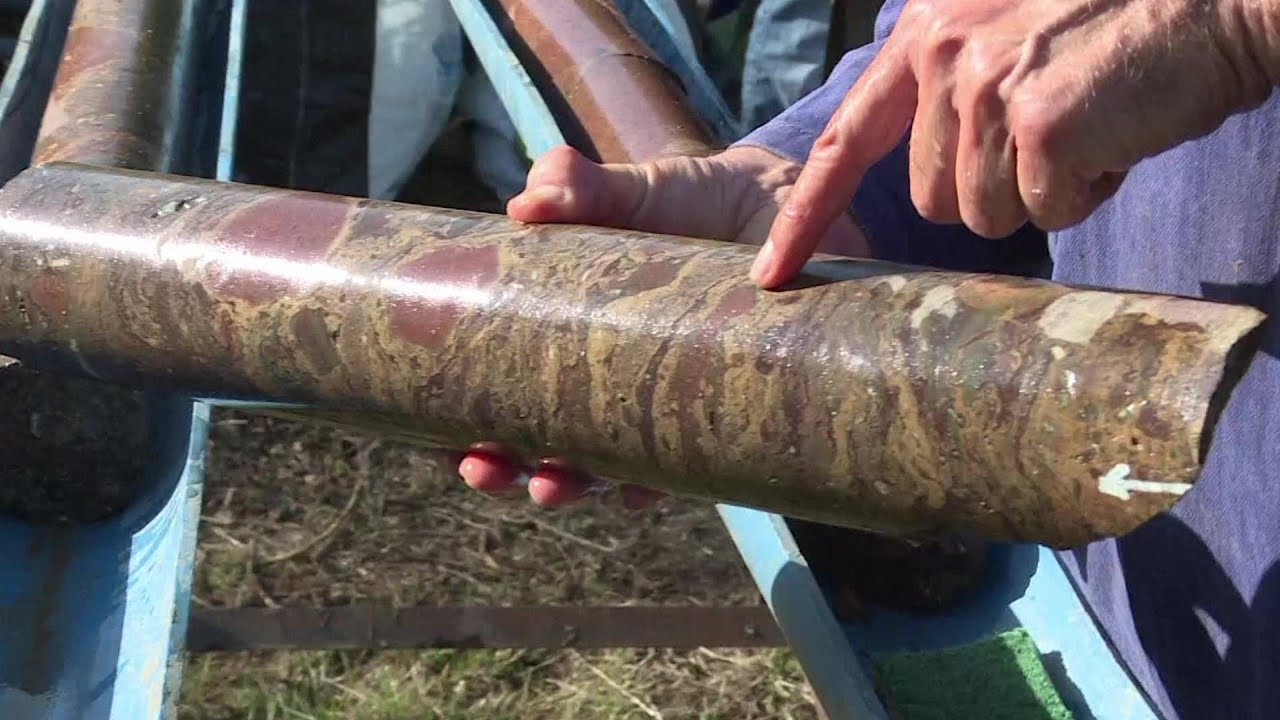
The best geological engineering programs make the Earth your laboratory. Field camps, site visits, core logging, soil and rock testing, surveying, groundwater sampling, and senior design projects help you connect classroom theory with conditions that are messy, variable, and rarely textbook-perfect.
Internships are particularly valuable because employers want evidence that you can work safely, document observations, meet deadlines, and communicate with a project team. Search for opportunities with environmental consultants, geotechnical firms, mining companies, transportation agencies, water authorities, laboratories, and engineering departments. A paid summer position can also help you test a career before graduation and offset college expenses.
When comparing schools, ask:
- Does the program offer a field camp or substantial field methods course?
- Are students able to use geotechnical, hydrogeology, or environmental laboratories?
- Do faculty supervise undergraduate research?
- Does the department help students find internships and co-ops?
- Are senior projects sponsored by real clients?
- Is the curriculum accredited by ABET where applicable?
Licensure can expand your responsibilities. In the United States, the usual engineering pathway begins with an ABET-accredited bachelor's degree, passing the Fundamentals of Engineering exam, gaining qualifying supervised experience, and passing the Principles and Practice of Engineering exam in the relevant discipline. Requirements vary by state, so you should confirm details with your state licensing board.
Not every geological engineering graduate becomes a licensed professional engineer. Some work in research, data analysis, field operations, environmental science, or project management. Still, choosing a program that supports the licensure pathway keeps more options open, especially if you expect to approve designs, sign technical documents, or take legal responsibility for engineering work.
Job Opportunities for Geological Engineering Majors
Job Opportunities for Geological Engineering Majors are broader than the degree title may initially suggest. Employers may advertise positions under geological engineer, geotechnical engineer, environmental engineer, engineering geologist, hydrogeologist, field engineer, or project engineer. Your coursework, internships, software experience, and location will influence which titles you qualify for.
Common career directions
| Career area | Typical responsibilities |
|---|---|
| Geotechnical engineering | Evaluate soil and rock for foundations, tunnels, roads, bridges, and retaining structures |
| Environmental consulting | Investigate contamination, manage remediation, and prepare compliance reports |
| Hydrogeology | Study groundwater flow, wells, aquifers, and water quality |
| Mining and minerals | Plan safe excavations, evaluate resources, monitor slopes, and manage waste materials |
| Natural hazards | Assess landslides, earthquakes, erosion, flooding, and volcanic risks |
| Construction engineering | Support field operations, inspect materials, and resolve subsurface surprises |
| Government and public agencies | Review permits, manage infrastructure, regulate resources, or assess hazards |
| Energy and carbon management | Analyze subsurface storage, geothermal systems, drilling conditions, or site suitability |
Your first job may involve more fieldwork and data collection than glamorous design. You might log soil borings, observe drilling, perform laboratory tests, inspect a construction site, or prepare figures for a senior engineer's report. That foundation can lead to project management, technical specialization, business development, or independent consulting.
Location matters. Regions with major transportation projects, mining activity, water challenges, coastal risks, or rapid construction may offer more openings. A willingness to relocate can improve your early options. So can learning in-demand tools such as GIS, AutoCAD, Python, statistical software, and numerical groundwater or geotechnical modeling.
You should also build professional relationships while in college. Join an engineering or geoscience student organization, attend employer presentations, ask professors about research, and keep a portfolio of maps, models, reports, and design projects. Employers often remember a clear explanation of a field problem more than a list of completed courses.
Expected Starting Salary in the US for Geological Engineering Majors
The Expected starting Salary in the US for Geological Engineering Majors varies by industry, region, employer size, internship history, and job title. A realistic early-career range is often around $60,000 to $85,000 per year, while specialized roles, high-cost regions, mining operations, energy projects, or strong co-op experience may push offers higher. Some entry-level positions may begin below that range, particularly in smaller consulting markets or general field technician roles.
Treat salary figures as planning estimates rather than promises. Compensation may include overtime, travel allowances, bonuses, health insurance, retirement contributions, relocation assistance, or tuition support. A field role with overtime can produce a different total income from a salaried office position even when the base salaries look similar.
| Factor | Possible effect on starting pay |
|---|---|
| Internship or co-op experience | Can improve competitiveness and reduce training needs |
| Professional software skills | Helps you contribute to projects sooner |
| Mining, energy, or remote-site work | May include premiums for travel or difficult conditions |
| Government employment | Often offers structured pay grades and strong benefits |
| Graduate education | May qualify you for specialized research or design roles |
| Geographic location | Pay and living costs can both be higher in major markets |
| Licensure progress | Builds long-term advancement potential rather than an instant salary increase |
The best way to evaluate an offer is to compare total compensation and career development. Ask whether the employer pays for professional exams, provides a mentor, supports continuing education, and offers a clear path toward increasing responsibility. A slightly lower first salary may be worthwhile if you'll receive excellent supervision and gain experience that qualifies you for better roles later.
For scholarship and college-planning purposes, compare expected earnings with total education costs. Look for departmental scholarships, paid research, co-ops, and financial-aid opportunities so you don't choose a major based on salary alone.
Pros and Cons of Choosing This College Major
Geological engineering can be an excellent choice, but it is not universally ideal. Your decision should reflect how you prefer to learn, work, and solve problems.
Advantages
- Strong applied focus: You use science and mathematics to address tangible problems.
- Career flexibility: Skills transfer across geotechnical, environmental, water, mining, infrastructure, and hazard-related work.
- Work variety: Careers may combine field investigations, laboratory analysis, computer modeling, and client communication.
- Public value: Your recommendations can improve safety, water protection, and infrastructure resilience.
- Technical differentiation: The combination of geology and engineering can make you valuable on projects involving complex ground conditions.
- Path to professional licensure: An appropriate program can support the professional engineer pathway.
- Research opportunities: Subsurface systems, climate adaptation, hazards, and critical minerals offer active areas of study.
Challenges
- Demanding prerequisite courses: Calculus, physics, chemistry, and mechanics can make the early curriculum intense.
- Geographic flexibility may be necessary: The best opportunities may be near active construction, mining, water, or infrastructure projects.
- Field conditions are real: You may work outdoors in uncomfortable weather, travel frequently, or visit remote sites.
- Industry cycles affect hiring: Mining, energy, and construction can experience regional or economic ups and downs.
- Specialized program availability: Fewer colleges offer the exact major than offer civil engineering or geology.
- Responsibility and uncertainty: Subsurface conditions cannot be observed perfectly, so your conclusions must be careful and defensible.
A practical test is to review an introductory geology field activity and a first-year engineering problem set. If both seem interesting, even if neither looks easy, you may have the right mix of curiosity and persistence.
Geological Engineering Compared With Related Majors
Several majors can lead to overlapping careers, but their priorities differ. Understanding those differences can prevent you from choosing a degree title that sounds appealing but doesn't match your preferred work.
| Major | Primary emphasis | Best fit if you want to… |
|---|---|---|
| Geological engineering | Engineering decisions involving earth materials and subsurface conditions | Combine geology with design, risk analysis, and infrastructure work |
| Geology | Earth history, processes, materials, and field interpretation | Study how the Earth works, conduct field research, or enter resource and environmental science |
| Civil engineering | Design and construction of infrastructure and built systems | Work on structures, transportation, water systems, or construction with broader engineering coverage |
| Environmental engineering | Pollution prevention, treatment, remediation, and environmental systems | Focus on water, air, waste, public health, and regulatory solutions |
| Mining engineering | Extraction and processing of minerals | Plan and operate mines, manage production, and improve excavation safety |
| Petroleum engineering | Reservoirs, drilling, production, and energy resources | Work with subsurface energy production and reservoir systems |
Geological engineering is often the middle ground between geology and civil engineering. You may understand natural materials more deeply than a typical civil engineer while gaining more design and quantitative training than a typical geology student.
Civil engineering may be a better choice if you want the widest access to structural, transportation, construction, and water-system roles. Geology may suit you better if you prefer field interpretation, earth history, research, or a less engineering-centered curriculum. Environmental engineering can be the stronger option if you are most interested in treatment systems, pollution control, and public health.
The boundaries are not absolute. Employers may accept related degrees for some entry-level jobs, and electives or graduate school can shift your direction. Read actual course plans rather than relying only on major names. Two geological engineering programs can differ as much as two universities' civil engineering programs.
Geological Engineering College Major FAQs
What is geological engineering, and how does it differ from geology and civil engineering?
Geological engineering combines earth science with engineering to address how soil, rock, and groundwater impact projects. Unlike geology, it focuses on engineering design and safety; unlike civil engineering, it emphasizes natural materials and processes affecting construction and infrastructure.
What core courses and skills are essential for a geological engineering major?
Key courses include calculus, physics, chemistry, mineralogy, soil mechanics, hydrogeology, and engineering design. Students develop skills in data interpretation, technical writing, risk assessment, and collaboration, preparing them for fieldwork, lab analysis, and modeling.
What career opportunities are available for graduates with a geological engineering degree?
Graduates can work in geotechnical engineering, environmental consulting, mining, hydrogeology, natural hazard assessment, construction, government agencies, or energy sectors. Roles involve project management, field inspections, data analysis, and regulatory compliance.
How important is fieldwork in geological engineering studies and careers?
Fieldwork is integral, involving site visits, sampling, surveying, and environmental monitoring. It provides practical experience with real-world conditions, balancing office analysis with outdoor investigation, which is valued by employers and crucial for comprehensive understanding.
What are the typical starting salaries for geological engineering graduates in the US?
Starting salaries generally range from $60,000 to $85,000 annually, influenced by industry, location, internships, and skills. Opportunities in mining, energy, or government may offer premiums and benefits. Professional development affects long-term advancement.
How can students prepare for licensure and professional advancement in geological engineering?
Students should attend ABET-accredited programs, complete internships, pass the Fundamentals of Engineering exam, gain supervised work experience, and then pass the Principles and Practice of Engineering exam. Licensure opens doors to design approval and increased responsibilities.