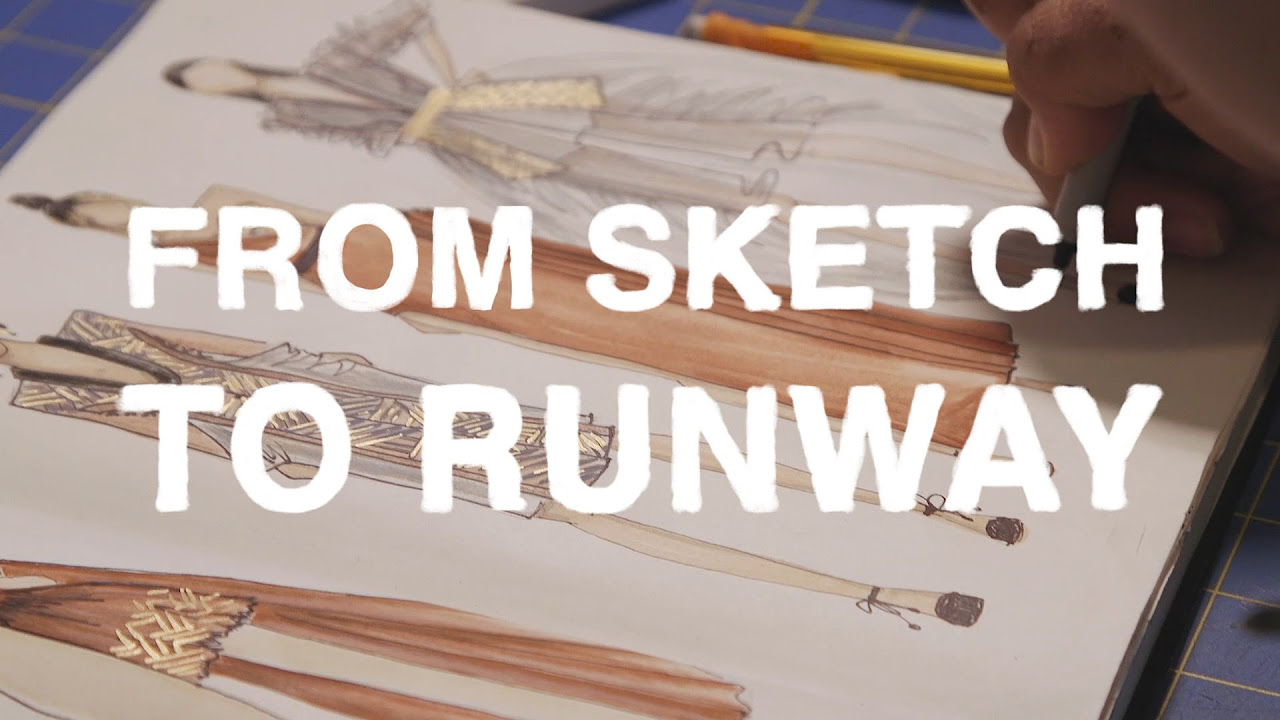
A fashion design college major can turn a creative interest into a practical career, but it isn't simply a degree in drawing attractive clothing. You'll study textiles, construction, digital tools, business, merchandising, and the demanding process of developing a collection from an early sketch to a finished garment.
That combination makes fashion design exciting, highly hands-on, and competitive. Your success will depend on more than the college name or the degree printed on your résumé. Portfolio quality, internships, technical ability, professional relationships, and your willingness to understand how the fashion industry operates may matter just as much.
This review examines what you'll study, how programs differ, what they cost, which careers are available, and the expected starting salary in the US for fashion design majors. It also compares fashion design with nearby majors so you can decide whether the field fits your goals, finances, and working style. As you compare schools, remember to investigate scholarships and financial aid early: reducing your debt can make a creative career much easier to pursue.
Fashion Design Major At A Glance
A fashion design major is typically a Bachelor of Fine Arts (BFA), Bachelor of Arts (BA), or associate degree focused on designing and producing apparel, accessories, footwear, costumes, or textiles. A BFA generally provides the most studio-intensive experience, while a BA may leave more room for business, liberal arts, or another minor.
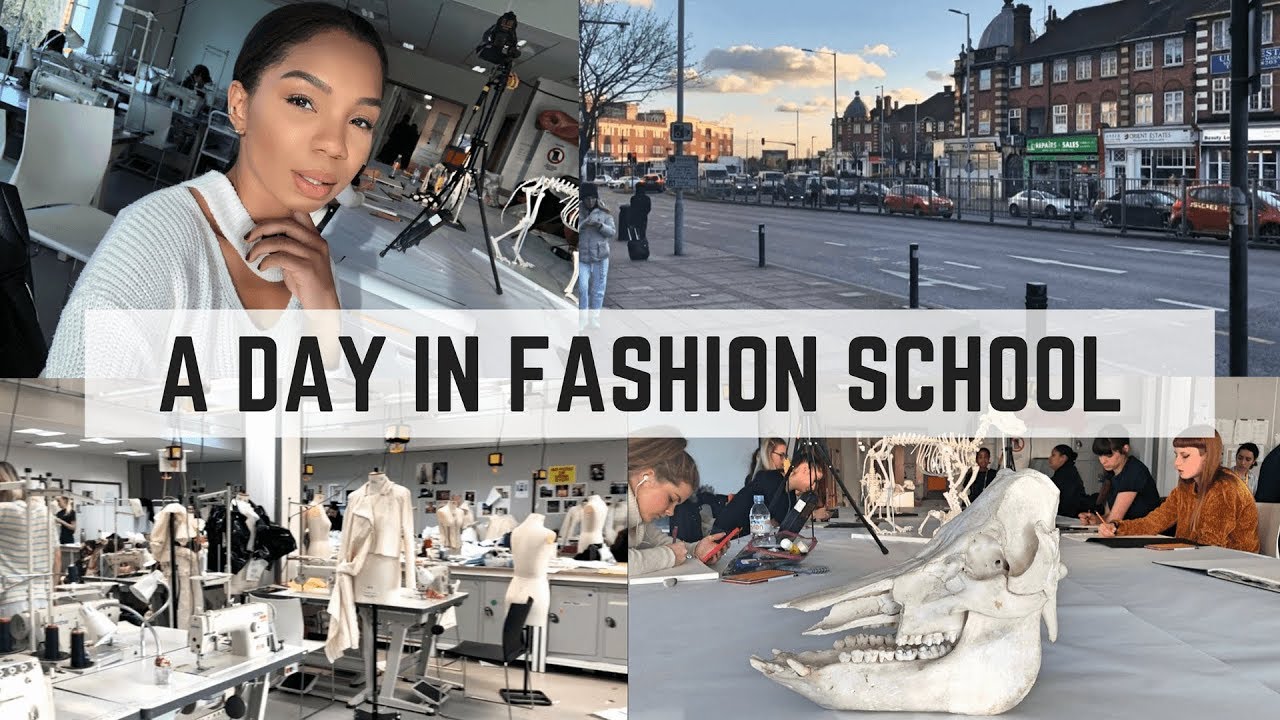
You'll usually spend less time in traditional lecture classes than students in many other majors. Expect studio critiques, patternmaking labs, sewing rooms, computer labs, and project deadlines that resemble professional production schedules. A typical program may take four years full time for a bachelor's degree.
| Area | What you can generally expect |
|---|---|
| Core work | Drawing, garment construction, textiles, patternmaking, fashion history, and design theory |
| Practical output | Samples, technical drawings, garments, collections, and a digital or physical portfolio |
| Common degree | BFA or BA in Fashion Design |
| Useful tools | Adobe Illustrator, Photoshop, CLO 3D, CAD systems, sewing machines, and industrial equipment |
| Key evaluation factor | The quality of student work and industry access, not just the school's reputation |
| Main challenge | Building a distinctive portfolio while managing material costs and demanding deadlines |
The major suits students who want to make things, solve visual and technical problems, and accept repeated revision. It's not an automatic path to becoming a famous designer. Most graduates begin in assistant, technical, production, product development, or design-support roles and build responsibility over time.
What Students Study In A Fashion Design Program
Your first year may cover the fundamentals: figure drawing, color theory, design principles, sewing, textiles, fashion history, and visual communication. These classes help you understand why a garment works, not only whether it looks appealing on a sketch.
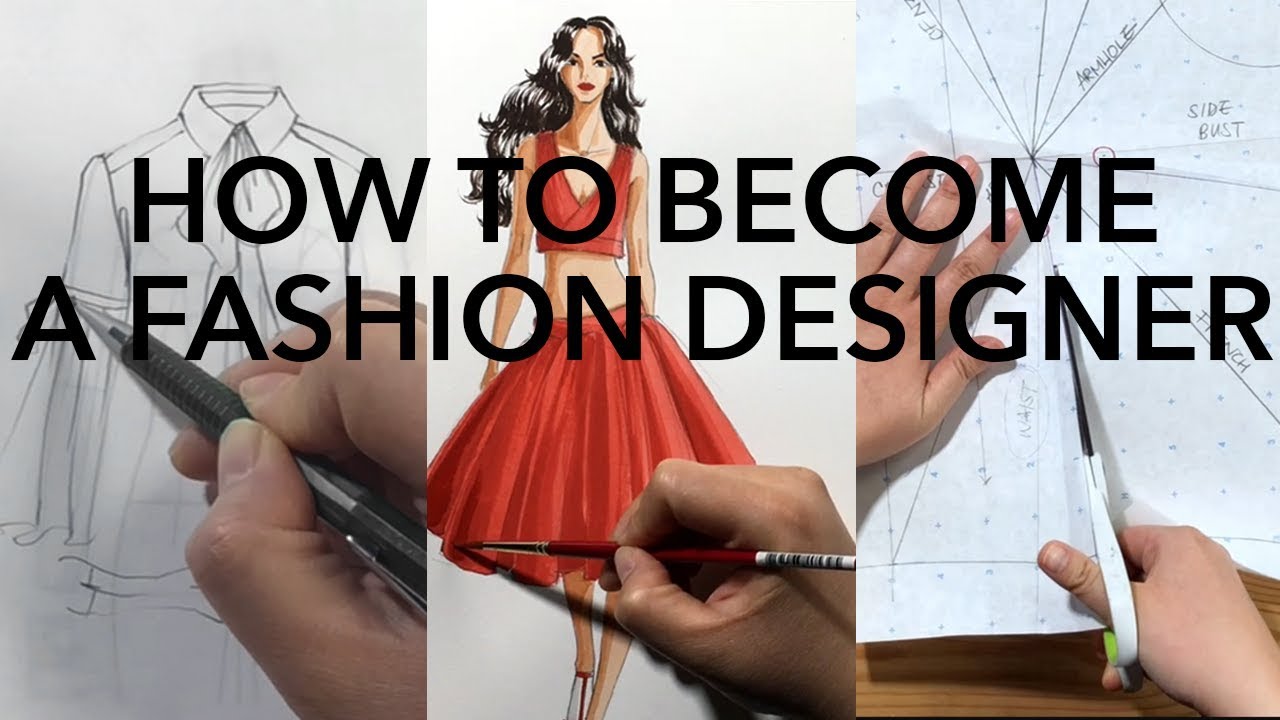
As you progress, you'll normally study patternmaking, draping, apparel construction, tailoring, knitwear, surface design, and collection development. Patternmaking teaches you how two-dimensional shapes become three-dimensional garments. Draping develops a related skill by letting you shape fabric directly on a dress form. Both are more technical than they appear, and both reward patience.
Many programs also include:
- Textile science: Fiber properties, fabric behavior, dyeing, printing, sustainability, and care requirements.
- Digital design: Technical flats, fashion illustration, colorways, line sheets, and computer-aided design.
- Fashion business: Product costing, sourcing, trend research, merchandising, branding, and retail principles.
- Professional practice: Portfolio preparation, résumé writing, presentations, and interview preparation.
- History and theory: Designers, cultural context, clothing systems, and the social meaning of dress.
Your final year may culminate in a senior collection or capstone. That project is important because it demonstrates your point of view and your ability to complete a coherent body of work. Look beyond course titles when comparing colleges. Ask how many garments you'll construct, whether materials are included, how much access you receive to equipment, and whether faculty provide individual feedback.
How To Evaluate A Fashion Design Major
The best fashion design major for you is not necessarily the most expensive or the most recognizable. Evaluate the program as a working environment: What will you make, who will teach you, and what opportunities will connect you with employers?
Start with the curriculum. Does it balance creativity with construction, technology, business, and sustainability? A program built almost entirely around illustration may leave you underprepared for entry-level production or technical roles. On the other hand, a heavily technical program may not give you enough space to develop a unique design voice.
Next, inspect evidence of outcomes. Review recent student portfolios, senior collections, internship placements, alumni careers, graduation rates, and accreditation information where relevant. Student work often reveals more than promotional photography. Do graduates produce finished garments with clean construction, or mostly concept boards?
Consider the following practical questions:
- What is the student-to-faculty ratio in studio courses?
- How recently have the facilities and software been updated?
- Are internships paid, for credit, or arranged independently?
- Can you study abroad or work with companies on live projects?
- What are tuition, lab fees, supplies, housing, and equipment costs together?
- Does the college provide career services specifically for creative industries?
Cost deserves special attention. Fashion materials, pattern paper, muslin, portfolio printing, software, and tools can add hundreds or thousands of dollars across a program. Compare total cost, not just tuition, and look for scholarships through your college and reputable scholarship-search resources. A lower-debt option may give you more freedom to accept an entry-level opportunity after graduation.
Studio Learning, Design Skills, And Portfolio Development
Studio learning is the center of a strong fashion design education. Instead of only reading about construction, you'll draft a pattern, cut fabric, sew a sample, identify the problem, and revise it. That cycle can feel frustrating, but it teaches the judgment employers need: how to diagnose fit, proportion, balance, fabric behavior, and finishing quality.
Your portfolio should show both imagination and control. Include selected finished garments, technical flats, material experiments, sketches, development pages, and photographs that explain the design process. Employers want to see what you can execute, not just your most dramatic mood board.
A useful portfolio often demonstrates:
- A clear visual point of view
- Strong drawing or digital communication
- Accurate technical specifications
- Understanding of construction and fit
- Research that informs, rather than decorates, the concept
- A range of materials or product categories
- Evidence that you can edit and complete work
Quality matters more than volume. Ten thoughtful projects usually create a stronger impression than 40 unrelated images. Photograph garments in good lighting and show relevant details, such as closures, seams, interiors, and finishing. Keep a digital version that loads quickly and a presentation version tailored to each opportunity.
Critiques can be uncomfortable, particularly when a project feels personal. Learn to separate feedback about the work from judgment about you. The ability to revise without losing the original idea is one of the major benefits of studio education, and one of the clearest signals of professional maturity.
Industry Experience, Technology, And Networking
Fashion employers increasingly expect graduates to combine physical craft with digital fluency. You may use Adobe Illustrator for technical flats, Photoshop for presentations, spreadsheets for costing, and 3D apparel software such as CLO for virtual sampling. Technology doesn't replace construction knowledge: it helps you communicate and test ideas faster.
Ask colleges whether software access is included in tuition and whether you'll learn industry-standard workflows. A student who can create a beautiful illustration but cannot prepare a usable tech pack may struggle to move an idea into production. Conversely, technical skills can open doors in product development, technical design, and production even if a traditional designer role is not immediately available.
Industry experience is equally valuable. Internships, part-time work, freelance projects, fashion weeks, costume shops, alterations businesses, and student collaborations can all teach you how deadlines, budgets, vendors, and revisions work. An internship is most useful when you receive real responsibilities and feedback, not when you only perform administrative tasks.
Networking needn't mean collecting contacts at expensive events. Build genuine professional relationships with instructors, alumni, visiting designers, classmates, photographers, stylists, manufacturers, and local business owners. Attend critiques and talks prepared with specific questions. Keep your portfolio current and follow up politely after meeting someone.
Geography can affect access to opportunities, but remote collaboration and digital portfolios have broadened the field. Still, a school's connections to apparel companies, costume departments, manufacturers, and design studios can provide a meaningful advantage.
Job Opportunities For Fashion Design Majors
Job opportunities for fashion design majors extend beyond the title "fashion designer." Your first role may depend on your strongest skill: concept development, sewing, fit, digital design, research, communication, or organization.
Potential career paths include:
| Career | Typical responsibilities |
|---|---|
| Assistant fashion designer | Supports research, sketches, samples, fittings, and collection development |
| Technical designer | Creates specifications, measures garments, and communicates fit changes to factories |
| Product developer | Coordinates design, materials, costing, production, and delivery |
| Textile or surface designer | Develops prints, patterns, textures, colorways, or fabric concepts |
| Costume designer or assistant | Creates clothing for theater, film, television, dance, or live performance |
| Fashion illustrator | Produces visual concepts for brands, publications, or independent clients |
| Stylist or wardrobe assistant | Selects, coordinates, sources, and manages clothing for people or productions |
| Patternmaker or sample maker | Drafts patterns and builds prototypes for fitting and production |
| Merchandiser or buyer | Uses customer, product, and sales information to plan assortments |
| Independent designer | Develops, markets, sells, and manages your own products or label |
The industry includes luxury, mass-market, sportswear, childrenswear, bridal, uniforms, accessories, outdoor apparel, costume, resale, and sustainable fashion. You can also apply your skills outside apparel, in soft goods, visual merchandising, education, sourcing, or creative entrepreneurship.
The US Bureau of Labor Statistics reports employment and pay data for fashion designers, but those figures don't represent every graduate or every job related to the major. Your location, portfolio, specialization, employer size, and experience can substantially change outcomes. Treat the degree as a platform, not a guarantee. You may need to begin in a neighboring role and move toward your preferred specialty.
Expected Starting Salary In The US For Fashion Design Majors
There is no single expected starting salary in the US for fashion design majors because graduates enter different occupations and industries. A junior designer at a national brand, an assistant in a costume shop, and a freelance patternmaker may have very different compensation packages.
For the most current occupation-level data, consult the Bureau of Labor Statistics profile for fashion designers. Its published median wage describes workers across experience levels, not specifically new graduates. Salary websites can provide additional estimates, but their samples and methods vary, so compare several sources rather than treating one figure as a promise.
Your first-year compensation may include more than base pay:
- Overtime or seasonal pay
- Health insurance and retirement contributions
- Employee discounts
- Relocation assistance
- Freelance or project-based income
- Tuition reimbursement or professional development
Location matters. Large fashion and media centers can offer more opportunities and sometimes higher wages, but rent and commuting costs may erase much of that difference. A smaller market, remote role, or manufacturing region may provide a lower nominal salary with a more manageable cost of living.
To improve your earning potential, develop a specialty employers can use immediately. Technical design, 3D sampling, apparel production, performance wear, sustainable materials, and data-informed product development can complement your creative abilities. Learn to discuss your work in business terms: fit improvements, reduced sampling, customer needs, sell-through, material efficiency, or production feasibility.
When comparing an offer, evaluate the learning opportunity and supervision as well as the number on the contract. A well-supported first job can build skills and contacts that lead to a stronger second move. Avoid unpaid arrangements that promise vague exposure while requiring extensive professional labor.
Why Major In Fashion Design: Benefits And Challenges
Why major in fashion design? The strongest reason is that you want a career combining visual ideas, physical making, research, and problem-solving. You'll see an idea become tangible, work with different materials, and develop a body of work that reflects your perspective. For many students, that direct connection between imagination and output is deeply motivating.
Other potential benefits include:
- A hands-on education with visible project outcomes
- Multiple career routes across apparel, accessories, costume, textiles, and product development
- Opportunities for entrepreneurship and freelance work
- Collaboration with photographers, models, stylists, marketers, and performers
- Skills that can transfer to merchandising, manufacturing, education, and creative technology
The challenges are real. Competition for desirable design roles can be intense, and entry-level pay may not immediately reflect the time and cost of your education. Studio projects often require long hours, repetitive correction, and personal spending on supplies. Trends move quickly, production can involve difficult ethical and environmental questions, and creative work is still shaped by deadlines, budgets, and customer demand.
You'll also need resilience. A rejected concept, poor critique, or failed sample is normal, not evidence that you chose the wrong major. But, passion alone won't solve financial pressure. Create a realistic budget, research aid, and consider a complementary minor in business, marketing, sustainability, computer science, or communications. The best fashion education gives you creative range while preparing you to earn, collaborate, and adapt.
Fashion Design Compared With Related College Majors
Fashion design overlaps with several majors, but the daily work and career outcomes differ. Comparing them can help you choose a program that matches the part of the industry you enjoy most.
| Major | Best fit if you want to… | How it differs from fashion design |
|---|---|---|
| Fashion merchandising | Plan products, analyze customers, buy inventory, or manage retail | More business, consumer, and sales focused: usually less garment construction |
| Textile design | Create prints, weaves, knits, dyes, or surface treatments | Concentrates on materials and patterns that may be used by many product categories |
| Apparel production or product development | Move designs from concept through sourcing and manufacturing | Emphasizes costing, specifications, vendors, quality, and timelines |
| Costume design | Design clothing that supports characters and storytelling | More connected to scripts, historical research, fittings, and performance production |
| Graphic design | Communicate ideas through typography, identity, and digital or printed media | Less focused on bodies, fit, fabric, and physical garment construction |
| Interior or industrial design | Design environments, objects, or products for users | Uses related design thinking but serves different materials, scales, and regulations |
A fashion design major is a good choice if you want to originate garments and learn how to build them. Merchandising may be better if you enjoy trends, retail analytics, and business strategy more than sewing. Textile design may suit you if material experimentation and repeat patterns are your main interests.
You don't have to treat the decision as irreversible. Electives, internships, minors, and portfolio projects can bridge fields. Before enrolling, read actual course descriptions and speak with current students. "Fashion" can describe programs with dramatically different balances of studio work, business, technology, and theory.
Fashion Design College Major - Frequently Asked Questions
What does a fashion design college major typically include?
A fashion design major covers drawing, garment construction, textiles, patternmaking, fashion history, digital tools, and business aspects like merchandising. It involves creating portfolios, technical drawings, and finished garments through hands-on studio work.
How long does it take to complete a fashion design bachelor's degree?
A full-time bachelor's degree in fashion design usually takes four years. The program involves studio classes, patternmaking labs, sewing, digital design, and business courses, culminating in a senior collection or capstone project.
What skills will I develop in a fashion design program?
You will gain skills in drawing, sewing, patternmaking, draping, textile science, digital design software like Adobe Illustrator and CLO 3D, fashion business, and portfolio preparation necessary for the industry.
Can I pursue careers other than fashion designer with this major?
Yes, career options include assistant fashion designer, technical designer, product developer, textile designer, costume designer, fashion illustrator, stylist, patternmaker, merchandiser, and independent designer.
What should I consider when choosing a fashion design college major?
Evaluate the curriculum balance between creativity, construction, technology, and business; review student portfolios, internship opportunities, faculty access, facilities, total cost including supplies, and career services for creative industries.
How can I improve my job prospects after majoring in fashion design?
Develop technical specialties like 3D sampling or sustainable materials, build a strong portfolio showing finished garments and technical skills, gain industry experience through internships, and cultivate professional relationships and networking.