Choosing a college major in pathology can sound straightforward, until you discover that "pathology" usually describes a medical specialty rather than a standard four-year bachelor's degree. If you're interested in disease, laboratory testing, anatomy, or forensic investigation, you may find pathology-related programs under names such as medical laboratory science, clinical laboratory science, biology, biomedical science, or forensic science.
This review explains what you would actually study, which careers are realistic after graduation, how medical school and pathology residency fit into the picture, and what you might earn in the United States. It also compares pathology-related majors with nearby options so you can choose a program that matches your interests and timeline.
The key distinction is important: an undergraduate major can prepare you for laboratory and healthcare careers, but becoming a physician pathologist requires medical school, residency training, and licensing. You should evaluate the major based on the level of pathology work you want to perform, not simply the title printed in a college catalog.
Pathology Major At A Glance
Pathology is the study of disease: how illness develops, how it changes cells and tissues, and how laboratory evidence helps clinicians diagnose and treat patients. At the college level, but, you'll rarely find a broadly available bachelor's degree titled simply "pathology." More often, pathology is a concentration, pre-professional interest, or graduate-level field.
A pathology-related undergraduate major may prepare you for work as a medical laboratory scientist, histotechnologist, cytotechnologist, pathology laboratory assistant, research technician, or forensic laboratory technician. It can also serve as preparation for medical school if your goal is to become a pathologist.
| Area | What you should expect |
|---|---|
| Typical degree names | Medical laboratory science, biology, biomedical science, clinical laboratory science, or forensic science |
| Main subjects | Biology, chemistry, microbiology, anatomy, physiology, genetics, and laboratory methods |
| Common work setting | Hospitals, diagnostic laboratories, research institutions, universities, and public-health agencies |
| Physician pathologist route | Bachelor's degree, medical school, pathology residency, licensing, and often fellowship training |
| Best fit | Students who enjoy disease science, careful lab work, evidence-based decisions, and healthcare |
You should also check whether a program includes clinical rotations and professional accreditation. A degree with strong laboratory training can be more career-ready than a general science degree, even if both cover similar introductory subjects.
What Students Study In A Pathology-Related Major
Your first two years will usually focus on foundational science. Expect general biology, general and organic chemistry, physics, mathematics, and writing. These courses are not just hurdles: they build the vocabulary and technical reasoning you'll need to interpret laboratory results.
Upper-level coursework becomes more directly connected to pathology. Depending on the program, you may study:
- Human anatomy and physiology: How healthy organs and body systems function.
- Microbiology: Bacteria, viruses, fungi, parasites, and infectious disease.
- Immunology: How the immune system responds to infection, cancer, and autoimmune conditions.
- Hematology: Blood cells, clotting, blood disorders, and diseases such as leukemia.
- Clinical chemistry: How substances in blood and other fluids are measured and interpreted.
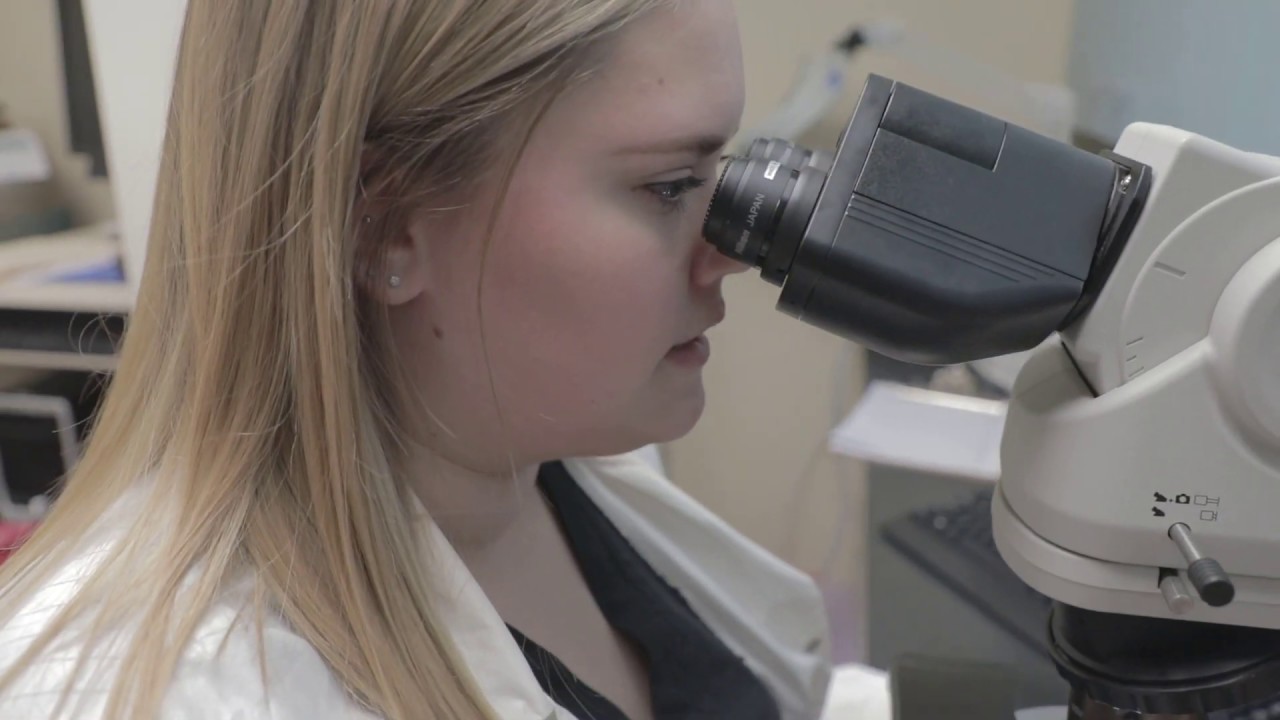
- Histology: How tissues are processed, cut, stained, and examined under a microscope.
- Molecular diagnostics: DNA, RNA, genetic mutations, and laboratory techniques such as PCR.
- Pathophysiology: How disease disrupts normal biological processes.
- Laboratory management and ethics: Quality control, safety, privacy, regulation, and documentation.
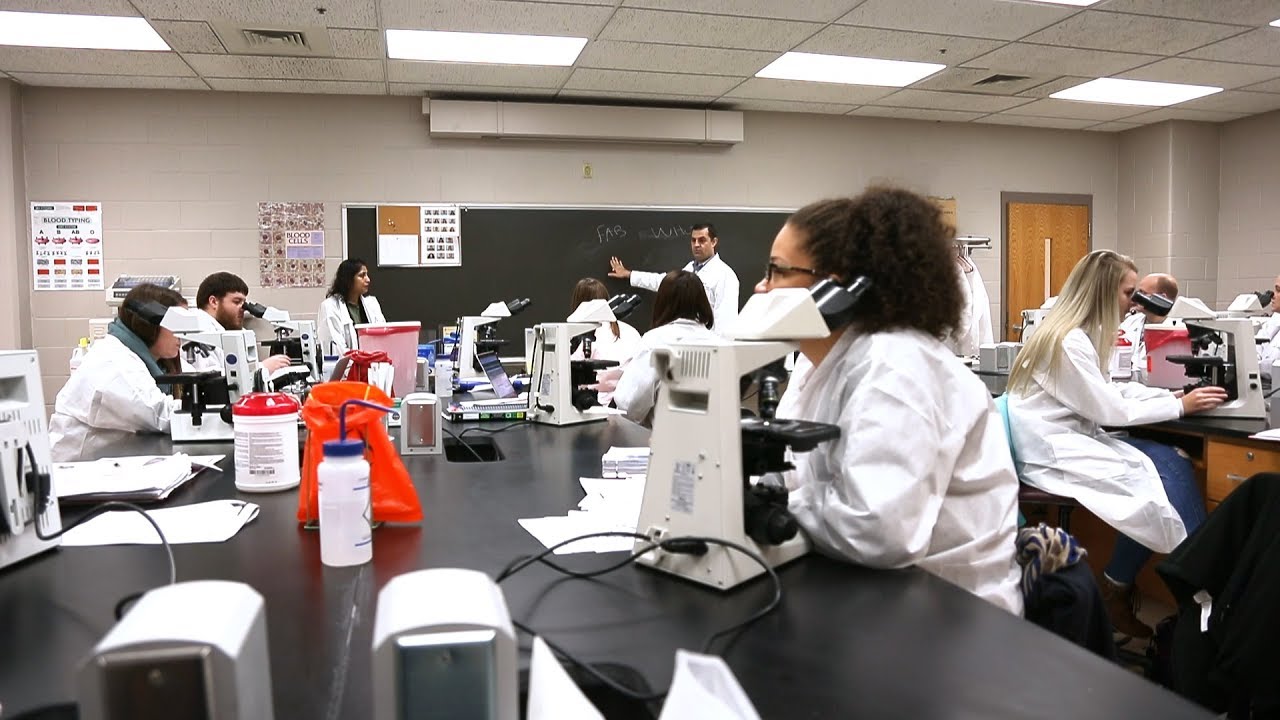
Many medical laboratory science programs include supervised clinical practice in a hospital or diagnostic laboratory. This experience lets you connect textbook concepts to real specimens and workflows.
If you plan to attend medical school, confirm that your curriculum includes common prerequisites such as biology, chemistry, organic chemistry, physics, and English. You may also need biochemistry and statistics. Requirements vary by medical school, so checking early can prevent an expensive course-correction later.
Criteria For Evaluating A Pathology College Major
A program's title tells you less than its curriculum, clinical partnerships, and graduate outcomes. Use the following criteria before applying.
Curriculum depth
Look for required courses in microbiology, immunology, hematology, clinical chemistry, molecular diagnostics, and tissue science. A program should balance theory with repeated hands-on laboratory practice.
Accreditation and certification preparation
For medical laboratory science, investigate whether the program is accredited by an appropriate professional body, such as NAACLS. Accreditation may support eligibility for certification examinations, although certification rules depend on the profession and certifying organization. Histotechnology and cytotechnology programs have their own educational and credentialing pathways.
Clinical experience
Ask where students complete rotations, how many hours they receive, and whether placements are guaranteed. A modern laboratory can expose you to automation, electronic records, molecular testing, blood banking, microbiology, and quality assurance.
Faculty and facilities
Review faculty backgrounds, laboratory equipment, research opportunities, class sizes, and access to microscopes or molecular platforms. You don't need the newest instrument in every classroom, but you do need meaningful practice with current methods.
Outcomes and cost
Request graduation, certification-exam, employment, and graduate-school data. Compare total cost, not just tuition, including fees, transportation to clinical sites, supplies, and lost work time.
Support for your goal
A clinical program may be ideal for entering the workforce after a bachelor's degree. A research-focused biology program may offer better preparation for graduate school. If you want to become a physician pathologist, prioritize strong advising and medical-school prerequisites.
Academic Experience And Essential Skills
Pathology-related study is detail-heavy. You may spend one day analyzing stained cells under a microscope and the next troubleshooting why a control sample produced an unexpected result. The work rewards patience more than dramatic classroom moments.
You'll develop technical skills such as pipetting, specimen handling, microscopy, culture methods, staining, molecular testing, data analysis, and laboratory safety. Just as important, you'll learn to recognize contamination, question unreliable results, follow standardized procedures, and document every step.
The strongest students tend to build these broader abilities:
- Accuracy: Small errors can affect a diagnosis, treatment decision, or research conclusion.
- Critical thinking: You must connect test results with biological mechanisms and clinical context.
- Communication: Laboratory professionals explain results and limitations to physicians, coworkers, and sometimes patients.
- Time management: Hospitals often need urgent results while routine work continues.
- Professional ethics: Confidentiality, consent, impartiality, and patient safety matter every day.
- Emotional steadiness: Exposure to serious disease, death, or forensic material may be part of some roles.
Your workload may include frequent laboratory reports, practical examinations, memorization, and cumulative science exams. It's not a major you should choose solely because you like watching medical shows. You should enjoy asking, "What evidence supports this conclusion?" and be comfortable repeating a procedure until the result is reliable.
Career Paths And Job Opportunities For Pathology Majors
Job Opportunities for Pathology Majors depend heavily on your exact degree, clinical training, certification, and whether you continue to graduate or professional school. A bachelor's degree can open several routes, but it does not automatically qualify you for every laboratory title.
| Career | Typical education | What you may do |
|---|---|---|
| Medical laboratory scientist | Bachelor's degree and often certification | Perform testing in chemistry, hematology, microbiology, blood banking, or molecular diagnostics |
| Histotechnologist | Specialized education and often certification | Prepare and stain tissue sections for microscopic examination |
| Cytotechnologist | Specialized cytology training and certification | Examine cells for cancerous or abnormal changes |
| Pathology laboratory assistant | Certificate or associate degree, depending on duties | Accession specimens, assist with processing, and maintain workflow |
| Research technician | Bachelor's degree in biology or a related field | Support experiments, manage samples, and analyze data |
| Forensic laboratory technician | Forensic science or natural science degree | Analyze biological, chemical, or trace evidence |
| Public-health laboratory scientist | Relevant science degree and laboratory experience | Monitor infectious disease, outbreaks, and population health |
| Physician pathologist | MD or DO plus residency | Diagnose disease using tissue, blood, and laboratory evidence: some work directly with patients |
Hospitals and independent diagnostic laboratories are major employers, but you can also find positions in pharmaceutical companies, biotechnology, universities, government agencies, blood centers, and veterinary laboratories. The U.S. Bureau of Labor Statistics groups many relevant roles under medical and clinical laboratory technologists and technicians.
Automation is changing routine testing, but it has not eliminated the need for skilled professionals. Instead, employers increasingly value quality control, instrument troubleshooting, molecular methods, data interpretation, and the ability to investigate unusual results. Geographic flexibility can help because laboratory openings may be concentrated near major hospitals and research centers.
Expected Starting Salary In The US For Pathology Majors
The Expected starting Salary in the US for Pathology Majors varies because "pathology major" is not a single occupational category. Your first salary may differ substantially depending on whether you enter a hospital laboratory, research setting, biotechnology company, or physician-training pathway.
As a broad reference, the BLS Occupational Employment and Wage Statistics reports national wage data for related occupations rather than for a pathology major itself. Medical laboratory technologists and technicians generally have different pay ranges, with technologists earning more than technicians because they typically have greater education and responsibility. Research assistants and biological technicians may begin at a lower or similar level, while specialized molecular or industry roles can pay more.
A realistic planning approach is to compare local postings rather than rely on one national number. Search for "medical laboratory scientist," "clinical laboratory scientist," "histotechnologist," "research technician," and "pathology assistant," then note requirements, shift premiums, and certification preferences.
Your starting compensation may include more than base pay:
- Night, weekend, or holiday differentials in hospital laboratories
- Health insurance, retirement contributions, and tuition assistance
- Overtime or on-call pay
- Relocation support in hard-to-staff regions
- Bonuses in biotechnology or private laboratories
Location matters. Large metropolitan areas may offer more employers and specialized positions but also higher living costs. Rural hospitals may provide broader responsibility or recruitment incentives. Certification, clinical rotations, an internship, and experience with laboratory information systems can strengthen your negotiating position. For current figures, use BLS data and your state's labor-market information rather than salary websites that combine unrelated occupations.
Advantages And Disadvantages Of Majoring In Pathology
Advantages
You gain a clear scientific focus. If disease mechanisms and diagnostic testing genuinely interest you, pathology-related coursework can feel purposeful rather than abstract.
You can enter several healthcare careers. Medical laboratory science, histotechnology, research, public health, and biotechnology offer different work environments without requiring the same professional degree.
Your work can affect patient care. Laboratory results influence diagnosis, treatment, infection control, transfusion decisions, and cancer evaluation, even when you rarely meet the patient.
The skills transfer well. Cell biology, microbiology, quality assurance, and data analysis can support graduate study or movement into research, regulatory, and industry roles.
There is a long-term advancement path. With experience or further education, you may move into supervision, education, quality management, specialized diagnostics, or pathology leadership.
Disadvantages
The major may be difficult to find under that name. You may need to compare several related programs instead of selecting a neat "pathology" degree.
Science courses are demanding. Chemistry, biology, statistics, and laboratory practicals require consistent effort, not last-minute studying.
Some jobs involve routine work or irregular schedules. Hospital laboratories operate around the clock, and repetitive testing is part of maintaining dependable results.
A bachelor's degree may not be enough for your preferred role. Physician pathology requires medical school and residency: some specialized laboratory careers require additional training or certification.
Pay can be uneven. Entry-level laboratory compensation may be modest relative to the education and responsibility involved, particularly in areas with limited wage growth.
The major is strongest when you value meaningful technical work and can tolerate precision, regulations, and repetition. If you want constant patient interaction, another healthcare field may fit better.
Pathology Compared With Related College Majors
Comparing neighboring majors can clarify what you actually want from college.
| Major | Best if you want to… | Main difference from pathology-related study |
|---|---|---|
| Biology | Keep broad options for medicine, research, or graduate school | Usually less specialized clinical laboratory training |
| Biomedical science | Study human disease and prepare for professional school | Often emphasizes pre-med science more than workforce-ready certification |
| Medical laboratory science | Perform diagnostic testing after graduation | More structured clinical education and rotations |
| Biochemistry | Study chemical processes in living systems | Stronger molecular and chemical emphasis: often research-oriented |
| Forensic science | Analyze evidence for legal investigations | Focuses on chain of custody, crime-scene evidence, and legal standards |
| Nursing | Provide direct patient care | Much more patient-facing, with different clinical responsibilities and licensing |
| Public health | Address disease across communities and populations | Focuses on prevention, policy, epidemiology, and health systems |
If your priority is becoming a physician, biology or biomedical science may offer flexible medical-school preparation, but no major guarantees admission. If you want a job immediately after a bachelor's degree, medical laboratory science may provide a more direct route than general biology.
You should compare required courses, clinical hours, certification eligibility, internship access, and graduate outcomes. Two programs may both mention "biomedical" in their names while leading to very different experiences. Ask a department whether graduates are eligible for a specific credential and which jobs they obtain within six months of graduation.
Why Major In Pathology? Fit For Potential College Students
Why Major in Pathology? The best answer is personal: you should choose it because you're curious about how disease works and willing to build expertise through careful laboratory practice. The field can suit you if you enjoy biology and chemistry, prefer evidence to guesswork, and like solving problems that have a practical consequence.
It may be a good fit if you want healthcare involvement without making every workday about bedside interaction. You can contribute to patient care through accurate testing, quality systems, research, and diagnostic innovation. You may also appreciate that the field connects multiple interests: infectious disease, cancer, genetics, immunology, technology, and public health.
Before committing, test your assumptions:
- Shadow a medical laboratory scientist or ask a hospital laboratory about informational interviews.
- Take introductory biology and chemistry seriously: use your performance to assess both interest and preparation.
- Compare a clinical laboratory science program with a general biology or biomedical science degree.
- Review the daily work of at least three careers, not just the physician pathologist role.
- Calculate tuition, living costs, certification expenses, and likely entry-level earnings.
- Confirm whether your chosen program supports medical-school prerequisites if that remains a possibility.
You should also think about your preferred work setting. Would you be comfortable working behind the scenes, following strict procedures, handling biological specimens, and occasionally working evenings or weekends? Honest answers now are more valuable than an impressive-sounding major title.
Pathology College Major - Frequently Asked Questions
What does a pathology college major typically involve studying?
A pathology-related major usually includes biology, chemistry, microbiology, anatomy, physiology, genetics, and laboratory methods focused on disease mechanisms and diagnostic testing.
Can I become a physician pathologist with a bachelor's degree in pathology?
No, becoming a physician pathologist requires completing medical school, a pathology residency, licensing, and often fellowship training beyond a bachelor's degree.
What career options are available for graduates of pathology-related majors?
Graduates can pursue roles as medical laboratory scientists, histotechnologists, cytotechnologists, pathology assistants, research technicians, or forensic laboratory technicians, among others.
How important is clinical experience in a pathology-related college program?
Clinical experience is crucial; many programs include supervised hospital or diagnostic lab rotations to connect theory with real-world laboratory practice and improve career readiness.
How does a pathology major differ from biology or biomedical science majors?
Pathology majors emphasize clinical laboratory training and disease diagnostics, while biology and biomedical science often have broader scientific or pre-medical focuses with less specialized lab practice.
What skills are essential for success in a pathology college major?
Important skills include accuracy, critical thinking, communication, time management, professional ethics, and emotional steadiness to handle detailed lab work and complex disease analysis.