Ancient Egypt can look like a narrow academic interest from the outside: pyramids, pharaohs, hieroglyphs, and museum cases. In college, but, Egyptology is a demanding interdisciplinary field that combines history, archaeology, languages, anthropology, art history, and archival research. You may spend one semester translating inscriptions and the next analyzing burial practices, trade networks, or the political meaning of temple architecture.
This Egyptology college major review examines what you actually study, how to compare programs, what skills you develop, and where the degree can lead. It also addresses the less glamorous but essential questions: cost, graduate school, job competition, and salary. Egyptology can be deeply rewarding, but it is rarely a direct pipeline to one clearly labeled job. Your value from the major depends heavily on language training, research experience, internships, networking, and practical skills you add along the way.
Egyptology Major At A Glance
An Egyptology major focuses on the civilizations of ancient Egypt and, often, neighboring regions such as Nubia and the broader ancient Near East. Depending on the college, Egyptology may be offered as a standalone major, a concentration within archaeology or Near Eastern studies, or a specialized track in classics, anthropology, or art history.
You typically study Egyptian history from the prehistoric period through the Roman or Byzantine era. Coursework may include hieroglyphic Egyptian, Coptic, archaeology, religion, literature, art, architecture, material culture, and museum studies. Some programs emphasize fieldwork: others are more language- and text-centered.
| Factor | What to expect |
|---|---|
| Typical degree | Bachelor of Arts, often interdisciplinary |
| Main subjects | History, archaeology, languages, religion, art, and anthropology |
| Academic difficulty | Moderate to high, especially language and research courses |
| Common next step | Graduate study for professional Egyptology careers |
| Career pattern | Broad and transferable rather than narrowly vocational |
| Best fit | Curious students who enjoy sustained reading, analysis, and cultural study |
The most important reality is that a bachelor's degree alone may not qualify you to lead archaeological excavations, teach at a university, or become a museum curator. Those positions commonly require a master's degree or doctorate, specialized field experience, and sometimes additional language training. Still, the undergraduate major can provide an excellent foundation if you build practical experience instead of treating your classes as the entire education.
What You Study In An Egyptology Degree
The curriculum usually moves between broad historical context and detailed evidence. You may begin with an introductory course on ancient Egyptian civilization, then progress into specialized subjects such as the Old Kingdom, New Kingdom, Ptolemaic Egypt, Egyptian religion, funerary customs, or ancient economic systems.
Language and Texts
Language study is often the academic core. Depending on the institution, you may learn Middle Egyptian written in hieroglyphs, Late Egyptian, Demotic, or Coptic. These courses teach grammar, vocabulary, transliteration, translation, and close interpretation of primary sources. Learning an ancient language is slow, cumulative work: it is not a decorative elective you can breeze through before graduation.
Archaeology, Art, and Material Culture
You may analyze temples, tombs, pottery, tools, human remains, sculpture, papyri, and domestic settlements. Archaeology courses introduce excavation methods, dating, conservation, spatial analysis, and ethical questions surrounding collections. Art history courses examine visual conventions, royal representation, symbolism, and changes across periods.
Interdisciplinary Study
Egyptology also draws from anthropology, religious studies, geography, political science, and digital humanities. A strong program may let you use geographic information systems, databases, 3D modeling, or digital imaging to study objects and sites.
Look for a curriculum that balances specialized Egyptology with transferable training. A major filled entirely with broad survey courses may be enjoyable but leave you less prepared for research, graduate school, or museum work.
How Egyptology Programs Should Be Evaluated
The title of a program matters less than what you can actually do in it. Before applying, read the course catalog carefully and ask whether the program offers the resources you need.
Evaluate these factors:
- Language sequence: Can you study Egyptian language for several years, or is there only one introductory class?
- Faculty expertise: Do professors actively research Egypt, Nubia, archaeology, museum studies, or related fields?
- Field and research access: Are there excavations, object-based projects, archives, laboratories, or partnerships with museums?
- Graduate-school preparation: Does the program require a thesis, advanced seminars, or independent research?
- Internships: Can you earn credit or gain supervised experience in museums, libraries, cultural organizations, or digital projects?
- Academic flexibility: Can you add a minor in computer science, education, communications, or a modern language?
- Total cost: Compare tuition, housing, travel, field-school expenses, and the likely cost of graduate school.
You should also distinguish between a true Egyptology program and a general ancient history major with one or two Egypt-related electives. Neither option is automatically better. A broader program may offer stronger advising and more career flexibility, while a specialized program may provide deeper language instruction and closer faculty mentorship.
Ask current students how often courses are offered. A catalog can list attractive classes that rotate only once every three years. Also check whether undergraduate students can join faculty research. Direct access to projects is often more valuable than an impressive-sounding department name.
Academic Experience, Research, And Practical Training
Your classroom experience will likely include lectures, seminar discussions, translation exercises, research papers, object analysis, and presentations. The strongest courses make you work with primary evidence rather than simply memorize dynasties and dates. You might compare two translations of an inscription, reconstruct an ancient settlement's economy, or evaluate how a museum label frames colonial-era collecting.
Research experience is especially important because Egyptology is evidence-driven. Seek opportunities to:
- Assist a professor with cataloging, translation, or bibliographic research.
- Complete an honors thesis or substantial capstone project.
- Present at an undergraduate research conference.
- Work with digitized manuscripts, artifact databases, or archival collections.
- Join an approved archaeological field school when finances and safety allow.
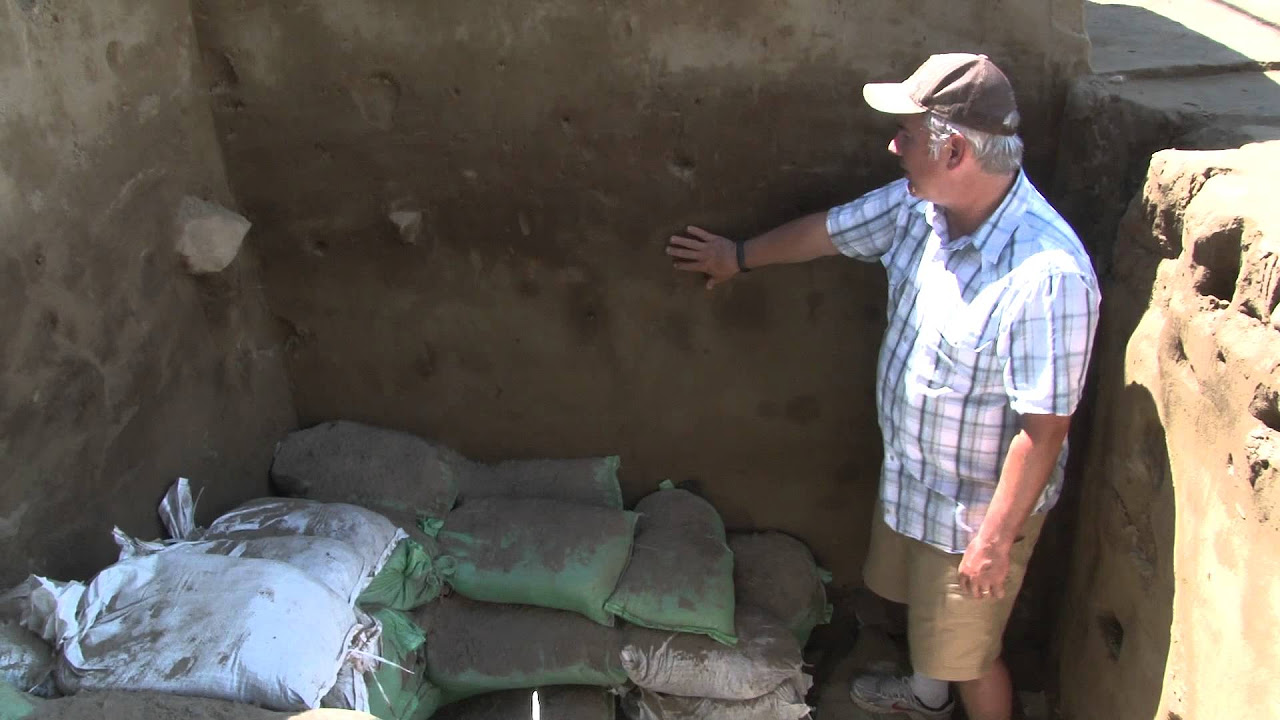
Fieldwork can be valuable, but it is not automatically superior to library or museum research. Excavation projects vary widely in quality, supervision, cost, and educational value. Before paying to participate, ask what training you receive, what your duties are, how the project handles conservation and local collaboration, and whether the experience produces a meaningful academic outcome.
Ethics should be part of your training. Modern Egyptology must address colonial collecting, looting, human remains, repatriation, unequal research partnerships, and the difference between scholarly access and ownership. Programs that treat Egypt as a backdrop for foreign academic careers are increasingly out of step with responsible practice. The International Council of Museums' guidance on ethics offers useful context for museum-related work.
Skills You Gain As An Egyptology Major
An Egyptology degree develops more than factual knowledge about the ancient world. With intentional course selection, you graduate with a useful combination of humanities, analytical, and communication skills.
Research and Evidence
You learn to locate scholarly sources, assess competing interpretations, document evidence, and distinguish a strong claim from an attractive speculation. Those habits transfer to policy research, archives, journalism, education, and nonprofit work.
Language and Close Reading
Ancient-language study teaches patience, pattern recognition, grammar, and precision. You learn that a small sign or contextual difference can change an interpretation. Employers may not need hieroglyphic translation specifically, but they value the concentration and careful reading behind it.
Writing and Presentation
Research papers, museum labels, conference presentations, and seminar discussions develop your ability to explain complex ideas to different audiences. This is particularly useful in education, communications, publishing, and public history.
Technical and Project Skills
You can strengthen the degree by learning GIS, digital cataloging, spreadsheet analysis, database management, photography, archival methods, or public-facing web design. These additions make your profile more legible to employers outside universities.
The degree's weakness is not a lack of intellectual value: it is that employers may not immediately understand what "Egyptology" means operationally. Your résumé should translate the major into evidence-based skills: "analyzed primary sources," "cataloged 150 objects," "created a digital map," or "presented research to a public audience."
Job Opportunities For Egyptology Majors
Job opportunities for Egyptology majors exist across museums, education, research, government, tourism, publishing, and the broader nonprofit sector. But, permanent jobs specifically titled "Egyptologist" are scarce, and many professional roles require graduate training.
Potential directions include:
- Museum collections assistant, registrar, educator, or exhibit researcher
- Archaeological field technician or cultural-resource-management assistant
- Archive, library, or digital-humanities project assistant
- Teacher, curriculum developer, or museum learning coordinator
- Academic researcher, professor, or university administrator
- Public-history writer, editor, translator, or content specialist
- Nonprofit program coordinator or development assistant
- Heritage, tourism, or cultural-property research roles
- Government and consulting positions involving research, documentation, or cultural resources
The path you choose should shape your electives. If you want museum work, take collections management, conservation, public history, and internships. If you want archaeology, prioritize field methods, GIS, physical anthropology, and excavation experience. If you want teaching, complete education requirements and gain classroom experience.
For academic Egyptology, expect a long training runway: a bachelor's degree is commonly followed by a master's and doctorate, language exams, publications, conference presentations, and years of temporary or competitive employment. The U.S. Bureau of Labor Statistics overview of anthropologists and archeologists provides broader occupational information, but it should not be read as a guaranteed outcome for this specialized major.
The practical strategy is to pair passion with a second professional identity. Egyptology plus education, data, archives, communications, or nonprofit management gives you more options than Egyptology alone.
Expected Starting Salary In The US For Egyptology Majors
There is no reliable national salary figure for "Egyptology majors" as a group. The degree does not lead to one standardized occupation, so your expected starting salary in the US for Egyptology majors depends on the job you enter, your location, education, and experience.
A museum assistant, archaeological technician, teacher, university staff member, and communications coordinator can have very different pay scales. Entry-level roles in museums and cultural nonprofits are often modestly paid, particularly in expensive cities. Government, technical consulting, education, and administrative positions may offer stronger benefits or more predictable advancement.
| Career direction | Salary outlook for a new graduate | Main variables |
|---|---|---|
| Museum or nonprofit assistant | Often modest | City, institution size, funding, benefits |
| Archaeological technician | Variable | Field experience, travel, employer, overtime |
| K–12 education | Structured but credential-dependent | State license, district, degree level |
| Archives or library assistant | Often moderate | Institution, certifications, public-sector scale |
| Communications or research assistant | Broad range | Writing, digital tools, sector, location |
| Professor or senior curator | Not an entry-level outcome | Graduate degree, publications, competition |
For current wage comparisons, consult the BLS Occupational Outlook Handbook and search by occupation rather than major. College salary databases can also be useful, but small-sample data for highly specialized majors can be misleading.
Treat graduate school as a financial decision, not an automatic next step. Investigate funding, assistantships, placement rates, debt, and the actual careers of recent graduates. A fully funded doctorate may be reasonable for a committed scholar: substantial debt for an uncertain academic job market deserves much more caution.
Why Major In Egyptology: Benefits And Drawbacks
Benefits
The clearest reason to major in Egyptology is sustained intellectual interest. If ancient societies, languages, objects, and historical interpretation genuinely hold your attention, the coursework can be unusually absorbing. You also gain a distinctive academic specialization rather than a generic survey of the humanities.
Other benefits include:
- Access to specialized faculty and collections
- Strong preparation for research and graduate study
- Practice reading difficult evidence carefully
- Opportunities for international study, fieldwork, and museum work
- A compelling foundation for public education and cultural communication
- Transferable writing, analysis, and presentation skills
Egyptology can also teach humility. Evidence is incomplete, interpretations change, and modern assumptions can distort the past. That intellectual discipline is valuable well beyond the subject.
Drawbacks
The job market is narrow at the specialist level. You may need graduate school, relocation, unpaid or low-paid internships, and considerable patience before reaching a stable role. Fieldwork and study abroad can add significant expenses. Ancient-language courses can also be challenging, particularly if your college offers limited tutoring or only one instructor.
Another drawback is that some programs provide passion without enough professional preparation. If you graduate without internships, technical skills, or a clear secondary specialization, you may struggle to explain your value to employers.
So, why major in Egyptology? Choose it because you are willing to build a broader career toolkit around the subject, not because the major guarantees a job excavating royal tombs. A carefully planned double major or minor can preserve the intellectual experience while improving your financial and professional flexibility.
Egyptology Compared With Related College Majors
Egyptology is not your only route to studying ancient Egypt. Comparing alternatives can help you choose the level of specialization and career flexibility that fits your goals.
| Major | Best for | Advantages | Limitations |
|---|---|---|---|
| Egyptology | Deep focus on Egyptian language and culture | Specialized training and close subject expertise | Narrow professional market |
| Archaeology | Field methods and material evidence | Broader excavation and heritage options | May provide less Egyptian-language depth |
| Ancient history or classics | Comparative study of civilizations and texts | Broader historical foundation | Egypt may be only one area of focus |
| Anthropology | Human societies, culture, and research methods | Strong social-science and fieldwork flexibility | Less emphasis on Egypt-specific texts |
| Art history | Visual culture, objects, and museums | Useful for collections and exhibition work | May not include language or excavation |
| Near Eastern studies | Regional languages and interconnected histories | Broader geographic and language training | Egyptology specialization may be limited |
| Museum studies | Collections, education, and administration | Direct professional preparation | Less time for ancient historical depth |
A student who wants to translate Egyptian texts should favor Egyptology or a closely related language-focused program. Someone interested in excavation across multiple regions may benefit more from archaeology. If museum employment is the priority, museum studies combined with Egyptology courses could be more practical.
You can also combine paths: major in anthropology and minor in Egyptology, or major in Egyptology and add GIS, education, or museum studies. The best choice is the one that gives you both subject expertise and a credible answer to the question, "What can you do with these skills?"
Frequently Asked Questions About Majoring in Egyptology
What subjects are covered in an Egyptology college major?
An Egyptology major includes history, archaeology, ancient Egyptian languages, religion, art, architecture, and anthropology focusing on ancient Egypt and nearby regions.
How difficult is an Egyptology degree and what skills will I develop?
Egyptology is academically challenging, especially in language and research. You gain skills in language translation, critical analysis, research methods, writing, presentation, and often technical tools like GIS or digital imaging.
Can I get a job directly after earning a bachelor's degree in Egyptology?
A bachelor's alone rarely qualifies you for specialized roles like archaeological director or museum curator. Graduate study and practical experience are usually needed, but the degree builds strong research and communication skills for various related fields.
What career options are available for Egyptology majors?
Career paths include museum work, archaeology technician roles, education, archives, public history, nonprofit program coordination, tourism, research, and government positions involving cultural resources.
How should I choose an Egyptology program?
Look for programs with strong language courses, active faculty research, fieldwork or museum partnerships, graduate school preparation, internship opportunities, academic flexibility, and affordable overall costs.
What are the benefits and challenges of majoring in Egyptology?
Benefits include deep intellectual engagement, specialized skills, and unique research opportunities. Challenges are limited direct job markets, the need for advanced degrees, potential costs of fieldwork, and the importance of supplementing with practical skills or a second specialization.