Choosing a college major is easier when you can picture the work waiting on the other side of graduation. A construction management degree is designed for students who want to help turn plans, budgets, schedules, and teams into completed buildings and infrastructure. You won't spend all your time behind a desk, but you also won't be expected to do every task with a hammer. Instead, you'll learn how to coordinate the people, materials, technology, contracts, and safety procedures that keep construction projects moving.
This review examines the construction management college major from a prospective student's perspective. You'll see what you study, how challenging the coursework can be, which careers are available, what salaries may look like, and how the degree compares with civil engineering, architecture, and skilled-trade programs. Salary figures and employment information are based primarily on data from the U.S. Bureau of Labor Statistics, while individual outcomes vary by location, internship experience, employer, and specialization.
If you like practical problem-solving, leadership, and visible results, and you can handle deadlines, changing conditions, and responsibility, this major may be a strong investment in 2026.
Construction Management Major At A Glance
A construction management major prepares you to plan, coordinate, and supervise construction projects. Depending on the school, you may earn a Bachelor of Science in Construction Management, Construction Science, Building Construction, or a closely related field. Most bachelor's programs take about four years of full-time study.
You'll study enough technical material to understand drawings, building systems, materials, and construction methods. You'll also develop business skills involving estimating, scheduling, contracts, budgeting, communication, and team leadership. The result is a degree positioned between engineering, business, architecture, and hands-on construction.
| Category | What you should expect |
|---|---|
| Typical degree | Bachelor's degree, usually 120–130 credits |
| Main focus | Project coordination, cost, schedule, quality, and safety |
| Learning style | Lectures, software labs, projects, site visits, and internships |
| Common employers | General contractors, specialty contractors, developers, and government agencies |
| Typical entry roles | Assistant project manager, project engineer, estimator, scheduler, or field coordinator |
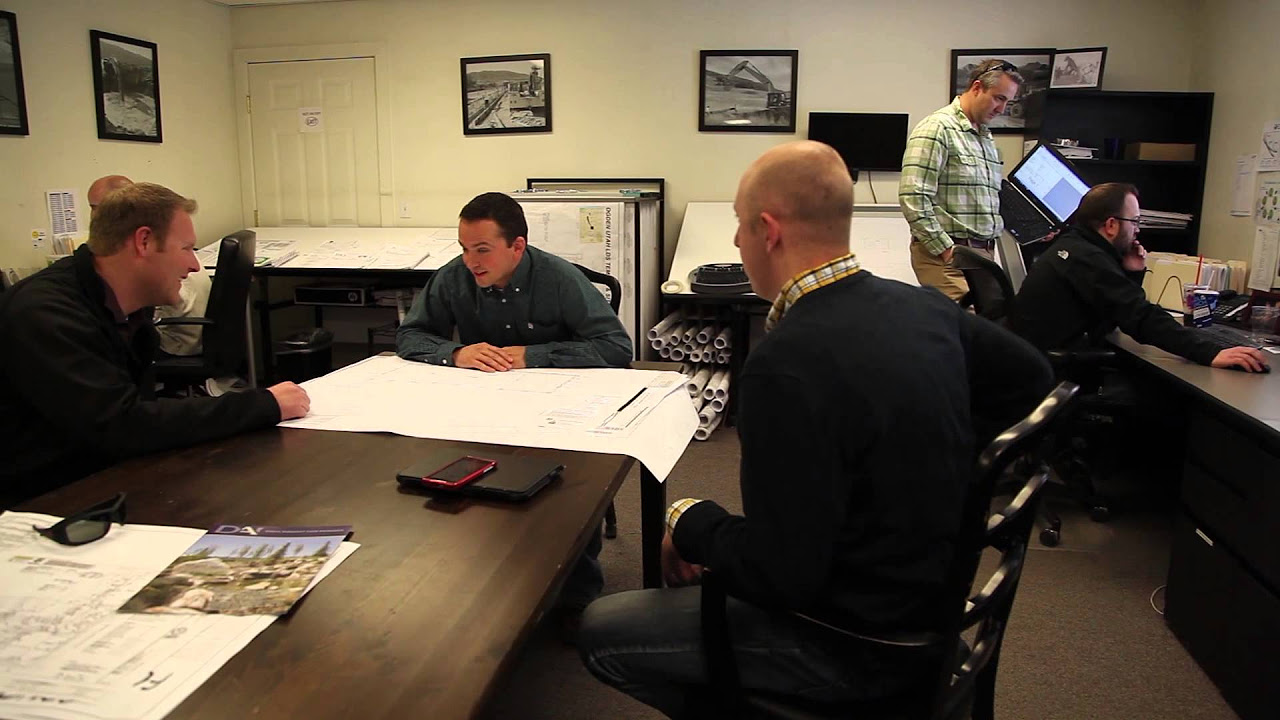
| Work setting | Offices, active jobsites, meetings, and occasional travel |
The major is not a guarantee of becoming a construction manager immediately after graduation. Many graduates first work as project engineers, field engineers, estimators, or assistant superintendents, then take on larger responsibilities as they gain experience. In this industry, your degree opens the door: your judgment, reliability, and project record help you move through it.
What Students Study In A Construction Management Degree
Your curriculum will combine general education with technical and management courses. The exact balance varies considerably. Some programs are more engineering-oriented, while others emphasize business, residential construction, commercial building, or sustainable development.
Core subjects you may encounter
Most construction management students take classes such as:
- Construction methods and materials
- Construction documents and blueprint reading
- Building codes and standards
- Quantity takeoff and cost estimating
- Construction scheduling and project controls
- Construction safety and risk management
- Surveying and site planning
- Structural systems and building systems
- Soil mechanics and concrete fundamentals
- Construction contracts and law
- Accounting, finance, and business communication
- Building information modeling (BIM) and construction technology
You may use tools such as Autodesk construction software, Primavera P6, Microsoft Project, Procore, Bluebeam, or estimating platforms. Learning the software matters, but understanding why a schedule slips or why a change order affects profitability matters more.
Advanced electives can include sustainable construction, facilities management, real estate development, heavy civil construction, healthcare construction, lean construction, or disaster-resistant design. Some colleges require a senior capstone in which you create a bid, schedule, safety plan, and project proposal for a realistic construction scenario.
The degree usually does not train you to become a licensed architect or civil engineer. It teaches you to interpret their work and coordinate its execution. That distinction is important: you're managing how a project gets built rather than primarily designing the building or calculating its structural systems.
How This College Major Is Evaluated
You should evaluate a construction management program by looking beyond its course title. Two colleges can offer similarly named degrees but provide very different preparation for employment.
Accreditation and curriculum quality
Check whether the program is accredited by the American Council for Construction Education. Accreditation is not the only measure of quality, but it indicates that the program has been reviewed against industry and academic standards. Then examine the course catalog. Does it include estimating, scheduling, contracts, safety, project controls, and technology, or is it mostly general business coursework?
Employer connections
Ask how many students complete internships, which companies recruit on campus, and whether the school hosts career fairs specifically for construction. A strong program should provide practical access to contractors, developers, public agencies, and professional organizations such as the Associated General Contractors of America or the Construction Management Association of America.
Practical experience
Look for labs, jobsite visits, capstone projects, cooperative education, and faculty with industry experience. Construction is a relationship-driven field, so applied experience can be as valuable as another exam-heavy class.
Student outcomes
Request information about graduation rates, internship placement, employment within six months, typical employers, and starting salaries. Be cautious when a school advertises a high "average salary" without explaining whether it includes experienced students, graduate degrees, overtime, or a particularly expensive region.
Finally, compare total cost, not just tuition, with likely local earnings. An affordable in-state program with strong employer connections may deliver better value than a prestigious but expensive option.
Why Major In Construction Management?
The strongest reason to major in construction management is that it combines tangible work with broad career flexibility. You can point to a hospital, bridge, apartment building, or school and know that professionals coordinated its construction. If you prefer seeing a project develop in stages, that can be more satisfying than producing work that remains entirely digital or abstract.
Why Major in Construction Management may make sense for you
- You want a practical business-and-technical degree. You'll learn how money, schedules, materials, labor, and design interact.
- You like leadership. Project managers coordinate owners, architects, engineers, subcontractors, suppliers, inspectors, and employees.
- You want several industries to choose from. Residential, commercial, industrial, infrastructure, energy, and government construction all need capable managers.
- You prefer career entry without professional school. A bachelor's degree can qualify you for entry-level project and field positions without requiring the lengthy path associated with some professional licenses.
- You want geographic mobility. Construction exists in every state, although local building activity and compensation differ.
The work also has a meaningful human element. A successful manager prevents confusion before it becomes expensive, resolves disagreements before they become delays, and helps people leave the jobsite safely.
Still, don't choose the major solely because you've heard construction managers earn good money. The career can involve early mornings, deadline pressure, travel, weather exposure, and difficult conversations. You should be comfortable making decisions with incomplete information and accepting accountability when plans change.
Construction Management Coursework And College Experience
Your college experience will probably feel more applied than the experience of a student in a purely theoretical major. You may spend one day learning about concrete strength and the next building a project schedule or presenting a bid to classmates.
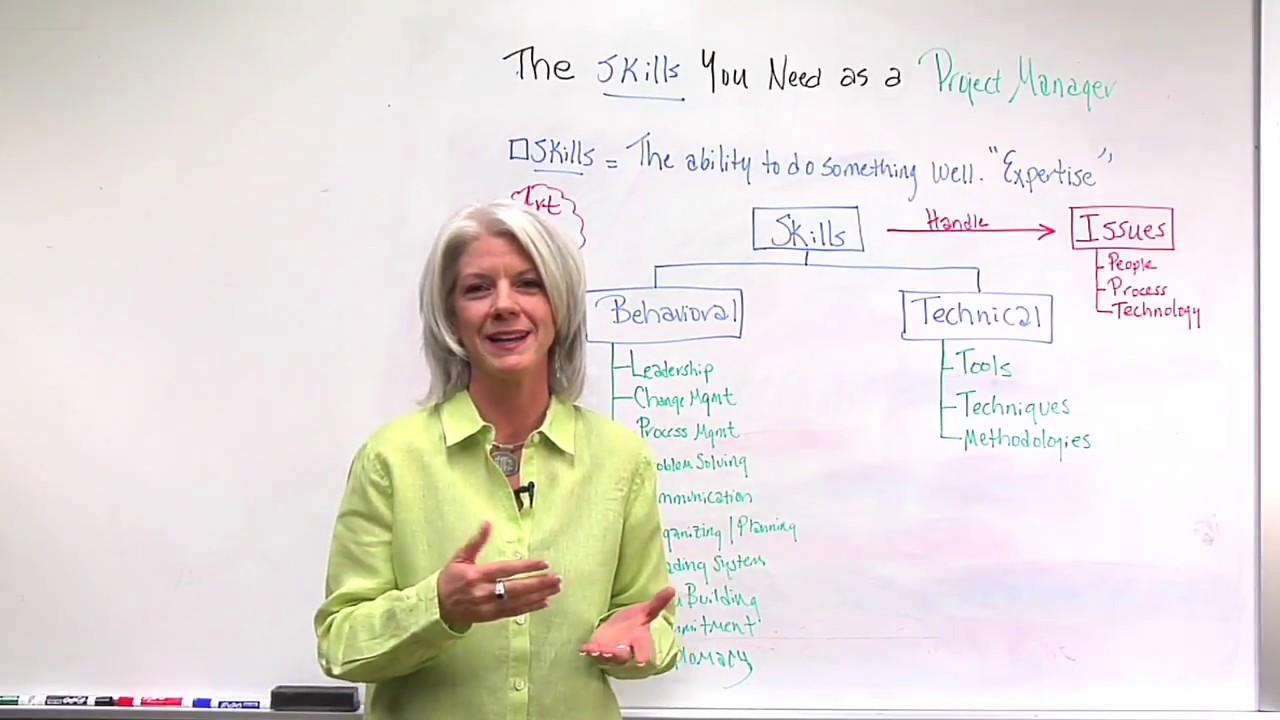
Classes often involve team assignments, because construction itself is collaborative. You might be responsible for estimating labor and materials while another student prepares the schedule and someone else develops the safety plan. These projects teach coordination, but they also reveal an uncomfortable truth: group communication is part of the job, not a temporary obstacle.
Expect quantitative work, although you generally won't face the same depth of advanced mathematics required in an engineering program. You may use algebra, geometry, statistics, and financial calculations for quantities, productivity, cost forecasting, and scheduling. Strong attention to detail is more important than being a calculus enthusiast.
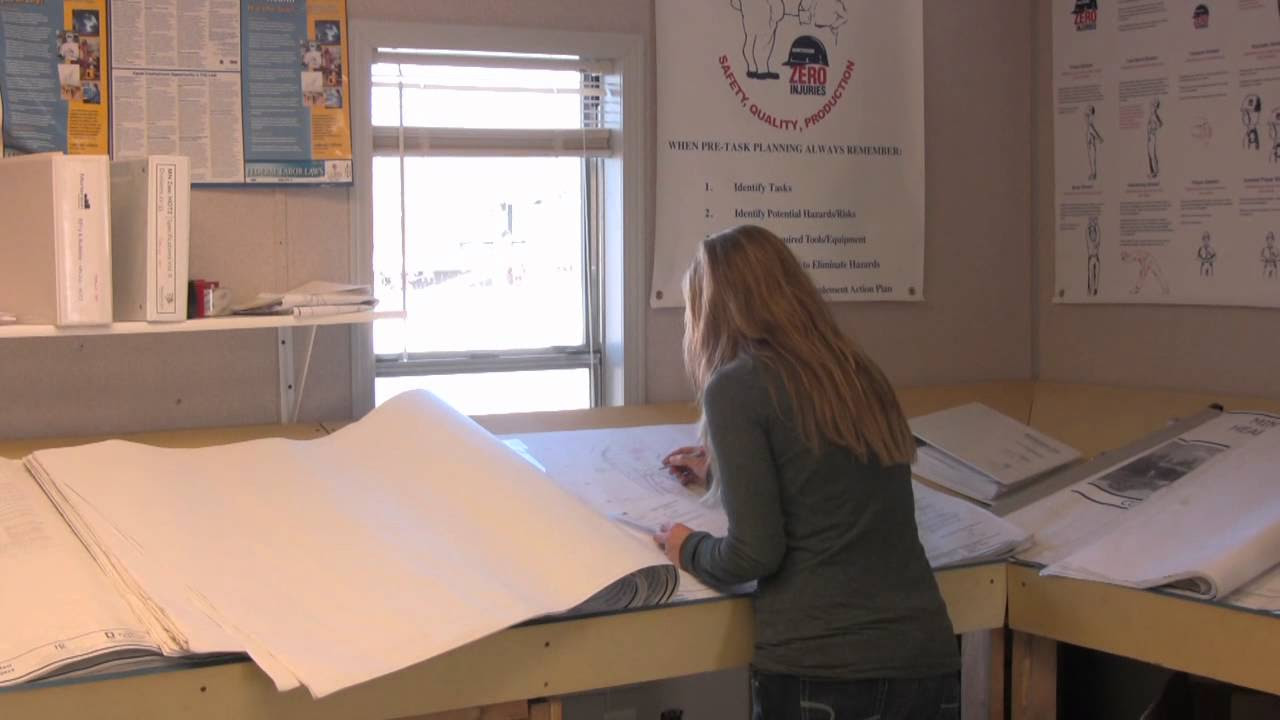
Internships are especially valuable. During summer or part-time work, you may shadow a superintendent, update logs, review drawings, track deliveries, or assist with submittals and change orders. These tasks can seem routine, but they show employers that you understand jobsite pace and professional responsibility.
You should also build skills outside class:
- Read technical documents carefully.
- Practice concise email and meeting communication.
- Learn spreadsheet modeling and presentation tools.
- Become comfortable asking questions early.
- Keep a record of projects, software, certifications, and measurable results.
Consider certifications such as OSHA-30, depending on employer expectations and your school's offerings. They won't replace experience, but they can strengthen your internship applications.
Job Opportunities For Construction Management Majors
Job opportunities for construction management majors extend well beyond the job title "construction manager." You may begin in a support role and move toward project leadership as you demonstrate technical competence and business judgment.
Common career paths
- Project engineer: Supports project documentation, submittals, schedules, procurement, and communication.
- Estimator: Reviews drawings and specifications to calculate labor, material, equipment, and subcontractor costs.
- Assistant superintendent: Helps coordinate daily field operations, site logistics, quality, and safety.
- Scheduler or project controls analyst: Tracks milestones, costs, productivity, and schedule performance.
- Safety coordinator: Helps carry out training, inspections, and regulatory compliance.
- BIM or VDC coordinator: Uses digital models and technology to identify conflicts and improve planning.
- Facilities or owner's representative: Helps a building owner manage construction, renovation, and maintenance projects.
- Construction manager: Leads projects from preconstruction through completion, often managing contracts, budgets, teams, and client expectations.
The BLS projects employment of, with thousands of openings expected annually from growth and replacement needs. Construction demand is influenced by interest rates, public infrastructure spending, housing supply, manufacturing investment, and regional development, so no forecast eliminates cyclical risk.
Your first job may involve more paperwork than you imagined. That's not necessarily a drawback. Learning documentation, procurement, cost tracking, and contract administration gives you the foundation to manage larger projects later. Over time, you can specialize in sectors such as data centers, renewable energy, transportation, healthcare, or high-rise construction.
Expected Starting Salary In The US For Construction Management Majors
The Expected starting Salary in the US for Construction Management Majors varies by region, role, industry, internship history, and degree level. There is no single national starting-salary figure that accurately describes every graduate. A reasonable planning range for many new bachelor's graduates is roughly $55,000 to $75,000 per year, while high-cost markets, major infrastructure projects, specialized contractors, and strong internship experience may push offers higher. Smaller markets or entry-level support roles may fall below that range.
The BLS reports compensation for the broader occupation of construction managers rather than for brand-new graduates. Its wage data hence represents workers at many experience levels. Use it as a long-term career reference, not as a promise for your first offer.
| Position after graduation | Approximate early-career base-salary range* |
|---|---|
| Project engineer | $55,000–$72,000 |
| Entry-level estimator | $55,000–$75,000 |
| Assistant superintendent | $58,000–$78,000 |
| Project coordinator | $50,000–$68,000 |
| Construction management trainee | $52,000–$70,000 |
*These are broad planning estimates, not guaranteed offers: bonuses, overtime, per diem, travel pay, and benefits may change total compensation substantially.
When comparing offers, ask about overtime classification, relocation support, vehicle allowances, retirement contributions, health insurance, and promotion timelines. A slightly lower starting salary with structured mentoring and major project exposure could produce better long-term value than a higher offer with little training.
To improve your position, complete internships, learn widely used software, develop estimating and scheduling skills, and apply early. Employers often recruit before your final semester ends.
Advantages And Disadvantages Of The Major
Construction management can be an excellent major, but its fit depends on your preferred work style and tolerance for pressure.
Advantages
- Strong practical relevance: Your coursework connects directly to workplace tasks.
- Multiple industries: You can move among building, civil, industrial, residential, and specialty construction.
- Leadership potential: Experience can lead to project manager, operations, or executive roles.
- Visible results: You contribute to buildings and infrastructure people use every day.
- No single desk-bound routine: The role usually blends office work, meetings, and site activity.
- Accessible specialization: You can develop expertise in estimating, safety, scheduling, BIM, sustainability, or a particular project type.
Disadvantages
- Stress and accountability: Delays, budget problems, design changes, and disputes can land on your team's agenda.
- Irregular schedules: Early starts, long days, weekend work, or travel may occur during critical phases.
- Economic cycles: Hiring can slow when financing and construction activity weaken.
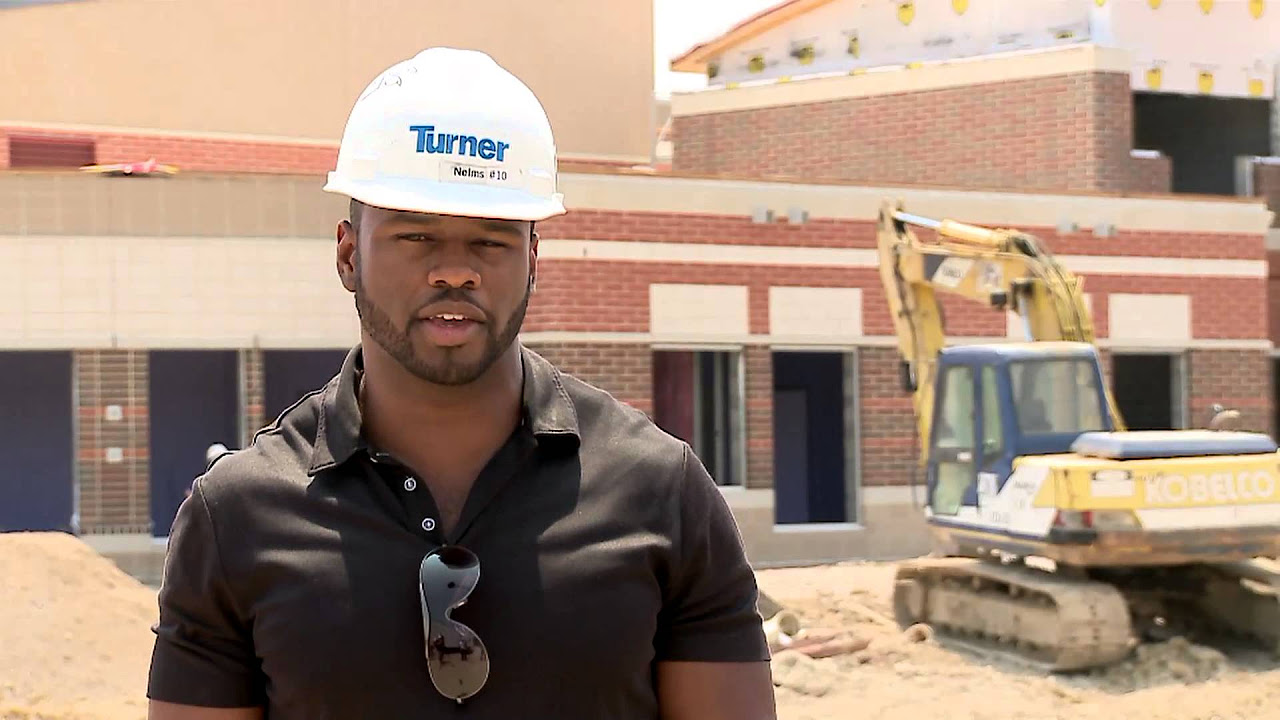
- Worksite conditions: Heat, noise, dust, mud, and safety hazards are part of many projects.
- Communication demands: You must work with people who have different priorities, personalities, and levels of technical knowledge.
- Regional salary differences: A national average may not reflect what your local market pays.
The major is probably a poor fit if you strongly dislike conflict, changing plans, outdoor environments, or responsibility for other people's deadlines. It may be a good fit if you enjoy organizing complexity and can remain calm when the original plan stops working, which it eventually will.
Construction Management Compared With Related Majors
Comparing adjacent programs can clarify what you actually want to do. The best choice is not necessarily the major with the highest advertised salary: it is the one whose daily work matches your strengths.
| Major | Primary emphasis | Typical path | Best fit if you want to… |
|---|---|---|---|
| Construction management | Building execution, cost, schedule, contracts, and teams | Project engineer, estimator, superintendent, manager | Coordinate how projects get built |
| Civil engineering | Infrastructure design, analysis, and technical calculations | Design engineer, project engineer, licensed engineer | Design and analyze structures, roads, and systems |
| Architecture | Building design, space, aesthetics, and documentation | Designer, architect after required licensure | Shape what a building looks like and how it functions |
| Business management | Finance, operations, marketing, and organizational leadership | General business or operations roles | Keep your options broad across industries |
| Skilled-trade program | Hands-on installation and craft expertise | Electrician, carpenter, plumber, operator | Build, install, or repair physical systems directly |
Civil engineering may provide a stronger route toward engineering licensure and technical design. Architecture centers on design and typically requires a professional degree plus supervised experience and exams. A trade program can get you into paid hands-on work faster and may eventually lead to foreman or contractor ownership. Business offers flexibility but less construction-specific preparation.
Construction management sits in the middle: technical enough to understand the work, managerial enough to lead it. If you want to calculate structural loads, choose civil engineering. If you want to install systems yourself, investigate a trade. If you want to coordinate scope, people, cost, and schedule, construction management is the more direct option.
Construction Management College Major - Frequently Asked Questions
What does a construction management college major typically prepare you to do?
A construction management major prepares you to plan, coordinate, and supervise construction projects by managing people, materials, technology, contracts, and safety to complete buildings and infrastructure efficiently.
What kind of courses are included in a construction management degree program?
The curriculum includes construction methods, blueprint reading, building codes, cost estimating, scheduling, safety, contracts, finance, business communication, and construction technology like BIM software.
What are common entry-level jobs for construction management graduates?
Graduates often start as assistant project managers, project engineers, estimators, schedulers, or field coordinators before advancing to lead construction management roles.
How does construction management differ from civil engineering or architecture majors?
Construction management focuses on executing projects—coordinating cost, schedule, quality, and teams—while civil engineering emphasizes design and analysis, and architecture focuses on building design and aesthetics.
What is the expected starting salary range for construction management majors in the US?
New graduates can expect a starting salary roughly between $55,000 and $75,000 annually, depending on region, role, internship experience, and industry specialization.
What are some advantages and challenges of a career in construction management?
Advantages include practical relevance, leadership opportunities, career flexibility, and visible impact. Challenges include stress from deadlines, irregular schedules, exposure to jobsite conditions, and demanding communication.