Work Environment
Music directors and composers held about 48,100 jobs in 2020. The largest employers of music directors and composers were as follows:
- Religious, grantmaking, civic, professional, and similar organizations - 70%
- Self-employed workers - 20%
- Performing arts companies - 4%
- Elementary and secondary schools; state, local, and private - 3%
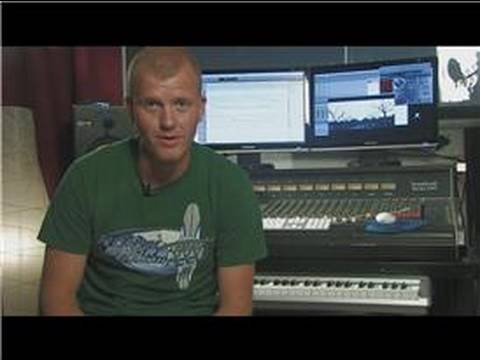
Music directors commonly work in concert halls and recording studios, and they may spend a lot of time traveling to different performances. Composers can work in offices, recording studios, or their own homes.
Jobs for music directors and composers are found all over the country. However, many jobs are located in cities in which entertainment activities are concentrated, such as New York, Los Angeles, Nashville, and Chicago.
Work Schedules
Rehearsals and recording sessions are commonly held during business hours, but performances take place most often on nights and weekends. Because music writing is done primarily independently, composers may be able to set their own schedules.
Job Outlook
Employment of music directors and composers is projected to grow 6 percent from 2020 to 2030, about as fast as the average for all occupations.
About 6,000 openings for music directors and composers are projected each year, on average, over the decade. Many of those openings are expected to result from the need to replace workers who transfer to different occupations or exit the labor force, such as to retire.
Employment
Music directors will be needed to lead orchestras for concerts and musical theater performances. They also will conduct the music that accompanies ballet troupes and opera companies.
In addition, there will likely be a need for composers to write original music and arrange known works for performances. Composers will be needed as well to write film scores and music for television and commercials.
However, orchestras, opera companies, and other musical groups can have difficulty getting funds. Some music groups are nonprofit organizations that rely on donations and corporate sponsorships, in addition to ticket sales, to fund their work. These organizations often have difficulty finding enough money to cover their expenses. In addition, growth may be limited for music directors in schools due to struggles with school funding, and music programs may be cut.
Earnings
The median annual wage for music directors and composers was $49,130 in May 2021. The median wage is the wage at which half the workers in an occupation earned more than that amount and half earned less. The lowest 10 percent earned less than $24,440, and the highest 10 percent earned more than $123,800.
In May 2021, the median annual wages for music directors and composers in the top industries in which they worked were as follows:
- Elementary and secondary schools; state, local, and private - $61,950
- Performing arts companies - $50,150
- Religious, grantmaking, civic, professional, and similar organizations - $48,420
Rehearsals and recording sessions are commonly held during business hours, but performances take place most often on nights and weekends. Because music writing is done primarily independently, composers may be able to set their own schedules.