Work Environment
Geographers held about 1,600 jobs in 2020. The largest employers of geographers were as follows:
- Federal government, excluding postal service - 62%
- Educational services; state, local, and private - 15%
- State government, excluding education and hospitals - 8%
- Professional, scientific, and technical services - 7%
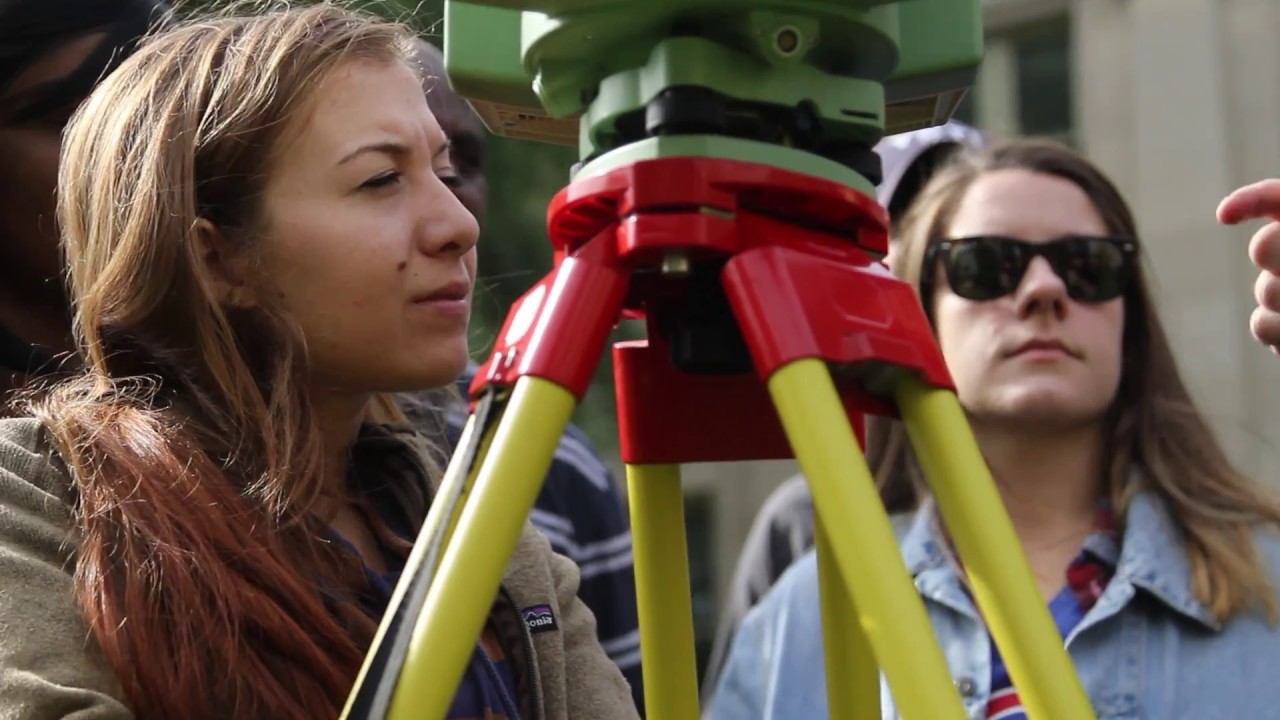
Many geographers do fieldwork to gather information and data. For example, geographers often make site visits to observe geographic features, such as the landscape and environment. Some geographers travel to the region they are studying, and sometimes that means working in foreign countries and remote locations.
Work Schedules
Most geographers work full time during regular business hours.
Job Outlook
Employment of geographers is projected to show little or no change from 2020 to 2030.
Despite limited employment growth, about 100 openings for geographers are projected each year, on average, over the decade. Most of those openings are expected to result from the need to replace workers who transfer to different occupations or exit the labor force, such as to retire.
Employment
Budget constraints are expected to reduce employment for geographers in federal government. However, governments and businesses will still need geographers to research topics such as natural hazards and the use of resources. For example, geographers’ analyses on population distribution and land use are important for infrastructure planning and development by both governments and businesses.
Earnings
The median annual wage for geographers was $85,220 in May 2021. The median wage is the wage at which half the workers in an occupation earned more than that amount and half earned less. The lowest 10 percent earned less than $53,410, and the highest 10 percent earned more than $118,380.
In May 2021, the median annual wages for geographers in the top industries in which they worked were as follows:
- Federal government, excluding postal service - $93,640
- Educational services; state, local, and private - $64,760
- Professional, scientific, and technical services - $64,430
- State government, excluding education and hospitals - $64,250
Most geographers work full time during regular business hours.