

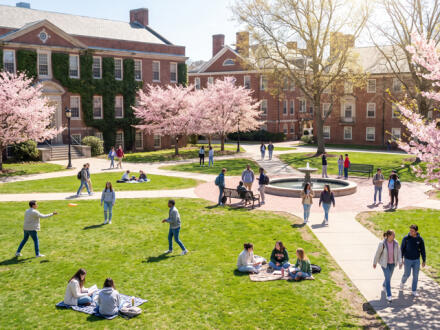
College costs hit hard in rural counties. Tuition, housing, books, gas, and meal plans can turn one acceptance letter into a real money problem for students in Elko County.
The good news is that Elko County, Nevada scholarships come from more than one place. Students can find money through local schools, Nevada colleges, employer-backed programs, women's organizations, tribal support programs, agricultural groups, and need-based aid. A careful search often uncovers awards that attract fewer applicants than big national scholarships.
That matters because the numbers add up fast. The College Board reports that average tuition and fees at public four-year schools are in the five-figure range per year, before many students even count housing or transportation. For a student driving from Spring Creek to campus, fuel and vehicle costs can quietly add hundreds more each month.
This guide breaks the search into 10 practical funding paths. It covers options for high school seniors, undergraduates, graduate students, STEM majors, women, first-generation students, and families who need strong grant support. It also ends with two simple strategy sections that can help students find more local awards and avoid common mistakes.
For students who want a shorter path to matches, free scholarship tools such as StudentScholarships.org can help them sort options faster and spend less time hunting through scattered listings.
1. Elko County Scholarships For High School Students Through Local Schools And Community Foundations
Elko County Scholarships for High School Students often start closest to home. Guidance offices at Elko High School, Spring Creek High School, Wells High School, Carlin Combined School, and Owyhee Combined School usually post local award lists with deadlines that fall between late winter and spring.
These awards matter because local pools are smaller. A scholarship open to 62 seniors in one county is very different from a national award with 18,000 applicants.
Students should ask counselors about these common local paths:
- School-specific senior awards funded by alumni or memorial donors
- Community foundation scholarships tied to county residents
- Rotary, Lions, and chamber awards for service and leadership
- Credit union and bank scholarships for local members
- Hospital auxiliary awards for future healthcare students
A strong example is a student who logs 147 volunteer hours, keeps a 3.6 GPA, and writes a short essay about staying in northeastern Nevada to work in nursing. That profile often stands out more in a local pool than in a huge national contest.
Local search habits also help. Students using organized scholarship platforms can compare county-style listings from other regions, such as community foundation awards, to spot patterns in essay prompts, transcript requests, and recommendation rules.
The main point is simple: students should not wait for one big scholarship. Five local awards worth $500 to $2,000 each can cover books, fees, and a chunk of housing.
2. Elko County Scholarships For Undergraduate Students At Nevada Colleges And Universities
Elko County Scholarships for Undergraduate Students often combine local awards with campus aid. That stack can make a big difference for students attending Great Basin College, the University of Nevada, Reno, or the University of Nevada, Las Vegas.
Nevada students should pay close attention to state and institutional programs. At two-year schools, the Nevada Promise option can help cover eligible gaps after other aid. On four-year campuses, students may combine merit aid, need-based grants, and department scholarships.
UNR's financial aid office lists scholarships, grants, loans, and work-study for current and prospective students through its financial aid resources. That matters for Elko County students who plan to transfer from Great Basin College after earning lower-cost credits locally.
A practical cost scenario looks like this:
- $1,500 local scholarship from a county donor
- $2,000 departmental award from a college of education or agriculture
- Pell Grant support based on FAFSA results
- Work-study earnings of roughly 10 to 12 hours a week
That mix can cut a bill by several thousand dollars.
Undergraduates should also search by major and class level. First-year students, transfer students, and returning adults often qualify for different pools. A sophomore from Elko majoring in business may miss money meant for rural transfer students if she only searches "Nevada scholarships" and nothing more specific.
3. Elko County Scholarships For Graduate Students Pursuing Advanced Degrees And Professional Programs
Elko County Scholarships for Graduate Students are harder to spot, but they exist. The key is to look beyond generic scholarship databases and search through departments, professional associations, hospitals, and employer partnerships.
Graduate students usually face sharper cost spikes. A teaching credential, MBA, nursing program, or counseling degree may add $8,000 to $25,000 in tuition and fees depending on program type and residency status. Then come licensure exams, books, software, and travel.
Good funding paths include:
- Graduate assistantships with tuition support or stipends
- Department fellowships in education, business, public health, or engineering
- Professional association awards for counseling, law, nursing, or teaching
- Employer tuition reimbursement for current workers moving into management or licensed roles
An Elko County teacher pursuing a master's degree, for example, may combine district reimbursement with a university scholarship and a small rural education grant. That could reduce a $12,000 program bill to less than half.
Women entering graduate study may also find targeted support through the Nevada Women's Fund listing, especially when their career plans connect to public service, education, or community impact.
Graduate applicants should treat funding like a project. They need a spreadsheet with deadlines, essay topics, award values, and document requests. A missed deadline by even 24 hours can wipe out one of the few scholarship pools available at the graduate level.
4. Elko County Scholarships For STEM Students Interested In Engineering, Mining, Healthcare, And Technology
Elko County Scholarships for STEM Students line up well with the county's economy. Mining, healthcare, engineering support, industrial maintenance, data systems, and technical trades all create reasons for donors and employers to fund STEM education.
This section is especially important because STEM programs often cost more. Engineering students may pay extra course fees. Nursing students may buy scrubs, testing packages, and clinical gear. Technology majors may need laptops that run specialized software, which can easily cost $1,200 or more.
Strong scholarship sources include:
- College departments in engineering, biology, computer science, and nursing
- Mining-related foundations supporting geology, metallurgy, and environmental fields
- Rural healthcare groups backing nursing and allied health students
- Employer-linked awards for students willing to work in Nevada after graduation
A concrete example: a mechanical engineering student from Elko might stack a $2,500 STEM award, a $1,000 local memorial scholarship, and a paid summer internship at a mine site. That setup not only lowers tuition pressure but also adds work experience before junior year.
Students interested in geology, minerals, or earth science can even learn from specialty awards in other regions, such as this mineral and gem scholarship example. It shows how niche interests can open small but useful scholarship channels.
For STEM applicants, the best essays are specific. A vague line about "loving science" is weak. A sharp essay about using GIS data, maintaining haul-truck systems, or serving rural patients in a 25-bed hospital is much stronger.
5. Elko County Scholarships For Women Building Careers In Business, Education, Healthcare, And STEM
Elko County Scholarships for Women can support both traditional and underrepresented career paths. That includes women training for teaching and nursing, but also women moving into accounting, welding management, engineering, and operations roles.
These scholarships often reward a mix of academic effort, community service, and career purpose. A student with a 3.4 GPA, 80 volunteer hours, and a clear plan to become a rural speech therapist may be more competitive than someone with higher grades but no direction.
Useful scholarship angles include:
- Women's foundations in Nevada
- Career-field awards for business, healthcare, and education
- Leadership scholarships tied to student government or service clubs
- Agriculture and ranching awards for women in rural communities
One student might combine the Achieving Your Dreams award with a women-focused Nevada scholarship and a campus departmental grant. Three smaller awards of $1,000 each can cover textbooks, fees, and part of rent.
Students interested in agriculture should not assume women-focused funding only exists in urban programs. Rural groups often back women entering animal science, agribusiness, and range management. Listings like cattlewomen agriculture scholarships show how that support is structured.
The best applications sound real. They mention concrete plans such as teaching fourth grade in Elko, managing payroll for a local contractor, or earning an RN license and working night shifts in northeastern Nevada.
6. Mining, Energy, And Agriculture Scholarships Connected To Elko County Employers
Elko County's job base shapes its scholarship options. Mining, energy, and agriculture scholarships often come from employers, trade groups, contractors, and donor families who want skilled workers to stay in the region.
That local connection matters. Nevada's mining sector has supported thousands of jobs statewide, and counties like Elko feel that impact directly through operations, maintenance, transportation, labs, and safety teams. Employers have a real reason to invest in students who may return after graduation.
Students should look for awards tied to:
- Mining companies and suppliers
- Electrical, diesel, and heavy equipment contractors
- Agriculture and livestock associations
- Natural resource and land management groups
Agriculture students can study how statewide donor programs are framed through the Nevada Agricultural Foundation scholarships. Students with 4-H, FFA, ranching, or livestock judging experience often have useful stories for these applications.
A good example is a student from a ranch family who has logged 6 years in 4-H, shown market animals, and plans to study agribusiness. That student may fit employer or association scholarships better than a general academic competition.
Mining-related awards also favor concrete interest. An applicant who can describe core sampling, preventive maintenance schedules, MSHA safety awareness, or water monitoring sounds ready for the field. Specifics show commitment, and commitment often wins local money.
7. Need-Based Scholarships And Grant Programs For Elko County Families Managing College Costs
For many households, need-based aid is the piece that makes college possible. Need-based scholarships and grants focus on family income, FAFSA results, unexpected hardship, or the extra cost burden that rural students face.
This matters because total college cost is never just tuition. A student from Jackpot or Wells may need housing near campus, weekly fuel, winter tires, meal costs, and lab fees. Those extras can push annual expenses up by several thousand dollars.
Families should prioritize these steps first:
- File the FAFSA early
- Ask colleges about emergency grants
- Search local civic awards with income criteria
- Appeal aid offers if family finances changed after filing
A practical scenario: a family earns $52,000 and supports 3 children, including one college student. After FAFSA review, the student receives a Pell Grant, a small county scholarship, and campus-based need aid. That package may cover tuition, while a part-time job covers books and gas.
Students comparing school costs should also review aid offices directly. UNLV outlines grants, scholarships, loans, and work-study through its financial aid page, which helps applicants estimate how need-based aid fits with other funding.
Need-based applicants should not self-reject. Even if a family owns a truck, land, or a small business, the aid formula may still show real need once household size, income swings, and college costs are entered.
8. Merit Scholarships For Academic Achievement, Leadership, Athletics, And Community Service
Merit awards reward performance, but not just GPA. Merit scholarships often weigh grades, class rank, test scores when used, captain roles, volunteer work, club leadership, and persistence in tough circumstances.
That gives Elko County students more than one way to compete. A wrestler with a 3.3 GPA, 2 varsity letters, and 120 service hours may be just as attractive to a local donor as a straight-A student.
Strong merit categories include:
- Academic excellence with GPA or class rank cutoffs
- Leadership awards for FFA, student council, or clubs
- Athletic scholarships at colleges and some local booster groups
- Service awards for church, hospital, food pantry, or community work
Students should quantify everything. "Helped at events" is weak. "Organized 4 blood drives, recruited 38 donors, and raised $1,240 for travel costs" is memorable.
Examples from scholarship platforms, including listings such as county scholarship programs, show that donors often value a clear record of impact more than polished wording alone.
The smart move is to build one master resume. Students should list GPA, activities, awards, paid jobs, volunteer hours, and leadership roles in one document. That single page can cut scholarship application time by 30 to 45 minutes per form.
9. Tribal, Rural, And First-Generation Student Scholarships Available To Elko County Applicants
Elko County includes students whose path to college is shaped by distance, family history, and cultural identity. Tribal, rural, and first-generation scholarships recognize those realities and often ask students to explain them clearly.
For a first-generation student, college forms can feel like a second language. A rural student may live 40 to 90 miles from the nearest major campus. A tribal student may be balancing school goals with community responsibilities and a wish to give back after graduation.
These scholarships may come from:
- Tribal education offices and Native organizations
- Rural student support programs at colleges
- First-generation success initiatives
- Community service awards for students returning to underserved areas
Students involved in youth agriculture, extension programs, or leadership groups can also study the structure of awards like 4-H scholarship examples. The location differs, but the application logic often matches what rural donors want: commitment, growth, and service.
A strong personal statement might describe waking up at 5:30 a.m. to catch a long bus ride, helping younger siblings after school, and still finishing dual-credit assignments at night. Those details matter. They show discipline better than any broad claim about "working hard."
For these students, the right scholarship is not just money. It is proof that their background counts as strength, not as a disadvantage.
10. Scholarship Search Strategies That Help Elko County Students Find More Local Awards
Build A Strong Local Scholarship List
The best scholarship search is boring in the best way. It runs on lists, deadlines, and follow-up.
Students should build one spreadsheet with award name, amount, deadline, requirements, essay topic, recommendation count, and submission method. A list of 25 local and Nevada-based awards is usually more useful than saving 200 random national links that never get finished.
Good places to pull entries from include:
- High school counseling offices
- College financial aid pages
- Local employers and unions
- Civic clubs and churches
- Scholarship databases such as StudentScholarships.org
Students can also study niche listings like the Nevada BBC&S scholarship to spot patterns in eligibility language. That helps them search better terms, such as "Nevada resident," "female senior," "agriculture major," or "community service."
A strong local list usually includes at least:
- 8 to 10 county or school awards
- 6 to 8 Nevada statewide scholarships
- 4 to 6 major-based awards
- 3 to 5 need-based or identity-based options
That mix gives students several ways to win.
Avoid Common Application Mistakes
Most scholarship losses are not dramatic. They come from small mistakes.
The common ones are easy to name:
- Missing the deadline by 1 day
- Uploading the wrong transcript
- Leaving essays generic
- Forgetting to sign forms
- Using a recommender who barely knows the student
A better method is to finish every application 7 days early. Then students can review names, dates, file labels, and essay details with a parent, counselor, or teacher.
Specific examples help here too. A student who says, "They worked hard on the ranch," sounds vague. A student who writes, "They fed 42 head of cattle before school and still maintained a 3.7 GPA," sounds real.
Small polish wins money. Local committees often read fast, and the clearest application usually rises to the top.
Elko County, Nevada Scholarships - Frequently Asked Questions
What types of scholarships are available specifically for Elko County high school students?
Elko County high school students can access scholarships from local schools, community foundations, civic organizations like Rotary and Lions clubs, credit unions, and healthcare auxiliaries, which often have smaller applicant pools and focus on service and leadership.
How can undergraduate students from Elko County combine scholarships to reduce college costs in Nevada?
Undergraduate students often combine local scholarships with campus aid, such as merit awards, need-based grants, departmental scholarships, and programs like the Nevada Promise Scholarship, effectively lowering tuition and living expenses.
Are there scholarships available for graduate students from Elko County pursuing advanced degrees?
Yes, graduate students can find funding through department fellowships, graduate assistantships, professional associations, and employer tuition reimbursement programs. Utilizing tools like a detailed project spreadsheet is key to managing deadlines and requirements.
What scholarship opportunities exist for women in Elko County pursuing careers in business, education, healthcare, or STEM?
Women can access scholarships through organizations such as the Nevada Women's Fund Scholarship, career-specific awards, leadership scholarships, and rural agriculture-focused programs that support various educational and professional goals.
How do mining, energy, and agriculture industries in Elko County influence scholarship availability?
Employers and trade groups in mining, energy, and agriculture sectors provide scholarships encouraging students to enter skilled roles locally. Awards often favor applicants with specific industry knowledge or experience, such as through the Nevada Agricultural Foundation Scholarships.
What strategies can Elko County students use to avoid common scholarship application mistakes?
Students should create a master list with deadlines and requirements, complete applications at least seven days early, provide detailed personal examples rather than vague statements, double-check submission materials, and seek feedback from counselors or parents to improve clarity and impact.









