

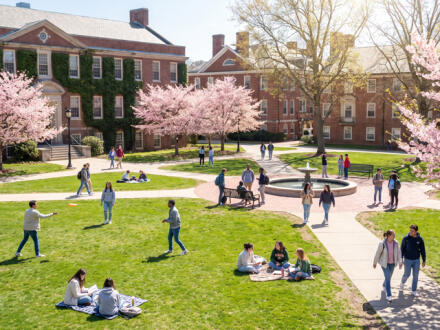
For students in Clay Center, Wakefield, Longford, Green, and nearby parts of the county, college costs can feel bigger than the tuition line alone. Books, housing, lab fees, and travel can push the price far past the sticker number. The good news is simple: Clay County, Kansas scholarships can chip away at those costs from several directions if students know where to look.
That includes local donor funds, Kansas statewide awards, campus scholarships, career-based aid, and scholarships built for specific groups such as women and STEM students. A student who stacks a $500 community award, a $1,000 department scholarship, and a renewable state grant can reduce borrowing fast. According to the National Center for Education Statistics, the average annual cost of attendance at public four-year schools includes far more than tuition, which is exactly why smaller awards matter.
This guide focuses on seven practical scholarship paths for students from Clay County. It also explains what documents to gather, how to sort merit-based and need-based aid, and which opportunities deserve attention first. The goal is not to send students into a long search with no plan. It is to help them make smart, specific moves that can lower college costs and improve the odds of winning money.
1. Local Foundation And Community Scholarships In Clay County, Kansas
Local scholarships are often the first place students should look because the applicant pool is smaller. A county-wide fund might draw 25 applicants instead of 2,500, which changes the odds in a big way. For a Clay County senior, a $750 local award can cover a semester of textbooks, a laptop repair, or several months of fuel.
Common local sources include:
- Community foundations serving Clay County and nearby towns
- Memorial scholarships created by local families
- Civic groups such as Rotary, Lions, and American Legion posts
- Local employers and banks that support graduates entering college or technical training
- Faith-based groups and hospitals that sponsor students in service fields
Students should also ask counselors for a list of awards from the last 3 years. That short history shows which scholarships appear every cycle and which ones were one-time gifts.
In rural counties, donor committees often care about more than GPA alone. They may value:
- Community service hours
- 4-H or FFA involvement
- Church leadership
- Farm or work experience
- Plans to return to Kansas after graduation
That is why a student with a 3.2 GPA and strong service record can beat a student with a 3.9 GPA and a weak essay. Local committees usually know the schools, families, and community needs firsthand.
2. Clay County Scholarships For High School Students Planning Their Next Step
High school seniors have the widest menu of awards, especially from local groups and first-year college programs. Many Clay County Scholarships for High School Students are built for this exact moment: the jump from graduation to college, trade school, or technical training. Missing the early deadlines can cost real money.
One useful benchmark is the FAFSA. Federal Student Aid data shows millions of students qualify for federal grants and loans each cycle, yet many still delay filing. In practice, filing early can open access to campus need-based aid before funds run low.
Students should focus on these scholarship categories first:
- Local community awards
- Kansas state aid programs
- Institutional freshman scholarships
- Career-path scholarships tied to nursing, teaching, agriculture, or skilled trades
A student from Clay Center Community High School, for example, might apply for a county donor scholarship, a state scholarship, and a university merit award in the same month. That stacking approach often works better than waiting for one large prize.
For students who use scholarship databases, free platforms can save time. On StudentScholarships, students can sort opportunities by state, field, and education level, which helps narrow down matches instead of scanning hundreds of unrelated listings.
What High School Seniors Should Prepare Before Application Season
The strongest applicants get organized before forms open. That matters because many scholarships ask for the same 6 to 8 items, and a rushed application usually shows.
A solid prep folder should include:
- Transcript with current GPA and class rank if available
- ACT or SAT scores if the scholarship asks for them
- Resume listing jobs, clubs, 4-H, sports, FFA, volunteer hours, and leadership roles
- One master essay of 500 to 650 words that can be revised for each prompt
- Two recommendation contacts who can respond within 7 days
- FAFSA confirmation and Student Aid Index details when need is part of the review
Students should also build a deadline sheet with three columns: scholarship name, due date, and materials needed. Even a list of 12 applications can feel manageable when split across 6 weeks.
A practical example: if one essay takes 90 minutes to customize and a recommendation letter needs 10 days, waiting until the last weekend is almost guaranteed trouble. The best senior strategy is simple. Start early, save every file in one place, and reuse good material without sending the exact same essay to every committee.
3. Kansas Statewide Scholarships Open To Clay County Residents
Students in Clay County should not stop at county lines. Many Kansas scholarships are open statewide, which means local students can apply as long as they meet residency, GPA, financial need, or program-of-study rules. These awards often bring larger amounts than town-based scholarships, sometimes from $500 to several thousand dollars.
Good statewide examples include the Kansas State Scholarship, which is tied to academic recognition, and the Kansas 4-H Foundation scholarship, which can fit students with strong 4-H records common in rural counties. Students planning careers in service fields should also note the Kansas Teacher Service Scholarship, especially if they expect to work in Kansas after graduation.
Kansas residents should also watch statewide awards from:
- Professional associations
- Farm organizations
- University systems
- Private donors with statewide eligibility
For example, students with agricultural backgrounds may fit the Kansas Farm Bureau Collegiate scholarships if they attend a four-year program and meet the organization's criteria.
Statewide awards are worth the effort because the dollar amounts can be meaningful. A single $1,000 award equals about 66 hours of work at $15 per hour before taxes.
Merit-Based Vs Need-Based Awards To Prioritize
Students often ask which type of scholarship deserves the most time. The answer depends on their record, but most should apply to both.
Merit-based awards usually focus on:
- GPA
- Test scores
- Leadership
- Activities
- Talent or field-specific performance
Need-based awards usually focus on:
- FAFSA results
- Household income
- Family size
- Special financial circumstances
A student with a 3.8 GPA and little unmet need should prioritize merit awards first. A student with moderate grades but strong financial need should still apply widely, because many committees weigh hardship, work hours, caregiving, or first-generation status.
A smart split is often:
- 40% local and state merit applications
- 40% need-based applications
- 20% niche scholarships tied to identity, career path, agriculture, military family status, or service
That mix helps students avoid betting everything on one category. And if time is tight, they should start with scholarships that match at least 3 clear strengths.
4. Clay County Scholarships For Undergraduate Students At Two-Year And Four-Year Colleges
Scholarship options do not end after high school graduation. In fact, many Clay County Scholarships for Undergraduate Students open only after a student completes 12 to 30 college credits. Colleges want proof that a student can handle coursework, stay enrolled, and keep making progress.
This matters for students at community colleges as much as university students. A two-year student in practical nursing, diesel tech, welding, or ag business may qualify for technical or career-based funding that a freshman never saw during senior year.
Useful places to look include:
- College financial aid offices
- Academic departments
- Alumni associations
- Major-specific organizations
- Kansas industry groups
Students in technical tracks should review options such as the Kansas Farm Bureau technical scholarships, which can fit career-focused programs tied to rural workforce needs. Students at four-year schools should also review campus-based pools like Kansas State University scholarships if that institution is on their list.
The key point is simple: after freshman year, fewer students keep applying. That drop creates opportunity for organized applicants.
Renewable Scholarships, Transfer Options, And Enrollment Requirements
A one-time $500 award helps. A renewable $1,000 scholarship for 4 years helps much more. Students should always check whether an award renews, because the long-term value may be 2 to 4 times higher than the headline number.
Common renewal rules include:
- Maintain a 2.5 to 3.5 GPA
- Enroll full time, often 12 credit hours or more
- Stay in an approved major
- Submit a short renewal form each term or year
Transfer students need to pay close attention here. A student who finishes 60 credits at a two-year school and moves to a university may lose one scholarship but gain transfer-specific aid. That switch can be a net positive if planned early.
A realistic example: a student earns a $750 local scholarship for year one, then secures a $2,000 transfer scholarship and a $1,200 department award after moving to a four-year campus. That stack cuts $3,950 from later costs without touching loans.
Enrollment details matter too. Some scholarships require continuous attendance, while others allow part-time status for adult learners. Reading the fine print for 10 minutes can save the loss of an award worth several months of rent.
5. Clay County Scholarships For Graduate Students Seeking Advanced Degrees
Graduate students often assume scholarship money dries up after a bachelor's degree. That is not true. Clay County Scholarships for Graduate Students exist through universities, departments, professional groups, and service-based programs. The catch is that the search becomes more specialized.
A graduate nursing student, for instance, may have stronger funding options than a general applicant because the award is tied to workforce demand. Kansas has field-specific support in areas such as education and healthcare, including the Kansas Nursing Service Scholarship for eligible nursing students.
Graduate students should focus on these sources:
- Department scholarships
- Research or teaching assistantships
- Employer tuition support
- Professional associations in Kansas
- Service-commitment programs in high-need fields
Why does this matter? According to the U.S. Bureau of Labor Statistics, earnings tend to rise with higher education levels. That does not erase debt, but it means even a $3,000 award can improve the return on a graduate degree.
Assistantships, Department Awards, And Field-Specific Funding
Assistantships are often the biggest graduate funding tool. Instead of a one-time check, they can provide tuition support, a stipend, or both.
Two common models are:
- Teaching assistantships, where students help lead labs, grade assignments, or support undergrad classes
- Research assistantships, where students work on faculty projects, data collection, or grant-supported studies
A 10-hour-per-week assistantship with a stipend of $7,500 over an academic year can reduce out-of-pocket costs more than several small scholarships combined. Department awards can add even more, especially in education, agriculture, accounting, media, and public service.
Field-specific Kansas groups also matter. An accounting student could look at awards like the Kansas Society of CPAs scholarships, while a law-enforcement-related student may find association-based aid through Kansas public safety networks.
Graduate applicants should ask each program 3 direct questions:
- What percentage of students receive funding?
- What is the average award amount?
- Is funding guaranteed beyond year one?
Those answers reveal much more than glossy admissions pages.
6. Clay County Scholarships For STEM Students Pursuing High-Demand Careers
STEM students often have strong scholarship potential because Kansas employers need workers in health care, engineering, data, agriculture technology, and applied science. For Clay County families, that can turn a hard major into a better-funded major.
The best Clay County Scholarships for STEM Students may come from several lanes at once:
- State programs tied to workforce shortages
- College departments in biology, chemistry, math, or computer science
- Technical scholarships in applied manufacturing and ag systems
- Industry groups connected to grain, feed, energy, or rural health
For students with agricultural science interests, the Kansas Grain and Feed Association scholarships can be relevant because ag business and feed systems overlap with plant science, engineering, logistics, and food production careers.
STEM students should also think beyond the word "scholarship." Paid internships, undergraduate research grants, and summer lab programs can reduce costs too. A paid summer research role earning $4,200 can cover housing or tuition for a later term.
Concrete strategy matters here. A Clay County student planning to study nursing, computer science, agronomy, or engineering should build a list with:
- 5 local or state scholarships
- 5 college-specific STEM awards
- 3 industry scholarships
- 2 paid program options
That creates 15 real chances instead of a vague hope that "something will work out."
And one more thing: STEM committees often reward proof of interest. A physics fair project, coding portfolio, CNA certification, or FFA agriscience placement can be more persuasive than a generic statement that says the student "likes science."
7. Clay County Scholarships For Women Expanding Access To Higher Education
Women in Clay County can find scholarship support through local donor funds, women's organizations, college departments, and career-path programs. These awards matter most in fields where cost or representation creates extra pressure, such as engineering, technology, agriculture leadership, and graduate study.
The best Clay County Scholarships for Women are not always labeled only for women. Some are open to all students but strongly favor applicants entering shortage fields, community leadership roles, or service professions where women apply in large numbers.
Strong places to search include:
- Community foundation funds created in memory of local women leaders
- Sorority or women's club scholarships
- Campus women-in-STEM awards
- Healthcare and education service scholarships
- Employer-backed scholarships for women entering technical roles
A practical example: a student from Clay Center pursuing elementary education, nursing, or engineering may qualify for a local memorial fund, an institutional award, and a statewide service scholarship in the same cycle. Three modest awards of $800 each create $2,400 in support, which could cover a semester of housing in some shared off-campus setups.
Women should also lean into specifics in their essays. Instead of saying they want to "help people," they should describe one real moment. Maybe they spent 146 hours volunteering in a school classroom, earned a CNA, led an FFA chapter event, or tutored algebra twice a week. Those details make an application memorable.
For students from underrepresented backgrounds, statewide opportunities tied to identity and access can matter too, including programs such as the Kansas Ethnic Minority Scholarship when eligibility fits. The strongest applications usually connect academic goals, community impact, and a clear plan for what happens after graduation.
Clay County, Kansas Scholarships: Frequently Asked Questions
What types of scholarships are available specifically for Clay County students?
Clay County students can apply for local foundation scholarships, community awards, Kansas statewide scholarships, career-path aid, STEM scholarships, and awards targeting women and underrepresented groups to help reduce college costs.
How can high school seniors in Clay County best prepare their scholarship applications?
Seniors should gather transcripts, test scores, resumes, recommendation contacts, and a master essay ahead of deadlines. Organizing applications by due date and materials required helps improve chances of winning multiple awards.
What are the benefits of applying for both merit-based and need-based scholarships in Clay County?
Applying for merit-based scholarships recognizes GPA and leadership, while need-based focuses on financial circumstances. Balancing applications (40% local/state merit, 40% need-based, 20% niche) maximizes opportunities to reduce borrowing.
Are there scholarship options for Clay County students beyond high school, such as undergraduates or graduate students?
Yes. Scholarships exist for undergraduates and graduate students through college departments, assistantships, professional groups, and field-specific awards, especially in high-demand areas like nursing, education, and agriculture.
What opportunities exist for STEM students from Clay County to secure scholarships?
STEM students can access scholarships from state programs, college departments, industry groups, and paid internships or research grants tailored to healthcare, engineering, agriculture tech, and applied sciences.
How can women in Clay County find scholarship support to expand access to higher education?
Women may qualify for scholarships via local donor funds, women’s organizations, campus women-in-STEM awards, and service-focused scholarships, especially in fields like engineering, nursing, education, and agriculture leadership.







