

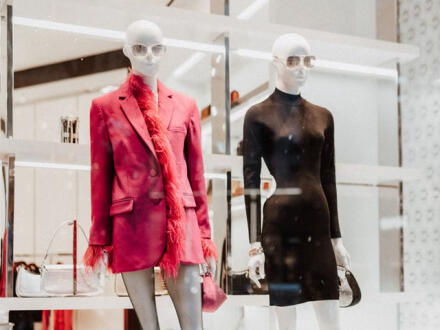
Fashion merchandising students in California often face a double bill: college tuition plus program costs like trend books, fabric swatches, software, portfolio printing, and travel to buying markets or internships. A single merchandising class project can eat up $75 to $250 in supplies, and that's before textbooks.
The good news is that California fashion merchandising scholarships come from more than one place. Students can find money through colleges, academic departments, California community groups, transfer programs, and industry associations. Some awards are built for high school seniors. Others are for first-year students, transfer applicants, or current university students already studying retail, apparel, textiles, or consumer sciences.
This list breaks the search into 10 practical categories so students can find scholarships that actually fit where they are right now. Instead of hunting through dozens of unrelated awards, they can focus on the options most likely to match their grade level, major, background, or financial need.
For students using free scholarship tools, platforms like StudentScholarships help narrow the list faster by matching applicants to opportunities in just a few minutes. That matters. If a student applies to 12 scholarships worth $1,000 each and wins even 1, that can cover a semester of books, transit, and class materials at many California schools.
Below are 10 scholarship paths worth real attention.
1. College-Specific Fashion Merchandising Scholarships In California
Many California colleges offer scholarships that are only open to their own students. For a fashion merchandising major, this is often the lowest-competition pool because the applicant list stays on one campus instead of stretching across the whole state.
At some schools, awards are tied to the fashion merchandising program itself. At others, they sit inside larger business, design, family and consumer sciences, or apparel departments. A student might find awards from $500 to $5,000 just by checking the college foundation page and the department office.
A smart search should include:
- campus scholarship portals
- fashion or apparel department pages
- college foundation awards
- financial aid office databases
- honors and talent-based campus funds
One concrete example is a textile-focused award such as the textile merchandising scholarship, which lists a $2,000 award. Even when a scholarship is not California-only, it can still fit California students in merchandising or textile tracks.
Students should also ask whether scholarships are stackable. A $1,500 campus award plus a $1,000 department prize plus a $750 book stipend can make a real dent in costs. That three-award mix totals $3,250, enough to cover several months of rent in some student housing situations or a full term of commuting and supplies.
2. California Fashion Merchandising Scholarships For High School Students
High school seniors have an edge that many people miss: they can apply before college bills fully hit. That makes California Fashion Merchandising Scholarships for High School Students one of the best starting points for families trying to lower freshman-year costs.
These scholarships often reward strong grades, community involvement, leadership in clubs, or a clear career plan in apparel retail, buying, styling, or brand marketing. A student who ran a school thrift drive, managed costume inventory for theater, or sold handmade pieces online already has material for a strong application.
California-wide awards can also help even if they are not fashion-specific. The California Credit Union scholarships award 20 scholarships of $1,000 each. That is $20,000 total distributed to students, and it can pair well with a future merchandising major.
Another useful path is broad student support programs such as California PTA scholarships, especially for students with school leadership and parent-community involvement.
For high school applicants, the strongest files usually include:
- a clear major or career goal
- a portfolio or project list, even informal
- a resume with measurable results
- one strong recommendation from a teacher or adviser
- an essay that explains why fashion merchandising is a business field, not just a hobby
A student with a 3.6 GPA, 120 volunteer hours, and a resale shop side hustle can sound far more compelling than someone with only broad statements about loving fashion.
3. California Fashion Merchandising Scholarships For First-Year Students
First-year students are in a strange spot. They are no longer applying as high school seniors, but they usually do not have much college coursework yet. That is why California Fashion Merchandising Scholarships for first-year students often focus on promise, adjustment, and early momentum.
The first semester matters a lot. A student who keeps a 3.3 GPA or higher, joins a retail club, and meets one professor during office hours already looks more competitive for spring and second-term awards.
These scholarships commonly favor students who can show:
- commitment to staying in the major
- early academic performance
- campus involvement
- financial need
- progress toward a merchandising career path
In California, first-year students should ask whether their college automatically re-reviews them after the first term. Some schools do. Others require a separate form, a short essay, and updated transcripts.
This is also a good stage to look at broad California support awards that can reduce pressure while a student builds a college record. The California State PTA scholarships can be relevant for students continuing their education after high school.
A useful tactic is to create a simple evidence file. It can include 1 resume, 1 unofficial transcript, 1 budget sheet, 2 recommendation contacts, and 3 short essay drafts. That turns last-minute application panic into a one-hour task instead of a six-hour scramble.
4. Departmental Awards For Fashion Merchandising Majors At California Colleges
Departmental awards are often the best-kept secret on campus. These are scholarships offered by the actual academic unit that teaches apparel, merchandising, textiles, retail, or consumer sciences.
Because the selection committee usually knows the major well, the essay can be more specific. Students can mention visual merchandising labs, consumer trend analysis, inventory planning, retail math, sustainability, sourcing, or store planning without needing to over-explain basic terms.
Department awards may be based on:
- portfolio quality
- class performance in the major
- internship progress
- faculty recommendations
- participation in student fashion shows or merchandising events
A merchandising student who increased traffic at a student-run pop-up by 18% through a revised window display and pricing layout has a concrete story. That kind of detail is gold in a departmental review.
Some California private and specialized institutions also run internal memorial funds. Broad scholarship directories can surface options like the CAPPS Memorial scholarships, which may connect to California postsecondary students and help fill funding gaps.
The best move here is simple: students should email the department coordinator and ask for every award with a separate application deadline. Many awards do not show up on the main financial aid page. One short email can uncover 2 to 6 extra scholarships that most classmates never notice.
5. California Fashion Merchandising Scholarships For College Transfer Students
California has one of the strongest transfer pipelines in the country. That matters for merchandising students who start at community college and move to a university later. California Fashion Merchandising Scholarships for College often include transfer-only funds, and those awards can be easier to target than general scholarships.
Transfer students bring something selection committees like: proof. They already have college grades, often work experience, and a better sense of their career direction.
A strong transfer applicant might show:
- 45 to 60 completed units
- a GPA above 3.2
- part-time retail or e-commerce work
- leadership in a campus club or student government
- a clear plan for finishing a bachelor's degree
This student group should look for awards tied to upward mobility, first-generation status, regional service groups, and women's education support. The California Dorothy C. Wisner Scholarship is one example students may review when looking for California-specific educational aid.
Transfer essays should explain the move in practical terms. For example: a student completed 51 units at a community college, worked 22 hours per week at a mall retailer, and now wants university coursework in buying, brand planning, and product development. That story lands harder than a generic statement about passion.
Students should also ask the destination university whether transfer scholarships require admission by an early deadline. Missing that date by even 1 day can wipe out access to a whole set of awards.
6. California Fashion Merchandising Scholarships For University Students
Once students are fully enrolled in a four-year program, the scholarship search changes. California Fashion Merchandising Scholarships for University students often reward progress in the major, not just potential.
At this stage, committees want evidence that the student is building a career. That can come from internships, buyer assistant work, campus fashion organizations, showroom experience, or research on consumer trends. Even a strong class project counts if it includes numbers.
Examples of useful proof include:
- increasing online product clicks by 14% during an internship
- building a trend forecast presentation with 25 market references
- managing a class budget exercise with a 9% margin target
- leading a pop-up event that sold 63 items in 4 hours
University students should also search broader California scholarships that fit their identity, region, or educational path. The CLLCF scholarships may be relevant for eligible students from Latino communities pursuing college goals in the state.
This is also the point where students should update their resume every term. One page is enough. But it should include software, coursework, sales metrics, leadership roles, and portfolio links. A senior with 8 clear bullets of measurable results usually looks stronger than one with a vague two-line summary.
And yes, professors matter here. One detailed faculty recommendation that mentions class rank, presentation quality, and work ethic can outweigh three bland letters.
7. California Fashion Merchandising Association Scholarships And Industry-Sponsored Awards
Industry awards are especially useful for students who want to work in buying, product development, wholesaling, visual merchandising, planning, or textile sales. These programs often come from associations, trade groups, retailers, or supplier networks. That makes California Fashion Merchandising Association Scholarships an important search category.
Industry-sponsored awards may value experience more than GPA alone. A student with a 3.1 GPA and 18 months of retail management experience can beat a student with a higher GPA but no field connection.
These scholarships often ask for:
- a resume with retail or fashion experience
- a portfolio or project sample
- a statement about career goals
- proof of enrollment in merchandising, textiles, or apparel studies
- references from faculty or supervisors
One useful example for adjacent fields is the California Restaurant Association scholarships. While not fashion-specific, it shows how California industry groups support career-focused students through organized scholarship programs.
Students interested in apparel and textiles should also search professional groups linked to fiber science, merchandising, and design supply chains. The earlier textile award example is a strong model because it connects academic study to an actual industry sector.
A practical edge: committees notice when students understand the business side of fashion. A sentence about reducing markdown risk, improving sell-through, or analyzing average unit retail sounds much stronger than saying they simply love trends and clothes.
8. Merit-Based Scholarships For Academic And Creative Achievement
Merit awards matter because they can reward both numbers and talent. For fashion merchandising students, that usually means GPA plus proof of creative and commercial thinking.
Some merit scholarships are purely academic. Others combine grades with leadership, portfolio work, competitions, or campus activity. A student with a 3.8 GPA, 2 leadership roles, and a polished visual merchandising project can fit several merit categories at once.
Common merit strengths include:
- GPA of 3.5 or above
- class projects with sales or branding logic
- strong communication and presentation skills
- leadership in DECA, FBLA, fashion clubs, or student retail groups
- portfolio pieces that show trend analysis, consumer targeting, or product curation
A local or state award like the Friends of the California State Fair can also reward students who combine education, public engagement, and achievement in visible ways.
What Review Committees Usually Look For
Reviewers usually read fast. In a stack of 80 applications, they often remember the student who made the job easy.
They tend to look for:
- clear fit between scholarship purpose and student goals
- specific results, such as "raised event sales by 12%"
- clean writing with no vague filler
- evidence of follow-through, like work hours, leadership, or repeat commitment
- recommendations with examples, not just praise
A great essay sounds concrete. It might describe steaming garments backstage at 6:30 a.m., rebuilding a display under bright store lights, or tracking which colorway sold out first. Those details stick. Generic passion statements don't.
9. Need-Based Scholarships For Students Pursuing Fashion Merchandising
Need-based aid is essential for students balancing tuition, housing, food, transportation, and course costs. In fashion merchandising, the extra expenses add up quickly. Portfolio printing alone can run $40 to $120, and required professional clothing for presentations or internships can push costs even higher.
These scholarships usually consider family income, FAFSA-based eligibility, unusual hardship, or major life circumstances. The strongest applications do not just say money is tight. They explain the gap with numbers.
For example, a student might show:
- $7,400 annual rent share
- $1,180 in books and materials
- $95 monthly transit cost
- 20 work hours per week during the semester
- a remaining unmet need of $3,250
California-specific scholarships can support students facing those gaps. The Kids' Chance of California scholarship is one example of a mission-driven award tied to family hardship circumstances.
Need-based applications should still include achievement. Committees want to fund students who are likely to continue and graduate. A student managing classes, work, and caregiving while holding a 3.4 GPA sends a strong message.
Students should also remember that smaller need-based awards count. Three scholarships worth $750, $1,000, and $1,500 equal $3,250. That can cover a shortfall that might otherwise force someone to cut classes or skip an internship opportunity.
10. Local And Regional Scholarships That Fashion Merchandising Students Often Overlook
Some of the best scholarship odds are not statewide at all. They are local. City foundations, county fairs, regional business groups, women's clubs, chambers of commerce, labor groups, and family memorial funds often get far fewer applications than giant national programs.
That is good news for merchandising students. A local award with only 35 applicants is a much friendlier target than a national scholarship with 3,500 applicants.
Students should search for awards connected to:
- hometown foundations
- county education groups
- regional fair organizations
- local employers
- cultural and civic associations
- women's leadership groups
Programs like the Friends of the Fair scholarship can be especially relevant because they connect education with California community institutions.
Another overlooked angle is geography plus identity. A student from one county, one cultural community, and one first-generation background may qualify for 3 separate local awards before even applying to campus scholarships.
How To Find Smaller California Opportunities Faster
The fastest method is not random searching. It is a repeatable system.
Students can move quicker with this process:
- Make a spreadsheet with 6 columns: name, amount, deadline, eligibility, essay topic, and status.
- Search by county, city, school district, and community foundation.
- Add identity-based terms like Latino, women, transfer, foster youth, or first-generation if they apply.
- Ask the counseling office, college department, and local library for printed lists.
- Use scholarship platforms that sort by profile matches and short applications.
A student who spends 45 minutes building that tracker can save 3 to 5 hours later. More important, they are less likely to miss a small $500 award that only needed one short essay and a transcript.
California Fashion Merchandising Scholarships FAQs
What types of scholarships are available specifically for California fashion merchandising students?
California fashion merchandising students can access scholarships through college-specific awards, departmental funds, transfer student programs, industry associations, merit-based, need-based, and local or regional scholarships tailored to various academic levels and backgrounds.
How can high school students interested in fashion merchandising find scholarships in California?
High school students should highlight strong grades, leadership, community involvement, and clear career goals in apparel or retail fields. Scholarships from state groups like the California Credit Union and California PTA provide early financial support before college.
What should first-year California fashion merchandising students focus on to secure scholarships?
First-year students should maintain a GPA of 3.3 or higher, get involved in campus retail clubs, show commitment to their major, and demonstrate financial need. Building an evidence file with transcripts, resumes, and essays can streamline scholarship applications.
Are there scholarships for transfer students pursuing fashion merchandising in California?
Yes, transfer student scholarships reward completed units, strong GPA (usually above 3.2), work experience, and clear bachelor's degree plans. Awards like the California Dorothy C. Wisner Scholarship support upward mobility and women's education with early admission deadlines.
What role does industry experience play in fashion merchandising scholarships offered by California associations?
Industry-sponsored scholarships prioritize relevant retail or fashion experience alongside GPA. Applicants with internships or retail management often have an advantage, especially if they can demonstrate business understanding of fashion such as reduce markdown risk or improve sell-through rates.
How can students find local or smaller California scholarships for fashion merchandising majors?
Students should target hometown foundations, county education groups, civic associations, and women's leadership groups. Using a spreadsheet to track award details and consulting college offices or scholarship platforms helps locate less competitive awards that still offer meaningful financial support.




