

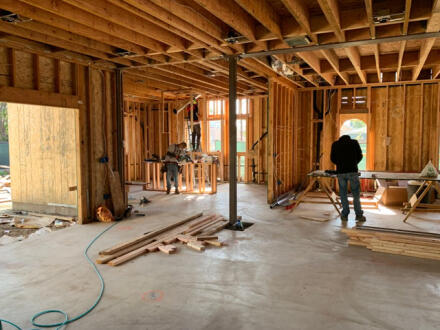
Building inspection is a practical career path for students who like construction, codes, problem-solving, and work that matters in real communities. Inspectors help keep homes, schools, and businesses safe. They review framing, electrical work, plumbing, fire safety, and code compliance. And the training path can be more flexible than students think.
South Dakota building inspection scholarships can help cover that path at several stages. A student might start in high school with a construction or trades award, move into a technical program, then stack state aid, employer funding, and local scholarships to reduce out-of-pocket costs. That matters because tuition and fees add up fast. The average annual tuition and required fees at South Dakota's public universities are several thousand dollars, and books, tools, and transportation can push the total much higher.
This guide breaks the search into 10 specific funding paths. It covers South Dakota Building Inspection Scholarships for High School Students, options for first-year students, technical and trade scholarships, university-based funding, community awards, and workforce support. It also explains how students can combine scholarships with federal and state aid instead of treating each source like a separate hunt.
The goal is simple: help students find real money for school and build a plan that fits a building inspection career, whether they are still in high school or already enrolled in college.
1. South Dakota Building Inspection Association Scholarships To Put On Your Radar
Students searching for South Dakota Building Inspection Association Scholarships should start with organizations tied to construction, contractors, inspectors, and code-related training. South Dakota does not always label every relevant award "building inspection," so the smart move is to track industry groups whose members hire or work with inspectors.
A strong example is the AGC South Dakota scholarships, which support students entering construction-related fields. For a student planning to inspect foundations, framing, or job-site code compliance, that overlap is direct.
Other association-based paths can come from builder groups, contractor councils, and trade associations. The builders scholarship route is worth watching because builders often need graduates who understand plans, site safety, and structural standards.
Here is what students should look for in association awards:
- Eligible majors: construction management, architectural drafting, civil engineering technology, code enforcement, electrical, plumbing, HVAC
- Membership connections: parent employment, student chapter membership, or local association ties
- Geographic limits: South Dakota residency or county-based rules
- Industry intent: a stated plan to work in construction or inspection after school
A practical example: a student in Mitchell who wants to inspect residential remodels could apply for an AGC-style award, mention OSHA training, and explain how inspection work reduces costly rework. On a $180,000 home build, even one missed framing correction can cost thousands later. That makes the career case very concrete.
2. South Dakota Building Inspection Scholarships For High School Students Exploring Construction Careers
South Dakota Building Inspection Scholarships for High School Students often come from broader career and technical education programs. That means students do not need to wait until college to start building a funding plan.
South Dakota students in shop, welding, drafting, agriculture mechanics, or construction classes already have a good story to tell. A scholarship committee wants proof that the student has interest, follow-through, and a clear next step. A transcript with algebra, geometry, and technical coursework helps because inspectors use measurements, plans, and code tables every day.
The SDATAT scholarship option is one example of an award that supports South Dakota students with technical and career-focused goals. It can fit students who plan to move into a building trades or inspection-related path.
High school applicants should strengthen their odds with evidence like this:
- 1 or more construction classes or CTE credits
- 20 to 40 volunteer hours with Habitat builds, local repairs, or community projects
- Job-shadow time with a contractor, city inspector, or maintenance team
- A short resume listing tools, safety training, and hands-on projects
A specific example works better than a general claim. Instead of writing, "They like construction," a student could write that they helped frame a 10-by-12 shed, measured stud spacing at 16 inches on center, and learned why small errors multiply across a wall. That detail sticks.
For students using StudentsScholarships.org, a free profile can surface broad-match scholarships quickly, which is useful when a building inspection goal overlaps with trades, construction, and applied technology awards.
3. South Dakota Building Inspection Scholarships For First-Year Students Starting Strong
South Dakota Building Inspection Scholarships for first-year students matter because the first year is when many students face the biggest cash crunch. Deposits, tools, books, safety gear, parking, and housing can hit before the first exam even starts.
This is the stage where students should mix career-focused awards with broader first-year aid. The South Dakota Opportunity Scholarship is a major one to review because it rewards qualifying academic preparation and can pair well with career goals in construction and inspection.
A first-year student should also look for awards tied to state service or workforce needs. The Dakota Corps path can be relevant when a student plans to stay in South Dakota and work in an in-demand field after graduation.
Why this matters: first-year persistence is a real issue nationwide. The National Center for Education Statistics has repeatedly shown that retention from first to second year is a major breakpoint for student success. Even a $1,000 to $2,500 award can cover books, code manuals, gas, and required software.
Students starting strong usually do four things:
- Apply early, before school-based funds run thin
- File the FAFSA as soon as it opens
- Target stackable awards instead of chasing only one big scholarship
- Explain career intent clearly in the essay
A student entering a building construction technology program can stand out by linking first-year classes, such as blueprint reading or materials testing, to future inspection work. Committees like clear plans, not fuzzy ambition.
4. South Dakota Building Inspection Scholarships For College Students In Technical And Trade Programs
For many students, the most direct route into inspection work runs through a technical college or trade-focused program. That makes South Dakota Building Inspection Scholarships for College especially important for students studying construction technology, electrical systems, HVAC, plumbing, drafting, or building maintenance.
Inspection jobs often reward broad field knowledge. A student who understands how wiring, airflow, drainage, and framing interact is more useful than someone who knows only one trade. Technical programs build that foundation fast, often with labs, shop time, and site-based examples.
Students should also look beyond South Dakota-specific awards when the field match is strong. A construction-linked opportunity like the Duluth trades scholarship can still be useful as a model for the kinds of awards that value hands-on career paths.
Scholarship committees in this lane often favor applicants who show:
- Attendance and reliability in lab or shop courses
- Safety awareness, including OSHA or similar training
- Hands-on output, such as a wiring board, framing project, or HVAC install demo
- Career realism, including knowledge of local employers and wages
The U.S. Bureau of Labor Statistics reports a median annual wage above $67,000 for construction and building inspectors. That number can help students show return on investment in an essay, especially if a two-year program leads to steady local work.
A good application sounds like this: the student has already read basic residential code sections, worked part-time for a roofer, and wants to inspect exterior envelopes because moisture failures are expensive and common on Midwestern buildings.
5. South Dakota Building Inspection Scholarships For University Students In Related Degree Paths
Not every future inspector comes through a trade program. South Dakota Building Inspection Scholarships for University students can make sense for those in construction management, engineering, architecture, environmental design, public administration, or safety studies.
University students often qualify for a wider mix of aid because they can pursue department awards, merit scholarships, leadership scholarships, and industry-specific support. At South Dakota State University, the financial aid and scholarships office lists central aid resources that can connect students to campus funding and process details.
This path works well for students who want roles beyond basic field inspection, such as:
- Commercial plan review
- Municipal code administration
- Construction project management
- Facilities compliance
- Specialized mechanical or structural inspection
A concrete example: a civil engineering student could focus on loads, materials, and site drainage, then move into inspection work that reviews retaining walls, concrete placement, or stormwater compliance. That is not a guessy career pivot. It is a logical fit.
University students should also search broad state awards that are not tied to inspection by name. A scholarship of $750, $1,500, or $3,000 can still reduce loan pressure if the degree supports an inspection career. The key is matching the essay to public safety, code compliance, and South Dakota workforce needs rather than describing the degree in abstract terms.
6. Community Foundation And Local South Dakota Awards That Can Support Building Inspection Goals
Local money is often less crowded than national scholarship contests. That makes community foundations, county funds, and hometown awards a smart part of any South Dakota building inspection scholarships plan.
These scholarships may come from banks, memorial funds, service clubs, electric cooperatives, or regional foundations. They do not always ask for a specific major. Instead, they may prefer students with local roots, community service, and a clear career purpose.
For example, a student from a rural county who wants to work in local permitting or property inspection may appeal strongly to a hometown committee. In small towns, one trained inspector can affect dozens of projects each year, from school additions to home repairs after storms.
A few South Dakota-based examples on StudentsScholarships.org show how varied these awards can be, including the South Dakota Bankers Foundation award and the Ramia Boersma scholarship. They are not building inspection awards by title, but they can still help fund the same career goal.
Students should ask these local sources directly:
- High school counseling offices
- County community foundations
- Rotary, Kiwanis, and Lions clubs
- Local builders and contractors
- City or county government offices
A practical tactic: make a spreadsheet with 12 columns for award name, amount, deadline, essay topic, transcript needed, recommendation count, and contact info. That simple system can prevent missed deadlines and duplicate effort.
7. Construction, Code Enforcement, And Skilled Trades Scholarships That Overlap With Building Inspection
Students do not need to wait for a scholarship with the exact words "building inspection" in the title. Many of the best fits sit one step to the side, in construction, code enforcement, public safety, facilities, or skilled trades.
That overlap makes sense. Inspectors rely on the same core knowledge that tradespeople and construction managers use in the field. They read plans, measure tolerances, identify hazards, and apply rules consistently. A scholarship for electrical technology or construction management can still support a future inspector.
Useful overlap categories include:
- Construction management scholarships for plan reading and project knowledge
- Electrical and HVAC awards for systems understanding
- Public administration or code enforcement funding for municipal careers
- Safety and compliance scholarships for regulation-heavy work
- Skilled trades awards that support apprenticeships or applied programs
The South Dakota FB scholarships show how industry groups sometimes fund practical career tracks that help local infrastructure and property use. For students from agricultural communities, building inspection can include farm structures, shops, storage buildings, and rural code issues.
A strong essay here connects the overlap clearly. If a student applies for a general construction scholarship, they should explain that inspection work reduces defects, protects buyers, and helps contractors fix issues before they become claims or safety risks.
Best Majors And Programs To Match With These Scholarships
Students usually have the best luck when their program title clearly supports inspection work. Good matches include:
- Construction management
- Building construction technology
- Civil engineering technology
- Architectural drafting
- Electrical technology
- HVAC or plumbing technology
- Fire science or safety management
A practical pairing matters. For example, an HVAC student can later inspect ventilation and mechanical systems, while a drafting student may move toward plan review. The closer the course list is to actual buildings, the easier the scholarship story becomes.
8. Employer-Sponsored And Workforce Development Funding Options In South Dakota
Some of the best funding does not come from a scholarship committee at all. It comes from employers, apprenticeships, workforce boards, and public training support. For students aiming at inspection work, that route can be faster and more practical than chasing only academic awards.
Construction firms, HVAC companies, electrical contractors, and local governments may reimburse tuition if the employee studies a directly useful field. A city building department may also support code classes or certifications if it needs trained staff. In a small labor market, that can be a real advantage.
South Dakota students should ask employers specific questions instead of broad ones:
- Will the company pay per credit or per semester?
- Is there a work commitment after graduation?
- Are code books, test fees, and travel covered?
- Does the student need a minimum GPA, such as 2.5 or 3.0?
A student working 20 hours a week for a contractor might receive $1,200 per term in tuition help and free use of a company truck for site training. That is not unusual in labor-short environments.
State workforce systems can also help with eligible training. Students should ask local job service offices about in-demand occupation support, short-term credential funding, and employer-connected programs. This path is especially useful for adult learners, community college students, and anyone switching careers after time in the workforce.
9. Federal And State Aid You Can Combine With Building Inspection Scholarships
Scholarships work best when students treat them like one layer of a bigger funding plan. Federal grants, state aid, work-study, and campus-based support can all stack with South Dakota building inspection scholarships.
The biggest first step is the FAFSA. Students who skip it can miss Pell Grants, subsidized loans, and campus aid. The Federal Student Aid system has awarded billions in grant support each year, and Pell Grants alone can make a major dent for lower-income students.
A smart package may combine:
- Federal Pell Grant
- South Dakota merit or service-based aid
- A department scholarship
- One or two local awards
- Part-time work or work-study
For example, a student in a technical program could piece together $7,395 in Pell Grant funds at the maximum level, plus a $1,500 local scholarship, plus a $1,000 industry award. That kind of stack can cover a large share of tuition and books at a public two-year program.
Students should also compare aid rules carefully. Some awards reduce unmet need without affecting other grants, while others may change the final package. The financial aid office can explain whether an outside scholarship shifts loans, work-study, or institutional aid first.
This is where organized students save real money. Filing early, answering verification requests fast, and reporting outside awards correctly can prevent delays that hold up registration or housing.
10. How To Build A Strong Application For South Dakota Building Inspection Scholarships
A good application is not fancy. It is clear, specific, and easy to trust. Committees want proof that the student has a realistic goal and will use the money well.
The strongest South Dakota building inspection scholarships applications usually do three things. First, they connect past experience to the field. Second, they explain the exact training plan. Third, they show how the student will serve a community, employer, or local workforce after school.
A weak essay says, "They want to work in construction." A stronger essay says they spent 86 hours helping with residential remodels, learned to read simple blueprints, and became interested in inspection after noticing how one missed flashing detail caused water damage around a window. That is memorable.
Students should include evidence such as:
- Grades in math, drafting, or shop
- Work experience with builders, maintenance teams, or city departments
- Volunteer projects involving repairs or housing
- A direct career plan tied to inspection, code, or compliance
- Recommendation letters from instructors who have seen hands-on work
StudentsScholarships.org can help by organizing scholarship discovery in one place, which cuts down the time spent jumping between scattered applications.
Documents, Essays, And Deadlines To Prepare Early
The easiest scholarship applications are the ones built from a reusable file set. Students should prepare these items at least 6 to 8 weeks before the earliest deadline:
- Official or unofficial transcript
- Resume capped at 1 page
- One base essay of 400 to 600 words
- Two recommendation requests
- FAFSA confirmation details
- A list of activities with dates and hours
A deadline calendar matters. Missing one date by 24 hours turns a strong application into zero dollars. Students who batch materials early usually submit more applications, and more submissions raise the odds of funding.
South Dakota Building Inspection Scholarships FAQs
What types of scholarships are available for building inspection students in South Dakota?
South Dakota offers various scholarships for building inspection students, including awards from trade associations like the AGC South Dakota, scholarships for high school and college students, as well as local community foundation scholarships and employer-sponsored funding.
How can high school students interested in building inspection find scholarships in South Dakota?
High school students can pursue scholarships through technical education programs, career and technical education credits, and associations such as SDATAT, by demonstrating coursework in construction-related classes, volunteer work, and a clear career plan in building inspection.
What advice helps first-year building inspection students in South Dakota secure scholarships?
First-year students should apply early, file the FAFSA promptly, seek stackable scholarships like the South Dakota Opportunity Scholarship, and clearly connect their studies, such as blueprint reading and material testing, to their building inspection career goals.
Are there scholarships for technical and trade programs related to building inspection in South Dakota?
Yes, students enrolled in technical programs like construction technology, electrical, HVAC, plumbing, or drafting can apply for scholarships that value hands-on experience, safety training, and career readiness, such as the Duluth Building and Construction Trades Council Scholarship.
How can South Dakota university students in related degree fields benefit from building inspection scholarships?
University students in majors like construction management or civil engineering technology can access a wide range of scholarships, including campus department awards and merit scholarships, by emphasizing public safety, code compliance, and local workforce needs in their applications.
Can building inspection scholarships in South Dakota be combined with other financial aid?
Yes, building inspection scholarships can be stacked with federal Pell Grants, state aid, work-study, and campus-based support to create a comprehensive funding plan, which helps cover tuition, books, and related expenses effectively.




