

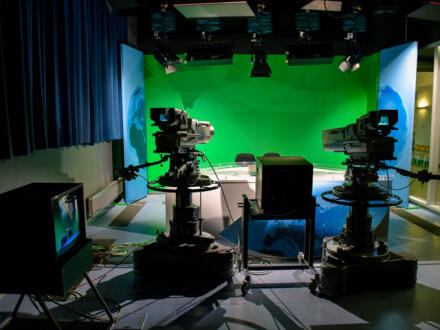
Students who want a future in radio, TV, sports media, news, or digital production often run into the same hard truth fast: cameras, tuition, books, housing, and transportation add up quickly in Hawaii. A student can love broadcasting and still wonder how to afford the path.
That's where Hawaii broadcasting scholarships can make a real difference. They can reduce tuition costs, lower the need for loans, and help students stay focused on building skills instead of juggling extra work shifts. The National Center for Education Statistics has reported that more than 8 out of 10 first-time undergraduates receive some form of financial aid, which is a good reminder that paying for college usually comes from several sources, not just one big award.
This guide breaks down six practical funding paths for students at different stages: high school, first year of college, and university-level study. It also covers what scholarship reviewers usually look for, how media experience can strengthen an application, and where students can find extra local support beyond one award.
The goal is simple. Help students and families spot the best options sooner, build stronger applications, and stack funding in a smart way so a broadcasting degree feels possible instead of out of reach.
1. Hawaii Broadcasters Association Scholarships: The Main Opportunity To Start With
For students searching for Hawaii Broadcasting Association Scholarships, this is usually the first place to focus. Industry group scholarships matter because they are tied directly to the field students want to enter. That means reviewers often care about more than GPA alone. They want to see genuine interest in broadcasting, clear career direction, and signs that the applicant will contribute to Hawaii media.
A strong broadcasting scholarship application usually includes:
- A clear career goal, such as on-air reporting, audio production, sports broadcasting, or station management
- Academic readiness, often shown through transcripts and course rigor
- Media involvement, even if it is basic, such as school announcements or a podcast made on a phone
- Community connection, which matters in local media markets where trust and local knowledge count
In practical terms, a student with a 3.4 GPA, 120 volunteer hours, and six months on a school media team can look stronger than a student with a slightly higher GPA but no real media work. Broadcasting is hands-on. Reviewers know that.
Students should also look at related broadcaster awards beyond Hawaii to compare standards. A listing like the radio scholarship gives a useful sense of how industry-backed programs often frame merit, potential, and commitment.
Who Qualifies And What The Selection Committee Typically Looks For
Eligibility varies, but most committees look for a mix of academic performance, communication skill, and proof of follow-through. A student does not need a perfect résumé. They do need evidence.
What often helps most:
- A focused personal statement with a specific story
- A recommendation from a teacher, adviser, or media mentor who has seen the student work under pressure
- Samples of work, such as a 90-second audio clip, a news package, or a social video campaign
- Signs of reliability, like regular attendance in clubs, work, or volunteer roles
A believable essay beats a flashy one. For example, a student describing how they edited audio in a hot classroom at 6:45 a.m. before first period feels more real than a generic statement about "loving media."
Selection committees often ask one quiet question: Will this student actually finish and use the opportunity well? If the answer feels like yes, odds improve.
2. Hawaii Broadcasting Scholarships For High School Students Exploring Media Careers Early
Hawaii Broadcasting Scholarships for High School Students can be a smart starting point because early applicants often have less competition than students waiting until late college. They also have time to build a profile before tuition bills hit.
High school students sometimes think they are "not experienced enough" for media scholarships. That is usually not true. A student does not need a professional reel. They need evidence of interest and effort.
Good early broadcasting experiences include:
- Morning announcements
- Yearbook or school newspaper work
- Debate or speech competitions
- Student government communications
- Volunteer social media work for a club, church, or nonprofit
- Recording short interviews or sports recaps on a phone
One simple example: a junior who posts two 60-second athlete interviews each week for 12 weeks has already created a mini portfolio. That is real work. It shows consistency, comfort on camera, and basic editing skill.
Students looking beyond one niche award can also pair their search with broader local funding like Hawaii Community Foundation scholarships, which may help cover tuition while a broadcasting path takes shape.
Best Ways To Build A Strong First-Time Application In High School
A first-time applicant should keep the process simple and concrete. Scholarship reviewers read many essays. Specific details help one student stand out.
A strong first application often includes these moves:
- Choose one media goal instead of listing five possible careers
- Show output, such as 8 podcast episodes, 14 school news posts, or 3 live event interviews
- Ask for one sharp recommendation instead of three vague ones
- Proofread every line, especially names, deadlines, and file labels
Students should also track deadlines in one place. Missing a scholarship by 1 day hurts just as much as missing it by a month.
One useful comparison point is how other state broadcaster awards are structured. A page like the Kansas broadcasters scholarship shows that student commitment, not celebrity-level experience, is often what scholarship programs reward.
For students with Native Hawaiian ties or cultural service commitments, separate aid such as the Office of Hawaiian Affairs scholarship can sometimes strengthen the full funding plan around a future media degree.
3. Hawaii Broadcasting Scholarships For First-Year Students Making The Transition To College
Hawaii Broadcasting Scholarships for first-year students matter because the jump from high school to college is where many students lose momentum. The classes get harder. Costs become more visible. And students who were top performers in high school suddenly compete with dozens of equally driven classmates.
First-year students are in a useful middle spot. They are new enough to still qualify for some early-college aid, but they also have a semester or two to prove they can handle college work. That proof matters.
A first-year student becomes more competitive when they can show:
- A solid first-semester GPA, even if high school grades were mixed
- Attendance and participation in campus media or communication clubs
- A simple but clear portfolio started during the first term
- Follow-through on financial aid paperwork, which signals organization
The U.S. Department of Education notes that federal aid starts with the FAFSA, and many students leave money on the table by filing late or not at all. Even a modest grant can cover textbooks, software, or transportation. In Hawaii, those "small" costs can easily reach $1,200 to $2,400 across two semesters.
For first-year students in broadcasting, the best move is often stacking funds instead of waiting for one big award. That could mean one department scholarship, one community scholarship, a Pell Grant if eligible, and a part-time campus job tied to media.
This is also the stage where students should tighten their story. "I like media" is weak. "I want to produce local public-affairs audio because I grew up hearing how island issues get reduced to sound bites" is stronger.
Students interested in broadcaster-backed funding outside Hawaii can study patterns from awards like the student broadcaster scholarship program. Even when eligibility differs, those listings reveal what scholarship committees often value: commitment, clarity, and practical involvement.
For many students, first year is not about perfection. It is about proving they showed up, adjusted, and kept building.
4. Hawaii Broadcasting Scholarships For College Students Developing Industry-Ready Skills
Hawaii Broadcasting Scholarships for College students often become easier to win once the student has actual media work to show. By this stage, scholarship committees expect more than interest. They want signs that the student is becoming industry-ready.
That does not mean a student needs studio-level equipment or a polished reel with drone footage and cinematic lighting. It means the student can point to useful skills.
Examples include:
- Writing a 250-word radio script on deadline
- Editing a clean audio segment in under 45 minutes
- Running a basic interview without freezing up
- Posting timely campus news with correct facts and names
- Working with a team during a live event or sports stream
A student who has produced 10 campus news clips, 4 audio features, and 1 live remote segment has measurable progress. Those numbers are more convincing than broad claims about passion.
Some students also benefit from comparing Hawaii opportunities with programs elsewhere. The Wisconsin broadcasters grants and the Missouri broadcasters scholarship illustrate how other state associations reward skill growth, academic effort, and connection to the field.
How Internships, Campus Media, And Portfolios Can Strengthen Your Odds
This is where applications start to separate. A student with classes only may still be eligible. A student with classes plus applied experience usually looks stronger.
Three common boosters matter most:
- Internships: Even unpaid or short-term placements can show industry exposure. A 90-hour internship at a local station teaches deadlines, newsroom etiquette, and equipment routines.
- Campus media: Student radio, newspaper video desks, athletics streaming, and event coverage create steady output. Consistency beats one flashy project.
- Portfolios: A portfolio should be easy to scan. Five strong samples usually work better than 18 random files.
A useful portfolio mix might include:
- 2 audio clips
- 1 video package
- 1 written script
- 1 social media campaign with metrics
Metrics help. If a student's campus video reached 1,842 views and held an average watch time of 41 seconds, that says something concrete about audience interest.
Committees also notice reflection. If a student can explain what went wrong in a bad interview and how they fixed it next time, they sound like someone ready for real work, not just class credit.
5. Hawaii Broadcasting Scholarships For University Students Pursuing Advanced Media Training
Hawaii Broadcasting Scholarships for University students often support applicants who are moving from broad interest into a sharper specialty. At this stage, the question is less "Do they like media?" and more "What part of media are they preparing to do well?"
University students may pursue:
- Broadcast journalism
- Sports reporting
- Audio engineering
- Documentary production
- Digital content strategy
- News producing
- Media management
That focus matters because advanced training costs more in time and materials. One upper-level student may need field recording gear, editing software, hard drives, travel funds for internships, and conference fees. A single semester media project can involve 20 interview hours, 12 editing hours, and 4 location shoots before it is finished.
Scholarship committees often respond well to applicants who connect classroom learning to local need. For example, a student interested in bilingual reporting, rural community coverage, or ocean and climate communication may stand out because those goals serve real audiences.
University students can also widen their search by combining broadcasting-specific awards with broader Hawaii scholarship pools. Funding such as the Hawaii State FCU scholarship can help offset general education costs while a broadcasting student uses field-specific awards for equipment or project expenses.
How To Match Broadcast Interests With Journalism, Communications, And Digital Media Programs
Not every student will major in "broadcasting" by name. That is normal. Many strong media careers start in journalism, communications, marketing, film, or digital media programs.
The best fit usually depends on the student's main work style:
- Journalism fits students who like reporting, interviewing, and public-interest storytelling.
- Communications fits students interested in strategy, messaging, public speaking, and media relations.
- Digital media fits students who like editing, platform distribution, design, and multimedia production.
A student who loves live sports commentary may pair a communications major with a campus athletics stream. A student who wants to produce community news podcasts may fit better in journalism with audio electives. A student who enjoys short-form visual storytelling may grow faster in digital media.
The common thread is alignment. Reviewers like applications where the major, activities, and goals point in the same direction.
For students building a broader funding mix, Hawaii Education Association scholarships or similar local awards can complement media-focused applications, especially when the student's work touches education, public service, or community outreach.
6. Local And Related Funding Sources That Can Supplement Hawaii Broadcasting Scholarships
Students should not rely on one award alone. The strongest funding plans usually combine Hawaii broadcasting scholarships with local, cultural, academic, and career-adjacent aid.
That broader search matters because college bills come in layers. Tuition is only one piece. Students also pay for transportation, housing, meals, software, internet, and supplies. A student who covers tuition but still needs $3,600 for rent and books is not actually "fully funded."
Useful supplemental sources may include:
- Community foundation scholarships
- Credit union scholarships
- Cultural or heritage-based awards
- Department-level campus scholarships
- Industry scholarships outside Hawaii
- Employer tuition assistance
- Small local civic awards worth $500 to $2,000 each
Students in media should also consider adjacent categories. A broadcaster who studies production technology might qualify for STEM-linked aid. A student who creates educational media might fit education or service scholarships. That is why mixed scholarship searches often work better than narrow ones.
For example, some applicants may also fit programs like AFCEA Hawaii STEM scholarships if their work includes media tech, signal systems, or production tools. Others may benefit from broad local awards such as The Exclusive Hawaii Scholarship when the goal is simply closing the last funding gap.
Application Timing, Deadlines, And Common Mistakes To Avoid
Timing changes outcomes more than students expect. A great application submitted late is still late.
A clean scholarship timeline often looks like this:
- 2 to 3 months before deadline: request transcripts and recommendations
- 4 to 6 weeks before deadline: draft essays and gather work samples
- 2 weeks before deadline: revise, format files, confirm eligibility
- 48 hours before deadline: submit and save proof
Common mistakes show up again and again:
- Reusing an essay without changing the audience
- Uploading the wrong file
- Missing word limits by 150 words or more
- Forgetting contact information
- Using vague goals like "work in media someday"
- Waiting until the final night for recommendations
One missed recommendation can sink an otherwise strong application. So can weak naming. A file called finalessay2reallyfinal.pdf does not inspire confidence.
Students who use scholarship platforms to organize options, deadlines, and matches often reduce last-minute errors. On a site like Studentscholarships.org, students can sort through broader scholarship options while still keeping broadcasting awards near the center of the plan.
Hawaii Broadcasting Scholarships - Frequently Asked Questions
What are Hawaii Broadcasting Association Scholarships and who should apply?
Hawaii Broadcasting Association Scholarships target students passionate about radio, TV, sports media, and digital production who show genuine broadcasting interest, clear career goals, and community involvement. Applicants with media experience, even basic, and a solid academic record are strong candidates.
How can high school students build a strong application for Hawaii broadcasting scholarships?
High school applicants should demonstrate consistent media involvement like school announcements or podcasts, focus on one clear media career goal, provide samples of work, and secure a strong recommendation. Tracking deadlines and submitting well-proofed applications improves chances.
What should first-year college students do to enhance their eligibility for Hawaii broadcasting scholarships?
First-year students should maintain a solid GPA, participate in campus media or communication clubs, start compiling a portfolio of work, and complete financial aid paperwork promptly. Showing a focused media story and proof of consistency boosts competitiveness.
How important is hands-on experience like internships and campus media for college-level Hawaii broadcasting scholarships?
Hands-on experience is crucial; internships, campus media participation, and a concise portfolio with quality samples demonstrate industry readiness. Committees value practical skills and the ability to reflect and improve from feedback.
Are there other scholarship options available to supplement Hawaii broadcasting scholarships?
Yes, students can augment funding through local scholarships like the Hawaii Community Foundation, cultural awards such as the Office of Hawaiian Affairs Scholarship, and broader academic scholarships. Combining multiple sources helps cover tuition and additional costs like housing and materials.
When should students start preparing and submitting applications for Hawaii broadcasting scholarships?
Start 2 to 3 months before deadlines by requesting transcripts and recommendations, draft essays 4 to 6 weeks prior, revise files 2 weeks before, and submit at least 48 hours early. Early preparation avoids common mistakes like missing deadlines or submitting incomplete files.







