

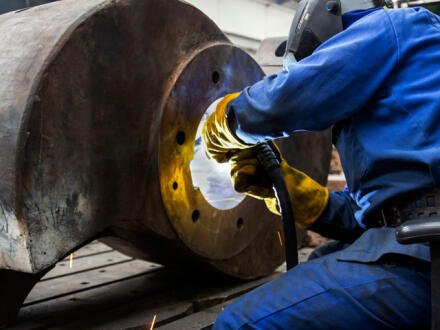
Machining training is not cheap. Tuition, tools, steel-toe boots, safety glasses, gas money, and lab fees can turn a solid plan into a stressful one fast.
That is why North Carolina machining scholarships matter. They can help high school students, community college students, and university students cut thousands of dollars from the cost of trade school or a degree path tied to CNC, manufacturing, or engineering.
North Carolina gives students a strong setup for this search. The state has 58 community colleges, a large manufacturing base, and a steady need for machinists, CNC operators, toolmakers, and advanced manufacturing technicians. According to the U.S. Bureau of Labor Statistics, machinists earned a median annual wage of $53,610 nationwide, while computer numerically controlled tool programmers earned $64,550. That makes the field practical for students who want solid pay without drifting into a huge debt load.
This list focuses on scholarships and funding paths that make sense for students interested in machining, CNC, manufacturing, and nearby technical fields. Some are direct fits. Others are broader North Carolina awards that machining students should absolutely not ignore.
The goal is simple: help students find money that matches where they are now, whether that means high school, dual enrollment, community college, or a university track that leads into advanced manufacturing later.
1. North Carolina Machining Association Scholarships To Prioritize First
Students looking for North Carolina Machining Association Scholarships should start with trade-group awards before anything else. These programs are often a better fit than giant national scholarships because the applicant pool is smaller and the essay prompts usually line up with real shop goals.
A smart first stop is the CNC manufacturing award. It directly connects to machining and manufacturing, which makes it more relevant than a generic merit award. A student who can explain how they plan to move from classroom print reading to CNC setup has a stronger shot here than in a broad scholarship pool with 10,000 applicants.
Another strong option is the Bob R. McGuire award, especially for students with family ties that match the criteria. That kind of connection matters because many association scholarships are built around membership, local industry support, or a family employment history.
Students should prioritize these scholarships first because they often reward:
- Clear trade-school goals
- Hands-on experience in welding, drafting, or machine shop
- Industry ties through parents, teachers, or employers
- Practical writing over flashy personal branding
A strong application usually includes one concrete example. For instance, a student who machined an aluminum part to within ±0.003 inch in class has a much sharper story than someone who simply says they "like working with their hands."
2. Community College CNC And Machining Scholarships Across North Carolina
For many students, community college is the most direct route into machining. North Carolina's community college system includes 58 colleges, and many offer CNC, machining, mechatronics, industrial systems, or manufacturing technology programs.
That matters because North Carolina Machining Scholarships for College often show up at the campus level. A financial aid office may list awards that never rank on big scholarship sites. Program chairs also know which local manufacturers, rotary clubs, and education foundations support technical students.
Colleges such as Martin Community College and Coastal Carolina Community College can be useful examples. Students in machining-adjacent programs there should ask three direct questions:
- Are there department-specific scholarships for industrial or technical students?
- Are there foundation awards with one application for multiple funds?
- Are there tool, book, or lab-fee grants plus to tuition aid?
A good benchmark: even a small $500 to $1,500 campus award can cover measuring tools, textbooks, and part of a semester bill. Two small awards can often do more immediate good than one ultra-competitive state scholarship.
Students should also ask whether GPA rules differ by award. Some machining scholarships accept a 2.5 GPA if the student shows attendance, instructor support, and a strong work plan. That can open doors for capable students whose grades do not fully reflect their shop ability.
3. High School Technical Education Scholarships For Future Machinists
North Carolina Machining Scholarships for High School Students often begin before a student ever enrolls in college. That is good news, because high school seniors can stack scholarship money early and make postsecondary choices with less pressure.
Career and technical education programs are the best launch point. Students taking drafting, manufacturing, engineering, welding, or technology courses should ask their counselor and CTE teacher about local awards. In North Carolina public schools, CTE pathways sit within the statewide structure supported by the public school system, and those programs often connect students with regional industry partners.
A future machinist becomes more competitive when they can point to real technical work, such as:
- A shop project completed from blueprint to final cut
- OSHA or safety training hours
- SkillsUSA participation
- Dual-enrollment coursework in machining or CAD
Specific details help. A student who designed a bracket in CAD, cut it on a school mill, and reduced scrap from 3 failed parts to 1 tells a memorable story.
High school applicants should also stop assuming scholarships only reward perfect grades. Many technical education scholarships care just as much about attendance, work ethic, and whether the student can explain why machining fits their strengths. A precise, grounded application beats a vague one every time.
4. North Carolina Machining Scholarships For High School Students Exploring Dual Enrollment
Dual enrollment can quietly become one of the cheapest ways to start a machining path. In North Carolina, eligible high school students may take community college classes while still in school, which can reduce future tuition and speed up completion.
That makes this category especially useful for students searching North Carolina Machining Scholarships for High School Students. Some awards are not labeled "machining," but they still support early technical coursework, transportation, books, or later enrollment.
A broad planning tool like CFNC helps students compare colleges, costs, and aid options in one place. And students in western counties should look closely at the Western North Carolina foundation pool, since regional scholarship systems often include funds for first-generation, rural, or technical-track students.
Dual-enrollment students should focus on scholarships that reward:
- Early college credits in machining, CAD, or manufacturing
- Clear transition plans into a certificate or associate degree
- Local residency in a county served by a community foundation
- Need-based factors such as transportation or tool costs
One concrete benefit matters here: if a student finishes 12 credit hours before high school graduation, that can remove a full semester of part-time tuition later. That is a real money saver, not just a resume line.
5. First-Year Student Scholarships For Machining, Manufacturing, And Skilled Trades
The first year after high school is when many students miss money they could have won. They assume scholarships are only for seniors, then get busy with placement tests, work shifts, and registration.
But North Carolina Machining Scholarships for first-year students are worth a serious search. Colleges often reserve aid for incoming students because that is when enrollment decisions happen. A first-year machining or manufacturing student may qualify for technical-program awards, general freshman scholarships, and local workforce funds all at once.
Students should look for three layers of funding:
- Admissions-based scholarships tied to GPA or placement
- Program scholarships tied to manufacturing or industrial technology
- Community scholarships tied to county, employer, or family background
A practical example: a first-year student with a 3.1 GPA, Pell eligibility, and a plan to enter CNC technology could combine a campus award, a local civic scholarship, and a tool stipend. That stack might cover books, measuring tools, and several hundred dollars of tuition.
First-year applicants should keep their essays simple. A stronger essay says, "They want to program CNC mills and move into process improvement," instead of "They hope to inspire the future through innovation." One sounds real. The other sounds like it was written five minutes before the deadline.
Deadlines also come early. Some first-year aid closes months before classes start, so students should search during the senior year winter and spring window, not after orientation.
6. North Carolina Machining Scholarships For College Students Already In A Technical Program
Students already enrolled in machining, manufacturing, or CNC should not stop applying after the first semester. In fact, some of the best North Carolina Machining Scholarships for College go to students who have already proved they can handle labs, blueprints, and shop safety.
Once a student has instructor feedback, a transcript, and maybe a completed project portfolio, the application gets stronger. A faculty recommendation that says the student consistently held tolerances within 0.002 inch carries real weight because it points to skill, not just effort.
College students in technical programs should target:
- Department awards from machining or industrial technology programs
- Foundation scholarships tied to persistence or financial need
- Transfer scholarships for students moving into engineering technology
- Workforce grants connected to high-demand fields
This is also where students should document specifics. Good evidence includes attendance rates, shop hours, completed projects, internship tasks, and GPA trends. A student who moved from a 2.6 GPA to 3.3 while working 20 hours a week has a story scholarship committees understand.
And students should ask instructors directly about unadvertised aid. Small memorial funds and employer-backed awards sometimes receive very few applications because they only circulate inside one department email list. Those can be the easiest dollars on campus to win.
7. University Scholarships For Students Entering Advanced Manufacturing And Engineering Pathways
Not every future machinist stays in a pure trade-school lane. Some move from machine technology into industrial engineering, mechanical engineering, manufacturing systems, or engineering technology. That makes North Carolina Machining Scholarships for University especially relevant for students planning a broader path.
Large universities can be a smart fit for students who want to move from operating machines to improving systems. A school such as NC State sits close to major manufacturing and research activity, which helps students build links between shop skills and advanced production work.
University-bound students should search for scholarships tied to:
- Engineering majors with manufacturing relevance
- Transfer pathways from community colleges
- Underrepresented student support in STEM fields
- Need-based aid that can follow technical students into a bachelor's program
Students from Hispanic backgrounds, for example, may find useful overlap through the North Carolina Hispanic fund. That is not a machining-only award, but it can absolutely help pay for a manufacturing-related degree.
The key is not to over-limit the search. If a student wants to work in CNC programming, production engineering, or quality systems, a broader STEM scholarship can still be a machining scholarship in practice. One $2,000 to $5,000 award can cover a big chunk of university fees or housing costs.
8. North Carolina Machining Scholarships For University Students Who Plan To Specialize Later
Some students enter a university without declaring a narrow manufacturing specialty right away. That does not mean they should skip the scholarship search.
Many North Carolina Machining Scholarships for University are really scholarships for future engineers, applied science students, and technical problem-solvers. A student may start in math, physics, engineering, or general studies and then move into manufacturing, materials, or mechanical systems after the first year.
This group should focus on scholarships that reward academic readiness and direction, not just a fixed major title. Good fits often include:
- STEM entry scholarships
- Need-based campus grants
- Scholarships for transfer or exploratory students
- Regional awards that follow students to a four-year campus
A concrete example helps. A student who starts in pre-engineering, completes 8 credit hours of calculus and physics, and later joins a manufacturing pathway is still building toward machining-related work. Scholarship committees usually understand that path if the application explains it clearly.
Students should also mention hands-on experience from before college. A university freshman who spent 120 hours in a high school shop or completed a summer plant internship looks more serious than someone who only lists "interest in engineering." Specialization can come later. Evidence of commitment should show up now.
9. Employer-Sponsored And Apprenticeship Scholarships From North Carolina Manufacturers
Employer money is one of the most overlooked sources of support for machining students. Manufacturers in North Carolina need workers who can read prints, set up equipment, inspect parts, and stay reliable on the floor. Some companies would rather help train a future hire than fight over talent later.
That is why students should ask local employers about:
- Tuition reimbursement
- Paid apprenticeships
- Scholarships tied to employment offers
- Tool or equipment stipends
A small employer-funded package can matter a lot. Even $1,200 for tools and books removes a real barrier for a student who is already paying for calipers, notebooks, transportation, and shop clothing.
Apprenticeships can be even better because they combine wages with training. A student working 24 hours per week in a paid shop role while taking classes may graduate with less debt and better job prospects than a student who waits until the program ends to gain experience.
Students should be direct when asking. They can say they are pursuing CNC, manual machining, or advanced manufacturing and want to know whether the company supports students through tuition help or sponsorship. Short, professional questions often open doors.
And if the company does not have a formal scholarship, HR or plant leadership may still know about a local industry fund or chamber-backed training award.
10. Merit, Need-Based, And Workforce Development Grants That Support Machining Students
Not every useful award says "machining" in the title. Some of the most practical aid comes from general state, merit, and need-based programs that technical students can use just like anyone else.
The Education Lottery award is one example worth checking because broad state aid can lower the remaining bill before department scholarships even get added. Students should also look at regional and statewide programs such as Aubrey Lee Brooks support when their county, income, and enrollment plans match the rules.
These grants and scholarships matter because machining students often have costs beyond tuition:
- Program fees
- Books and online codes
- Metrology tools
- Commuting costs
- Lost work hours from lab schedules
According to the National Center for Education Statistics, grant aid remains one of the biggest factors in reducing out-of-pocket college costs for lower-income students. For a machining student, even $1,000 can cover a full set of required supplies and several weeks of gas.
Students should file aid forms early, respond fast to verification requests, and apply for both merit and need-based money. A student does not need a perfect GPA to qualify. Many awards combine financial need with steady academic progress, and that fits a lot of technical students very well.
11. Local Foundation And Regional Scholarships That Are Easy To Overlook
Local scholarships get ignored because they look small. That is a mistake.
A $750 county scholarship with 35 applicants can be easier to win than a $5,000 national award with 8,000 applicants. And small local awards stack. Three of them can cover a semester's books, tools, and part of tuition.
Regional scholarships often favor students who live in a certain county, attend a certain high school, or show a clear work goal. That gives machining students a real opening, especially if they can point to shop classes, employer interest, or a plan to enter a local manufacturing workforce.
Students in central counties may find relevant options through Triangle-area awards. Students from rural or lower-income areas should also pay attention to hyperlocal funds administered by community foundations, school systems, and local employers.
A good local application includes exact details:
- Current GPA
- Program name
- Expected school or transfer path
- Career target such as CNC setup, quality control, or toolmaking
- One specific project or job experience
That last detail matters. "They built a steel fixture plate and corrected a misalignment of 0.015 inch" is far stronger than "They enjoy technical work."
Where To Search And Compare Scholarship Matches Faster
Students save time when they search in batches instead of one site at a time. A free matching platform can surface regional awards, trade scholarships, and general North Carolina aid in one sitting.
That is where Studentscholarships.org can help. A student can compare categories faster, spot eligibility overlaps, and find scholarships that take only a short application window rather than spending 3 hours opening random tabs.
A fast search routine works well:
- Filter by North Carolina residency
- Add interests like machining, manufacturing, skilled trades, engineering, and CNC
- Save deadlines in one list
- Reuse one polished resume and one main essay
- Ask one teacher and one shop instructor for references early
Students should also set a weekly goal. Even 2 applications every Saturday adds up to more than 100 applications in a year-long search cycle, which is far better than waiting for one "perfect" scholarship.
North Carolina Machining Scholarships - Frequently Asked Questions
What types of scholarships are available for North Carolina machining students?
North Carolina offers machining scholarships including trade association awards, community college program scholarships, technical high school education scholarships, dual enrollment funding, and university scholarships geared toward manufacturing and engineering paths.
How can high school students in North Carolina find machining scholarships?
High school students should explore career and technical education programs, ask counselors for local awards, participate in SkillsUSA, and consider dual enrollment opportunities to earn scholarships supporting machining studies.
Are there specific scholarships for North Carolina community college machining programs?
Yes, many North Carolina community colleges with machining or CNC programs offer departmental scholarships, foundation grants, and tool or lab fee aid that can significantly offset costs.
Can university students pursuing advanced manufacturing receive machining scholarships in North Carolina?
University students focusing on advanced manufacturing or engineering technology can access scholarships tied to STEM fields, underrepresented groups, and transfer or need-based aid relevant to machining careers.
What role do local employers and apprenticeships play in North Carolina machining scholarships?
Local manufacturers often sponsor tuition reimbursement, paid apprenticeships, or scholarships to develop skilled machinists. Apprenticeships provide wages plus training, reducing student debt.
Where can North Carolina students search for a wide range of machining scholarships efficiently?
Platforms like Studentscholarships.org allow students to filter for North Carolina-specific machining, manufacturing, and trade scholarships, helping find and apply to multiple awards efficiently.






