

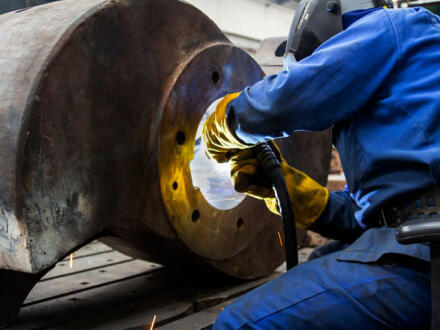
Welding training can lead to solid pay, hands-on work, and steady demand. The catch is cost. Tuition, tools, PPE, books, testing fees, and fuel for the drive to class can stack up fast, even before a student strikes the first arc.
That is why Delaware welding scholarships matter. For many students, the best plan is not one big award. It is a mix of scholarships, grants, school-based aid, and workforce funding that reduces out-of-pocket cost piece by piece.
This guide breaks down 10 practical Delaware welding scholarships and funding paths for high school students, first-year students, community college learners, and university students. It also covers Delaware Welding Association Scholarships, local grants, and federal aid that can work together.
The goal is simple: help students find money they can actually apply for. A student who stacks a $1,000 local award, a school scholarship, and need-based aid can cut a large share of a short-term welding certificate bill. For longer programs, that same stacking approach can reduce borrowing and keep monthly payments smaller later.
Students and families often miss funding because they search too late or only look at one source. This article fixes that. It shows where each type of money usually comes from, who tends to qualify, and how to build a stronger application without making the process feel like a second job.
1. Delaware Welding Scholarships For High School Students Starting Early
Students do not need to wait until graduation to start searching. Delaware Welding Scholarships for High School Students often show up through career and technical education programs, agriculture groups, community foundations, and state-supported career pathways.
Starting early matters because some awards open months before senior spring. A student who begins in the fall can easily find 6 to 12 deadlines instead of scrambling for 2 or 3 late options.
A few strong paths include:
- CTE-related scholarships tied to technical programs
- Local donor funds managed by community foundations
- Agriculture and FFA-linked awards for students with shop or ag mechanics experience
- Career-based aid for students entering high-demand fields
Students in school welding labs should also ask instructors for program-specific leads. Teachers often know which awards are recurring, which essays tend to win, and which local employers quietly support students.
For Delaware-specific options, the career-based scholarship can be relevant for students moving into technical training. Students with FFA experience should also watch FFA scholarship options, since welding and fabrication often overlap with ag mechanics.
A concrete example: a senior with a 3.2 GPA, 180 hours in a school shop, and 1 welding certification can look more competitive than a student with stronger grades but no hands-on track record. In this category, proof of commitment beats vague interest.
2. Delaware Welding Scholarships For First-Year Students Entering Trade School Or College
The first year is when many students face the biggest shock. Tuition deposits, steel-toe boots, gloves, helmets, and lab fees can land in the same month. A basic equipment setup can run $250 to $600, depending on program rules.
That makes Delaware Welding Scholarships for first-year students especially useful. These awards often target students making the jump from high school to a certificate, diploma, or associate program.
First-year applicants should focus on three things:
- Enrollment timing. Some awards require proof that the student has already been accepted.
- Career intent. Committees want to know the student plans to finish training and work in the trade.
- Program fit. Welding, industrial maintenance, pipefitting, and fabrication can all qualify under technical or trade categories.
This is also the stage when general Delaware scholarships can help a welding student, even if the award does not say "welding" in the title. Local memorial funds, civic awards, and family-income grants often accept trade school students.
A smart move is to build a short application calendar with 10 targets: 4 welding-related scholarships, 3 general Delaware scholarships, 2 school-based awards, and 1 workforce grant. That spread gives the student more than one lane.
Students using a free match platform can save time by filtering for trade school awards and local opportunities instead of searching one by one. On a site built for quick applications, a student can often complete a basic scholarship form in under 2 minutes, then spend extra time only on the higher-value essays.
3. Delaware Welding Scholarships For College Students In Certificate And Associate Programs
Students in certificate and associate programs are often the strongest fit for classic welding aid. These learners already picked a direction, and they can show real progress through lab hours, instructor feedback, and safety training.
This is where Delaware Welding Scholarships for College become more concrete. National and trade-linked awards may support students studying SMAW, GMAW, GTAW, pipe welding, fabrication, blueprint reading, or inspection.
One of the clearest examples is the national welding scholarships. Awards like these often favor students in welding engineering technology, welding inspection, and shop-based training programs.
Students should also track awards built specifically for welding education, such as JFLF welding awards. Based on the listing details, that program supports arc welding education, which makes it especially relevant for trade-focused applicants.
A strong associate-program applicant usually brings:
- 1 to 3 completed welding courses
- An attendance record above 90%
- Instructor comments on work ethic and shop safety
- A clear goal, such as structural welding, shipyard work, or aerospace fabrication
A concrete scenario helps. A student at a community college who completed 2 welding classes, passed bend tests, and logged 140 lab hours has better scholarship material than someone who writes only, "I like working with my hands." Committees remember proof.
And yes, general campus scholarships still count. If the money can pay tuition, fees, or supplies, it belongs in the plan.
4. Delaware Welding Scholarships For University Students Pursuing Advanced Technical Degrees
Not every welding student stops at a short-term credential. Some move into engineering technology, manufacturing systems, materials science, construction management, or related technical degrees. That is where Delaware Welding Scholarships for University students enter the picture.
These students may not be in a booth every day, but their work still connects to welding. Think weld design, quality control, metallurgy, automation, and production planning. Those fields matter because employers need people who can bridge hands-on trade knowledge with technical problem-solving.
At larger schools, financing pages often outline grants, scholarships, and work-study in one place. Students comparing costs can use the University of Delaware's degree financing options to map tuition aid before borrowing more than needed.
Women pursuing technical degrees should also review AAUW Delaware awards, especially when their studies connect to engineering, technology, or workforce advancement.
A practical example: a student who welded in high school, earns an associate degree, then transfers into a university engineering technology program can use that story well. It shows a clear line from sparks on the shop floor to technical leadership.
Universities also tend to reward students who can show numbers. Useful details include:
- a 3.4 GPA in technical classes
- 2 internships in fabrication or manufacturing
- 1 capstone project involving weld quality or automated production
That kind of evidence turns a broad application into a focused one.
5. Delaware Welding Association Scholarships And Industry-Sponsored Awards To Watch
If a student wants the most relevant money, industry awards deserve serious attention. Delaware Welding Association Scholarships and similar trade-sponsored programs often value commitment to the field more than polished academic language.
These awards may come from manufacturers, gas suppliers, fabrication companies, trade groups, or donor-backed welding funds. Some are local. Some are national but open to Delaware students.
A strong example is the Women of Gases & Welding award, which connects directly to the welding industry. Another option is the Dennis' Welding scholarship, which fits students planning a tradesperson path.
What makes these awards different?
- They often ask about trade goals, not just GPA.
- They may value shop experience over club lists.
- They can favor students who understand safety, precision, and work ethic.
A welding-focused essay works best when it sounds specific. For example, "She completed 85 hours of FCAW practice and wants to qualify for shipyard structural work" is much stronger than "She likes building things."
Students should also watch employer-backed aid through local fabricators and training partners. In some cases, a company may not advertise a formal scholarship but will reimburse tools, testing, or part of tuition after a hiring commitment. Even $750 for PPE and textbooks can remove a real barrier.
This category rewards students who ask questions. In welding, quiet opportunities often sit just behind one email or one conversation with an instructor.
6. Community Foundation And Local Workforce Grants Available In Delaware
Some of the best money for welding students does not mention welding at all. Community foundations, local trusts, and workforce groups often support residents by county, income level, school district, family background, or career intent.
That matters in Delaware because a student can qualify based on place and need, then use the award for a welding certificate or college program. The community foundation scholarship hub is a strong example of a broad local funding source.
Students should also look at awards tied to local industries, labor groups, and public service families. Even if the scholarship is not trade-specific, it may still cover tuition, books, transportation, or tools.
Typical local funding filters include:
- county or city residence
- first-generation college status
- household income limits
- enrollment in a Delaware school
- career interest in technical or public-need fields
A concrete strategy works well here: apply to 5 local awards under $2,000 instead of chasing only one large scholarship. Five smaller wins can add up faster, and local pools often have fewer applicants.
Workforce grants can also help students who are unemployed, underemployed, or changing careers. Delaware's higher education guide can help families identify state-connected education resources that may sit outside the usual scholarship search.
Local money is rarely flashy. But it is often less crowded, and that alone makes it valuable.
7. Scholarships Through Technical Schools, Community Colleges, And Training Centers
Students sometimes ignore the school itself while hunting for outside aid. That is a mistake. Technical schools, community colleges, and training centers often control institutional scholarships, emergency grants, tool assistance, and tuition payment plans.
For welding students, school-based aid is practical because it can match the real costs of training. A program may help with lab fees, helmets, coupons for books, or certification testing.
Training centers can also be more direct about job outcomes. For example, the ETI skilled trades programs highlight trade training pathways that align with welding career goals. That matters for students who want a faster route into the workforce.
When students talk with admissions or financial aid staff, they should ask 5 exact questions:
- Is there a department scholarship for welding or skilled trades?
- Are there completion grants for students close to finishing?
- Does the school offer tool vouchers?
- Are certification exam fees covered anywhere?
- Is there a monthly payment plan with low or no interest?
A real example: a student might miss a $500 internal award simply because it required a separate one-page form after admission. That happens a lot.
This path works especially well for first-year and certificate students because schools can move faster than outside foundations. If a funding gap is $900, a campus emergency fund or department award may solve it in days, not months.
8. Federal And State Aid That Can Be Combined With Welding Scholarships
Scholarships are only one piece of the bill. Most students should also file for federal and state aid, because grants can combine with Delaware welding scholarships and reduce how much the student needs to borrow.
The basic stack usually includes:
- federal grants
- state grants
- school-based aid
- work-study, if offered
- outside scholarships
This matters because grants often hit the account first, then scholarships fill remaining gaps like books, tools, or part of tuition. Students who skip the aid forms can lose access to thousands of dollars.
For Delaware families, the state education agency and state higher education resources explain core aid channels and eligibility steps. University students should also compare campus-specific aid pages, such as Delaware State University's financial aid information, when weighing school options.
Students searching on scholarship platforms may also spot general awards like the trust fund scholarship, which can fit Delaware residents in approved education paths.
A practical rule helps here: file the aid forms first, then layer scholarships on top. A student with a $4,000 tuition balance after grants is in a much better position than a student trying to cover the full $8,500 sticker price with scholarships alone.
This is the section families should treat like paperwork with a payday attached. Because, honestly, that is what it is.
9. How To Build A Strong Welding Scholarship Application
A strong welding scholarship application does not try to sound fancy. It sounds real. Committees want evidence that the student will finish training, use the money well, and contribute to the trade.
The best applications usually share 3 traits: clear career goals, proof of hands-on effort, and specific examples. A student who mentions 120 lab hours, one AWS-guided project, and a plan to become a pipe welder gives readers something solid to trust.
Students should also avoid the "generic scholarship essay" problem. If the essay could work for nursing, business, and welding with no edits, it is too broad.
Application Materials That Matter Most
The highest-value materials are usually simple:
- A focused essay with a career goal and a reason for choosing welding
- A resume listing certifications, shop classes, part-time work, and volunteer projects
- One strong recommendation from a welding instructor, CTE teacher, or employer
- A transcript that shows consistency, not just top grades
Specific details help. "He rebuilt a trailer gate and corrected a warped hinge with three tack-weld passes" paints a picture. "He likes welding" does not.
Students can also use scholarship search tools to widen the pool. A platform with broad scholarship listings makes it easier to sort by trade, location, and education level without opening 30 browser tabs.
One more thing: submit clean files. A PDF named Jasmine-Lopez-Welding-Essay.pdf looks better than finalessay2reallyfinal.docx.
10. Common Mistakes That Cause Students To Miss Delaware Welding Funding
Most students do not lose funding because they are unqualified. They lose it because they miss simple steps. In Delaware welding scholarships, the same errors show up again and again.
The biggest mistakes are:
- Missing deadlines by 1 or 2 days
- Applying for awards they do not qualify for
- Sending generic essays with no welding details
- Forgetting signatures or transcripts
- Ignoring small local awards worth $500 to $1,500
Those smaller awards matter. Three local scholarships at $1,000 each cover $3,000, which can pay a large chunk of a short certificate program or most tool and fee costs.
Another common problem is assuming one rejection means the whole search failed. Scholarship math does not work that way. A student may submit 12 applications, lose 9, win 2, and land 1 waitlist. That is still a useful result.
Where To Track Deadlines And Verify Eligibility
Students need one system, not scraps of paper. A spreadsheet with 6 columns works well: award name, amount, deadline, requirements, status, and contact email.
They should also verify details on official school, foundation, and scholarship pages before submitting. If an award asks for full-time enrollment and the student plans 8 credits, that mismatch matters.
Counselors, welding instructors, and financial aid staff can help verify fit. So can scholarship search platforms that organize filters by state, school type, and field of study. The students who win most often are not always the most brilliant. They are usually the most organized.
Delaware Welding Scholarships: Frequently Asked Questions
What types of Delaware welding scholarships are available for high school students?
High school students in Delaware can access welding scholarships through career and technical education programs, agriculture groups like FFA, local community foundations, and state-supported career pathways, helping them start funding early before graduation.
How can first-year welding students in Delaware find financial aid?
First-year students can benefit from scholarships targeting new trade students, including welding-related awards, general state scholarships, school-based grants, and workforce funding, which can help with tuition deposits, PPE, and lab fees.
Who qualifies for Delaware Welding Association Scholarships and industry-sponsored awards?
These scholarships often prioritize students committed to welding trades over just academic performance, valuing shop experience, safety knowledge, and clear career goals in welding and related trades, with some awards open to Delaware residents.
What should Delaware welding college students include in their scholarship applications?
Applicants should highlight completed welding courses, attendance records, instructor recommendations, lab hours, and specific career goals such as structural welding or fabrication to strengthen their scholarship submissions.
Can Delaware university students pursuing advanced technical welding degrees receive scholarships?
Yes, students in fields like welding engineering technology, materials science, and manufacturing systems can find scholarships that support their advanced studies and bridge hands-on welding skills with technical problem-solving.
How can students combine federal, state, and Delaware welding scholarships to reduce education costs?
Students should first file for federal and state grants which often apply directly to tuition, then layer Delaware welding scholarships and local or school-based aid to cover remaining costs like tools and books, minimizing loans and out-of-pocket expenses.







