

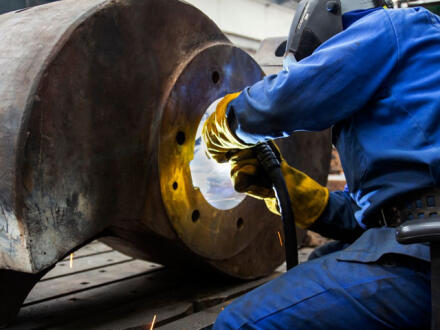
Welding training can lead to solid pay, steady demand, and work that feels real at the end of the day. But tuition, tools, boots, fees, and transportation can hit hard before a student ever strikes an arc. That is why Connecticut welding scholarships matter so much for high school seniors, current college students, and adults starting over.
In simple terms, Connecticut welding scholarships are grants, scholarships, employer awards, union funds, and training support that reduce what a student pays out of pocket for school. Some awards go straight to tuition. Others help with books, equipment, certification tests, or short-term trade programs.
The good news is that students in Connecticut are not stuck with one funding source. A welding student might stack school aid, a local foundation scholarship, a national welding award, and employer-sponsored help in the same application season. According to the National Center for Education Statistics, the average annual cost of attendance at public institutions includes thousands of dollars beyond tuition alone, which is why even a $500 award can cover a helmet, gloves, and lab fees instead of going on a credit card.
This list walks through 9 practical funding paths. It focuses on where students can actually look, who usually qualifies, and how each option fits students searching for Connecticut Welding Scholarships for High School Students, college, university, and first-year programs.
1. Connecticut Technical Education And Career System Scholarships For Welding-Bound High School Students
Students in the Connecticut Technical Education and Career System often have the clearest early path into welding. These schools already serve teens who want hands-on training, so their counselors usually know about Connecticut Welding Scholarships for High School Students before the general public does.
A strong example is scholarship support tied to technical or career-focused study through school counseling offices, local donor funds, and statewide trade opportunities. Students who have shop experience, solid attendance, and a clear postsecondary plan often stand out fast.
A practical strategy is to ask for three things at once:
- the school scholarship list
- local foundation applications
- trade-specific award leads from welding instructors
That matters because deadlines can hit early. A student who submits four applications instead of one can multiply the odds without multiplying tuition.
Who Should Apply And What Schools Commonly Qualify
These options usually fit juniors, seniors, and recent graduates from technical high schools or public high schools with career programs. Welding-bound students planning to attend a community college certificate, associate degree, or trade program are often the best match.
Common qualifying situations include:
- students from CTECS campuses with welding or metalworking exposure
- high school seniors entering a skilled-trades program
- students with FAFSA-based need
- students with teacher or shop supervisor recommendations
For example, a student with a 3.1 GPA, 94% attendance, and 180 documented shop hours may beat out a higher-GPA student who has no trade direction at all. Reviewers often like proof that the applicant will actually use the award.
Some students also pair school-based awards with broader career resources through scholarship search tools such as trade scholarship listings, which can help them spot smaller welding or technical awards they would otherwise miss.
2. Community College Awards That Fit Connecticut Welding Scholarships For College
For many students, community college is the most direct route into welding. Tuition is usually lower than at a four-year school, and many programs connect to local employers fast. That makes this category central to Connecticut Welding Scholarships for College.
Students should look at three buckets of aid on every campus:
- institutional scholarships
- foundation awards
- program-specific workforce grants
A campus financial aid office may package these together, but students should not assume that happens automatically. Some awards need a separate form, a short essay, or proof of enrollment in a manufacturing or welding track.
A realistic example: if tuition and fees total $4,600, a $2,000 campus scholarship plus a $1,200 need-based grant cuts the bill to $1,400 before books. That can turn a maybe into a yes.
Connecticut-based regional funds can also help students attending two-year programs. Students from central Connecticut may find local matches through community foundation aid, while students in the eastern part of the state may qualify for regional scholarship pools.
The key move is simple: apply both through the college and outside the college. Many students stop after FAFSA. That leaves real money sitting on the table.
3. University-Based Skilled Trades Aid For Students Seeking Connecticut Welding Scholarships For University
University funding sounds less obvious for welding, but it still matters. Some students pursue industrial technology, manufacturing, engineering support fields, construction management, or technical education after trade training. For them, Connecticut Welding Scholarships for University can support the next step instead of the first.
University aid can come from general institutional grants, donor scholarships for technical majors, and special funds tied to workforce preparation. A student who starts at a community college and transfers later may qualify for transfer aid plus merit-based support.
At a large public institution, students can review broader aid systems through the UConn financial aid office and compare them with academic pathways at the University of Connecticut. That matters because a welding student might shift into engineering technology, safety management, or technical instruction while still using past shop experience as a core strength.
State universities can also be worth a look when a student wants a bachelor's degree connected to industry or education. Schools such as Western Connecticut State University may not market themselves as welding schools, but they can still be part of a funding ladder for students building a longer technical career.
One concrete example: a student who finishes a welding certificate, works for 18 months, and returns for a technical education degree may qualify for university grants that reduce annual costs by several thousand dollars. The welding path does not have to stop at the torch.
4. Connecticut Welding Association Scholarships And Industry-Sponsored Awards
Association and employer-backed scholarships are often the most targeted money on the board. They are built for trade students, so the applicant pool is smaller than the giant national general-scholarship crowd. That gives students pursuing Connecticut Welding Association Scholarships a real edge.
These awards may come from welding groups, fabrication companies, gas suppliers, trade foundations, and construction industry partners. Some focus on women entering welding, some on certification pathways, and some on students with plans to work in a specific trade segment.
A strong example is the women in welding award, which can be especially relevant for female students entering a field where women remain underrepresented. According to the U.S. Bureau of Labor Statistics, women make up a small share of welding, soldering, and brazing workers, so targeted awards can make a real difference.
Students should also watch construction and skilled-trades groups in the state. Some industry-linked awards, like construction-related scholarships, can fit a welding student whose training supports infrastructure, steel work, or jobsite fabrication.
Where To Look For Association Deadlines And Member Requirements
The best places to check are:
- association scholarship pages
- local chapter newsletters
- instructor bulletin boards
- career center email alerts
- trade event handouts
Member rules vary a lot. One award may require student membership. Another may accept children of members. Another may only ask for enrollment in a welding program and a recommendation letter.
Deadlines also move earlier than students expect. A good habit is to build a spreadsheet with the award name, amount, due date, essay length, and whether transcripts are required. Even a 15-minute tracker can prevent a missed $1,500 opportunity.
5. First-Year Merit And Need-Based Aid For New Welding Students
First-year students often think scholarships are only for top academic performers. That is not true. Many schools package aid for brand-new trade students using both merit and financial need. This is one of the most practical categories for Connecticut Welding Scholarships for first-year students.
Merit can mean more than GPA. In trade admissions, schools may also care about attendance, shop performance, work history, teacher recommendations, and evidence that a student will complete the program. Need-based aid, of course, usually starts with FAFSA data.
A basic example helps. If a first-year welding student receives:
- $1,500 in institutional merit aid
- $2,200 in need-based grant support
- $800 from a local donor award
that is $4,500 removed from the bill before work-study or payment plans enter the picture.
Some general Connecticut awards can help first-year students if they fit the applicant's background. That might include union-linked state scholarships or access-based aid such as education support funding.
How Connecticut Welding Scholarships For First-Year Students Are Usually Packaged
In many cases, the package comes together from several small parts rather than one huge check. Students may see:
- automatic merit offers after admission
- separate foundation applications
- Pell Grant eligibility
- workforce or certificate support
- outside scholarships added after acceptance
The students who do best usually submit everything early and respond fast when documents are requested. A missing tax form can delay aid by weeks, and that delay can affect class registration, tool purchases, and even whether a student starts on time.
6. Workforce Development Grants For Adult Learners And Career Changers
Adult learners often have the strongest reason to pursue welding. They want faster entry into paid work, clearer job demand, and a skill that travels. For that group, workforce grants can be more valuable than classic scholarships because they are built around retraining.
These programs may come through state workforce systems, job centers, employer partnerships, and short-term training support. Some cover tuition. Others pay for books, gear, transportation, or certification testing.
A common real-life scenario looks like this: a laid-off warehouse worker enters a 24-week welding program, receives grant help for tuition, and keeps only the cost of boots, commuting, and child care. That shift can lower the upfront bill by thousands of dollars.
Adult students should ask about:
- workforce innovation funds
- dislocated worker support
- veteran-connected education benefits
- manufacturing training grants
- employer reimbursement programs
Regional schools can also connect career changers to local opportunities. Institutions such as Eastern Connecticut State University and Southern Connecticut State University sit inside larger state education networks that often connect students to advising, transfer options, and local aid information, even when the first step is not a traditional four-year plan.
For adult applicants, the strongest essay usually explains the job goal in plain language. "They want to earn AWS certifications and move into pipe or structural welding within 12 months" is much stronger than "they are interested in trades." Specific beats vague every time.
7. Apprenticeship And Union Training Funds That Reduce Out-Of-Pocket Costs
Apprenticeship funding is one of the smartest ways to cut school costs while staying close to paid work. Instead of paying full tuition up front and hoping a job follows, students train inside a structure that often includes wage progression, classroom instruction, and employer-backed support.
For welding students, that can show up in ironworker, pipefitter, boilermaker, sheet metal, manufacturing, or maintenance tracks. Some programs cover related technical instruction. Some reimburse part of the cost after benchmarks are met.
The money benefit can be huge. If a student earns while training, even at a starter wage, that may offset commuting, tools, and living expenses in a way a one-time scholarship cannot. A student earning $20 per hour for 30 hours a week brings in about $600 weekly before taxes. That changes the math.
Union and trade-related awards may also support applicants before or during apprenticeship entry. For example, applicants with family, service, or community ties may fit American Legion scholarships or civic awards like the Connecticut JCI Senate program.
Students should ask each apprenticeship office four direct questions:
- Are classroom costs covered?
- Are books or safety gear included?
- Is there a waiting list?
- When does paid work begin?
Those answers matter more than a glossy brochure. A "free" training path is not really free if the student waits 10 months with no income.
8. Local Foundation And Regional Scholarship Programs Across Connecticut
Local money is often the least crowded money. Students skip it because the awards look small, but those smaller awards can stack fast. Three $1,000 checks can cover a term of tuition at a short trade program or buy every major welding tool needed for the first semester.
Community foundations, civic groups, employers, memorial funds, and county-level scholarship programs all belong here. They often prefer local applicants, which means a student from the right town starts with better odds than in a nationwide pool of 5,000 applicants.
The Connecticut Community Foundation is one example of a regional funder supporting education in its service area. Localized programs like that matter because they often know the employers, schools, and workforce needs in specific Connecticut communities.
Students should also ask counselors about:
- town scholarship books
- rotary or chamber awards
- memorial trade scholarships
- local labor council support
- family employer scholarship programs
A sharp example: one student from Waterbury might combine a regional foundation award, a memorial trade scholarship, and campus aid to close a $3,200 gap without borrowing. That is not rare. It happens when students apply locally instead of only chasing giant national awards.
The best local applications use place-based detail. Saying "they grew up in New Britain and want to work in commercial fabrication in Hartford County" gives reviewers a clearer picture than generic goals do.
9. National Welding Scholarships Connecticut Students Should Not Overlook
Students searching only inside Connecticut can miss some of the strongest funding available. National welding scholarships often have bigger award amounts, stronger name recognition, and direct ties to the trade itself.
The best-known option in this space is often the American Welding Society network. Students can start with the national AWS awards page, which is relevant because AWS scholarships are among the most recognized funding sources for welding education.
Other trade-focused options may fit students in certificate programs, associate degrees, or hands-on technical training. Programs such as JFLF welding awards and the Glenn W. Oyler scholarship can broaden the pool beyond state-only opportunities.
Students should pay close attention to national applications because they often ask for slightly different materials:
- proof of welding program enrollment
- instructor recommendations
- short career statements
- GPA minimums
- financial need details
One concrete edge: if a student applies to 12 scholarships and four of them are national welding awards, that student is not competing in only one lane. They are building several shots at the same goal.
National programs also help on a resume. A recognized welding scholarship can signal seriousness to instructors, apprenticeship coordinators, and employers before the student ever completes the first certification test.
Connecticut Welding Scholarships - Frequently Asked Questions
What types of Connecticut welding scholarships are available for high school students?
Connecticut offers welding scholarships for high school students through technical education systems, local foundation funds, and trade-specific awards. These scholarships often require shop experience, good attendance, and a clear postsecondary plan and can cover tuition, books, and equipment.
How can community college students in Connecticut find welding scholarships?
Welding students at Connecticut community colleges should explore institutional scholarships, foundation awards, and program-specific workforce grants. Many colleges offer separate applications for trade funding, so applying both through the school and external sources can maximize financial aid.
Are there welding scholarships available for university students in Connecticut pursuing technical degrees?
Yes, university students in Connecticut can find scholarships for welding-related studies such as industrial technology or manufacturing. Institutions like the University of Connecticut and Western Connecticut State University offer grants and scholarships supporting students building longer technical careers.
What role do industry associations and unions play in Connecticut welding scholarships?
Associations, unions, and employers offer targeted scholarships for welding students, including women in welding awards and construction-related scholarships. Union apprenticeships also provide training funds and wage progression, reducing out-of-pocket costs significantly.
How can adult learners or career changers access welding training scholarships in Connecticut?
Adult students can apply for workforce development grants, dislocated worker support, and manufacturing training funds often provided by state workforce systems and job centers. These grants help cover tuition and certification costs and support rapid entry into welding careers.
Where can I find national welding scholarships that Connecticut students are eligible for?
Connecticut welding students can apply for national scholarships such as those offered by the American Welding Society and JFLF Welding Awards Program. These scholarships often require proof of enrollment, recommendations, and career statements and provide strong financial and resume support.







