

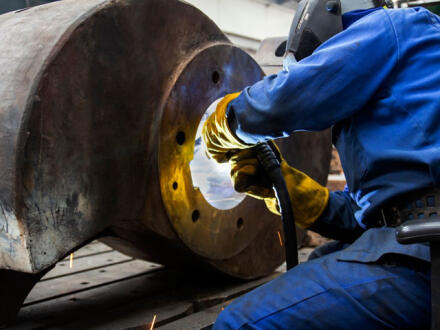
Welding training can lead to solid pay, but the price of school still hits hard. Tuition, lab fees, steel-toe boots, helmets, books, gas money, and lost work hours can turn a short certificate into a real financial problem.
That is why Alabama welding scholarships matter. They can cover part of tuition, reduce tool costs, or make it possible for a student to stay in school instead of dropping hours or taking on debt.
For students in Alabama, the good news is simple: funding does not come from one place. It can come from high schools, community foundations, workforce grants, trade associations, colleges, universities, and national welding groups. Some awards are built for seniors in career tech programs. Others are meant for first-year students, community college students, or people moving into engineering and manufacturing tracks.
This guide breaks the search into 7 practical funding paths. Each one explains who it fits, where students can look, and what makes an application stronger. The goal is not to promise one magic scholarship. The goal is to show how students can stack smaller and larger awards until school feels possible.
For many students, that stack is what changes everything: a $500 local award for gloves and books, a $1,500 school scholarship for tuition, and a grant that cuts another $2,000 from the bill. That kind of mix can turn a "maybe later" plan into a start date.
1. Alabama Welding Scholarships For High School Students Starting Early
Students do not need to wait until graduation to look for money. Alabama Welding Scholarships for High School Students often start at the local level, and local awards can be easier to win because the applicant pool is smaller.
A senior in a welding or career tech program may be competing against 40 students in one county, not 4,000 students across the country. That alone changes the odds.
Common early funding paths include:
- High school career tech center awards
- Local employer scholarships from fabrication or construction firms
- Community foundation scholarships
- County education foundation grants
- Civic group awards tied to trades, service, or workforce goals
Students should also ask welding instructors for a list of past winners. If a school gave out 6 trade scholarships last spring, that history matters more than a random internet search.
One practical example: a student from central Alabama might pair location-based funding with a trade goal. A page like local scholarship listings can help surface awards tied to region, not just GPA.
Military-family students should also look at programs such as the state legion scholarship, which may support Alabama seniors with broader eligibility than welding-only awards.
A strong early strategy is simple. Start in the fall semester, build a spreadsheet, and apply before the spring rush. Missing a February deadline by 1 day still means $0.
Where To Find Local Career Tech, Community Foundation, And School-Based Awards
The best local scholarship search usually starts offline. Students should ask three people first: the welding teacher, the school counselor, and the career tech director.
Those three often know about awards that never show up in big scholarship databases. Some are funded by local contractors. Some are memorial awards worth $500 to $2,500. Some only go to students from one county or one technical center.
Community foundations matter here. The Community Foundation of South Alabama and the Central Alabama Community Foundation both connect donors with education funding, and students can often find scholarship cycles tied to place, need, or career goals.
Students should search for these exact terms:
- county name + scholarship foundation
- city name + education foundation
- career tech scholarship Alabama
- graduating senior trade scholarship
A concrete rule helps: if a student finds 12 local awards and applies to 8, that is usually better than spending 12 hours chasing one huge national prize. Local committees also like clear evidence. Photos of class projects, OSHA cards, SkillsUSA activity, and attendance records can make a trade student feel real, not generic.
2. Alabama Welding Scholarships For First-Year Students Entering Trade Or College Programs
The jump from high school to a welding program is where many students lose momentum. Alabama Welding Scholarships for first-year students help fill that gap between acceptance and the first tuition bill.
First-year applicants should look at three buckets:
- trade-specific scholarships
- college or technical school entrance awards
- general workforce scholarships that allow skilled trades
This matters because many welding students miss money by searching only for the word "welding." A construction scholarship, manufacturing award, or workforce development grant may still apply if the training leads to a skilled trade credential.
For students entering arc welding, pipe welding, or related programs, this welding awards program is the kind of targeted opportunity worth tracking early.
Women entering the field should also look closely at scholarships aimed at representation in industrial careers. Programs such as the women in welding award can speak directly to students stepping into a field where women still make up a smaller share of workers.
That detail matters. According to U.S. labor data, women remain a minority in many production and construction roles, so scholarships built for entry and retention can be especially useful.
A first-year applicant usually stands out by showing direction. A student who writes, "I want to complete a structural welding certificate and work in industrial maintenance within 18 months," sounds far stronger than someone who says, "I like working with my hands."
Application Materials That Help First-Year Applicants Stand Out
Most first-year scholarship applications ask for the same core items. The students who win do not always have perfect grades. They usually submit sharper proof.
Helpful materials include:
- a 1-page resume with shop, volunteer, and work history
- one short essay with a clear training and job goal
- 1 to 2 recommendation letters from instructors or employers
- transcripts or dual-enrollment records
- industry certifications, if any
- photos or descriptions of welding projects
Specific beats vague every time. A better essay says, "She completed 146 lab hours, maintained a 94 average in shop, and welded a trailer gate using MIG and stick processes." That gives a committee something solid.
A quick checklist also helps first-year students avoid easy mistakes:
- match the essay to the award
- use the program name correctly
- answer every prompt
- submit before the deadline, not 10 minutes before
If a student uses a free search platform like StudentScholarships.org, the advantage is speed. A shorter application flow can save 20 to 30 minutes per award, which means more applications sent before deadlines close.
3. Alabama Welding Scholarships For College Students In Community College Welding Programs
Community colleges are one of the strongest routes for Alabama Welding Scholarships for College students. They often offer lower tuition than four-year schools, and many welding programs connect directly to local employers.
That lower sticker price still adds up. A 2-semester program can include tuition, fees, PPE, books, welding jackets, testing costs, and transportation. Even when tuition is manageable, tools can knock a student sideways.
This is where school-based and donor-funded awards become important. Some colleges package help through foundation offices. Others offer department-level aid tied to technical programs, grades, attendance, or need.
Students should ask these 4 questions at the financial aid office:
- Are there program-specific welding scholarships?
- Are there donor scholarships for technical students?
- Are workforce grants available for short-term credentials?
- Can outside scholarships reduce out-of-pocket costs instead of institutional aid?
Construction-linked awards can also apply when the student's training supports building trades. This AGC scholarship page is a good example of a related funding lane Alabama students should not ignore.
Another overlooked category is memorial or technical scholarships that support hands-on programs beyond a narrow welding label. A listing such as the technical memorial award shows how students can widen the search without drifting off target.
Specific numbers matter when students plan. If a scholarship covers $1,250 and required gear costs $780, that award does more than "help." It can fully cover PPE and still leave $470 for fees or fuel.
Community college students should also ask faculty about employer partnerships. In many areas, a fabrication shop would rather sponsor a student for $1,000 than spend weeks recruiting from scratch later.
4. Alabama Welding Scholarships For University Students In Welding, Engineering, And Skilled Trades Pathways
Not every welding-focused student stays in a certificate track. Some move into welding engineering, industrial technology, manufacturing systems, construction management, or mechanical fields. That is where Alabama Welding Scholarships for University students come into play.
In these cases, the funding may not use the word "welding" at all. It may be tied to steel, manufacturing, industrial operations, energy, or engineering support.
Students attending four-year schools in Alabama should search both university aid pages and related industry scholarships. Schools such as the University of Alabama, Alabama A&M University, and Auburn financial aid office all have financial aid structures that can combine institutional support with outside awards.
A student studying materials, manufacturing, or a welding-adjacent field should also look at industry-specific options like steel scholarships. That kind of award can fit students aiming for careers in mills, fabrication plants, quality control, or industrial production.
Here is the key shift at the university level: committees want a clearer career story. "He wants to work in aerospace manufacturing" or "she plans to move from welding inspection into mechanical engineering" makes sense to reviewers.
The money can be meaningful. A $2,000 outside award combined with a departmental grant and federal aid can reduce the need for student loans by several thousand dollars across one school year.
How University-Adjacent Manufacturing And Workforce Scholarships Can Apply
University students often miss scholarships because they sort by major too narrowly. A welding-adjacent student may qualify for manufacturing, energy, construction, steel, or workforce pipeline funding.
That broader search works best for students in majors such as:
- industrial engineering technology
- construction science
- manufacturing engineering
- mechanical engineering
- workforce education and training
Students at schools such as the University of North Alabama or the University of West Alabama should search foundation scholarships, departmental aid, and regional workforce grants alongside general university awards.
A good application explains the bridge between welding and the degree path. For example: "She earned a welding certificate, worked 18 hours per week in a fab shop, and is now pursuing engineering technology to move into inspection and process improvement." That path sounds believable because it is concrete.
And employers like that path. The American Welding Society has long pointed to workforce demand in welding and related fields, especially as experienced workers retire. Students who connect technical training to production, safety, and manufacturing needs can look strong to both scholarship committees and hiring managers.
5. Alabama Welding Association Scholarships And Industry-Sponsored Opportunities To Watch
Trade associations and industry groups are some of the best places to look after local school awards. Alabama Welding Association Scholarships and similar industry-sponsored opportunities can come from welding groups, contractor associations, steel organizations, or union-related training funds.
These awards often favor students who show real commitment to the trade. That can mean shop hours, competition work, apprenticeships, part-time industry jobs, or clear plans to stay in welding.
The best part is that industry groups tend to understand the field. A committee made up of people from fabrication or construction knows what a welding hood, bend test, or cert prep class actually means.
Students should watch for awards from:
- state and regional welding associations
- American Welding Society scholarship channels
- construction and builders groups
- steel and manufacturing organizations
- union training funds
- local employers with workforce pipelines
National organizations can also support Alabama residents directly. A listing such as AWS national awards belongs on almost every serious welding student's list.
Employer-backed trades awards matter too. A page like the tradesperson scholarship shows the kind of industry-funded support students should watch for, even when the donor is not based in Alabama.
A realistic target is 10 to 15 applications across local, state, school, and national sources. That spread gives students more chances than waiting on one "perfect" scholarship.
How To Track Trade Associations, Fabrication Companies, And Union Awards
Students should build a tracking system. Nothing fancy. A phone note or spreadsheet works.
Useful columns include:
- award name
- deadline
- amount
- eligibility rules
- essay needed
- recommendation needed
- status submitted/not submitted
This matters because trade awards often open and close fast. A student might spot an award with a 21-day window and miss it while still polishing an essay for something else.
Another smart move is to follow fabrication companies and contractor groups on social media and sign up for scholarship alerts where possible. Smaller employers sometimes post a $1,000 or $2,500 scholarship only once, usually during hiring season.
Union paths can be helpful too, especially when apprenticeships connect to classroom hours. Students should ask local training centers whether awards cover books, safety gear, or testing fees. Even a $600 gear grant can keep a student from putting supplies on a credit card.
6. School-Specific Alabama Welding Scholarships Through Colleges, Technical Schools, And Workforce Grants
One of the most practical funding paths is the school itself. Colleges, technical schools, and workforce offices in Alabama often have money that never gets labeled clearly as a welding scholarship but still works the same way.
This bucket can include:
- foundation scholarships at the college
- program scholarships from technical departments
- state or regional workforce grants
- need-based aid tied to enrollment intensity
- completion grants for students close to finishing
Students should not stop at the main scholarship page. The best money is often found by asking the welding department chair, technical dean, workforce office, and financial aid staff the same question: What funding do welding students actually use here?
That question gets better answers than "Are there scholarships?"
Related industry awards can fit here too. For students whose welding path overlaps construction, builders scholarships may support a trade or technical education route even if the program title varies by school.
Energy and utility-connected awards can also matter, especially for students entering industrial maintenance or fabrication paths. Electric authority scholarships are worth a look when eligibility lines up.
A simple example: if a college foundation award covers $1,800, a workforce grant adds $1,200, and a local donor scholarship adds $750, that is $3,750 off the bill. For many short-term technical programs, that can cover most direct school costs.
Students should ask one last question before accepting aid: does an outside scholarship reduce loans first, or reduce school grant money first? That answer can change which award is most valuable.
7. National Welding Scholarships Alabama Students Can Use At In-State Schools
Students do not have to limit the search to Alabama-only awards. National welding scholarships Alabama students can use at in-state schools are often some of the biggest opportunities on the board.
Many national scholarships can be used at approved colleges, technical schools, or university programs inside Alabama. That means a student can stay close to home and still access a larger funding pool.
National awards often look for:
- enrollment in an eligible welding or welding-related program
- proof of technical ability or interest
- recommendations from instructors
- a clear education plan
- sometimes financial need
Some memorial and donor-backed programs are broad enough to support students in technical pathways beyond one exact course title. Listings such as the Howell memorial award or the Hastings scholarship show why students should read eligibility rules line by line instead of self-rejecting too early.
The main advantage of national awards is scale. A local scholarship might draw 35 applicants. A national one may offer more money, stronger name recognition, and better stacking options with school aid.
The downside is competition. So students need proof, not fluff. A resume with 220 lab hours, one weld certification, and a supervisor letter carries weight.
How To Combine National Awards With Alabama-Based Financial Aid
The best plan is stacking. That means mixing aid from different levels without breaking school rules.
A student might combine:
- one national welding scholarship
- one Alabama-based local scholarship
- one institutional award from the school
- Pell Grant or other federal aid, if eligible
- a workforce grant for tools or tuition
Students should ask the financial aid office for the school's outside scholarship policy before the money arrives. Some schools apply outside awards to unmet need first. Others may adjust part of the package.
A concrete scenario makes this easier to picture. If tuition and fees are $5,400, tools and PPE are $950, and transportation for the term is $600, total core cost is $6,950. A $2,000 national award, $1,500 school scholarship, and $1,200 grant cut that to $2,250 before any family payment plan.
That is why students should apply across categories, not one at a time. Stacked aid changes the math fast.
Alabama Welding Scholarships Frequently Asked Questions
What types of scholarships are available for high school students pursuing welding in Alabama?
High school students in Alabama can access local career tech center awards, community foundation scholarships, employer-funded scholarships from fabrication or construction firms, and civic group awards tied to trades and workforce goals. Early application and local focus improve chances.
How can first-year Alabama students entering welding programs strengthen their scholarship applications?
First-year students should submit a clear, goal-oriented essay, a one-page resume covering shop and work experience, recommendations, transcripts, and photos of welding projects. Matching essay content to scholarship prompts and applying early also help raise their chances.
Are there specific scholarships for women entering the welding trade in Alabama?
Yes, scholarships like the Scholarship Application - Air Products Women of Gases & Welding Scholarship support women representing industrial careers, helping address their underrepresentation in welding and related fields.
Where can community college welding students in Alabama find financial aid and scholarships?
Community college students should check school foundation offices, welding departments, and workforce grants. Employer partnerships and awards like the Scholarship Application - Alabama AGC Scholarships also provide key funding options to cover tuition and equipment.
What options exist for Alabama university students studying welding-related engineering and trades fields?
University students can pursue scholarships tied to manufacturing, industrial operations, construction science, and engineering. Institutions such as University of North Alabama and University of West Alabama offer institutional aid alongside industry scholarships like steel or workforce grants.
How can Alabama welding students combine local, school, and national scholarships effectively?
Students should stack awards from different sources, such as a national welding scholarship like the Scholarship Application - American Welding Society National Scholarships, local community foundation awards, and institutional aid from schools like Auburn University’s Financial Aid and Scholarships. Confirm each school’s policy on applying outside scholarships to maximize benefit.







