

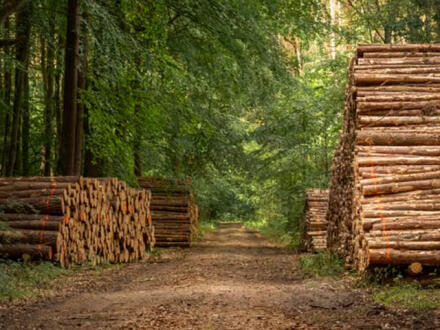
Paying for a forestry degree can feel like trying to carry a log stack uphill. Tuition, fees, tools, housing, and fuel add up fast. For students interested in logging, timber harvesting, wood products, forest management, or equipment-heavy field work, the good news is simple: North Carolina Forest Operations Scholarships can cover part of the bill, and they work even better when combined with grants, campus aid, and paid internships.
This guide breaks the topic into 10 real funding paths. Some are association awards. Some support high school seniors. Others help first-year students, community college students, or university students moving into advanced forestry training. A student who stacks several smaller awards can sometimes beat one big scholarship. For example, a $1,000 local award, a $500 industry scholarship, a campus grant, and work-study can cut a semester bill by several thousand dollars.
The article also points out where students can widen the search. That matters because the average published tuition and fees at public four-year schools are much lower for in-state students than for out-of-state students, according to the College Board, but housing, books, and transportation still push total cost much higher. In other words, the scholarship search should start early and stay broad.
For students using free search tools, platforms such as StudentScholarships can help organize matches and shorten application time, especially when deadlines pile up in the spring.
1. North Carolina Forest Operations Association Scholarships For Future Forestry Professionals
Students often start with North Carolina Forest Operations Association Scholarships because these awards line up closely with forestry careers. They may favor applicants who plan to work in forest harvesting, timber operations, transportation, wood procurement, or related land management roles.
That career match matters. A student who can explain how they want to improve logging safety, harvest efficiency, road planning, or forest sustainability usually reads as a stronger fit than a student who writes a generic "I love nature" essay.
A practical target is to show three things:
- clear career intent in forest operations
- knowledge of the industry in North Carolina
- service or work experience such as FFA, 4-H, shop classes, ag mechanics, or outdoor employment
A useful comparison is the Foresters scholarship application, which shows how career-focused awards often ask students to connect goals, leadership, and community impact.
Eligibility Priorities And Typical Award Focus
Most association-based awards give extra weight to applicants with ties to forestry, agriculture, or rural communities. In practice, that can include a parent working in logging, a student who has spent 120 hours on a family woodlot, or someone enrolled in natural resources courses.
Typical award focus areas include:
- forestry and forest management
- logging and harvesting operations
- heavy equipment or diesel-related support paths
- wood products, sawmill, or supply chain work
A sharper essay uses details. For example, a student might describe measuring skid trail runoff after a storm, helping mark thinning areas across 18 acres, or tracking fuel use on equipment for a school project. Those specifics make North Carolina Forest Operations Association Scholarships feel like a real fit instead of a random application.
2. North Carolina Forest Operations Scholarships For High School Students Planning Ahead
North Carolina Forest Operations Scholarships for High School Students are often easier to win when students start before senior spring. That gives them time to build a stronger record, gather recommendations, and show steady interest instead of last-minute panic.
A high school junior can take simple steps that raise odds:
- join FFA, Envirothon, 4-H, or a natural resources club
- volunteer with trail work, tree planting, or local land trusts
- take agriculture, welding, mechanics, GIS, or biology classes
- keep a folder with transcripts, service hours, and awards
That file saves time later. A student applying to five scholarships can easily need 2 recommendation letters, 1 transcript, and 3 short essays more than once.
Some broad North Carolina awards can pair with forestry-specific applications. The NCPC agriculture scholarship page is a good example of how agricultural interests can overlap with forest operations paths, especially for students from working land backgrounds.
Students should also look at campus destinations early. Programs at places such as Appalachian State University can help a student compare degree options, transfer plans, and related environmental or resource fields.
A strong high school applicant usually has one concrete story. Maybe they ran a chainsaw safety demo for FFA, mapped 6 miles of trails with GPS, or worked 14 Saturdays at a nursery. Those details help North Carolina Forest Operations Scholarships for High School Students stand out in a crowded pool.
3. North Carolina Forest Operations Scholarships For First-Year Students Entering College
North Carolina Forest Operations Scholarships for first-year students sit in a sweet spot. Students have fresh academic records, new college plans, and often more open deadlines than upperclassmen juggling internships and major coursework.
The biggest mistake is assuming aid ends after admission. It doesn't. Many schools and outside groups still accept applications through the months right before fall billing. Even a modest $750 award can cover books, lab fees, or part of a meal plan.
First-year students should build a short application calendar with:
- FAFSA filing date
- college scholarship portal deadlines
- outside scholarship due dates
- orientation and housing payment dates
Statewide planning tools matter here too. CFNC helps North Carolina students organize college and aid tasks in one place, which can prevent missed deadlines.
Students with strong general profiles can widen the pool through awards not limited to forestry. The Safety in North Carolina scholarship is one example of a state-focused opportunity that can stack with a major-specific award.
The best first-year essays explain why this major makes sense right now. A student might write about spending 9 months comparing forest engineering, wildlife, and construction management before choosing forest operations because they prefer field logistics, road layout, and equipment systems. That kind of clear reasoning helps North Carolina Forest Operations Scholarships for first-year students feel earned, not guessed.
4. North Carolina Forest Operations Scholarships For College Students In Forestry And Related Majors
Once students are in college, North Carolina Forest Operations Scholarships for College become more targeted. Reviewers can now see college GPA, field labs, faculty references, and whether the student stayed committed after the first semester.
This is where related majors count too. Students in forestry, natural resources, environmental technology, diesel systems, heavy equipment, geographic information systems, or wood products programs may all fit certain awards if they connect their training to forest operations.
Good proof points include:
- a 3.2 or higher GPA in technical courses
- work on harvest planning, soils, or transportation projects
- equipment maintenance or safety certifications
- membership in forestry or conservation clubs
Some regional scholarship pools also help students fill gaps that major-specific awards miss. The Community Foundation of Western North Carolina scholarships can matter for students from that part of the state, especially if they already have local service ties.
Students attending a major research campus can also compare department aid with broader campus options. The financial aid pages at NC State University often show how school-level and college-level support can overlap.
A solid application might mention helping analyze stand data from 42 sample plots, completing a semester project on skidder productivity, or reducing fuel waste in a campus equipment fleet by 8%. Those numbers turn North Carolina Forest Operations Scholarships for College applications into evidence, not just enthusiasm.
5. North Carolina Forest Operations Scholarships For University Students Pursuing Advanced Forestry Training
North Carolina Forest Operations Scholarships for University students can be especially useful after the basics are covered and coursework gets more technical. Advanced training often adds costs that families do not expect, such as field travel, mapping software, safety gear, conference fees, and specialized equipment.
A student moving into upper-division work may face expenses like:
- $300 to $900 for field gear, boots, rainwear, and measuring tools
- fuel and lodging for field camps
- software or lab access fees
- travel to professional meetings or research presentations
That makes upper-level scholarships valuable even when tuition itself is partly covered.
Reviewers at this stage usually want proof of direction. Students should show whether they are heading toward procurement forestry, harvest systems, operations supervision, forest engineering support, extension work, or graduate-level study.
School-based aid can supplement outside awards. The scholarships and financial aid office at NC State illustrates how university students often combine campus grants, departmental awards, federal aid, and private scholarships.
A stronger application also shows impact beyond class. For example, a student might describe presenting a 12-minute poster session on low-impact harvest access, training newer students on clinometers, or assisting with research on stream crossings after heavy rain. Those concrete examples help North Carolina Forest Operations Scholarships for University students compete for funds meant for serious long-term forestry development.
6. Community College Scholarships That Support Forest Operations And Skilled Workforce Paths
Community colleges are one of the smartest routes for students who want forestry-adjacent training without four years of immediate cost. In-state tuition at community colleges is far lower than many university price tags, and students can often work while studying.
That matters in forest operations because employers need skilled people in:
- equipment operation
- diesel and mechanical repair
- welding and fabrication
- surveying and mapping support
- supply chain and mill operations
The NC Community College Scholarship Program shows how state-focused support can reduce costs for students starting at two-year schools. And schools such as Coastal Carolina Community College offer a look at the kind of workforce-centered campus environment many students prefer.
This path works well for students who want to transfer later. A student could complete general education classes, keep debt lower for 2 years, then move into a forestry or natural resources program with a stronger resume and clearer goals.
A concrete example: a student working 20 hours per week at $15 per hour during a 16-week term can earn $4,800 before taxes, which can cover books, transportation, and part of tuition at a community college pace.
For students unsure about a four-year commitment, this route keeps options open while building practical skills that fit North Carolina Forest Operations Scholarships for College and transfer applications later.
7. Industry-Sponsored Awards From Logging, Timber, And Wood Products Organizations
Industry-sponsored awards can be some of the best-fit options because they come from employers and trade groups that actually need trained workers. Logging contractors, timber companies, paper and packaging groups, mills, and equipment dealers often want students who understand the work and plan to stay in the field.
That hiring angle can help applicants. Employers know replacing one trained worker is expensive. The Society for Human Resource Management has reported replacement costs can reach 6 to 9 months of salary for many roles. Supporting students early can be cheaper than recruiting later.
Students should watch for awards tied to:
- employee family members
- rural counties
- safety performance
- forestry technology and operations
- internship commitments after the semester
Some non-forestry local scholarships still signal strong North Carolina roots and work ethic. The North Carolina Tailor Made Lawns Scholarship Fund is the kind of local award that can stack well with an industry application.
Good essays for industry awards sound practical. A student might explain how they learned pre-trip inspection steps on a log truck, tracked downtime on a loader for 6 weeks, or saw how a delayed tire replacement shut down production for half a day. Those details prove they understand that forest operations is not abstract. It is mud, steel, fuel, planning, weather, and people working on tight margins.
8. State And School-Based Financial Aid That Can Supplement Forestry Scholarships
Forestry students should not rely only on one scholarship lane. State and school-based aid often fills the gap between a nice award letter and the actual bill.
The best strategy is stacking. A student might combine a forest operations scholarship with:
- federal Pell Grant funds
- institutional need-based grants
- merit awards
- lottery-funded aid
- local foundation scholarships
That mix can change the math fast. A gap of $3,400 per semester may shrink to a few hundred dollars once several smaller sources are combined.
North Carolina students should pay attention to broad statewide options such as the Golden LEAF scholarship program, especially if they come from qualifying rural or tobacco-dependent areas. The NC Education Lottery Scholarship may also help eligible students lower remaining tuition costs.
School-based aid offices matter too. They can adjust packages when enrollment changes, housing shifts, or outside scholarships arrive. Students who talk with financial aid staff early tend to avoid billing surprises.
A simple but important tip: if a forestry award is restricted to tuition only, another grant may still cover books, tools, or transportation. That is why North Carolina Forest Operations Scholarships for College work best as part of a full aid plan, not as a standalone hope.
9. Internship-Linked Funding Opportunities That Build Experience And Reduce Costs
Some of the strongest funding paths are tied to work. Internship-linked support may come as a stipend, hourly pay, travel reimbursement, housing help, or a scholarship promised after successful completion.
This route does two jobs at once. It reduces college costs and gives students resume lines that make later scholarship applications stronger.
A paid forestry internship can include:
- timber cruising
- GIS support
- equipment maintenance logs
- harvest site inspections
- safety training and reporting
Even moderate pay helps. A student earning $17 per hour for 10 weeks at 40 hours per week would gross $6,800 before taxes. That can cover a big share of fall rent, gear, and books.
Students should ask employers and departments direct questions: Is housing included? Is mileage paid? Is there an end-of-term scholarship? Is PPE supplied? Those small details can equal hundreds of dollars.
Foundation-based local funding sometimes pairs well with work plans too. The North Carolina Triangle Area scholarships show how regional aid can support students while they build experience.
The best part is momentum. A student who spent one summer flagging harvest boundaries, checking culverts after storms, and entering 150 inventory records walks into the next funding cycle with proof. That proof often matters more than polished wording alone.
10. Application Strategies That Make Forest Operations Scholarship Essays Stand Out
Most essays fail for a boring reason: they sound interchangeable. Reviewers read one after another, and generic lines blur together. The best essays for North Carolina Forest Operations Scholarships feel grounded in real work, real places, and real goals.
Students should build essays around one scene. Maybe they were ankle-deep in red clay after a storm, helping redirect runoff from a forest road. Maybe they watched a loader sit idle because one missing hydraulic hose stalled the job. That kind of image sticks.
A stronger essay usually includes:
- 1 career goal stated clearly
- 2 or 3 specific experiences with dates, hours, or outcomes
- 1 reason North Carolina's forest sector matters to the student
- 1 practical use for the scholarship money
The money-use point is underrated. Saying "this award would help" is weak. Saying "this $1,000 would cover 2 months of rent near campus or required PPE and textbooks" is better.
Students using scholarship platforms can save time by keeping a master resume, activity list, and essay bank. On a free matching site like StudentScholarships, that prep can turn a 45-minute scramble into a much shorter application process.
Documents, Deadlines, And Recommendation Letters To Prepare Early
Students should gather materials at least 6 to 8 weeks before the first deadline. Waiting until the last 3 days is how transcripts get missed and recommendation letters turn vague.
A smart prep list includes:
- unofficial and official transcripts
- FAFSA confirmation if required
- 1-page resume
- list of work hours and volunteer service
- contact info for 2 recommenders
- draft essay with word-count versions
Recommendation letters should come from adults who have seen effort up close. Good choices include an ag teacher, forestry instructor, employer, FFA advisor, or internship supervisor. A better letter says a student completed 86 hours of supervised work and showed up early in freezing rain. A weaker letter just says they are "nice."
Students should also proof every application detail. One wrong major name or the wrong school pasted into an essay can sink an otherwise strong shot.
North Carolina Forest Operations Scholarships - Frequently Asked Questions
What types of students are eligible for North Carolina Forest Operations Scholarships?
These scholarships often support high school seniors, first-year college students, community college attendees, and university students pursuing forestry-related careers such as logging, timber harvesting, forest management, and wood products.
How can high school students improve their chances of winning forestry scholarships in North Carolina?
High school students should build strong records by joining FFA, 4-H, or natural resources clubs, volunteering with trail work or tree planting, taking relevant classes like agriculture or GIS, and preparing transcripts and recommendation letters early.
What are some career goals that strengthen applications for these forestry scholarships?
Applicants who clearly express intent to improve logging safety, enhance harvest efficiency, plan forest roads, or support sustainable forest management in North Carolina typically have stronger applications.
Can students combine North Carolina Forest Operations Scholarships with other types of financial aid?
Yes, students can stack these scholarships with grants, campus aid, federal Pell Grants, merit awards, and internships to significantly reduce their overall college costs.
What practical experiences help applicants stand out for industry-sponsored forestry scholarships?
Detailing hands-on activities such as fuel tracking on equipment, performing safety inspections, monitoring machinery downtime, or supervising harvest boundaries can showcase real-world industry knowledge and improve scholarship prospects.
What resources can help students organize and apply for multiple scholarships effectively?
Free platforms like StudentScholarships and state planning tools such as College for North Carolina (CFNC) assist students in matching scholarship opportunities and managing deadlines to streamline the application process.






