

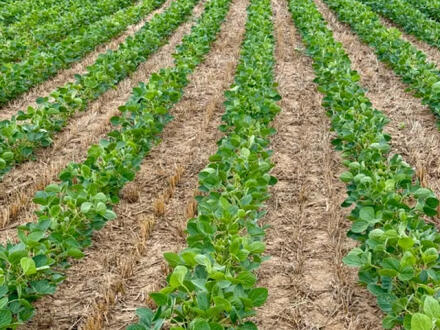
Soil science may sound niche, but it sits right at the center of food production, water quality, land management, and conservation. In Missouri, that matters a lot. The state has more than 95,000 farms, according to the USDA, and every one of them depends on healthy soil in some way. That creates real demand for students who want to study agronomy, environmental science, conservation, crop science, and related fields.
For students looking for Missouri Soil Science Scholarships, the good news is simple: funding often exists in more places than they expect. Some awards come from state associations. Others come from colleges, farm groups, conservation organizations, local foundations, or national agriculture programs. A student does not always need a major titled "soil science" to qualify either. Many awards also support closely related paths.
This list breaks down 10 practical scholarship routes Missouri students should look at. It covers options for high school seniors, first-year students, current college students, and graduate students. It also points out where soil science overlaps with agriculture, natural resources, and conservation, which is often where the money is.
The goal is straightforward: help students spot real funding options, avoid missing good-fit awards, and build a smarter scholarship search with less guesswork.
1. Missouri Soil Science Association Scholarships for Students Pursuing Agriculture and Natural Resources
Students searching for Missouri Soil Science Association Scholarships should start with professional groups tied to agronomy, soils, and land stewardship. These associations often support students because they want to grow the next generation of field scientists, crop advisers, and conservation specialists.
In practice, these awards usually favor students with a clear link to:
- soil science
- agronomy
- natural resources
- environmental management
- agricultural education
A strong application often includes one clear career goal, a transcript that shows science coursework, and proof of involvement such as FFA, 4-H, land judging, or conservation projects. A student who spent 120 hours helping with a streambank restoration project will often stand out more than a student with a vague essay.
Missouri students should also watch related agriculture groups, since soil science funding is sometimes bundled with broader ag support. For example, statewide farm organizations often back students headed into production agriculture or resource management, and tools such as the Missouri Farm Bureau award page can help students find overlapping options.
A useful rule: if an award mentions soil health, conservation, crops, nutrient management, or land use, it may fit even if "soil science" is not in the title. That small detail can turn one search into 5 or 6 good applications instead of one.
2. Missouri Soil Science Scholarships for High School Students Planning Ahead
Missouri Soil Science Scholarships for High School Students often reward early planning. A student does not need to wait until college acceptance letters arrive. In fact, many scholarship committees like seeing a clear plan before senior year ends.
High school students should focus on building a profile that shows interest in land, crops, or conservation. That can include:
- FFA chapter work
- 4-H projects
- science fair research on soil or water
- supervised agricultural experiences
- volunteer hours with local conservation districts
The Missouri 4-H system gives students a strong example of how activity can support funding chances. Missouri 4-H serves thousands of young people across the state, and scholarships connected to that pipeline can reward years of steady participation. Students can sort through options like the Missouri 4-H scholarship listings when building an early application calendar.
A smart high school applicant should also track deadlines in one sheet. One missed due date can cost $1,000 to $2,500, which is often the price of a semester's books, field gear, lab fees, and part of housing.
For students still deciding on a major, this is the key point: scholarship committees usually respond well to specific intent. "I want to study environmental science and work in soil conservation in north Missouri" lands better than "I like science and nature."
3. Missouri Soil Science Scholarships for First-Year Students Entering College
Missouri Soil Science Scholarships for first-year students matter because the first year is often the most expensive surprise. Tuition is only part of the bill. Intro lab fees, housing deposits, meal plans, and course materials can add several thousand dollars fast.
First-year students should look for awards tied to both academic entry and agricultural interest. Missouri's state-level merit aid can also reduce pressure. The Bright Flight program, for example, is one route strong test-takers and high achievers often review alongside field-specific scholarships.
Students entering agriculture or science programs should also check the college they plan to attend. Schools such as Northwest Missouri State University and University of Central Missouri host agriculture, biology, environmental, or natural resource pathways that may connect students to campus-based aid or faculty recommendations.
A first-year student usually has the best chance when the application package includes:
- a transcript with math and science classes
- 1 or 2 recommendation letters from ag or science teachers
- a short essay with a specific career path
- proof of agricultural or conservation involvement
Concrete example helps. A student who writes about mapping soil drainage differences on a family's 160-acre farm gives reviewers something they can picture. That is much stronger than broad interest alone.
And yes, even students attending two-year programs first should apply. Starting local can cut total borrowing by thousands of dollars.
4. Missouri Soil Science Scholarships for College Students Building Specialized Skills
Once students are in college, scholarship options often become more focused. That is where Missouri Soil Science Scholarships for College can shift from general support to skill-based funding.
Committees like to fund students who are already building technical ability. In soil-related fields, that can mean coursework or experience in:
- soil fertility
- GIS mapping
- water quality testing
- crop systems
- erosion control
- nutrient management
A sophomore or junior with field experience has an edge. For example, a student who spent 80 hours collecting samples, running pH tests, or helping with extension demonstration plots can show direct value to the profession.
This is also where conservation-focused awards enter the picture. Some students may fit the Soil and Water Conservation scholarship or the Missouri Conservation Agents award, especially if their work connects soil stewardship with wildlife, water, or public land use.
Students should ask one practical question before applying: What skill am I building that helps Missouri land use? A reviewer can respond quickly to answers like "precision nutrient placement," "runoff reduction," or "pasture improvement."
That focus matters because soil science is not just classroom theory. It affects yield, drainage, water quality, and long-term land value. Even a 1% increase in soil organic matter can improve water-holding capacity enough to matter during dry periods, which makes this work very real for producers.
5. Missouri Soil Science Scholarships for University Students in Advanced Degree Programs
Graduate students and upper-level university students should not assume funding dries up after undergrad. Missouri Soil Science Scholarships for University students can include department awards, research support, assistantships, and professional society funding.
This level usually rewards specialization. A student working on microbial activity, nutrient cycling, sediment loss, or soil-carbon research may qualify for funding that an entry-level applicant would never see advertised publicly.
Graduate applicants should highlight measurable work, such as:
- 240 soil samples processed for a thesis project
- 2 conference posters
- 1 co-authored paper
- field trials across 3 counties
That kind of detail tells a committee the student is already contributing to the field.
Research-heavy campuses can matter here. A student at Missouri S&T may find opportunities that intersect environmental systems, geoscience, or land reclamation, while larger public universities may connect students with assistantships through labs and extension programs.
Students should also search beyond "scholarship" alone. In advanced study, the money may appear under terms like fellowship, assistantship, travel grant, graduate award, or research stipend.
One helpful habit is to email the graduate coordinator and ask for a list of all internal funding sources from the last 2 award cycles. That single email can uncover small awards worth $500 to $3,000 each, and stacking 3 smaller awards often works better than waiting on one big one.
6. Department-Based Soil Science Awards at Missouri Colleges and Universities
A lot of students miss the simplest source of money: their own department. Agriculture, plant science, natural resources, environmental science, and biology departments often run internal awards with fewer applicants than statewide scholarships.
That matters because smaller pools improve odds. If 18 students apply for one $1,500 department award, the math looks much better than a statewide competition with 400 applicants.
Students should contact:
- department chairs
- financial aid offices
- college of agriculture staff
- faculty advisers
- extension-affiliated program coordinators
At schools with active aid offices, students can often find updated award pages through resources like Missouri State financial aid or scholarship portals tied to the university. Department awards may be based on GPA, county of origin, major, research interest, or service work.
This section matters for transfer students too. A student moving from a community college such as North Central Missouri College into a four-year program should ask about transfer-specific scholarships in agriculture or environmental fields.
A concrete example: one department may reserve an award for students with a 3.25 GPA and at least 1 soils-related course completed. Another may favor students from rural Missouri counties with conservation career plans. Those details are exactly why students should ask for the full list, not just what appears on a homepage.
7. Scholarships Linked to Agronomy, Environmental Science, and Conservation Majors
Students looking for Missouri Soil Science Scholarships for College should widen the search to linked majors. Soil science funding often hides inside agronomy, environmental science, crop science, conservation, and natural resources awards.
That overlap is common because employers use these fields together. A crop consultant may need soil fertility knowledge. A conservation planner may need erosion data. An environmental scientist may study runoff, sediment, and land use impacts in the same project.
A strong scholarship search in this category should include both major titles and job titles. That brings up more options than searching "soil science" alone. Students can also review broader listings such as the environmental studies scholarship page when their coursework crosses science and conservation.
The basic idea is simple: if the award supports work that starts in the soil, it may still count.
Eligible Majors and Career Paths to Look For
Students should scan eligibility rules for majors and career paths like these:
- agronomy
- plant science
- environmental science
- natural resources
- forestry
- conservation biology
- agricultural education
- agricultural engineering
- crop and soil science
Career language also matters. Good fits may include:
- soil conservationist
- agronomist
- extension agent
- crop adviser
- watershed specialist
- reclamation scientist
For example, corn and cattle industry groups often support students whose work affects feed, forage, or land management. That is why students may find value in options like the Missouri Corn scholarships when their studies touch soils, crop systems, and field production.
8. Federal, State, and Extension-Connected Funding Opportunities Related to Soil Science
Not every soil science funding source is labeled as a scholarship. Some come through extension systems, state agriculture programs, or federal pathways tied to conservation and workforce development.
This matters because public agencies spend billions on agriculture and conservation support. The USDA alone works across soil conservation, nutrient management, rural development, and research, which creates scholarship-like funding through internships, education support, and cooperative programs.
Missouri students should pay attention to opportunities connected with:
- USDA agencies
- NRCS programs
- extension offices
- state conservation departments
- public land improvement groups
Extension work is especially useful because it links classroom study with local needs. Students at public universities such as Missouri State University or regional campuses like Missouri Southern State University may hear about county-level projects, field internships, and support tied to producer education.
Some awards in this lane may not be large. A $750 travel grant or a $1,200 field internship stipend can still cover conference costs, sample analysis fees, or a semester of books.
Students should also search for terms like workforce development, conservation leadership, and extension internship support. Those phrases often catch funding that standard scholarship searches miss. One student who combines a $2,000 scholarship with a $1,500 summer internship support award can reduce direct education costs by $3,500 in one cycle.
9. Local Agriculture and Community Foundation Scholarships in Missouri
Local money is often the most overlooked money. Community foundations, county farm groups, local banks, electric cooperatives, and regional ag businesses may offer awards with far less competition than national programs.
This is where Missouri students can gain ground fast. A county-level scholarship might attract 25 applicants instead of 500. That changes the odds in a big way.
Students should search close to home first:
- county community foundations
- county Farm Bureau offices
- local conservation boards
- FFA alumni groups
- co-ops and ag retailers
- livestock and crop associations
These awards may not say "soil science," but they can still fit students entering agriculture and land-related fields. Students with roots in production agriculture may also qualify for the Missouri Cattlemen foundation scholarships or infrastructure-related paths like the Missouri LICA scholarship, especially when land improvement, drainage, grading, or conservation practices are part of the career goal.
A concrete example helps here too. A student from a county with strong row-crop production who writes about tile drainage, slope management, and sediment control will usually look more grounded than someone submitting a generic essay to every local fund.
Local committees often know the land, the schools, and the families. Specificity works.
10. National Soil and Agronomy Scholarships Missouri Students Should Not Overlook
Students should not stop at state borders. National soil, agronomy, crop science, and conservation scholarships can pair well with Missouri-based funding. Some of these awards are more competitive, but the payouts can be larger.
National groups often support students through professional societies, commodity organizations, conservation networks, and science foundations. Awards may range from $1,000 to $10,000 or more, especially for students with research, leadership, or service records.
A broader scholarship database can help students compare options across fields, and a search page like national scholarship listings can make that process quicker when students are sorting by major or career interest.
Students should not ignore out-of-state adjacent programs either. In some cases, regional crop or heritage scholarships, such as the Illinois crop sciences listing, can help students understand how neighboring agriculture organizations structure awards, deadlines, and essay themes. Even when they are not eligible, the application model is useful.
How to Combine National and Missouri-Based Awards
The best strategy is stacking, not choosing one lane.
A student might combine:
- 1 Missouri department award worth $1,500
- 1 local foundation award worth $1,000
- 1 statewide agriculture scholarship worth $2,000
- 1 national agronomy award worth $3,000
That adds up to $7,500. For many in-state students, that can cover a major share of annual tuition or wipe out housing and books.
The smartest applicants keep one spreadsheet with columns for amount, deadline, essay topic, transcript requirement, and recommendation letters. It sounds basic, but it saves missed chances and repeated work.
Missouri Soil Science Scholarships - Frequently Asked Questions
What types of students are eligible for Missouri Soil Science Scholarships?
Students pursuing agronomy, environmental science, soil science, conservation, and related fields in Missouri can qualify, including high school seniors, college freshmen, undergraduates, and graduate students with a focus on soil and natural resource management.
How can high school students prepare to increase their chances of winning Missouri Soil Science Scholarships?
High school students should engage in relevant activities like FFA, 4-H projects, science fairs on soil or water, supervised agricultural experiences, and volunteering with local conservation groups to show commitment and build a strong scholarship application.
Are there specific scholarships for Missouri college students studying soil science or related majors?
Yes, Missouri colleges and universities offer departmental awards, as well as campus-based scholarships through programs like the Missouri Soil Science Association and agriculture groups, often favoring students with coursework and experience in soil fertility, nutrient management, and conservation.
Can graduate students in Missouri receive funding for advanced soil science research?
Graduate students focusing on specialized research areas like microbial activity, nutrient cycling, or soil-carbon studies can access awards, assistantships, and fellowships from university departments and professional societies to support their graduate work.
How can Missouri students maximize their scholarship funding for soil science studies?
Students are advised to combine multiple awards from local foundations, state associations, university departments, and national agronomy scholarships to increase total funding and reduce education costs significantly.
Which Missouri organizations offer scholarships related to soil and water conservation?
Organizations such as the Missouri Soil Science Association, Missouri Farm Bureau, Missouri Conservation Agents Association, and local conservation districts provide scholarships, including the popular Scholarship Application - Soil and Scholarship Application - Missouri.




