

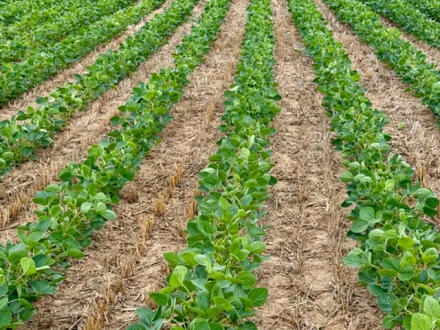
Arizona soil science scholarships can help students pay for degrees tied to agriculture, water, land management, environmental science, and conservation. For many families, that support matters fast. A single $2,500 award can cover a semester of books, lab fees, and field gear with money left for fuel.
This list focuses on realistic funding paths for students in Arizona. It includes association scholarships, university aid, transfer awards, federal programs, local foundations, and overlooked lab or internship funding. The goal is simple: help students find money that matches the way soil science actually shows up in school programs.
Soil science rarely sits in one neat box. A student interested in desert agriculture, watershed health, crop systems, or environmental restoration may qualify even when a scholarship does not say "soil science" in the title. That is where many applicants miss out.
Students searching for Arizona Soil Science Scholarships for High School Students, Arizona Soil Science Scholarships for College, or Arizona Soil Science Scholarships for University should think wider than one keyword. The strongest applications usually combine grades, field interest, and a sharp reason for choosing this path.
Below are 12 strong scholarship and funding paths, plus practical ways to stand out. Some awards are direct fits. Others overlap with soil science through conservation, agronomy, sustainability, or research. That overlap is often where the money is.
1. Arizona Soil Science Association Scholarships For Students Pursuing Soil And Environmental Fields
Students looking for Arizona Soil Science Association Scholarships should start with professional groups tied to soil, water, and conservation work. These awards often favor applicants who show a clear link between classroom study and field impact.
A smart example is a soil-focused student who has logged 40 volunteer hours with a watershed cleanup, FFA land judging team, or school garden project. That kind of record makes the application feel real, not generic.
What these groups usually value:
- A declared or intended major in soil science, environmental science, agronomy, or natural resources
- Evidence of field interest, such as lab work, crop judging, or conservation service
- Strong references from science teachers, advisors, or extension staff
- A short essay that connects Arizona land issues to career goals
Some students also widen the search to conservation-linked awards, such as the soil and water award. That move matters because many scholarships fund soil stewardship even if the title sounds broader.
Another useful angle is to mention an Arizona-specific issue in the essay. A student writing about salinity, irrigation efficiency, rangeland health, or desert soil erosion will usually sound more prepared than one writing a vague "I love nature" statement.
2. University Of Arizona Soil Science And Environmental Science Scholarship Opportunities
The University of Arizona is one of the strongest places to search for soil-related aid because its programs connect agriculture, earth systems, water, and environmental science. Students exploring the university should look beyond one department page and search college-level, departmental, and financial aid databases.
A practical example: a student entering environmental science might qualify for 3 separate pools of money at once:
- University-wide merit aid
- College of Agriculture or environmental program aid
- Departmental scholarships tied to research or academic performance
The financial aid office is also important because it often lists grant, work-study, and scholarship routes in one place. That matters when a student needs to cover more than tuition, such as $600 in field boots, sampling tools, and lab materials.
For Arizona Soil Science Scholarships for University students, the best move is to search under related program names:
- Environmental science
n- Natural resources
- Agricultural and biosystems fields
- Hydrology or watershed programs
- Sustainability tracks
Students should also ask whether faculty-run labs offer paid undergraduate roles. A 10-hour-per-week lab job can function like scholarship support while building the exact field experience graduate schools and employers want.
3. Arizona Soil Science Scholarships For High School Students Planning Ahead
High school students have more options than they think, especially if they start early. Many Arizona Soil Science Scholarships for High School Students come through agriculture, earth science, conservation, and local community awards rather than a scholarship labeled only for soil science.
A student in grade 11 has a strong timing advantage. Starting 9 to 12 months before graduation gives enough time to build a resume, request letters, and target smaller awards in the $500 to $2,000 range.
Good early actions include:
- Joining FFA, 4-H, environmental clubs, or science fair teams
- Taking biology, chemistry, earth science, or agriculture courses
- Tracking volunteer hours in gardens, parks, or water projects
- Saving photos or notes from field activities for essays
One concrete example works well in applications: "She tested pH in 6 raised beds at her school garden and compared tomato growth across two soil mixes." That sounds stronger than "She likes plants."
Students interested in geology or earth systems can also look at options like the earth science award. Even when the fit is not perfect, related scholarships can help pay for the first year and keep a soil science plan on track.
4. Arizona Soil Science Scholarships For First-Year Students Entering College Or University
First-year applicants should focus on both admissions-based scholarships and separate program awards. This is a key group for Arizona Soil Science Scholarships for first-year students, because colleges often use early aid offers to attract students into agriculture and environmental pathways.
A typical first-year budget can get crowded fast. Between deposits, housing fees, books, and gear, a student may need $3,200 to $5,800 before classes even settle in.
Strong first-year applications usually include:
- A clear intended major or academic interest
- A short essay with one practical soil or land issue they care about
- Class rank, GPA, or science coursework details
- One recommendation from a teacher who can speak to work ethic
Students should not ignore adjacent awards. Someone entering agriscience or horticulture may also fit the nursery scholarship, especially if plant health, irrigation, and growing media are part of the story.
A useful tactic is to write one base essay of 350 to 500 words, then customize the final 80 to 120 words for each scholarship. That saves time and keeps the application specific. Admissions offices can spot copy-paste language in about 3 sentences.
5. Arizona Soil Science Scholarships For Community College Students Transferring To Four-Year Programs
Transfer students are often overlooked, which is good news for applicants who plan ahead. Many community college students already have the exact strengths scholarship committees like: lower debt, clear goals, and proof they can succeed in college classes.
A student finishing 30 to 60 credits at a community college can position that record as evidence, not just background. A 3.4 GPA in chemistry, biology, and intro agriculture says more than a vague statement about motivation.
For this group, the strongest funding paths usually come from:
- Transfer-specific university scholarships
- Department awards for incoming juniors
- Conservation and agriculture foundations
- Regional awards based on county residence or first-generation status
Students pursuing environmental agriculture may fit opportunities like the environmental agriculture fund. That is especially useful for transfer students moving into sustainability, crop systems, or resource management.
Transfer applicants should also explain the "why now" piece. Example: "After completing irrigation and soil fertility coursework at community college, they plan to move into a four-year program focused on arid land management." That sentence ties past work to the next step. It feels grounded, and it usually scores better.
6. Arizona Soil Science Scholarships For College Students In Agriculture, Natural Resources, And Sustainability
Many of the best Arizona Soil Science Scholarships for College students sit inside related majors. A student does not need a degree literally named soil science to be competitive.
That matters in Arizona, where soil questions often connect to water use, crop production, rangeland management, and desert restoration. A sustainability major studying compost systems can be just as relevant as an agronomy student testing nutrient levels.
Good fit majors include:
- Agriculture
- Environmental science
- Natural resources
- Sustainability
- Horticulture
- Range management
A concrete example: a student who spent 18 weeks comparing compost-amended soil with untreated plots for moisture retention has a strong scholarship story. The committee can picture the work.
Students with livestock, crop, or agriculture backgrounds should also keep broader Arizona awards in play. The livestock show scholarships can help students whose soil interests connect to forage systems, grazing, and agricultural production.
The key is framing. Instead of saying "I study sustainability," applicants should say exactly what they do: "They study how soil organic matter affects water holding capacity in small farm plots." Specific beats broad almost every time.
7. Arizona Soil Science Scholarships For University Students Focused On Research And Fieldwork
Research-minded students should search for money that rewards hands-on work, not just GPA. This is where many Arizona Soil Science Scholarships for University applicants can separate themselves from a crowded pool.
Fieldwork creates sharp application details. "She collected 24 soil cores across 3 test sites and logged texture, infiltration, and salinity patterns" is memorable. Committees remember tangible work.
Students with research experience should highlight:
- Lab techniques they know, such as pH testing or texture analysis
- Field methods, like transects, site mapping, or sample logging
- Software or data skills, including Excel, GIS, or statistics tools
- Poster presentations, abstracts, or faculty projects
Paid undergraduate research can also reduce costs. Even a small stipend of $1,200 to $3,000 over a term can cover food, transport, or summer housing while building career capital.
Another strong move is to ask faculty whether travel funds exist for field conferences or poster sessions. A student presenting one research poster may become much more competitive for the next scholarship round. That one line on a resume can change how the whole application reads.
8. USDA, NRCS, And Federal Education Funding That Supports Soil Science In Arizona
Federal funding is worth serious attention because it can support tuition, internships, and career entry. For soil science students in Arizona, USDA and NRCS-related paths often overlap with conservation, rangelands, water, and field science.
The big advantage is scale. Federal agencies operate across many states and offices, so students may find more than one opening in a single cycle. A paid internship at 15 hours per week can offset commuting, rent, and food while giving direct agency experience.
Students should search for:
- USDA internship programs
- NRCS student trainee roles
- Pathways positions
- Federal work-study partnerships through universities
Arizona students at large public universities may also find relevant support through institutions connected to agricultural research, including ASU programs when projects touch sustainability, land systems, or environmental data.
A strong application here usually includes mission fit. Students should mention work that relates to soil conservation, erosion control, watershed planning, or agricultural productivity. Someone who has mapped runoff patterns on a 2-acre school site already sounds closer to the kind of work these agencies fund.
Federal routes take patience. But they can lead to the biggest payoff: tuition support now, plus a direct line to employment later.
9. Agriculture And Conservation Scholarships That Overlap With Soil Science Career Goals
A lot of students search too narrowly and miss awards that fit perfectly. Soil science overlaps with conservation, cropping systems, livestock production, water management, and environmental stewardship. That overlap opens more doors.
A student interested in soil health might qualify for awards connected to:
- Water conservation
- Environmental agriculture
- Farm management
- Range science
- Land restoration
For example, a student working on cover crops, runoff reduction, or irrigation efficiency may line up well with a second soil and water scholarship. The title does not need to say "soil science" word for word.
Students should build a keyword bank of 10 to 15 terms and search all of them. Useful phrases include soil health, agronomy, conservation, watershed, reclamation, horticulture, and environmental agriculture.
One concrete scenario: a student applies to 8 overlapping scholarships worth an average of $1,250 each. Even one win brings $1,250. Three wins bring $3,750. That can cover a lot of tuition and books.
This wider search strategy is one of the fastest ways to improve outcomes without writing a totally new application from scratch.
10. Local Arizona Foundation And County-Based Scholarships Worth Checking
Local scholarships are often less crowded than national ones. That alone makes them worth the time, especially for students with county ties, school district involvement, or service work in a specific Arizona community.
The biggest names to search first are community foundations. The Arizona Community Foundation supports many local scholarship funds, and students can also browse matching options through an Arizona community award page. Those local pools may include place-based, first-generation, donor-interest, and agriculture-related awards.
Students in Southern Arizona should also review opportunities connected to the southern Arizona foundation, where donor-funded scholarships may reflect local priorities.
Good local-fit details include:
- County of residence
- High school district
- Volunteer service hours
- Interest in agriculture, conservation, or community improvement
A specific example helps here too. "He spent 62 hours restoring wash areas near his town and wants to study erosion control" sounds local and credible. That is the kind of statement county-based donors respond to.
And yes, smaller awards matter. Two local scholarships of $750 each still produce $1,500.
11. Departmental Awards, Internship Funding, And Lab-Based Grants Students Often Miss
This category gets missed all the time because the money is not always posted on the main scholarship page. Departments, labs, and faculty projects may have small funds that work like mini-scholarships.
A student can uncover these by emailing 3 to 5 people:
- Department advisor
- Undergraduate coordinator
- Lab manager
- Faculty mentor
- Internship office
Useful questions are simple. Ask whether the department offers travel awards, field course support, paid assistant roles, or emergency academic funding tied to research participation.
Students with broad academic interests may also find unrelated-but-usable aid on larger scholarship boards, including options like the barriers award or the beyond boundaries fund when eligibility fits their situation.
One small grant can do more than people expect. A $900 field-course stipend might cover gas, camping fees, and sampling supplies for a desert soils trip. That turns a student from "interested" into "experienced."
The hidden rule here is simple: if money supports participation, it counts. Students should not ignore a funding source just because the word "scholarship" is missing.
12. Scholarship Search Strategies That Help Arizona Soil Science Applicants Stand Out
Better search strategy often beats better luck. Students who organize their process usually submit more polished applications and catch more deadlines.
A clean system can be very basic. One spreadsheet with 6 columns is enough:
- Scholarship name
- Amount
- Deadline
- Eligibility
- Essay status
- Recommendation status
Students can also use free search tools that gather multiple categories in one place. On broad scholarship listings, filters help students pull in agriculture, environmental science, transfer, and state-based awards without starting from zero each time.
The strongest applicants usually do 4 things well:
- They apply to at least 10 to 15 realistic scholarships.
- They reuse a core essay but customize each version.
- They ask for references at least 3 weeks early.
- They quantify experience with numbers, tasks, and outcomes.
A good example line is: "They monitored moisture in 12 plots for 8 weeks and presented the results to 27 students." That is vivid, measurable, and easy to trust.
Students who want a simpler process can also use platforms like StudentScholarships.org to reduce search time and keep applications moving. Saving even 2 hours per week means more time for essays, classes, and actual sleep.
Arizona Soil Science Scholarships - Frequently Asked Questions
What are Arizona Soil Science Scholarships and who can apply?
Arizona Soil Science Scholarships support students pursuing degrees related to soil science, agriculture, environmental science, and conservation. Applicants include high school, community college, and university students in Arizona focused on soil, water, land management, or sustainability fields.
How can University of Arizona students find soil science scholarship opportunities?
Students should explore scholarships through the University of Arizona's college-level and departmental financial aid offices, especially in agriculture, environmental science, and natural resources programs. Paid lab assistant roles and faculty research projects often provide additional funding.
Are there specific scholarships for high school students interested in soil science in Arizona?
Yes, high school students can apply for scholarships via local agriculture clubs like FFA, 4-H, environmental organizations, and community foundations. Early preparation by volunteering and taking relevant science courses strengthens applications for these scholarships.
What types of work experience can strengthen an application for soil science scholarships?
Applicants benefit from fieldwork or research experience such as watershed cleanups, soil testing, lab techniques, and data analysis. Documenting volunteer hours, research projects, or paid internships significantly enhances scholarship competitiveness.
Can scholarships for conservation, agronomy, or sustainability fields support a soil science degree?
Absolutely. Many scholarships overlap with soil science through conservation, agronomy, environmental agriculture, and sustainability. Broadening search terms beyond ‘soil science’ to include related fields increases opportunities to secure funding.
Where can Arizona students find local and federal scholarship funding for soil science studies?
Students should check local options like the Arizona Community Foundation and the Community Foundation for Southern Arizona. Federal funding is available through USDA internship programs and NRCS trainee roles that support tuition and career entry.




