

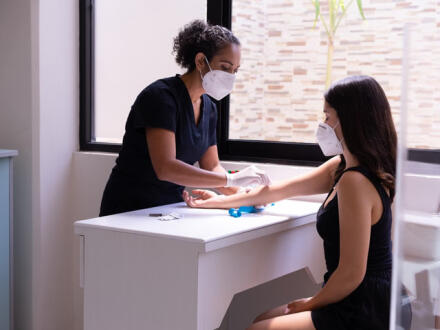
Psychiatric nursing is a smart path for students who want stable work and meaningful patient care. These nurses support people dealing with depression, anxiety, substance use, trauma, and crisis episodes. In Mississippi, that need is real. The state continues to face shortages in behavioral health services, especially in rural counties where one nurse can end up serving hundreds of patients across clinics, schools, or hospitals.
The hard part is paying for school. Tuition, fees, books, scrubs, travel to clinical sites, and licensing costs can push a nursing degree well past what many families can manage. A public community college nursing path may cost several thousand dollars, while a university BSN can climb much higher once housing and supplies are added.
That's where Mississippi Psychiatric Nursing Scholarships can make a big difference. Some awards come from nursing groups. Others come from colleges, hospitals, statewide programs, or community foundations. A student may even stack several smaller awards and cover a large share of costs.
This guide breaks down 10 practical funding paths for high school seniors, first-year students, community college learners, and university nursing majors. It focuses on where future mental health nurses should look first, what each funding source usually values, and how students can build a stronger application without wasting hours chasing poor-fit scholarships.
1. Mississippi Psychiatric Nursing Association Scholarships For Aspiring Mental Health Nurses
Association-based awards are often the most direct fit for students who already know they want to work in mental health. When students search for Mississippi Psychiatric Nursing Association Scholarships, they are usually looking for funding tied to service, leadership, and commitment to behavioral health care rather than a generic academic award.
These scholarships can be especially useful because the review committee already understands the field. A student who volunteers on a crisis text line, shadows at an inpatient unit, or helps with mental health awareness events may stand out more here than in a general scholarship pool with 2,000 applicants.
Typical selection factors include:
- Interest in psychiatric or behavioral health nursing
- GPA, often with a baseline such as 3.0
- Community service tied to mental health, disability support, or youth outreach
- Faculty recommendations that describe compassion, reliability, and clinical promise
- Personal statement quality, especially specific career goals
A strong application sounds concrete. Instead of saying, "They want to help people," a better statement might explain that they spent 84 hours volunteering with a peer support group and saw how early intervention reduced repeat crises.
Who Should Apply And What Committees Often Look For
Students with a clear story tend to do best. Committees often want proof that the applicant understands what psychiatric nursing actually involves: medication education, safety checks, therapeutic communication, and long shifts with emotionally intense patient needs.
They also notice signs of follow-through, such as:
- Completing anatomy and psychology with solid grades
- Joining HOSA, student nurse groups, or health career clubs
- Holding a job while keeping a 3.2 or higher GPA
- Writing an essay with one specific patient-care or volunteer example
Students who need help finding association awards can widen the search on nursing scholarship pages and compare how state nursing groups describe ideal applicants. Even when the exact Mississippi award cycle changes, the selection pattern is often similar.
2. Mississippi Psychiatric Nursing Scholarships For High School Students Planning A Nursing Major
High school seniors should not wait until college acceptance letters arrive. Mississippi Psychiatric Nursing Scholarships for High School Students often overlap with broader nursing, service, and local merit awards. That matters because a student can use a county-level scholarship for tuition while saving nursing-specific money for books, lab fees, or commuting costs.
A strong senior-year plan usually includes 12 to 20 applications. Students who only submit 3 or 4 forms often leave money on the table. Even a $500 award can cover a semester of scrubs, drug-screen fees, CPR certification, and part of a textbook bundle.
Good places to look include:
- Local hospital auxiliaries
- Community foundations
- Rotary and civic clubs
- State association scholarships
- High school counseling offices
- Free match platforms such as StudentScholarships.org
A student who is still building a scholarship list can compare options like the high school award database and local Mississippi-specific listings such as the state service scholarship. Those are not psychiatric nursing awards by themselves, but they can still reduce the total cost of entering a nursing program.
For psychiatric nursing interest, essays should mention real exposure. Examples include helping with a school mental health club, supporting a family member through treatment, or volunteering in special education. Specifics beat broad claims every time.
3. Mississippi Psychiatric Nursing Scholarships For First-Year Students Entering College
First-year students sit in a useful middle zone. They have more academic proof than high school seniors, but they still have time to shape a nursing application around behavioral health. That makes Mississippi Psychiatric Nursing Scholarships for first-year students worth special attention.
At this stage, scholarship committees often look for college adjustment and early persistence. A student who finished the first 15 credit hours with a 3.4 GPA, passed biology, and stayed active in campus service can look stronger than a senior with only high school activities.
The best first-year moves include:
- Taking introductory psychology if the degree plan allows it
- Meeting with a nursing advisor before application deadlines
- Logging volunteer hours in a clinic, shelter, or hotline support setting
- Keeping a simple record of dates, duties, and supervisors
Students should also look beyond Mississippi-only awards. For example, national and out-of-state nursing listings on broad scholarship platforms can show useful application patterns, such as the essay prompts used in the community college nursing award or merit language on the school of nursing scholarship page.
That comparison helps first-year applicants write better essays. If five programs all ask about workforce shortage areas, the student should address staffing needs in Mississippi behavioral health clinics, not just say they enjoy science classes.
4. Mississippi Psychiatric Nursing Scholarships For College Students In ADN Or BSN Programs
Once a student is accepted into an ADN or BSN track, the scholarship picture improves. Programs want to keep enrolled students moving toward graduation, especially when nurse shortages are affecting hospitals, long-term care facilities, and behavioral health units.
This is the strongest category for Mississippi Psychiatric Nursing Scholarships for College because nursing majors can now show clinical readiness. They have grades in prerequisites, instructor references, and often a clearer statement of specialty interest.
For ADN and BSN students, the most common funding sources are:
- Departmental nursing scholarships
- Need-based campus grants
- Donor-funded awards for rural students
- Hospital partner scholarships
- Retention awards for students already in clinical rotations
Committees may ask for a GPA floor between 2.75 and 3.5, plus proof of progression in the nursing sequence. A student paying $1,200 per semester for books, uniforms, software, and travel can make a convincing case by listing actual costs instead of vague financial stress.
Students at Mississippi community colleges should watch schools with affordable nursing pathways, including Northeast Mississippi Community College and Southwest Mississippi Community College. Lower tuition reduces borrowing pressure, which matters if the student later wants to accept a psychiatric nursing job in a rural clinic rather than chase the highest-paying unit just to handle loan payments.
This is also the right stage to ask nursing faculty which awards had winners from the previous two cycles. That small question often saves weeks of guessing.
5. Mississippi Psychiatric Nursing Scholarships For University Nursing Students Pursuing Behavioral Health
University students in upper-level nursing programs can sharpen their applications by connecting psychiatric nursing to public health, trauma care, addiction treatment, and community outreach. Mississippi Psychiatric Nursing Scholarships for University applicants do best when they show that link clearly.
Behavioral health is not limited to one locked unit in one hospital. University committees know that mental health nurses work in emergency departments, telehealth programs, schools, correctional settings, veterans' care, and outpatient medication clinics. That wider view can strengthen an essay.
A strong application might mention:
- A practicum interest in adolescent crisis care
- Research on suicide screening or substance use recovery
- Work as a peer mentor for stressed pre-nursing students
- Interest in rural behavioral health access
At a university level, even small differences matter. A student with a 3.6 GPA, 120 volunteer hours, and one faculty-backed project in mental health education can stand out fast.
Mississippi students can also look at universities with nursing and health pipelines that connect to regional care systems. Programs at Mississippi College and The University of Southern Mississippi may offer campus-based aid, honors funding, or department support that can be combined with outside nursing scholarships. The key is stacking awards without breaking each program's rules.
Behavioral health essays should feel grounded. A sentence about calming a frightened patient during clinicals says more than a full paragraph of generic passion.
6. Nursing School Scholarships Offered By Mississippi Universities And Medical Centers
Some of the best funding is not advertised as "psychiatric nursing" at all. It sits inside nursing schools, academic medical centers, alumni funds, and donor accounts. Students who ignore campus-specific applications often miss the easiest money available.
University and medical center scholarships usually reward one or more of these factors:
- Academic performance
- Financial need from the FAFSA
- Region or county of residence
- Interest in shortage specialties
- Clinical professionalism
A nursing department may have 6, 12, or even 25 separate donor funds under one application. One form can place a student into several review pools at once. That is why campus scholarship portals matter so much.
Medical-center-linked awards can be especially helpful for psychiatric nursing students because they may support placements in behavioral health units, emergency psychiatry, or substance use treatment settings. Some include preferred interview status after graduation, which can shorten the job hunt by weeks.
Students should ask three precise questions:
- Does the nursing school use one general scholarship application?
- Are there funds for students interested in mental health or rural care?
- Can outside awards reduce loans before they reduce institutional grants?
Those details shape real dollars. On a $9,800 annual cost gap, even two campus awards of $1,500 each can cut the borrowing need by nearly one-third.
7. Hospital And Health System Scholarships That Support Psychiatric Nursing Careers
Hospitals often fund students because hiring new nurses is expensive. Replacing a bedside RN can cost tens of thousands of dollars once recruiting, orientation, preceptor time, and overtime coverage are counted. So some Mississippi hospitals and health systems invest earlier, during school.
These scholarships may come as direct tuition aid, forgivable loans, sign-on-linked education support, or work commitments after graduation. They are especially useful for psychiatric nursing because behavioral health units can be harder to staff than med-surg floors.
Common structures include:
- $1,000 to $5,000 annual scholarships
- Paid nurse extern positions with later hiring preference
- Tuition help tied to a 12- to 24-month employment commitment
- Awards for students who agree to work in rural or high-need sites
Students should read the contract line by line. A scholarship that looks generous can become restrictive if the work requirement starts immediately after licensure and limits unit choice.
Still, for many future mental health nurses, this path makes sense. A student who already wants inpatient psychiatry, crisis stabilization, or community behavioral health may benefit from a direct pipeline into that employer. In a practical sense, hospital-funded aid can cover tuition now and lead to a paycheck faster than a general award with no career connection.
The best applicants usually apply early, interview well, and speak clearly about why psychiatric nursing fits their skills.
8. Statewide Nursing Scholarships And Loan-Repayment Programs For Mississippi Students
Statewide funding deserves a spot near the top of every search list because these programs can cover much larger amounts than a local one-time award. Some are scholarships for current students. Others repay loans after graduation if the nurse works where the state needs help most.
This path is valuable for students who plan to stay in Mississippi. A graduate working in a shortage area may receive thousands in support while building bedside experience in mental health, public health, or community care.
A major example is the federal Nurse Corps route, which many Mississippi students use when state and local money is not enough. The Nurse Corps option can cover tuition, fees, and other educational costs for eligible nursing students who later serve in high-need facilities. For someone facing a $28,000 total program bill, that kind of support can change the decision from "maybe later" to "start now."
Students should also watch Mississippi state workforce announcements, board of nursing updates, and public university aid offices. These programs may open and close on strict timelines, and some require a separate service application beyond standard financial aid.
Service Commitments, Work Requirements, And Career Benefits
Service-based funding is powerful, but it is not free money in the casual sense. Students trade flexibility for lower debt.
They should review:
- Work location rules, such as shortage facilities only
- Time commitments, often measured in full-time months
- Penalty terms if they leave early
- Eligible specialties, since some programs prioritize primary care or community settings
The upside can be huge. A new nurse with $18,000 less debt has more freedom to choose psychiatric care, school-based mental health, or a county clinic instead of taking the first high-paying opening available. That can shape the entire first five years of a career.
9. National Mental Health And Nursing Scholarships Mississippi Students Can Use
Mississippi students should not limit themselves to in-state money. National scholarships can be highly competitive, but the award sizes are often larger. Some support nursing in general. Others focus on diversity, rural practice, underserved populations, or mental health care.
This matters because psychiatric nursing connects to several national funding priorities:
- Behavioral health workforce shortages
- Rural provider access
- Substance use treatment capacity
- Equity in mental health services
A student with a strong story from Mississippi may stand out nationally. For example, an applicant from a county with limited psychiatric services can explain how long travel times, stigma, and provider scarcity affect real families. That kind of place-based detail is memorable.
Students using scholarship databases should build a mix of exact-match and adjacent-fit awards. A mental health nursing student may qualify for general nursing aid, service scholarships, community college awards, or state-based leadership funds outside Mississippi. Broader comparison pages like the Michigan nursing foundation listing help students spot recurring requirements such as transcripts, faculty references, and short career essays.
National applications also reward polish. A clean resume, one strong personal statement, and a simple spreadsheet of deadlines can turn 1 application into 15 completed submissions with much less stress.
10. Local Community Foundation And Regional Scholarship Opportunities For Future Psychiatric Nurses
Local money is often overlooked because it feels small. But regional scholarships can be the easiest awards to win because the applicant pool is smaller. A county foundation may receive 40 applications instead of 4,000.
For future psychiatric nurses, local funding can come from:
- Community foundations
- Women's clubs and civic groups
- Memorial scholarships created by local families
- Employer-sponsored education funds
- Faith-based organizations
- County professional associations
These awards may not mention psychiatric nursing by name. That is fine. Students can still frame their goal around mental health nursing in the essay and explain how the funding will support clinical travel, prerequisite completion, or licensure costs.
Mississippi students should cast a wide net. A future nurse from an agricultural family, for example, might fit regional awards such as the cattle association scholarship. A student active in local athletics or youth programming may find overlap with awards like the tennis association scholarship. Those are not nursing-specific, but they still reduce debt.
The trick is stacking. Three local awards of $750, $1,000, and $1,500 add up to $3,250, which can cover a large share of one semester at a public college.
Frequently Asked Questions About Mississippi Psychiatric Nursing Scholarships
What types of scholarships are available specifically for psychiatric nursing students in Mississippi?
Mississippi psychiatric nursing students can access scholarships from nursing associations, universities, hospitals, community foundations, and statewide programs aimed at supporting behavioral health nursing education and workforce development.
How can high school students planning a nursing major find psychiatric nursing scholarships in Mississippi?
High school students should apply early and widely to local hospital auxiliaries, community foundations, Rotary clubs, and state nursing groups, highlighting mental health volunteering or personal experience in their essays to strengthen applications.
What should first-year nursing students in Mississippi focus on when applying for psychiatric nursing scholarships?
First-year students should maintain a strong GPA, complete introductory psychology, volunteer in mental health settings, consult advisors, and research both state and national scholarships to improve their chances.
Are there scholarships in Mississippi that require a service commitment after graduation for psychiatric nurses?
Yes, several statewide and hospital-funded scholarships may involve work commitments in shortage areas, including rural or behavioral health facilities, to repay educational aid and support workforce needs.
Which Mississippi colleges offer supportive nursing programs with scholarship opportunities for psychiatric nursing students?
Colleges like Northeast Mississippi Community College, Southwest Mississippi Community College, Mississippi College, and The University of Southern Mississippi provide nursing education paired with scholarship options to lessen financial barriers.
Can local or community foundation scholarships help cover costs for future psychiatric nurses in Mississippi?
Absolutely. Local scholarships from community foundations, women’s clubs, memorial funds, and civic groups may not specify psychiatric nursing but can be used to cover clinical travel, licensure, or educational expenses, often with smaller applicant pools.









