

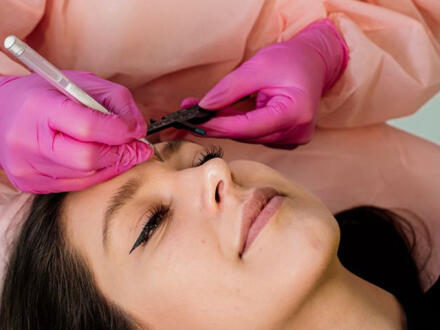
Paying for beauty school in Hawaii can feel expensive fast. Tuition, kit fees, exam costs, and transportation can pile up before a student even starts thinking about rent or groceries.
That's why Hawaii cosmetology diploma scholarships matter so much. A smart funding plan can cut out-of-pocket costs by hundreds or even thousands of dollars, especially when students stack scholarships with grants, workforce aid, and school-based support.
For many students, the goal is simple: find real money for cosmetology training without wasting weeks on dead-end applications. This list focuses on 10 practical scholarship and funding paths for students in Hawaii, including options for high school seniors, first-year students, current college students, university students considering a switch, and adult learners.
The article also points out where students should verify school approval, because that step matters. Hawaii's post-secondary authorization system helps students confirm whether a school is properly operating in the state, which is a useful first check before sending tuition deposits.
Students who want a faster search process often use free scholarship platforms to sort local and national matches in one place. That matters when deadlines are tight and some applications take less than 2 minutes while others need essays, transcripts, and recommendation letters.
Below are the funding paths students should put on their list first, plus tips for building stronger applications.
1. School-Specific Cosmetology Scholarships In Hawaii
The first place students should look is the school itself. School-specific awards are often less crowded than national scholarships because only enrolled or admitted students can apply.
In Hawaii, cosmetology students should ask admissions and financial aid offices about:
- entrance scholarships
- need-based tuition discounts
- kit or supply grants
- attendance-based awards
- payment plans with reduced upfront deposits
A practical example helps. If a school offers a $500 entrance award and a student also gets a $300 kit discount, that can remove $800 from first-term costs right away.
Students should also confirm whether the school is state-authorized before committing money. Hawaii families can verify institutions through the state approval directory, which adds a layer of protection when comparing private career schools.
One Hawaii beauty training option, the Hawaii Institute of Hair Design, gives students a concrete example of the type of school they should research for program details, hours, and admissions requirements.
When students talk to a school, they should ask 4 direct questions:
- How many scholarships were awarded last cycle?
- What was the average amount?
- Is the scholarship renewable?
- Can it be combined with Pell Grants or outside awards?
Those four questions usually reveal whether the opportunity is serious or just marketing copy.
2. Hawaii Cosmetology Diploma Scholarships For High School Students
Hawaii Cosmetology Diploma Scholarships for High School Students often come from local foundations, community groups, credit unions, and school counselors who know which career-training awards get ignored each year.
High school seniors should start at least 90 days before graduation. That window gives enough time to request transcripts, line up one recommendation, and write a short essay without panic.
Good places to look include local Hawaii scholarship pools. For example, students can sort opportunities such as the Hawaii Community Foundation awards, which often connect applicants to multiple donor-funded scholarships through one application system.
Students with strong community ties may also look at programs such as the Hawaii State FCU award. Even if an award is not beauty-specific, it can still help pay tuition, books, or commuting costs.
A high school applicant becomes more competitive when the essay shows a real plan. Instead of writing "I love beauty," stronger students explain something concrete, like this:
- they logged 120 hours helping backstage with theater hair and makeup
- they built a small nail client list of 18 repeat customers
- they saved $1,150 from part-time work for school supplies
That level of detail works better than general enthusiasm. It shows effort, direction, and follow-through.
Counselors should also remind students that cosmetology training is career education. Scholarship committees often respond well to applications that connect beauty training to small business ownership, client care, and local workforce needs.
3. Hawaii Cosmetology Diploma Scholarships For First-Year Students
Hawaii Cosmetology Diploma Scholarships for first-year students matter because the first term is usually the most expensive. Students often face tuition deposits, mannequin kits, shears, textbooks, shoes, and licensing-related fees all at once.
First-year applicants should focus on scholarships that reward persistence, career commitment, and a clear reason for choosing cosmetology. One option students may review is the Find-A-Way cosmetology award, which is closely tied to beauty students and career motivation.
Another possibility is a direct cosmetology scholarship application that students can add to their list while building a broader funding mix.
A strong first-year application usually includes:
- a short personal statement with a specific career goal
- proof of enrollment or acceptance
- attendance records or GPA if requested
- one recommendation from a teacher, employer, or mentor
- a simple budget showing how funds will be used
That budget matters more than students think. A breakdown like $425 for kit items, $210 for transit, and $165 for state testing-related costs feels grounded and believable.
Students in their first year should also apply even if they think their grades are average. Many scholarships are not looking for a perfect transcript. They're looking for students who can explain why they will finish training and start working.
4. Hawaii Cosmetology Diploma Scholarships For College Students
Hawaii Cosmetology Diploma Scholarships for College students are useful for people who started one path and now want hands-on career training. Some are transferring from community college. Others are working toward a degree and realizing they want a faster route into the beauty industry.
College students should not assume scholarships only apply to traditional four-year programs. In many cases, outside scholarships can be used for approved vocational and diploma programs, depending on the award rules.
Students with family, cultural, or community eligibility may find help through local programs like the Office of Hawaiian Affairs award. Others may qualify for community-based opportunities such as the Hawaii Korean Chamber scholarships.
This path works well for students who already have:
- 12 to 60 college credits
- a stronger transcript than they had in high school
- volunteer or campus leadership experience
- part-time work that shows customer service skills
Customer service matters in cosmetology. A student who worked 14 hours per week at a campus café can frame that job as training in scheduling, repeat clients, retail upsells, and communication under pressure.
That is not fluff. It is directly relevant to salon work.
College students should also ask whether withdrawing from a current program affects their federal aid. A financial aid office can explain satisfactory academic progress rules before the student makes a switch.
5. Hawaii Cosmetology Diploma Scholarships For University Students Exploring Cosmetology Training
Hawaii Cosmetology Diploma Scholarships for University students fit a very specific group: people enrolled in a university, or recently enrolled, who are reconsidering their path and exploring cosmetology training instead.
This is more common than people think. A student may spend 2 semesters in a major that feels wrong, then realize she wants esthetics, hair design, or nail technology because she enjoys client-facing, skill-based work.
University students should frame cosmetology as a deliberate choice, not a backup plan. That means showing:
- what changed
- what they learned from university study
- how those lessons support a beauty career
- what the timeline looks like from diploma to licensure to employment
A student attending a local university such as Hawaii Pacific University might use academic writing, psychology, business, or communications coursework as part of the story. For example, 3 public speaking classes can support future client consultations and sales. A marketing class can support a salon social media plan.
Applicants can also look beyond beauty-specific scholarships. General awards for persistence, career transition, or community service may still apply to a cosmetology diploma if the school qualifies.
The best essays in this category sound honest. They do not apologize for changing direction. They explain it clearly: the student tested one path, learned from it, and now has a sharper goal.
That confidence often reads better than trying to defend the switch.
6. Hawaii Cosmetology Diploma Association Scholarships And Professional Beauty Awards
Hawaii Cosmetology Diploma Association Scholarships can be harder to spot because they may come through professional groups, salon associations, school partnerships, or beauty competitions rather than broad scholarship databases.
Students should ask instructors about:
- state cosmetology associations
- beauty educator groups
- local salon networks
- trade show competitions
- brand-sponsored student awards
Professional beauty awards sometimes offer $250, $500, or $1,000 plus products, tools, or travel support. Even a smaller award can matter if it covers shears, mannequin heads, or exam prep materials.
This section is where students need to do a little digging. Hawaii's approved-school records at HPEAP can help students cross-check schools and training providers before they pursue association-linked funding.
Students should also ask one practical question: Does the award go to tuition, or does it come as reimbursement? That changes how useful the money is when bills are due.
A beauty award application gets stronger when the student includes visual proof of skill, if permitted. For example:
- 8 photos of haircut work on live models
- a before-and-after color correction set
- nail art examples completed within 90 minutes
- a sanitation checklist used during practice sessions
That kind of evidence shows readiness for the trade. It gives committees something they can actually assess, not just admire in theory.
7. National Beauty Industry Scholarships You Can Use For A Hawaii Cosmetology Diploma
National beauty scholarships deserve real attention because local students often skip them, assuming the money only works on the mainland. Sometimes that is wrong. If a Hawaii cosmetology school is eligible under the sponsor's rules, the funding can travel with the student.
Students should read the eligibility line by line. The key points are usually:
- accredited or approved school status
- enrollment date
- program type
- citizenship or residency rules
- whether the award can be used for diploma training
Students comparing schools can also look at how beauty schools describe program structure and student support. For example, institutions such as Cosmetology School of Arts & Sciences and Capri Cosmetology Learning Centers show the kind of career-school information applicants should expect to review: clock hours, program tracks, and admissions details.
National scholarships often ask for a short essay with a strong story. The best version is specific. A student might explain that she spent 11 Saturdays assisting a family friend in a salon, watched rebooking rates climb when clients felt heard, and now wants formal training to build a stable income.
That beats generic passion every time.
Students should also keep a spreadsheet with:
- deadline date
- essay prompt
- required documents
- award amount
- submission status
A simple tracker can prevent missed deadlines, and that alone can raise application output from 3 scholarships to 12 in one season.
8. State Workforce Grants, WIOA Funding, And Career-Training Aid In Hawaii
For many students, this section is where the biggest money sits. Workforce grants and WIOA funding can sometimes cover far more than a small scholarship, especially for job seekers, low-income adults, or people changing careers.
WIOA stands for the Workforce Innovation and Opportunity Act. In plain terms, it is a public workforce funding stream that may help eligible students pay for approved career training tied to employment outcomes.
In Hawaii, students should ask local workforce offices whether cosmetology or related training appears on current eligible training lists. They should also ask about support beyond tuition, such as:
- transportation help
- child care support
- testing fees
- books and supplies
- job placement services
That extra support matters. A student may get $3,200 in tuition help and still struggle if bus costs run $72 per month and child care costs $180 per week.
Because cosmetology is a regulated field, students should verify school status carefully. Hawaii's authorization records can help confirm whether a training provider is properly recognized in the state.
Workforce case managers usually want a clean plan. Students should be ready to explain:
- the program name
- the total cost
- the expected completion date
- the license path
- the job goal after graduation
That makes it easier for workforce staff to connect the training request to employment, which is exactly what these programs are built to support.
9. Need-Based Aid Options To Pair With Cosmetology Scholarships
Scholarships rarely cover every dollar. That is why students should stack need-based aid with scholarships whenever possible.
The most common options include:
- federal Pell Grants for eligible students
- Federal Supplemental Educational Opportunity Grants at participating schools
- institutional need-based grants
- state or nonprofit emergency aid
- local foundation assistance
This is where mixing funding sources can change the picture fast. A student with a $7,395 Pell Grant maximum award level for an award year, if otherwise eligible under federal rules, plus a $500 local scholarship and a $400 school grant could remove a large chunk of tuition before borrowing anything.
Students should also look at broader Hawaii scholarship listings that are not beauty-specific. Options such as the Hawaii Education Association awards or the Hawaii Association of the Blind scholarships may fit some applicants based on family background, disability status, or community ties.
Need-based aid works best when students submit forms early and keep documents organized. A missing tax record or verification form can delay aid for weeks.
A good folder should include:
- tax documents
- ID copies
- Social Security information if applicable
- proof of residence
- school acceptance letter
- cost-of-attendance estimate
Small paperwork mistakes can cost more than a weak essay. That's annoying, but true.
10. Employer-Sponsored And Community-Based Funding Opportunities
Employer-sponsored funding is one of the most overlooked paths on this list. Salons, spas, local businesses, civic groups, and community organizations sometimes fund students who plan to work locally after training.
These opportunities may include:
- tuition sponsorship in exchange for a work commitment
- tool stipends
- paid apprenticeships where allowed
- chamber of commerce awards
- community service scholarships
A local salon owner may not advertise a program publicly. But if the owner needs future staff, a direct and respectful conversation can open the door. A student who already has 23 returning nail clients from informal practice has a much stronger case than someone who only says they are interested.
Community-based scholarships can also come through cultural groups, churches, rotary clubs, unions, or family employer programs. Students should ask around. One afternoon of calls can uncover 4 to 7 local leads that never show up in big scholarship databases.
Students using a scholarship platform can save time by organizing cosmetology-specific applications in one dashboard, then pairing them with local searches. That is especially useful when some applications only need a short profile and others need full essays.
How To Build A Strong Application For Hawaii Cosmetology Diploma Scholarships
A strong application is usually clear, specific, and easy to verify.
Students should include:
- exact career goals like "licensed hairstylist focused on textured hair and bridal work"
- a budget with real numbers
- one solid recommendation
- a short essay with a personal story and a practical plan
- proof of service, work, or practice hours
The essay should mention details that feel real. For example, instead of saying the student likes beauty, it is stronger to say she spent 46 hours practicing roller sets on 3 family members, sanitized tools after each session, and wants to build a salon chair book of 60 monthly clients within the first year of work.
That sounds like someone ready to finish training and earn.
Frequently Asked Questions about Hawaii Cosmetology Diploma Scholarships
What types of scholarships are available specifically for cosmetology students in Hawaii?
Hawaii offers school-specific cosmetology scholarships, community foundation awards, association scholarships, national beauty industry scholarships, and need-based financial aid to support cosmetology training costs.
How can high school students in Hawaii qualify for cosmetology diploma scholarships?
High school students should apply early, provide essays with concrete beauty training experiences, request recommendations, and explore local scholarships like the Hawaii Community Foundation scholarships and the Hawaii State FCU Scholarship.
Why is it important to verify if a cosmetology school is approved in Hawaii before applying for scholarships?
Verification through the Hawaii Post-secondary Education Authorization Program (HPEAP) ensures the school is authorized and legitimate, protecting students before committing tuition deposits or applying for financial aid.
What advice helps first-year cosmetology students in Hawaii strengthen their scholarship applications?
Students should include a clear career goal, proof of enrollment, a budget outlining use of funds, one recommendation, and emphasize persistence and motivation, such as in the Find-A-Way Cosmetology Student Scholarship.
Can college or university students in Hawaii receive cosmetology scholarships if they switch to a beauty career?
Yes, students transitioning from university or college can qualify for scholarships by explaining their career change clearly, connecting prior studies to cosmetology, and exploring awards like the Office of Hawaiian Affairs Scholarship.
How do workforce grants and need-based aid complement cosmetology scholarships in Hawaii?
Workforce grants and WIOA funding help cover tuition, books, transportation, and childcare, while stacking with need-based aid like Pell Grants can reduce out-of-pocket costs significantly during cosmetology training.







