
A couple of decades ago, back in 1996, when his novel Infinite Jest came out, David Foster Wallace prophesied the birth of streaming services with such precision as if he almost had some otherworldly power. Today we’re witnessing a media order that aligns with that early intuition; screens are glowing where shelves once stood; data flows where discs once spun. This shift did more than change how audiences consume stories; it altered the structure of work and the direction of career paths in media and technology across production, distribution, and design. New roles appeared while old roles narrowed, and many workers retrained as tools went from mechanical handling to software control and data-guided decisions in daily practice.
A Strange Return of Tapes and Dust
A curious pattern appears in recent years; old formats return. Vinyl records spin again; cassette tapes rest in small racks; film cameras click with measured intent. This return, of course, doesn’t have the power to replace streaming. It coexists with it. Some users seek texture and tactility; they want an object that resists instant duplication. At the same time, many people convert these objects into files. Services and tools support this process; Capture reports steady growth in users who want to digitize tapes and photos. The act feels both archival and practical.
This revival sets the stage for a broader shift. Physical media once shaped entire chains of labor. Factories pressed discs; trucks moved boxes; stores displayed stock. Each step required a worker with a clear task. Streaming dissolved many of these steps. The chain compresses into code and servers.
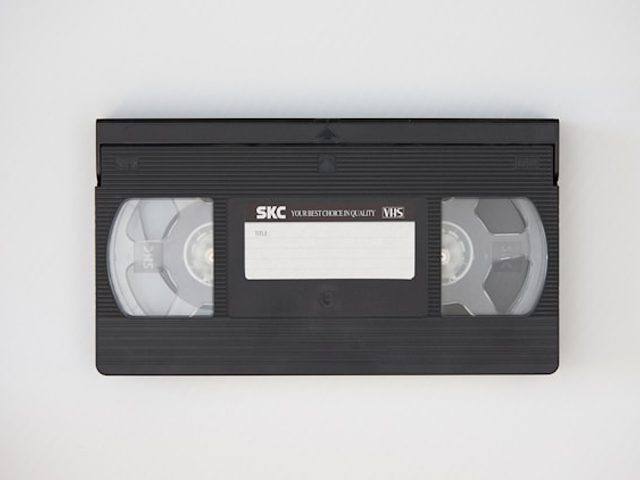
While older formats are seeing renewed interest, they continue to play a smaller role alongside the widespread reach of streaming.
From Shelves to Servers
Early distribution relied on scarcity. A film print had weight; a CD had a fixed run. Distribution required planning; delays were common. Digital compression has altered this pattern. Files became smaller; networks became faster. Companies built platforms that delivered content on demand. A user could select a title and receive it within seconds.
This change reduced friction. It also shifted control. Platforms now manage catalogs, rights, and recommendations. The role of the retailer declined; the role of the platform engineer expanded. Content moved from local storage to remote servers. The interface became the new storefront. Design teams shaped menus, thumbnails, and search tools. Data teams tracked behavior and refined suggestions.
The labor map changed with this shift. Manufacturing roles declined in volume. Logistics roles adjusted in scope. New roles emerged in software development, data analysis, and cloud operations. Skills moved from handling objects to managing systems. Workers learned coding languages, database tools, and user interface design. The pace of change required constant learning; training became part of the job.
Work Rewritten by Code and Choice
The shift affected daily tasks. Editors now work with cloud-based tools; they share files across regions. Sound engineers mix tracks within digital workstations; they export in formats that suit streaming standards. Archivists manage metadata; they ensure that titles appear correctly in search results. Rights managers handle digital licenses; they track usage across territories.
Career paths in media and technology now depend on data literacy as much as creative skill. A producer studies audience metrics; a designer tests interface changes; a marketer reads engagement reports. Decisions rely on evidence drawn from user behavior. This pattern alters authority. Intuition still matters; data frames the final call.
Education followed this trend. Programs added courses in coding, analytics, and digital rights. Internships moved from studios to tech firms. Portfolios include code samples and dashboards. Collaboration crosses fields; a writer works with a developer; a producer works with a data analyst. The workplace becomes hybrid in skill and method.
Acceleration Under Lockdown
A sharp acceleration occurred during the COVID-19 period. A number of studies report a clear rise in streaming use during quarantine. Households turned to online platforms for films, series, and music. The shift was sudden; it reached groups that had used physical media or broadcast channels before. Demand increased for content delivery and platform stability.
Companies responded with rapid hiring in certain areas. Cloud engineers scaled systems; content teams adjusted release plans; support teams handled user issues. At the same time, venues that relied on physical attendance faced closures. Workers in projection, retail, and event support sought new roles. Some retrained for digital tasks; others moved into adjacent sectors.
This period also changed expectations. Users grew used to immediate access. Release windows shortened; exclusive deals expanded. The industry tested new models; some films debuted online without a theatrical run. The results varied; the trend remained clear. Streaming secured a central place in daily life. The labor market adapted in response.
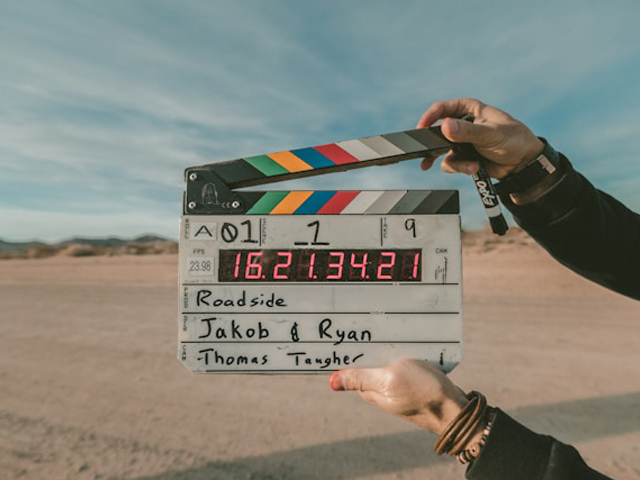
Nowadays, some films have debuted online without a theatrical run.
New Gatekeepers and Risks
Streaming platforms act as gatekeepers. They decide which titles appear and how they appear. Algorithms rank content; they influence discovery. This structure creates opportunities and risks. A small creator can reach a large audience; a catalog can also remain hidden without visibility.
Workers respond to these conditions. Specialists in search optimization and metadata gain importance. Thumbnail designers test images; they track click rates. Content strategists plan release schedules; they study user patterns. Legal teams manage rights across regions; they handle complex agreements.
At the same time, the system can narrow options. Standard formats dominate; experimental work faces barriers. Workers balance creativity with platform rules. They aim for clarity in titles, images, and descriptions. The process rewards consistency; it can limit variation. The industry continues to adjust. New platforms appear; policies change; workers adapt again.
Conclusion: The Stream Keeps Moving
The shift from physical media to streaming reshaped labor with steady force. It replaced many tasks and created new ones. It moved value from objects to systems; it placed code at the center of production and distribution. Workers learned new skills; institutions revised training; companies rebuilt their structures. The pattern shows no sign of stopping. Tools will change again; formats will adjust; users will expect speed and clarity. In this context, career paths in media and technology will remain fluid, guided by data, shaped by design, and grounded in a long memory of shelves, discs, and the sound of a tape turning.