
With 68% of students admitting that they run out of money at least once a semester, there’s growing anxiety about how to manage the unexpected costs of campus life. Between broken laptops and unexpected lab fees, college exists as a constant stream of micro-emergencies that can derail your academic focus.
Building a safety net might feel impossible when your bank account is already gasping for air. However, the goal is not to replace a full salary but to create a buffer that prevents you from reaching for a high-interest credit card. Starting early allows you to absorb shocks without losing your momentum in the classroom.
Setting Your First Savings Milestone
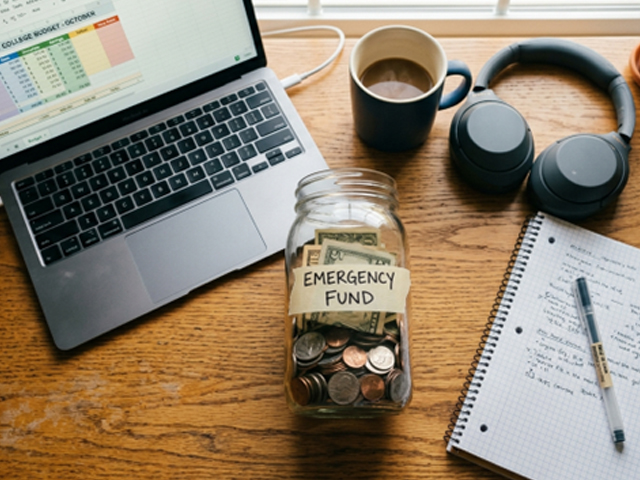
Most financial experts suggest that 53% of adults cannot afford a sudden $1,000 expense without borrowing money. For a student, a four-figure goal can feel like climbing a mountain without any gear. It is better to start with a "starter" fund of $500 which covers the most common student crises like a flat tire or a lost textbook.
Breaking this down into weekly increments makes the process feel less like a chore and more like a game. If you can set aside the cost of two lattes a week, you will hit that $500 mark before the semester ends. Small wins build the psychological confidence needed to tackle larger long-term objectives.
Once you have that initial cushion, you can look at the bigger picture of your financial health. Learning how to make financial goals is a skill that serves you long after graduation day. This involves looking at your fixed costs and deciding exactly how much of a "backup plan" you need to feel secure during the summer months or during an unpaid internship.
Where to Keep Your Emergency Cash
You need your money to be accessible but not so easy to reach that you spend it on a late-night pizza run. A separate high-yield savings account is usually the best home for these funds because it earns interest while remaining liquid. Keeping your emergency money in the same account as your spending money is a recipe for accidental depletion.
Many students choose to open accounts at credit unions or online banks that offer better rates than the big national chains. These institutions often have lower fees and better customer service for people just starting their journey. You want an account that does not charge a monthly maintenance fee just because your balance is low.
To build this fund effectively, you should consider these three habits:
Automate a small transfer from every paycheck or allowance directly into savings
- Deposit any birthday money or tax refunds immediately into the emergency pot
Use a round-up app that saves the change from your daily transactions
These methods require almost zero effort once they are set up. Automation removes the "decision fatigue" that often leads to overspending. If the money moves before you see it in your checking account, you are much less likely to miss it.
Managing Variable Costs and Income
Students' income is often erratic, swinging between part-time work and seasonal breaks. During months when you have a bit extra from a campus job or a side hustle, you should prioritize the fund over luxury purchases. This creates a cycle of stability that protects you when your work hours get cut during finals week.
Research from 2026 indicates that 43% of active savers now prioritize emergency funds over general investments. This shift shows that people are beginning to value liquidity and safety in an unpredictable economy. For a student, this safety means not having to drop out because of a single mechanical failure or medical bill.
Trimming variable costs is the fastest way to find "hidden" money for your fund. Review your recurring subscriptions and see which ones you actually use each week.
Many students pay for three different streaming services but only have time to watch one. Redirecting that twenty dollars a month into a savings account adds up to a significant safety net over a four-year degree.
When to Use the Buffer
The hardest part of having an emergency fund is knowing when to leave it alone. A sale on your favorite clothing brand is not an emergency. A "once in a lifetime" spring break trip is not an emergency. The fund exists for events that are both unexpected and necessary for your survival or continued education.
If you do have to dip into the money, do not beat yourself up about it, because that is exactly why the money was there in the first place. The priority simply shifts back to replenishment as soon as you are back on your feet. Keeping the fund active ensures that the next surprise does not turn into a permanent financial setback.
Building this habit now sets the foundation for your life after college. Most people wait until they have a full-time career to think about these things, but you are already ahead of the curve. By the time you graduate, you will have the discipline to manage a larger salary with ease.
Your Path to Student Security
Securing your finances is a marathon, not a sprint. Even if you can only save five dollars a week, you are participating in the process of wealth building. The peace of mind that comes from knowing you can handle a surprise bill is worth more than any impulse purchase.
To keep your momentum going, you can check out our other posts discussing student finances and how to live within your means while still enjoying college life.