
The traditional classroom isn't really defined by four walls and a chalkboard anymore. These days, the whole landscape of education is shifting right under our feet. Digital tools aren't just extra add-ons to the learning process. They’ve become the actual foundation of how this new generation interacts with information.
It's a lot to take in.
From interactive platforms to smarter note-taking systems, the way students actually absorb and keep knowledge has gone through a massive transformation. Have you noticed how different a modern study session looks compared to even ten years ago?
Moving from Passive to Active Learning
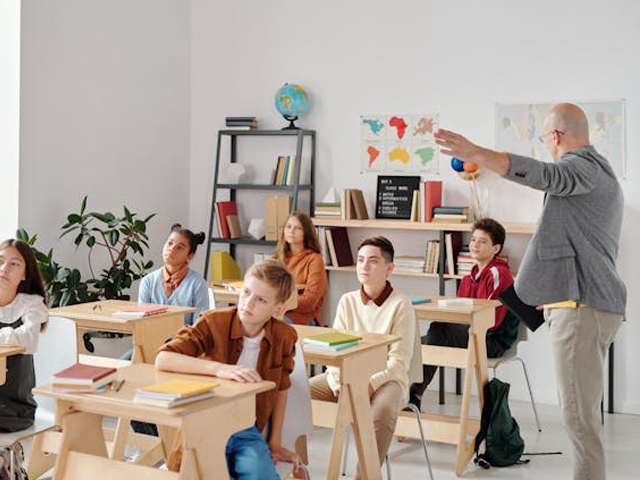
In the past, learning was usually a pretty passive experience. A teacher talked and students just listened. Information only flowed in one direction. But digital tools have flipped that script. Now, students are expected to jump in and engage with their materials in real time.
You can see this shift most clearly in how study habits have changed. Instead of just staring at a textbook and hoping for the best, students use dynamic software to test what they actually know. For example, a lot of them now make study flashcards online to take advantage of active recall and spaced repetition. This move toward active engagement makes sure that information sticks around a lot longer than it would through simple memorization.
But does it feel more natural? It usually does once the habit kicks in.
Personalization for Everyone
One of the biggest hurdles in old-school education has always been that "one size fits all" approach. We know every student learns at a different pace. Some are visual learners, while others would rather listen or get their hands dirty with practice.
And that's where the tech shines.
Digital platforms allow for a level of personalization that just wasn't possible before. Algorithms can now spot exactly where a student is struggling and give them specific resources to fix those gaps. This means a student who’s great at math but struggles with reading can have a tailored experience. It challenges them in the right spots without leaving them behind in others. So, why did it take us so long to get here?
Global Connection and Working Together
The internet has pretty much wiped out the physical barriers to education. A student in a small town can now work on a project with someone on the other side of the planet. Tools like shared documents and video calls have made the world feel a lot smaller.
It’s incredible, really.
And this connectivity does more than just help with homework. It introduces students to different perspectives and cultures. It teaches them how to talk and work in a global economy. Learning isn't a lonely activity anymore. It’s a social, shared journey that crosses borders.
The Rise of the Paperless Classroom
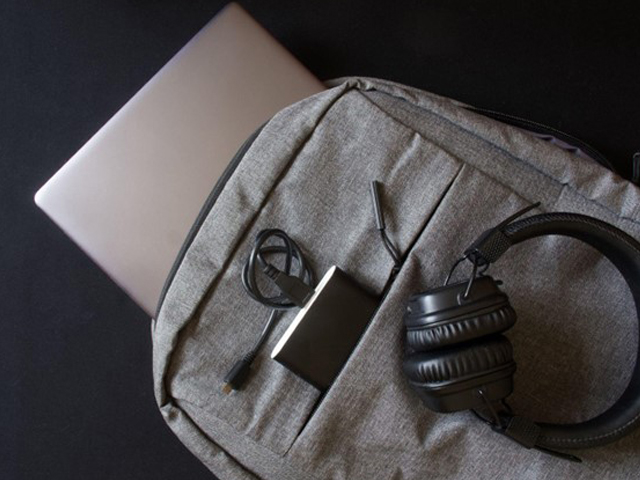
We’re seeing a big drop in the need for physical stuff. Laptops and tablets have taken the place of those heavy backpacks filled with textbooks. Moving to a digital environment offers more than just a break for a student's back.
It's about mental space too.
When all your notes, assignments, and resources stay in one place, the mental energy needed to stay organized goes way down. This lets students put more focus on the actual content of their studies instead of the logistics of shuffling papers around. But we have to ask, are we losing something by giving up the tactile feel of paper?
Challenges and the Digital Gap
While the perks are clear, switching to digital learning isn't always easy. Not every student has the same access to high-quality devices or fast internet. This digital divide is a major worry for teachers and people making the rules.
We can't ignore the inequality.
If the future of learning is digital, we have to make sure no one gets left behind just because of their bank account. Plus, having screens around all the time brings up worries about attention spans and digital burnout. Finding a balance between using technology and staying mentally healthy is a huge part of the modern school experience.
Getting Ready for a Digital Future
At the end of the day, the goal of education is to get students ready for the world they’ll enter after they graduate. Since almost every modern career needs some kind of digital skill, using these tools in school is basically essential training.
It’s the new literacy.
Students aren't just learning history or science. They’re learning how to handle complex software, how to check if information online is actually true, and how to manage their digital lives. These are the "soft skills" that are going to define success for years to come.