
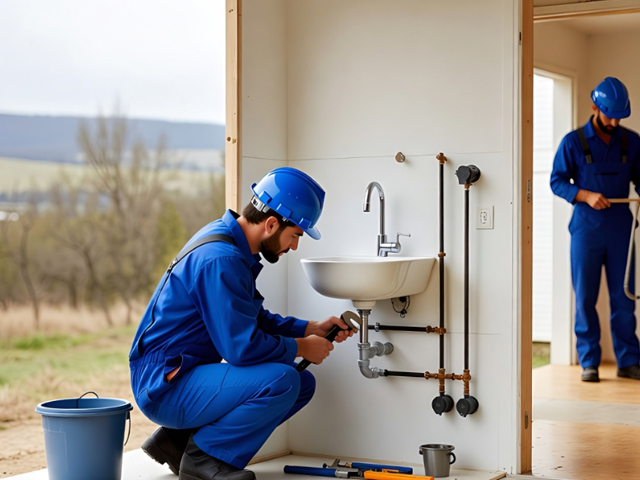
Becoming a plumber is one of those career moves that still makes sense in the real world. Phones change, apps change, and every few years somebody tells us everything is moving online, but pipes still break, drains still clog, and water heaters still quit at the worst possible time. That is why plumbing stays important in every neighborhood, every city, and every kind of housing market.
For younger homeowners, plumbing problems can feel like a surprise bill with extra attitude. For older homeowners, it is often about keeping an aging home working without turning every weekend into a repair project. That mix is exactly why common plumbing services stay busy year round, and why becoming a plumber can lead to steady work that matters to people right away.
A good plumber does more than fix leaks. They help keep homes safe, clean, comfortable, and functioning the way they should. When the shower goes cold, the toilet will not flush right, or the kitchen sink starts moving slower than a Monday morning, a plumber is the person people call to get life back on track.
Why becoming a plumber is still a smart career choice
Some careers look flashy on paper and then leave people stuck behind a screen all day wondering what happened. Plumbing is different. It is hands on, useful, and tied to work people actually need, whether the economy is booming, slowing down, or doing its usual weird little dance.
There is also a practical side that a lot of people appreciate. The usual path into the trade often starts with a high school diploma or equivalent and on the job training through an apprenticeship. In many places, licensing is part of the path too, which means the trade has real standards and a clear ladder to climb instead of just vibes and wishful thinking.
That matters for people who want a career with a solid future. According to the U.S. Bureau of Labor Statistics, plumbers, pipefitters, and steamfitters are expected to keep seeing openings in the years ahead, with many jobs coming from both new work and the need to replace retiring workers. In plain everyday terms, people keep needing plumbing help, and a lot of experienced workers will not be on the job forever.
Becoming a plumber can also be a strong fit for people who like solving problems without sitting still all day. You are not staring at a spreadsheet trying to feel alive by lunchtime. You are reading a situation, finding the issue, and fixing something people can actually see and appreciate the same day.
What the work really looks like
On paper, plumbing sounds simple enough. Install pipes, fix pipes, keep water moving where it should, and stop it from going where it should not. In real life, the work can range from small residential fixes to major system installs, and every day can bring a different kind of challenge.
A plumber may repair a dripping faucet in the morning, replace a water heater after lunch, and spend the late afternoon tracing a drain problem that has been driving a homeowner crazy for weeks. Some days are fast fixes. Other days are detective work with tools.
The job also calls for more than just strength. You need patience, troubleshooting skills, and enough common sense to spot the real problem instead of just the loudest symptom. The sink might be slow, but the issue could be deeper in the line. The bathroom floor might be wet, but the source may not be the toilet at all.
That is one reason becoming a plumber appeals to people who like practical work with a bit of thinking built in. It is not random heavy lifting. It is problem solving in crawl spaces, basements, utility rooms, kitchens, and bathrooms, with real consequences if the job is rushed or done halfway.
- Learn the basics and get comfortable with tools, measurements, and safe job site habits.
- Build experience through training, apprenticeship, and the licensing steps required in your area.
- Show up on time, communicate clearly, and treat every home like it belongs to someone you know.
How to get started in plumbing
For many people, the path starts after high school with either trade school, direct entry into the field, or an apprenticeship. Apprenticeship is a common route because it lets you learn while working. You build skill in the real world, get paid while you learn, and gain exposure to the kind of problems no classroom can fully fake.
That does not mean the path is effortless. Plumbing takes commitment, attention to detail, and a willingness to keep learning. Materials change, tools improve, code rules matter, and every home seems to have at least one mystery decision made by a previous owner who clearly believed confidence was the same thing as skill.
Becoming a plumber also means learning how to work with people. A homeowner may be stressed, annoyed, embarrassed, or all three at once. A calm explanation, honest recommendation, and clean finish can turn a bad day into a customer who remembers your name and tells the whole block about you.
That human side is a bigger part of the trade than many people expect. Yes, the pipes matter. But so do trust, cleanliness, communication, and showing people that you respect their home, their time, and their budget.
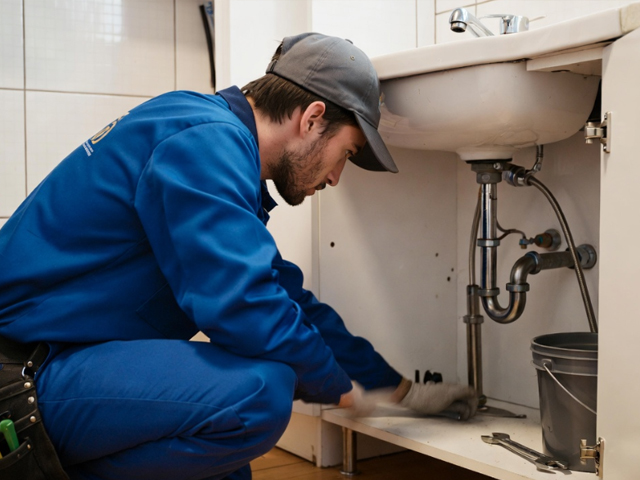
The common plumbing services homeowners ask for most
Common plumbing services are not just random repairs. They are the daily bread and butter of the trade. They are the calls that come in over and over because every home uses water every day, and anything used that often is eventually going to need help.
- Leak repair for faucets, supply lines, pipe joints, and hidden drips behind walls or under sinks.
- Drain cleaning for kitchen sinks, bathroom sinks, tubs, showers, and backed up branch lines.
- Toilet repair and replacement for running toilets, weak flushing, leaks at the base, or full fixture upgrades.
- Water heater service for no hot water, poor heating, strange sounds, leaks, or full replacement.
- Fixture installation for faucets, sinks, showerheads, garbage disposals, and new plumbing trim.
- Pipe repair or replacement for aging lines, frozen pipe damage, corrosion, and recurring leak problems.
Leak repair stays near the top because it shows up in so many forms. A small drip under the sink may not look dramatic at first, but over time it can damage cabinets, flooring, drywall, and patience. The EPA also notes that common household leaks such as dripping faucets and leaking valves can waste a surprising amount of water over the year, which means a tiny leak can quietly become an expensive one.
Drain cleaning is another major part of common plumbing services because clogs are basically a household classic. Grease, soap buildup, hair, food scraps, wipes, and all kinds of things that should never have taken the trip in the first place can slow or block a line. When one drain is slow it is annoying, and when several start acting up, it usually means the problem deserves a closer look.
Toilet work is always busy because toilets take a daily beating and nobody wants to wait long when one stops behaving. Sometimes it is a simple flapper issue. Sometimes it is a seal, a fill valve, a clog, or a full replacement because the old unit has gone from charmingly old to absolutely done.
Water heater calls are high stress for homeowners because hot water is one of those things people barely think about until it disappears. The moment the shower turns from comfortable to character building, the issue becomes urgent. A plumber may repair the unit, flush it, replace parts, or recommend a full replacement depending on age and condition.
Fixture installation is another steady lane of work, especially when people update kitchens and bathrooms. A new faucet, sink, shower trim set, or disposal sounds simple until someone realizes the shutoff valve is stuck, the connections do not match, or the old plumbing has its own opinions. That is where a plumber saves people from turning a weekend project into a multi week regret.
Pipe repair and replacement become especially important in older homes. Time, corrosion, freezing weather, bad past repairs, shifting foundations, and daily wear can all take a toll. For homeowners from older generations who want to protect the house they have had for years, and for younger buyers who just inherited somebody else's old plumbing surprises, this is one of the most valuable common plumbing services around.
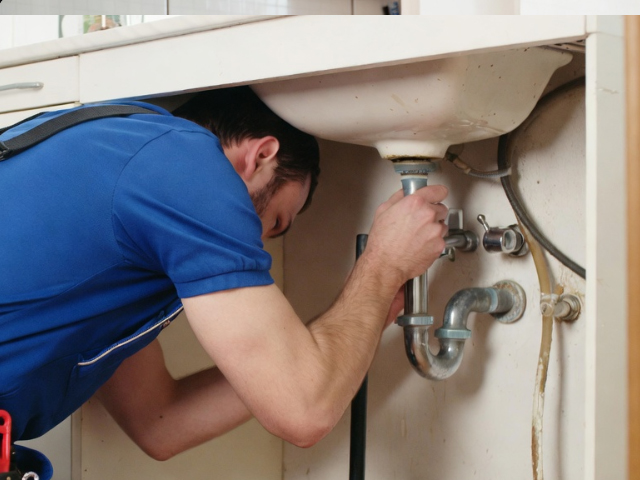
What homeowners really want from a plumber
Most homeowners are not expecting a long speech or a magic trick. They want a plumber who shows up, explains the issue clearly, and fixes the problem without making the whole process harder than it needs to be. In other words, they want competence with decent manners, which should not be rare but somehow still feels premium.
They also want honesty. If a quick repair will solve it, say that. If the system is worn out and replacement is the smarter move, say that too. The best plumbers build trust because they do not treat every problem like a chance to sell the moon.
That is another reason becoming a plumber can turn into a strong long term career. Home service businesses grow when customers feel taken care of and tell their friends. Skill gets you in the door, but reliability and communication are what keep the phone ringing.
Who should think seriously about becoming a plumber
This trade can be a great fit for someone who likes hands on work, problem solving, and a job that has a clear purpose. It suits people who would rather finish the day knowing they fixed something real than sit in meetings that should have been emails and then somehow still need another meeting. If that sounds familiar, plumbing may be worth a serious look.
It can also be a smart move for people who want a path that feels grounded. You learn, you improve, you earn more as your skill grows, and your reputation starts to matter. Becoming a plumber is not about chasing trends. It is about building a trade people respect because they need it.
And from the homeowner side, the value is obvious. Common plumbing services keep homes running, prevent waste, protect property, and solve problems people cannot simply ignore. When you step into this trade, you are stepping into work that stays useful in every season of life.
That is the big picture of becoming a plumber and the most common plumbing services. It is a career with practical value, real demand, and room to grow if you take the craft seriously. For the right person, it is not just a job. It is solid work, a strong skill set, and a chance to build something that lasts.
Frequently Asked Questions
Is becoming a plumber a good career?
Yes, for a lot of people it is a very solid career path. It offers hands on work, steady demand, and a skill people will always need. If you like practical problem solving and do not mind getting into the real nuts and bolts of how a home works, it can be a strong choice.
Do you need school before becoming a plumber?
Not always. Some people attend trade school, while many start through apprenticeship and on the job training. The exact path can vary by location, and licensing rules usually depend on state or local requirements.
What plumbing services are most common for homeowners?
The most common plumbing services include leak repair, drain cleaning, toilet repair, water heater service, fixture installation, and pipe repair or replacement. These are the calls that come up again and again because they affect daily life fast. When water is involved, people usually want it fixed sooner rather than later.
Can a plumber make good money?
Plumbing can provide strong earning potential, especially as experience and skill grow. Income often depends on location, licensing level, type of work, and whether someone works for a company or runs their own business. The trade rewards people who become dependable, efficient, and trusted.
Why are common plumbing services always in demand?
Because every home depends on working water lines, drains, fixtures, and hot water. Parts wear out, homes age, clogs happen, and leaks never pick a convenient time. Common plumbing services stay busy because daily life depends on plumbing working the way it should.
Sources