

The advantages of intelligent algorithms are numerous and hard to ignore. Generative AI in finance use cases is the best proof. According to Forbes, 65% of CFOs expect positive changes from the use of artificial intelligence in financial services. At the same time, many organizations still remain cautious, fearing the time and cost required to adopt AI, as well as potential challenges related to implementing smart solutions in financial services. However, technological progress cannot be avoided forever, and failing to address it now may prove far more expensive in the long run.
So, what are the popular use cases of generative AI in financial services industry? How exactly can artificial intelligence help finance professionals? Let’s take a closer look based on our insights.
How to Start Implementing Artificial Intelligence
Based on recent 2025 reports, the majority of fintech companies now benefit from generative AI development for financial services. These organizations already use artificial intelligence, with estimates ranging between 70% and 90% of firms. The popular fintech companies using generative AI for personalized financial planning include Morgan Stanley, JPMorgan Chase, Mastercard, etc.
There are several ways a company can work with artificial intelligence:
- Use a ready-made product based on neural networks (e.g., Adobe Creative Cloud). The best generative AI for finance and banking could be Sift, AlphaSense, or Upstart.
- Use services based on neural networks that help solve individual, specific tasks, such as creating a logo, a presentation, or generating an image. For example, Google Photos.
- Use pre-trained ready-made neural networks and fine-tune them for your needs via an API — this option requires a developer.
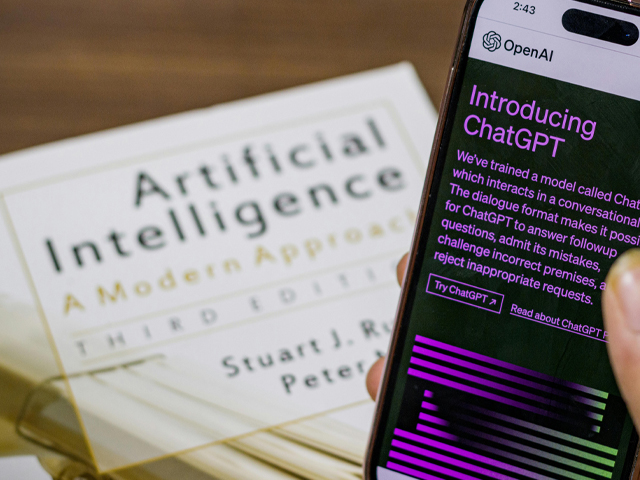
- Separately, it is worth mentioning the option of “making friends with GPT (also known as ChatGPT)” — a multifunctional artificial intelligence capable of solving various tasks, such as generating business ideas.
For instance, GPT, one of the most known industry-specific generative AI applications for financial services, can suggest product line options or ways to increase revenue from selling a specific banking product. GPT once suggested ideas for a card: adding a QR code with interesting information, releasing a limited-edition collection, or else.
Expert Advice from Max Kashcheiev
Moreover, it is possible to develop your own neural network tailored to the company’s tasks — this will require a full development team from a company like Artjoker. The Artjoker AI development company works with such platforms as Google Speech Text, OpenAI, HeyGen, Replica, DALL-E, etc. It combines artificial intelligence with machine learning and DevOps smartly. These experts can maximize generative AI effectiveness in automating finance operations.
How Can a Finance Company Benefit from Artificial Intelligence?
The main benefits of generative AI in finance department involve:
- Enhanced Forecasting & Analysis
- Risk Management & Fraud Detection
- Streamlined Compliance & Reporting
- Improved Decision-Making
- Significantly Reduced Costs
- Personalized Customer & Investor Support
However, the major benefit of generative AI in the financial sector remains automation and efficiency.
To illustrate these benefits, consider top examples of generative AI application in finance include:
1) Automated credit decision support
Generative artificial intelligence models can synthesize data from transaction histories, alternative data sources, and risk rules to generate explainable credit risk summaries for underwriters. It is, perhaps, the best example of the use of generative AI in finance and banking.
2) Regulatory reporting and compliance documentation
Generative AI in banking and finance industry can automatically generate regulatory reports, compliance narratives, and internal audit documentation based on transactional data and policy rules.
Expert Opinion by Eugene Korotkov
Most often, neural networks for companies are developed as custom solutions. Pre-trained neural networks still need to be fine-tuned for specific business needs. There are also ready-made modules that speed up neural network development, but they still require an in-house developer.
How Will Artificial Intelligence Affect Fintech?
Generative AI impact on financial services is already noticeable. For example, artificial intelligence in the banking sector has automated many services: opening settlement accounts, basic accounting, and loan issuance. Thanks to smart solutions, banks can review loan applications in just a few minutes and use chatbots and voice assistants to communicate with customers. Artificial intelligence also helps analyze companies for fraud risks and process customer documents. Check the example of generative AI for financial institutions in the use case below.
MyCredit faced quite a few challenges. First, there was overwhelming support demand. Low QA visibility and rising operational costs were two more problems to solve. Thousands of customer inquiries streamed across channels. Artjoker built a scalable AI-powered support stack made of an omnichannel chatbot, automated QA, and voice bot. These solutions enabled 100,000+ routine requests to be handled per month, achieving near-100% QA coverage.
Whether you need AI for lead generation in finance or ML and DevOps solutions, turn to Artjoker. With its solid portfolio of over 1,000 projects, this team will assist you with developing a custom solution from scratch at an affordable price!